
 01635 581 811
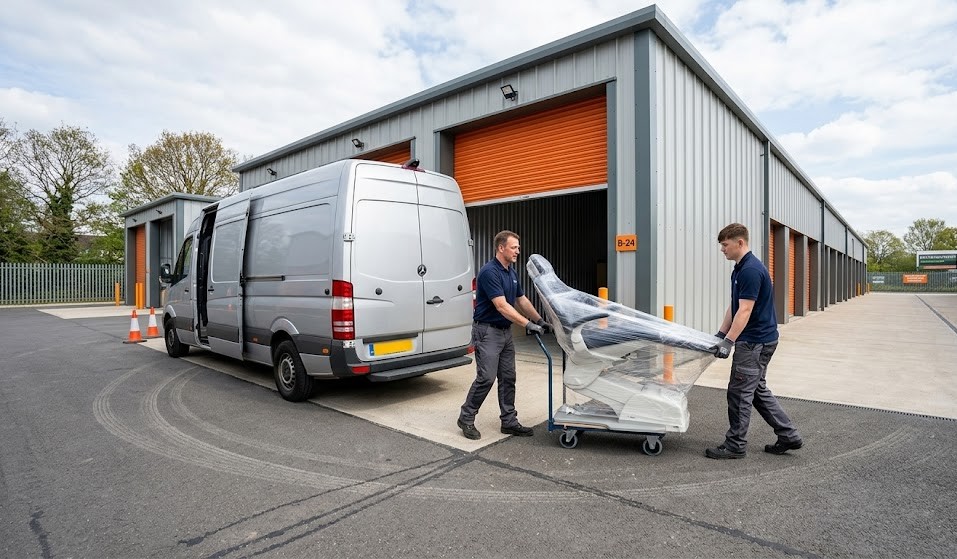
Renovating a dental practice isn’t just about choosing new flooring or updating the reception area. It’s about protecting thousands of pounds worth of precision equipment whilst maintaining patient care and meeting strict regulatory standards. When you’re dealing with digital X-ray sensors, autoclaves, surgical instruments, and patient records, the stakes are considerably higher than a typical office refurbishment.
Most practice owners underestimate the complexity of dental refurbishment storage until they’re faced with the reality of dismantling operatories whilst trying to keep appointments running. The challenge isn’t simply finding somewhere to put things, it’s about maintaining sterility, protecting calibrated equipment, and ensuring you can retrieve specific items quickly when needed. That’s where proper dental equipment storage becomes essential rather than optional.
Why dental equipment demands specialist storage considerations
Dental equipment differs fundamentally from standard office gear. A computer can tolerate minor temperature fluctuations. A dental handpiece worth £2,000 cannot. These instruments are engineered to microscopic tolerances, and even slight environmental changes can affect their calibration and performance.
Consider what happens when humidity levels fluctuate around sterilisation equipment. Moisture can corrode internal components, compromise seals, and create the perfect environment for bacterial growth, exactly what you’re trying to prevent. Similarly, digital sensors and imaging equipment contain delicate electronics that respond poorly to temperature extremes or condensation.
Beyond the physical vulnerabilities, there’s the regulatory dimension. The Care Quality Commission expects dental practices to maintain equipment in optimal condition and demonstrate proper storage protocols. If your renovation storage arrangements compromise equipment integrity, you’re not just risking financial loss, you’re potentially breaching professional standards.
Planning your equipment inventory before the move
The most common mistake practice owners make? Assuming they know what equipment they have. After years of accumulation, most practices contain far more items than anyone realises. That drawer of “spare” burs, the backup suction unit gathering dust, the archived patient models from five years ago, it all adds up quickly.
Start your inventory at least six weeks before renovation work begins. Walk through each operatory with a tablet or clipboard and document everything systematically. Group items by category: handpieces and attachments, sterilisation equipment, imaging systems, surgical instruments, consumables, and furniture. Don’t forget the items stored in cupboards, drawers, and that mysterious cabinet in the staff room.
Here’s a practical approach that works:
- Photograph each operatory from multiple angles before dismantling anything
- Label equipment with numbered tags that correspond to your inventory list
- Note the condition of each item, this protects you if something gets damaged during the move
- Identify calibration dates for equipment that requires regular servicing
- Flag items requiring climate control or special handling
One practice manager told me about discovering three unused composite curing lights during their pre-renovation inventory. They’d been ordering replacements for years, not realising perfectly functional units were stored in a back cupboard. That inventory process saved them hundreds of pounds.
Calculating the right storage space for dental equipment
Dental equipment presents a unique spatial challenge. It’s not just about cubic metres, it’s about accessibility and organisation. You can’t simply stack boxes of surgical instruments on top of your digital X-ray system and hope for the best.
A typical single-surgery practice requires roughly 50-75 square feet of storage space during a full renovation. That accounts for the dental chair (which you might not store if it’s being replaced), delivery unit, suction equipment, curing lights, handpieces, sterilisation equipment, and associated instruments. A three-surgery practice might need 150-200 square feet, depending on how much equipment you’re replacing versus storing.
However, these figures assume efficient packing and vertical storage using shelving units. If you’re planning to keep everything in boxes on the floor, you’ll need considerably more space. Think of it like packing a suitcase, folded shirts stacked neatly take half the space of shirts thrown in randomly.
When calculating your needs, factor in:
- Aisle space for accessing items without moving everything
- Shelving units that allow vertical storage and organisation
- Climate-controlled requirements which may dictate unit selection
- Growth buffer because renovations invariably take longer than planned
Proper dental equipment storage with environmental controls typically proves more cost-effective than trying to squeeze equipment into a practice back room or staff member’s garage. The latter might seem cheaper initially, but the risk of damage or theft often outweighs the savings.
Packing techniques for sensitive dental equipment
Dental equipment storage requires packing techniques that aren’t remotely similar to household items. These instruments demand specific approaches that protect their functionality and maintain sterility where applicable.
Start with handpieces and precision instruments. Wrap each handpiece individually in bubble wrap, then place them in rigid containers, never soft boxes where they could get crushed. If you have the original manufacturer packaging, use it. Those foam inserts were designed specifically to protect the instrument during transport. For sterilised instruments, maintain their sterile packaging until you’re ready to use them again. If you must repack them, use new sterile pouches and label them clearly with the date.
Digital X-ray sensors require special attention. These delicate devices can cost £5,000-£8,000 to replace, and they’re remarkably fragile. Wrap sensors in anti-static bubble wrap (regular bubble wrap can generate static that damages electronics), place them in their original cases, then cushion those cases inside rigid boxes with additional padding. Never stack anything heavy on top of sensor boxes.
Suction equipment and compressors need different handling. Drain all fluids completely before storage, residual water or oil can corrode internal components during extended storage. Clean and dry all surfaces thoroughly, then cover motors and electrical components with protective sheeting. If possible, store compressors upright in their normal operating position to prevent seal damage.
Your sterilisation equipment deserves equally careful treatment. Autoclaves should be drained, cleaned according to manufacturer specifications, and stored with doors slightly ajar to prevent seal compression. Document the last service date and any maintenance requirements for when you reinstall the equipment.
Proper packaging materials make this process considerably easier. Heavy-duty boxes, anti-static bubble wrap, moisture-absorbing packets, and equipment-specific foam inserts aren’t luxuries, they’re essential protection for assets worth tens of thousands of pounds.
Environmental controls: temperature and humidity requirements
Here’s where many practice owners make costly mistakes. They secure a storage unit, pack everything carefully, then discover three months later that humidity has corroded their instruments or temperature fluctuations have damaged electronic components.
Most dental equipment manufacturers specify storage conditions: typically 15-25°C with relative humidity between 30-60%. These aren’t suggestions, they’re requirements for maintaining warranties and equipment integrity. Digital imaging systems are particularly sensitive, with some manufacturers voiding warranties if equipment is stored outside specified parameters.
What happens when conditions fall outside these ranges? At temperatures below 10°C, lubricants in handpieces can thicken, affecting performance when you restart them. Above 30°C, adhesives in composite materials can degrade, and electronic components experience accelerated aging. Low humidity (below 30%) increases static electricity risk around sensitive electronics. High humidity (above 70%) promotes corrosion and bacterial growth.
Climate-controlled storage isn’t just about comfort, it’s about maintaining asset value. A £15,000 digital X-ray system that’s been stored in a damp garage for six months might technically still function, but its lifespan has been significantly reduced. Components that should last ten years might fail in five.
When evaluating storage options, ask specific questions about environmental controls. Does the facility maintain consistent temperatures year-round? Is humidity monitored and controlled? What happens during extreme weather events? A reputable storage provider should have clear answers and documentation of their environmental management systems.
Security protocols for high-value dental assets
Dental equipment represents a significant target for theft. Handpieces alone can fetch hundreds of pounds on secondary markets, whilst digital sensors and imaging equipment are worth thousands. Beyond the financial loss, stolen equipment can disrupt your practice reopening and compromise patient care.
Effective security operates on multiple layers. Start with the storage facility itself. Look for 24-hour CCTV coverage with recorded footage, individual unit alarms, secure perimeter fencing, and controlled access systems that log every entry and exit. The best facilities employ on-site security personnel and conduct regular patrols.
Your unit should have a high-quality lock, not the flimsy padlock that came free with the rental. Invest in a closed-shackle padlock rated for high-security applications. These cost £30-50 but make your unit considerably less attractive to opportunistic thieves.
Inside the unit, implement your own security measures. Don’t store equipment in boxes labelled “dental equipment” or with practice branding, you might as well put a sign saying “valuable items here.” Use plain boxes with coded labels that only your team understands. Keep a detailed photographic inventory with serial numbers for insurance purposes.
Consider insurance implications carefully. Your practice insurance may not cover equipment stored off-site, or coverage limits might be inadequate for the full value of stored items. Contact your insurer before the renovation begins to understand your coverage and whether you need additional policies. Document everything with photographs, receipts, and serial numbers, if you do experience theft or damage, this documentation becomes essential for claims.
Maintaining accessibility during extended renovations
Renovations rarely proceed exactly as planned. That “four-week refurbishment” often stretches to six or eight weeks. During that time, you’ll inevitably need to access stored equipment, perhaps to replace a broken handpiece, retrieve patient records, or collect consumables you underestimated.
This is why organisation matters as much as security and climate control. Imagine needing a specific surgical instrument and having to open twenty identical boxes to find it. Now imagine doing that when you have a patient waiting and an afternoon of appointments scheduled.
Create a detailed storage map showing exactly where items are located within your unit. Use a simple grid system: divide your unit into zones (A, B, C, D) and number shelves or rows within each zone. Your inventory should reference these locations, “Handpieces, Box 3, Zone A, Shelf 2.” This system means anyone from your practice can retrieve items quickly without your presence.
Store frequently needed items near the unit entrance. Consumables, backup instruments, and patient records should be immediately accessible. Rarely needed items, archived equipment, surplus furniture, or items you’re unsure about keeping, can go towards the back. Think of it like organising a kitchen: everyday plates at the front, fancy china at the back.
Transparent plastic boxes work better than cardboard for frequently accessed items. You can see contents without opening them, which speeds retrieval and reduces the risk of leaving units unsecured whilst searching. Label boxes on multiple sides so you can identify contents regardless of how they’re stacked.
Coordinating with renovation timelines and contractors
The relationship between your storage arrangements and renovation schedule requires careful coordination. Moving equipment out too early means paying for storage you don’t yet need. Moving it out too late risks damage from construction dust, vibration, or accidental impacts.
Work with your contractors to establish a detailed timeline showing when each area becomes a construction zone. If they’re renovating surgery one first, you can potentially keep surgeries two and three operational, reducing the volume of equipment requiring storage. However, this depends on dust control measures and whether construction noise affects patient care.
Most practice renovations follow a phased approach: demolition and structural work, followed by electrical and plumbing installation, then finishing work like flooring and decoration. Equipment should generally be removed before demolition begins, construction dust is incredibly pervasive and can infiltrate even sealed cabinets. That fine particulate matter can damage handpiece bearings, contaminate sterilisation equipment, and coat digital sensors.
Schedule your equipment return strategically. Don’t bring everything back the day contractors finish. Allow time for thorough cleaning, air quality to normalise, and final inspections to be completed. There’s nothing worse than reinstalling expensive equipment only to discover the contractors need to return for additional work.
Create a return sequence that prioritises essential equipment. Sterilisation equipment should return first so you can process instruments before reopening. Imaging systems come next, followed by operatory equipment, then consumables and supplies. This staged approach prevents overcrowding and allows proper installation and testing of each system.
Handling patient records and regulatory compliance
Patient records present unique challenges during renovations. Whether you maintain paper records, digital systems, or both, you’re legally obligated to protect patient confidentiality and maintain record accessibility under GDPR and professional regulations.
Paper records require secure, dry storage with protection from both environmental damage and unauthorised access. Moisture is the primary enemy, damp conditions can make records illegible within weeks. Store paper records in sealed, waterproof containers with moisture-absorbing packets. Organise them systematically so you can retrieve specific records if needed during the renovation period.
If you’re using this renovation as an opportunity to digitise paper records, factor that timeline into your planning. Scanning thousands of patient records takes considerable time, and you’ll need secure storage for originals until digitisation is complete and verified.
Digital records stored on practice servers require different considerations. If your server is remaining on-site during renovations, ensure it’s protected from dust, temperature fluctuations, and power disruptions. Construction work can cause power surges or outages that damage servers or corrupt data. Many practices choose to temporarily relocate servers to secure data centres or move to cloud-based systems during major renovations.
Backup systems become even more critical during this transitional period. Maintain multiple current backups stored in separate locations. If something happens to your primary storage or your on-site systems, you need immediate access to patient records to maintain care continuity.
The Information Commissioner’s Office expects dental practices to demonstrate robust data protection measures. Document your storage arrangements, security protocols, and access controls. If patient records are stored off-site, ensure storage providers meet security standards equivalent to your practice requirements.
Preparing equipment for reinstallation
The renovation is complete, surfaces gleam, and you’re eager to reopen. But equipment that’s been in storage for weeks or months can’t simply be unpacked and switched on. Proper recommissioning ensures everything functions correctly and meets safety standards.
Start with visual inspections before moving anything back. Check for signs of damage, corrosion, or moisture intrusion during storage. If you spot problems, address them before reinstallation, don’t compound storage damage with operational stress.
Handpieces and rotary instruments need particular attention. Even with perfect storage conditions, lubricants may have settled or thickened. Run handpieces through complete maintenance cycles, including lubrication and sterilisation, before patient use. Test them under no-load conditions to ensure bearings spin freely and there’s no unusual noise or vibration.
Sterilisation equipment requires recalibration and validation testing before processing patient instruments. Run empty cycles to purge any residual moisture or contaminants from storage. Then conduct biological indicator tests to confirm the autoclave achieves proper sterilisation parameters. Don’t skip this step, patient safety depends on reliable sterilisation.
Digital imaging systems often need recalibration after storage and reinstallation. Sensors may require new calibration files, and X-ray units need output verification to ensure they’re delivering appropriate exposure levels. Schedule your equipment service engineer shortly after reinstallation rather than trying to DIY these critical adjustments.
Compressors and suction systems should be inspected for proper operation before connecting them to patient-care equipment. Check for leaks, verify pressure outputs, and ensure filtration systems are functioning correctly. Replace any filters that may have been contaminated during storage or installation.
Cost considerations and budgeting for storage
Dental refurbishment storage costs often surprise practice owners who haven’t factored them into renovation budgets. A climate-controlled unit suitable for dental equipment typically costs £150-300 per month depending on size and location, but that’s just the starting point.
Add packing materials, proper boxes, bubble wrap, moisture absorbers, and specialised containers for sensitive equipment can easily total £200-400. If you’re hiring professional movers experienced with medical equipment (which is advisable for expensive items), expect £500-1,000 for a small practice, more for larger facilities.
Insurance represents another cost layer. Additional coverage for stored equipment might add £50-150 monthly, but it’s essential protection for assets worth tens of thousands of pounds. The alternative, discovering your standard policy doesn’t cover off-site storage after equipment is stolen, is far more expensive.
However, consider these costs against the alternatives. Leaving equipment on-site during renovations risks damage from dust, vibration, or accidental impacts. One practice owner tried to save money by covering equipment with plastic sheeting and leaving it in place during a renovation. Construction dust infiltrated everything despite the covers, and they spent over £3,000 on professional cleaning and handpiece repairs, far more than proper storage would have cost.
Similarly, storing equipment in inappropriate locations (staff garages, practice basements, or standard storage units without climate control) often leads to problems that exceed any savings. When a £5,000 digital sensor fails due to moisture damage from garage storage, that “free” storage solution suddenly looks very expensive.
Budget realistically for the full renovation period plus a buffer. If contractors estimate six weeks, budget for ten weeks of storage. Renovations frequently overrun, and the last thing you need is pressure to rush equipment reinstallation before the practice is truly ready.
Choosing the right storage partner
Not all storage facilities suit dental equipment needs. That budget unit on the industrial estate might work fine for household furniture, but it’s inadequate for precision medical instruments worth tens of thousands of pounds.
Contact us to discuss your specific requirements, we understand the unique demands of storing professional medical equipment and can recommend appropriate solutions that balance security, environmental control, and accessibility.
Look for facilities with proven experience in dental refurbishment storage and professional equipment. Ask about other dental or medical clients they’ve served. Request references if you’re storing particularly valuable equipment. A facility that’s successfully stored equipment for other practices understands the requirements and potential pitfalls.
Location matters more than many people realise. A facility that’s 30 minutes from your practice might seem acceptable until you need to make multiple trips to retrieve items during the renovation. Balance cost savings from distant facilities against the time cost of longer journeys, especially if you’re paying staff to collect items during work hours.
Making your renovation storage plan work
Successful equipment storage during practice renovations comes down to thorough planning, appropriate facilities, and systematic organisation. The practices that navigate renovations most smoothly are those that treat equipment storage as a critical project component rather than an afterthought.
Start planning early, at least two months before renovation work begins. This gives you time to complete thorough inventories, research storage options, acquire proper packing materials, and establish clear protocols for your team. Rushed storage arrangements inevitably lead to problems, whether that’s inadequate space, poor organisation, or inappropriate environmental conditions.
Document everything meticulously. Photographs, inventory lists, serial numbers, and condition reports protect you financially and operationally. They enable quick retrieval when you need specific items, support insurance claims if problems occur, and provide a clear roadmap for reinstallation when renovations complete.
Remember that proper storage isn’t an expense, it’s insurance for assets representing years of investment in your practice. The few hundred pounds monthly for appropriate business storage pales in comparison to the thousands you’ve invested in equipment, and the tens of thousands you’d lose if that equipment were damaged or stolen.
Your patients expect the same high-quality care regardless of your practice’s physical state. By protecting your equipment properly during renovations, you ensure you can resume full operations quickly once work completes, maintaining the professional standards that built your practice reputation.