
 01635 581 811
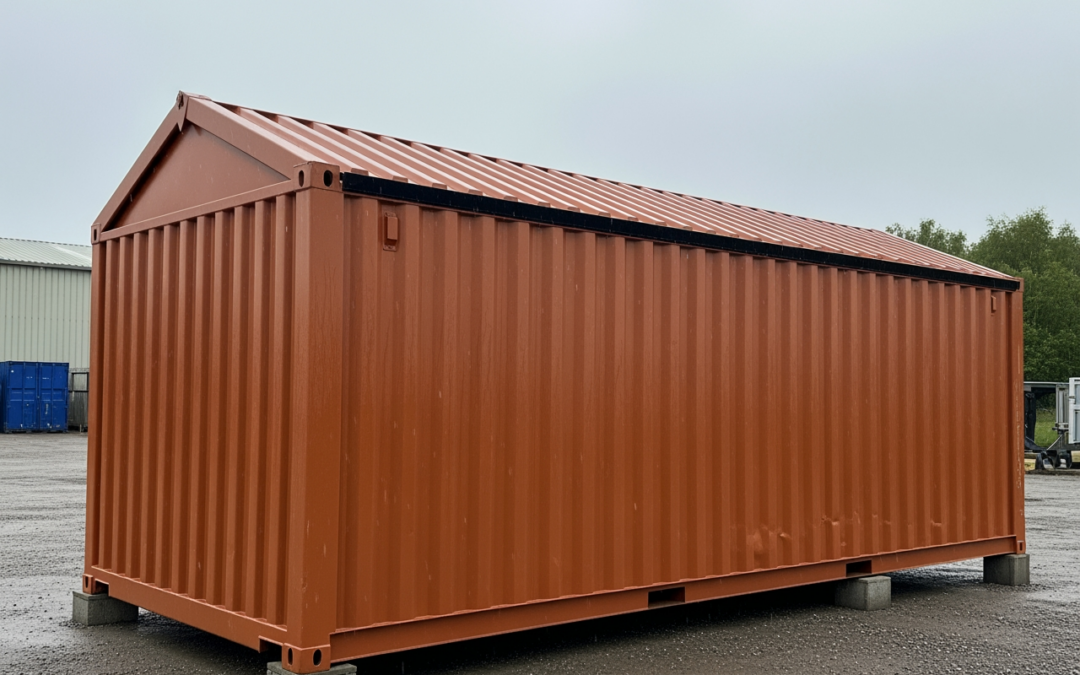
The British weather certainly keeps us on our toes. One moment might offer pleasant sunshine, and the next could see us preparing for an unexpected downpour or gust. This variability underscores a crucial point for anyone using shipping containers for storage: the need for robust preparation. Whether safeguarding valuable tools, business inventory, a cherished classic car, or a lifetime of memories, understanding that “a bit of weather” can pose a significant threat is paramount. These steel structures are engineered for toughness, designed to cross oceans, yet even the hardiest unit benefits from thoughtful preparation to truly stand against the increasingly unpredictable and sometimes extreme weather conditions experienced across the UK. This is where the process of preparing shipping containers for long-term resilience becomes an essential practice.
More Than Just a Steel Box: Why Your Container Needs a Foul-Weather Friend
It is easy to assume a shipping container is inherently invincible. While they are incredibly robust, the distinction between a container that merely survives harsh weather and one that thrives, keeping its contents perfectly safe and sound year after year, lies in proactive care and intelligent preparation.
The Unpredictable British Climate and Its Impact
Recent years have shown us everything from the “Beast from the East” to summer flash floods that transform streets into temporary rivers. These events are stark reminders that our climate can deliver serious challenges. We are observing trends towards hotter summers, wetter winters, and more frequent high-wind events. These are not just minor inconveniences; they are genuine threats to anything left exposed or inadequately prepared, including the trusty shipping container relied upon for secure storage. Complacency can be a risk, as the one time preparations are overlooked is often when an extreme weather event occurs.
What’s At Stake? Understanding the Real Cost
Consider the value of what is entrusted to your container. For a small business owner, this could mean thousands of pounds worth of stock, critical equipment, or vital archived documents. For a hobbyist, it might involve irreplaceable collectables or specialised tools. For a family, it could be furniture and sentimental items stored during a house move or renovation. Potential damage from water ingress, severe condensation, rust perforation, or even structural compromise due to high winds or snow load extends beyond the container itself; it concerns the potential loss of what is inside. The expense of repair or replacement often significantly outweighs the investment in preventative measures for weatherproof containers.
Our Goal: Fortifying Your Container for the Long Haul
This guide aims to empower you with practical, advanced knowledge. We will explore the detailed aspects of preparing shipping containers to face whatever the elements may bring. The objective is to help you create genuinely weatherproof containers that stand strong for years, ensuring your assets remain secure and protected. At Newbury Self Store, we champion the importance of secure and resilient storage, and we are pleased to share our expertise with you.
The Foundation of Resilience: Choosing and Siting Your Container Wisely for optimal weather protection
Before addressing specific weatherproofing techniques, establishing the basics correctly – the container itself and its placement – accounts for a significant part of successful preparation.
Not All Steel is Created Equal: Selecting the Right Grade of Container
The initial quality of your shipping container plays a substantial role in its long-term durability. Most shipping containers are constructed from COR-TEN steel, also known as weathering steel, designed to form a stable, rust-like appearance after exposure to weather, which then inhibits further corrosion.
- New Containers: Often termed “one-trip” containers, these have made a single journey from their manufacturing country carrying cargo. They represent the nearest to new condition available and provide an excellent baseline for creating weatherproof containers.
- Used Containers: These units will have experienced more operational use. They are available in various grades (e.g., wind and watertight (WWT), cargo-worthy (CW)). While offering a more budget-friendly option, they necessitate a thorough inspection. Focus on identifying excessive rust, particularly on the roof and underfloor, check the quality of previous repairs, and ensure the doors seal correctly. A cheaper container requiring immediate, extensive repair is not a cost-effective solution. A structurally sound unit is your best starting point. When exploring options, you might consider our Container Storage solutions, where we ensure the quality of the units available, potentially saving you considerable effort in initial assessments.
Location, Location, Location: Strategic Placement for Optimal Protection
Even the best-prepared container can be vulnerable if sited poorly, for example, in a known floodplain or an area prone to high winds.
- Elevation and Drainage: This is critical. Always aim to position your container on slightly elevated ground where water naturally drains away. Avoid low-lying areas where puddles form.
- Prevailing Winds: If feasible, orient your container so its narrow end faces the prevailing wind, reducing stress on the structure.
- Access: Consider ease of access to the container, even during poor weather conditions.
- Ground Preparation: Avoid placing your container directly onto bare earth. A base of gravel, railway sleepers, paving slabs, or a concrete pad provides a stable, well-drained foundation, significantly extending its life. This is a key step in preparing shipping containers for longevity.
To Anchor or Not to Anchor? Securing Against Gales and Gusts
While a shipping container’s substantial weight provides inherent stability, anchoring offers an additional layer of security in areas prone to high winds or for containers in exposed locations.
- When is Anchoring Essential? If your container is in a coastal area, on high ground, or in a region known for severe gales, anchoring is highly recommended.
- Anchoring Methods: Options include concrete piers, ground screws, or helical anchors.
The Armour Kit: Proactive steps for preparing shipping containers Against the Elements
With a good quality container sited correctly, the next stage is to implement specific measures that will transform it into a truly weatherproof haven.
Sealing the Deal: Making Your Container Watertight
Water ingress is a primary concern. Even minor leaks can lead to significant damage over time.
- Door Seals: These are frequent points for water entry. Inspect the rubber seals around the doors thoroughly for cracks, perishing, or tears.
- Patching Up: Inspect the entire container, especially the roof and upper walls, for any existing holes or compromised areas. Small holes can often be sealed with high-quality marine-grade sealant; larger damage may require welding.
- Advanced Roofing Solutions: The roof bears the brunt of weathering.
- Reflective Paints: Applying a light-coloured reflective roof coating can reduce heat absorption, keeping the interior cooler.
- Elastomeric Coatings: These create a seamless, rubber-like membrane, excellent for waterproofing and sealing minor cracks.
The Battle Against Rust: Your Long-Term Foe
Rust is a persistent issue in damp climates. While COR-TEN steel has protective properties, rust still needs management.
- Identifying Rust: Look for flaking, scaling rust, or areas where metal feels thinner.
- Proper Rust Treatment: Simply painting over rust is ineffective. Remove loose rust, apply a rust converter, prime with a zinc-rich primer, and finish with high-quality marine-grade paint.
- Preventative Measures: Regular inspections help catch rust spots early.
Breathing Lessons: Mastering Ventilation and Tackling Condensation
Condensation can occur when warm, moist air contacts cold metal surfaces inside the container, leading to dampness and mould.
- Why Condensation is the Silent Enemy: A watertight container can still suffer from internal dampness due to condensation.
- Types of Vents: Standard vents are often insufficient. Consider additional static vents or wind-powered whirlybirds to improve airflow.
- The Role of Insulation: Insulating a shipping container is highly effective against condensation. It helps regulate internal temperatures, which is beneficial whether for sensitive items related to our Business Storage solutions or personal effects. Furthermore, good internal organisation is key; ensuring items are packed well, perhaps using supplies from our Packaging range, can protect them from ambient moisture and improve airflow around them.
- Strategic Use of Desiccants and Dehumidifiers: For sensitive contents, moisture-absorbing desiccants or dehumidifiers can be useful.
Strengthening the Core: Ensuring Structural Integrity Endures
Containers can suffer structural damage over time.
- Regular Checks: Look for warping, significant new dents, or signs the container is not level.
- Professional Assessment: For significant structural issues, seek professional advice.
Preparing for Specific Weather Onslaughts: A tactical approach
General weatherproofing is the baseline, but certain extreme weather events demand specific considerations when preparing shipping containers.
Facing the Floods: Defences Against Deluges and Downpours
Flooding is an increasing concern.
- Reinforce Low-Level Seals: Pay extra attention to door bottoms and low-level vents.
- Internal Elevation: Store valuable items on pallets or shelving to keep them off the floor.
- Understand Local Flood Risks: Check Environment Agency flood maps.
Bracing for Blizzards and Bitter Cold: Snow Loads and Ice Issues
Heavy snowfall can add significant weight to container roofs.
- Roof Load Capacity: Be aware of your container’s roof load limits.
- Clearing Snow: Carefully clear heavy snow from the roof.
- Protecting Locks and Hinges: Lubricate locks and hinges to prevent freezing.
Taming Tempests: Strategies for High Winds and Storms
Anchoring is key, but other points are also crucial.
- Door Security: Ensure doors are securely latched and locked.
- External Attachments: Secure or remove any temporary external attachments.
- Anchors: Visually check anchors before predicted high winds.
Surviving the Scorch: Mitigating Extreme Heat
Prolonged heat can turn a container into an oven.
- Reflective Roofing: This is highly effective in reducing heat.
- Ventilation: Ensure vents are clear and functioning.
- Contents Consideration: Be mindful of heat-sensitive items, whether they are part of your Personal Storage needs or business assets.
Long-Term Stewardship: Maintenance for Enduring Durability
Preparing shipping containers effectively is not a one-off task; it is an ongoing commitment to ensure they remain weatherproof containers and serve you well for decades.
The Art of the Routine Check-Up: Your Maintenance Schedule
Regular attention makes a significant difference. Aim for at least two thorough inspections a year, typically in spring and autumn.
- Seasonal Inspection Checklist: Include roof, walls, doors, seals, base, vents, and interior checks.
- Keep a Log: Noting inspections and minor repairs helps track condition.
Cleanliness is Next to Godliness (and Weatherproof-ness!)
- Clear Debris: Regularly clear leaves and debris from the roof and around the base.
- Wash Down: An occasional wash removes corrosive deposits and grime.
A Stitch in Time: Addressing Minor Issues Before They Escalate
Address small problems promptly. Treating a small rust patch or replacing a worn seal early is far easier and cheaper than dealing with major subsequent damage.
Beyond Your Own Efforts: When to Call in the Pros or Consider Managed Solutions
While many aspects of container preparation can be managed personally, there are times when professional assistance or alternative solutions are more appropriate.
Recognising Limitations
Significant structural damage or complex modifications are often best left to professionals.
The Benefits of Professional Container Services
Specialist companies can perform thorough and durable repairs for complex issues.
The Peace of Mind with Secure, Well-Maintained Sites
Using a dedicated facility can be the simplest way to ensure your belongings are in a top-condition, weatherproof environment. For instance, when you explore our Container Storage options, you benefit from a professionally managed and maintained site. The groundwork is optimised for drainage, the containers are typically of a high standard, and comprehensive site security is usually in place. This offers an excellent solution whether you are a business requiring dependable Business Storage or an individual seeking secure Personal Storage, providing the advantages of a weatherproof container without the direct maintenance responsibilities.
Your Container, Your Castle: Final Thoughts on Weathering Any Storm
Your shipping container represents a significant asset. With the right preparation and ongoing care, it can provide secure, weatherproof storage for many years. By understanding potential weather threats, taking proactive steps in selection, siting, and sealing, and committing to regular maintenance, you transform a simple steel box into a robust defence for your valuables.
Investing time and effort into preparing shipping containers is an investment in peace of mind. Knowing your possessions are well-protected allows you to concentrate on other priorities. These strategies will help ensure your unit remains one of the most reliable weatherproof containers available.
If this discussion on preparation and maintenance has sparked further questions, or if you are seeking a straightforward, secure, and professionally managed storage solution where the upkeep of the site and container is handled for you, we are always available to chat. Here at Newbury Self Store, we pride ourselves on offering top-notch storage options. We encourage you to Contact Us to discuss your specific requirements; we would be delighted to help you find the perfect, weatherproof solution.