
 01635 581 811
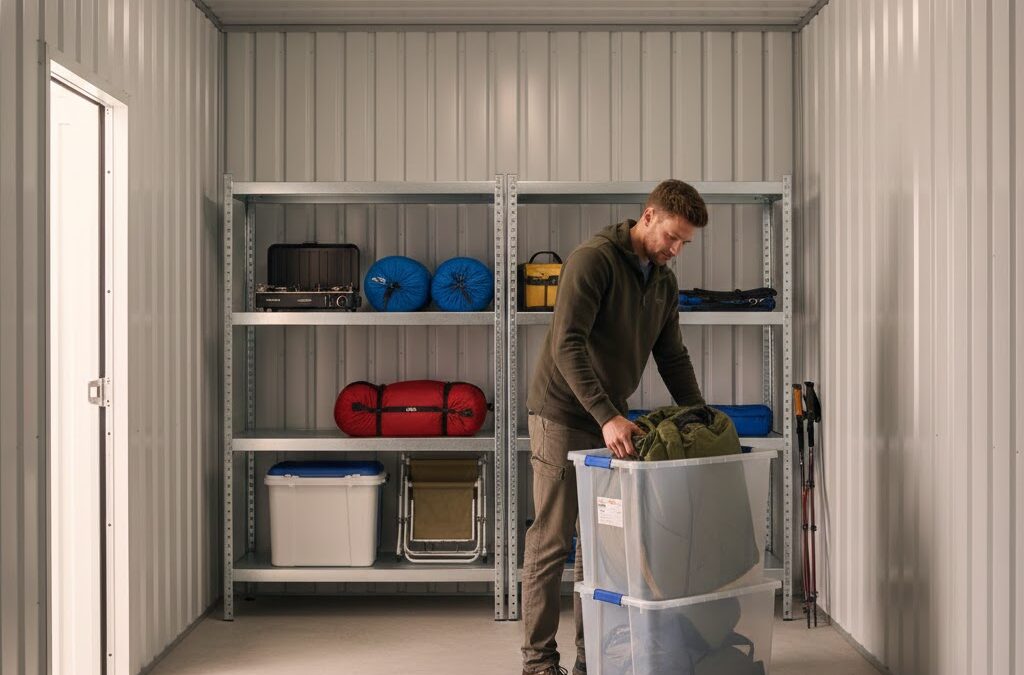
You’ve had a fantastic time out on the trail or under the stars, but the adventure isn’t over until your gear is properly stored. It’s crucial to get your camping equipment storage right to protect your valuable investment and guarantee it’s ready for the next trip. Avoiding common mistakes like packing damp items is essential for preventing mould and mildew, which can ruin expensive tents and sleeping bags. This guide will walk you through the necessary steps for cleaning, organising, and choosing the perfect off-season storage solution in the Newbury area.
Why Prioritising Gear Longevity Matters
Think of your camping gear as a significant investment you want to protect for years to come. Poor storage practices are the main culprits behind degradation, leading to rust, fabric damage, and weakened seams. Imagine pulling out your high-performance tent next season only to find the zips corroded; it’s a frustrating and costly end to a new beginning.
Getting your camping equipment storage sorted also simplifies your life immensely. When you know exactly where everything is kept, you can pack up quickly and hit the road in a flash without the frantic search for a missing component. This organisation saves time and hassle, reinforcing why a reliable storage solution is so valuable.
An improper approach to storing high-performance equipment is comparable to leaving a valuable book in a leaky shed. The physical shape might remain, but the creeping moisture will quickly degrade the integrity of the material, leaving it fragile and ultimately unusable.
Essential Preparations: Cleaning and Drying
Before you even consider putting anything away, a thorough cleaning is absolutely essential. This preparation ensures you store outdoor gear in its best possible condition, ready for the long rest. Ignoring this stage is the quickest way to invite destructive pests and serious moisture-related issues into your expensive gear.
Handling Dirt and Residue
For fabric items, brush off all loose, dried dirt immediately after returning home. Use a soft brush or a damp cloth to wipe down tent surfaces and rucksacks. If a deeper clean is necessary, always opt for specialised outdoor gear cleaners rather than harsh household detergents. Strong chemicals can strip away necessary protective coatings, compromising your gear’s performance and lifespan.
The Critical Drying Procedures
This is arguably the most important step in proper camping equipment storage. Every single item must be bone-dry before being packed away, or you risk permanent damage from mould and mildew. Hang tents, sleeping bags, and backpacks in a well-ventilated space, ideally for a few days, even if they feel dry to the touch. It’s often moisture trapped deep in seams or insulation layers that causes the most long-term trouble once packed away.
Storing Fabric Items: Tents, Sleeping Bags, and Rucksacks
These soft goods require specialised handling because their long-term performance relies entirely on the integrity of their materials and insulation. Correct preparation ensures the internal structure isn’t damaged, preserving its essential thermal and waterproof properties.
Preparing the Tent for Storage
Once clean and perfectly dry, store your tent loosely in a breathable storage sack, not the original compression stuff sack. Packing the tent too tightly long-term can damage the fabric coatings and prematurely weaken the shock cords in the poles. It’s also wise to store tent poles and metal pegs separately in a mesh bag to prevent them from potentially snagging or puncturing the delicate tent material.
Preserving Sleeping Bag Insulation
Never, under any circumstances, store a sleeping bag compressed in its small stuff sack. Constant compression severely damages the loft, which is the insulation’s ability to trap warm air, rendering it far less effective when you need it. Instead, store it loosely in a large cotton storage bag or hang it in a cupboard, allowing the fill to breathe and fully recover its volume. This simple action significantly prolongs the bag’s useful life and keeps you warm on future expeditions.
Caring for Rucksacks and Footwear
Ensure backpacks are empty and any internal pockets are free of crumbs, dirt, or debris. Wipe down the external fabric and frames with a mild solution and let them air dry thoroughly, ideally upside down. For hiking boots, clean the mud off, treat the leather or fabric as needed, and store them away from direct heat to prevent the materials from drying out or cracking. If you need dedicated containers, specialist furniture covers, or high-quality packaging supplies for protection, you’ll find a wide range of options available.
Decommissioning Hard Gear: Stoves, Cookware, and Electronics
These items are prone to mechanical failure, rust, corrosion, and safety issues if not correctly prepared for storage. Proper cleaning and decommissioning protects the mechanical components and ensures safe use when you unpack them next season.
Dealing with Fuel and Batteries
It’s vital to remove all fuel from portable stoves and lanterns before you store outdoor gear. Leaving fuel in the lines can lead to clogs or deterioration of the seals and gaskets, making the unit unsafe or unusable. Similarly, remove all batteries from flashlights, GPS units, and headlamps. Batteries left inside gear for long periods can leak and cause irreparable corrosive damage to the electrical contacts.
Preventing Rust and Corrosion
Wash and thoroughly dry all cookware, utensils, and metallic gear immediately, paying close attention to small hinges or screws. To prevent rust on cast iron or metal cooking surfaces, you can lightly coat them with a food-safe oil before wrapping them for storage. This diligence is essential, as illustrated by a customer who ran an adventure tour company. He once stored a portable burner without removing the fuel, and the valve was completely sealed with dried residue the next spring.
Organising for Efficient Off-Season Storage
Now that everything is clean and dry, the final step is to organise it logically. A well-organised system saves you hours of searching and maximises the available space, whether that’s in your spare room or a dedicated storage unit.
Grouping and Labelling
Utilise shelving units or stackable, clear containers to make the most of vertical space. Group similar items together: all sleeping bags in one bin, all cooking equipment in another, and tent components in a third. Label everything clearly and specifically; instead of simply writing “Camping Gear,” specify “Cooking & Lanterns” or “Sleeping Bags & Pads.” This method ensures that if you only need one category of gear, you don’t have to disturb the others in your storage space.
When to Consider Professional Self-Storage
While domestic storage works for some, many outdoor enthusiasts find themselves needing a dedicated, high-quality solution away from home. Professional facilities offer the perfect environment for protecting your gear and reclaiming valuable home space.
Reclaiming Home Space and Decluttering
If you’re living in a small flat or a property without a dry garage, bulky gear can quickly take over common areas. Moving your large, seasonal items into a secure personal storage unit is a highly effective way to declutter your home. Having a dedicated, secure space for camping, holiday, and recreational equipment makes a huge difference to daily living.
Take the example of the Johnson family. They struggled to fit their large family tent, paddleboards, and seven sleeping bags into their small rented house. By choosing long-term storage, they kept their home clutter-free and ensured their adventure gear remained in top condition.
The Security and Climate Advantage
Storing high-value gear like top-tier tents or expensive electronics requires robust protection. Professional storage facilities offer security features far exceeding a typical shed, including 24/7 CCTV monitoring and individual entry codes. Choosing a unit that offers appropriate environmental conditions is the ideal way to store outdoor gear safely, protecting high-tech fabrics from temperature extremes.
Flexibility for Seasonal Users
Many facilities offer highly flexible contracts, allowing you to rent a unit just for the off-season months. If you’re storing vast amounts of bulky equipment like kayaks or large festival setups, robust container storage provides excellent capacity and easy drive-up access. This scalable approach is particularly popular with small businesses, who use cost-effective business storage options to manage seasonal stock.
Choosing Your Ideal Storage Solution
The right unit size depends entirely on the scale of your adventures. Are you storing one backpacking tent and a couple of bags, or a complete setup including bikes and full recreational gear? But how do you really know what size storage unit will best accommodate your collection of gear and luggage?
A small 15 sq ft unit, about the size of two large wardrobes, is usually enough for individual campers. A larger 50 sq ft unit, often compared to the size of a standard UK garden shed, can comfortably hold a large family tent and all accompanying furniture.
The ultimate solution when planning your camping equipment storage is to group all your items together and then speak to an advisor. You might be surprised by how efficiently you can pack your gear with the right advice. If you’re ready to secure a safe, dry, and easily accessible space for your seasonal or long-term storage needs, the team is here to help you select the ideal size. You’re welcome to contact us to discuss your requirements and get a competitive quote.