
 01635 581 811
Life often presents scenarios that require us to carefully consider how we manage our belongings, especially when facing a significant life change such as a year-long work assignment abroad, a major house downsize, or the strategic storage of business inventory while a start-up finds its footing. Whatever your specific reason for needing to stow possessions away for a considerable duration, you have arrived at a helpful resource. This is your comprehensive guide to packing for long-term storage. It is indeed a different discipline compared to hastily boxing things for a short weekend move. When approached correctly, your efforts will ensure that your items emerge months or even years later in the same condition as when you entrusted them to storage. Here at Newbury Self Store, we have extensive experience with these situations, and we are committed to guiding you towards achieving genuine long-term storage protection for your valued possessions.
Understanding Why Packing for Long-Term Storage Demands a Special Approach
You might initially think that all storage packing is fundamentally the same. While there’s an element of truth in “packing well,” the definition of “packing well” shifts significantly when comparing a few weeks of storage to a commitment of several years. Imagine your belongings resting quietly and unattended. Over many months, they face potential, almost invisible adversaries: the insidious creep of humidity, the subtle stresses of expansion and contraction due to temperature fluctuations (even within the UK), the gradual accumulation of dust, the unwelcome attention of pests, and the unyielding pressure from improperly stacked items.
Attempting to cut corners in this preparatory phase is not merely a gamble; it is an open invitation to potential damage, degradation, and, ultimately, profound disappointment when you eventually unlock your unit. The objective extends beyond simply storing your items; it is about meticulous preservation. Consider this process akin to preparing items for a time capsule; your aim is for them to emerge perfectly, ready for their next chapter in your life or business.
Your Essential Toolkit: Gathering the Right Materials for Superior Long-Term Storage Protection
This is certainly not the occasion to rely on flimsy supermarket carrier bags or the collection of dog-eared boxes from your recent online purchases. When you are focused on packing for long-term storage, the calibre of your materials is of paramount importance. These materials form your primary defence against the rigours of time.
The Foundation: Boxes Engineered for Durability
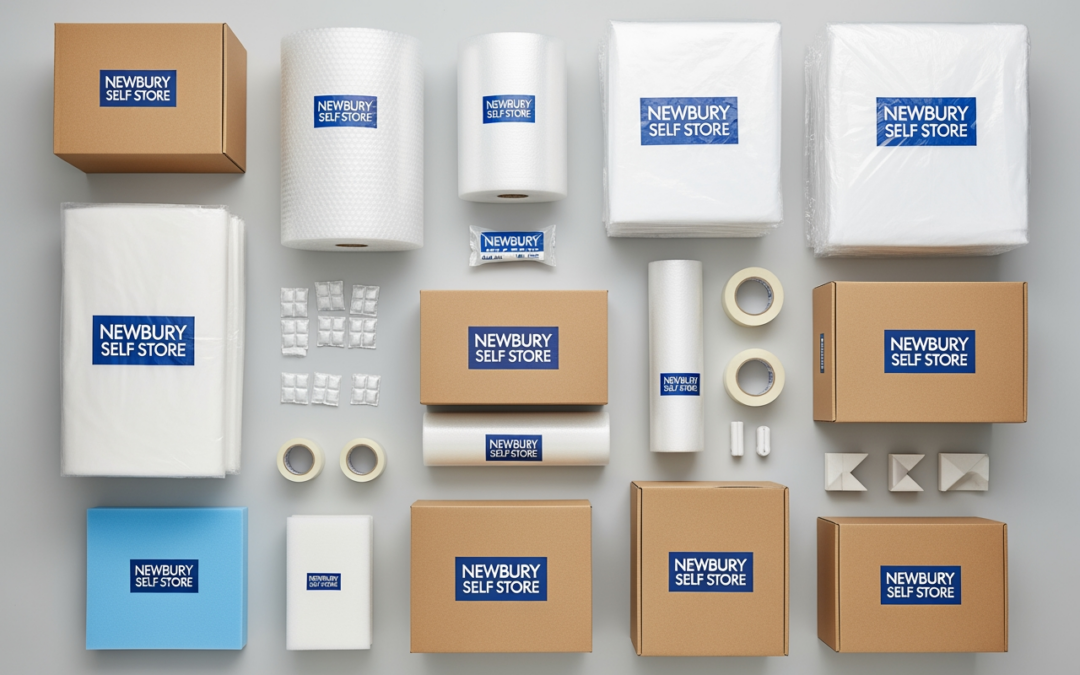
Think of your boxes as robust, miniature fortresses, each safeguarding its contents. Double-walled cardboard boxes are your most reliable allies here; their resistance to crushing is far superior to that of single-walled alternatives, a crucial factor when boxes are stacked. It is wise to procure a variety of sizes: smaller boxes are ideal for heavy items like books (a kindness to your back!), medium-sized ones suit general household goods, and larger boxes are perfect for lighter, more voluminous items such as linens or cushions. For those wondering where to obtain such dependable supplies, you can explore a comprehensive assortment of quality packing materials, including various box sizes and protective wraps, directly from our Newbury Self Store Packaging selection, ensuring you begin your packing process with the right equipment.
Cushioning Champions: Bubble Wrap and Packing Paper
Bubble wrap is renowned for the satisfying pop of its bubbles and its exceptional protective qualities. Investing in good quality bubble wrap is advisable; use larger bubbles for bigger items and smaller bubbles for more delicate pieces. However, do not underestimate its steadfast companion: packing paper. Plain, unprinted packing paper, ideally acid-free for direct contact with delicate surfaces or photographs, is exceptionally useful for wrapping individual items, scrunching to fill empty spaces within boxes (thus preventing items from shifting during transit or storage), and providing a soft, protective buffer layer.
Protective Wraps and Covers: Shielding Your Larger Investments
Your sofa, mattress, and antique wardrobe deserve more protection than being left exposed, even within the confines of a storage unit. Breathable furniture covers are specifically designed to shield against dust and minor knocks whilst allowing essential air circulation, which helps prevent the development of musty odours. For an additional protective layer on the floor of your storage unit, or to loosely drape over items to prevent dust accumulation, heavy-duty plastic sheeting or tarps can be employed. A word of caution is pertinent here: always ensure adequate airflow, as tightly sealed plastic can inadvertently trap moisture, leading to potential issues.
Sealing the Deal Securely: Tapes and Markers
Once you have carefully packed a box, the next step is to seal it securely. This is not a task for your leftover Christmas sticky tape! You require strong, wide packing tape, typically brown or clear PVC/polypropylene tape. Employ the ‘H-tape’ method for maximum strength: seal the centre seam first and then seal across both ends. As for markers, invest in good quality permanent markers. Clear, bold labelling is an invaluable aid for your future self when you need to locate specific items.
The Critical Defence Against Moisture: Desiccants for Long-Term Storage Protection
This is a particularly significant consideration for effective long-term storage protection. Moisture is a formidable enemy to many materials. Silica gel packets, those small sachets frequently found in new shoeboxes or electronics packaging, are extremely beneficial. You can purchase larger versions of these or other specialised desiccant products designed to absorb ambient moisture within your boxes or even within your storage unit itself, especially if the unit is not climate-controlled.
Additional Containment and Organisational Aids
- Stretch Wrap: This can be useful for keeping drawers shut on a chest of drawers (after emptying them, of course!), or for bundling awkward items like poles or disassembled furniture components together. Again, remain mindful of the potential for trapping moisture on sensitive surfaces if wrapped too tightly for too long.
- Wardrobe Boxes: These tall boxes, equipped with a hanging rail, are excellent for clothing items you prefer not to fold, such as suits, coats, or dresses, helping them maintain their shape.
- Inventory System: Whether you opt for a dedicated mobile app, a detailed spreadsheet, or a traditional notebook and pen, the creation of an inventory is essential. Meticulously list the contents of each numbered box. You will be incredibly grateful for this foresight when you need to retrieve a specific item months or years down the line.
Mastering the Methods for Packing for Long-Term Storage: Advanced Techniques for Item-Specific Long-Term Storage Protection
Possessing the correct equipment is only part of the equation; knowing how to utilise it effectively is what truly distinguishes a well-prepared storage endeavour. This is where you can elevate your approach to packing for long-term storage from basic to expert level. Let us examine specific item categories:
Furniture: Preserving Your Prized and Practical Pieces
- Wooden Wonders: Clean all wooden furniture thoroughly. Apply a high-quality polish or wax to create a protective barrier against moisture and dust. If feasible, disassemble larger items like bed frames or tables, ensuring all screws, nuts, and bolts are kept in a clearly labelled bag taped securely to the main component. Wrap table legs and protect vulnerable corners with bubble wrap or sections of cardboard. Avoid placing other items directly onto polished wooden surfaces to prevent scratches.
- Upholstered Comforts: Sofas, armchairs, and mattresses should ideally be professionally cleaned, and then allowed to dry completely – and it is crucial that they are completely dry. Even a trace of dampness can foster mildew growth over an extended period. Use breathable furniture covers designed for storage. Never store a mattress directly on the floor; instead, place it on a protective plastic sheet or, ideally, on pallets to allow airflow underneath.
- Metal and Other Materials: Clean metal items carefully to prevent rust or tarnishing. A light application of an appropriate protective oil can safeguard some metals. For outdoor furniture, ensure it is impeccably clean and entirely dry before storing.
Electronics and Appliances: Careful Handling of Technology and Household Titans
- If you still possess the original boxes and internal packaging for your television, computer, or stereo system, these are always the best option as they were specifically designed for optimal protection during transit. If not, select sturdy boxes and use generous amounts of anti-static bubble wrap for sensitive electronic components.
- Always remove batteries from remote controls, toys, and any other battery-operated devices. Leaking batteries can cause severe and often irreparable damage to the items they are housed in.
- Coil cables neatly and label them clearly; a tangled mass of unidentified wires is a frustrating problem to solve later. Secure them with cable ties or tape.
- For large appliances such as fridges, freezers, and washing machines, the golden rule is: clean, clean, clean, and then dry, dry, dry. Defrost fridges and freezers thoroughly, wipe them down internally and externally (including door seals) with a mild baking soda solution to help prevent odours, and then prop the doors slightly ajar to encourage air circulation and prevent mould. Secure any loose parts, like washing machine drums (using transit bolts if you still have them from the original purchase), and ensure all hoses are completely drained of water.
Fabrics of Your Life: Protecting Clothing, Linens, and Sentimental Textiles
- Every single piece of clothing, bedding, or linen must be freshly laundered and meticulously dried before being packed away. Residual body oils, unnoticed food stains, or even lingering perfume can attract pests or cause discolouration and fabric degradation over time.
- For highly delicate items such as wedding dresses, silk scarves, or antique lace, interleave them with acid-free tissue paper to provide a gentle, protective barrier.
- The question of vacuum-sealed bags often arises. They are undeniably brilliant for saving space, particularly with bulky items like duvets and pillows. However, for natural fibres like wool or silk that are being stored for a very long term, some textile experts suggest that these fibres benefit from being able to ‘breathe’ a little. If you do choose to use vacuum bags, ensure items are absolutely bone dry before sealing. Wardrobe boxes offer a great alternative for garments you wish to keep hung and less compressed.
- Consider using natural pest deterrents such as cedar blocks or lavender sachets. Avoid direct contact between these deterrents and the fabrics themselves.
The Library and The Archive: Safeguarding Books, Photographs, and Documents
- Paper is particularly susceptible to yellowing, foxing (the appearance of brown spots), and damage from insects. Using acid-free boxes is essential for the long-term preservation of books, important documents, and cherished photographs.
- Pack books either spine down or flat in small, manageable boxes to avoid placing undue stress on their bindings. Do not cram them in too tightly. Interleave precious or antique photographs and important documents with acid-free paper.
- For truly irreplaceable photographs and documents, consider digitisation as an additional backup measure. Store these digital copies securely in multiple locations (e.g., cloud storage and an external hard drive).
Kitchenalia and Fragile Friends: Packing Glassware, China, and Collectibles with Care
- This is an area where your patience and attention to detail will be significantly rewarded. Wrap every single glass, plate, and delicate ornament individually in packing paper or bubble wrap.
- Specialised cell kits or dish packs, which come with cardboard dividers, are an excellent investment for protecting glasses and plates.
- Line the bottom of boxes designated for fragile items with a generous layer of scrunched-up paper or bubble wrap. Place heavier fragile items at the bottom and lighter ones on top. Critically, fill all empty spaces with more packing material to prevent any movement or shifting within the box.
- And yes, label these boxes clearly and boldly with “FRAGILE” on all sides and on the top!
Canvases and Reflections: Storing Artwork and Mirrors Correctly
- Invest in proper mirror or picture boxes if you are storing valuable or large pieces; these are specifically designed to provide robust, tailored protection.
- Never allow bubble wrap to come into direct contact with the surface of an oil painting or delicate print; use a layer of acid-free paper or glassine first as a barrier.
- Cardboard corner protectors are a small, inexpensive detail that can provide significant impact protection.
- Always store artwork and mirrors upright (on their longest edge where practical), never flat. Storing them flat for extended periods can put undue pressure on the canvas or glass.
The Workshop and The Shed: Preparing Tools and Outdoor Gear for Storage
- Clean all tools meticulously. Remove any rust and apply a thin coat of machine oil or a suitable rust inhibitor to metal parts to prevent corrosion during storage.
- Ensure you drain all fuel and oil from any petrol-powered equipment, such as lawnmowers or strimmers, as fuel can degrade and cause engine problems.
- Wrap any sharp edges or points carefully to prevent them from damaging other stored items or posing a safety risk when handling the boxes.
The Grand Organisational Plan: Strategic Packing and Labelling for Future Sanity and Easy Retrieval
You have sourced the right materials and mastered the protection techniques. Now, let us consider the overarching strategy for efficient packing and labelling.
- Apply the Goldilocks principle to your boxes: they should not be so heavy that they cannot be lifted safely, nor so light that they are mostly empty space (which can lead to boxes collapsing when stacked). A sensible rule of thumb is not to pack any box heavier than you can comfortably and safely lift.
- Distribute weight evenly within each box to maintain stability.
- This is a crucial step: label every single box comprehensively and clearly. Do not simply write “Kitchen.” Be more specific, for example: “Box #12 – Kitchen – Everyday Mugs & Glasses – FRAGILE.” Include the room it originally came from (or is destined for upon retrieval) and a general list of its contents.
- Your master inventory list will become your indispensable treasure map. As you seal each box, note its assigned number and a more detailed summary of its contents on your list. When you need to find that one specific item six months or two years later, you will avoid the frustrating task of opening twenty random boxes.
Setting the Stage: Preparing Your Chosen Storage Unit for Optimal Item Safety
Before you begin the process of moving your meticulously packed boxes into their temporary home, take a moment to prepare the storage unit itself.
- Give the unit a thorough sweep out. You want the environment to be as clean as possible before you introduce your belongings.
- Consider laying down heavy-duty plastic sheeting or, even better, wooden pallets on the floor of the unit. This simple step creates a small but vital air gap, offering additional long-term storage protection from any potential ground moisture and significantly improving airflow around your items.
- Plan your layout within the unit carefully. Think about which items you might conceivably need to access (if any) during the storage period and try to place those boxes or items closer to the door. If your unit is large enough, create aisles or walkways; this not only allows air to circulate more freely but also makes it much easier to reach items stored further back without having to move everything.
- Always stack heavier, sturdier boxes at the bottom of any stacks, with lighter, more fragile boxes placed on top. Do not stack boxes too high, as this can exert immense pressure on the bottom boxes, leading to crushing and potential damage.
Choosing Your Fortress for Long-Term Storage Protection: Why the Right Facility is Half the Battle
All your diligent packing efforts can be significantly undermined if your chosen storage facility does not meet certain standards. Selecting the right facility is a critical component of your overall long-term storage protection strategy.
- Look for robust security features. These should include good, bright lighting throughout the facility, comprehensive CCTV coverage, secure access controls (such as PIN codes or key fobs), and well-maintained perimeter fencing.
- Cleanliness and proactive pest control should not be mere afterthoughts; they should be clearly evident aspects of the facility’s regular maintenance.
- Consider the option of climate control. For items that are highly sensitive to fluctuations in temperature and humidity – such as antique wooden furniture, delicate electronics, valuable artwork, important paper documents, or musical instruments – a climate-controlled storage unit is a very wise investment for long-term care.
- At Newbury Self Store, we provide a variety of storage solutions designed to meet diverse requirements. Our Personal Storage units are perfectly suited for household goods, furniture, and those personal collections you need to keep safe during life’s various transitions, offering a secure and clean space. If you are a business owner, our Business Storage options can readily accommodate company archives, surplus stock, tools, or equipment, ensuring they are kept secure and remain accessible when needed. For particularly bulky items, or for situations where convenient drive-up access is a priority, our Container Storage units offer an excellent, highly durable solution. Opting for a professional, well-maintained facility like ours means you are partnering with a provider who understands and prioritises the protection of your belongings.
The Definitive No-Go Zone: What Absolutely Should Not Be Placed Into Long-Term Storage
While it might seem like common sense, it is always beneficial to review the list of items that should never be put into long-term storage:
- Perishables: This includes absolutely no food of any kind, not even tinned goods (as they can bulge, rust, or leak over time). Live plants are also prohibited.
- Hazardous Materials: This category encompasses anything flammable, corrosive, explosive, or toxic. Common examples include paints, solvents, fuels, certain cleaning chemicals, fireworks, and aerosols under high pressure.
- Irreplaceable Items of Extreme Sentimental or Financial Value: While we take every possible precaution to ensure the security of our units, for items that are truly priceless to you (such as unique family heirlooms for which no monetary value could compensate), you might consider whether specialist archival storage, a bank safety deposit box, or keeping them with a trusted friend or family member would be a more appropriate solution.
- Pest-Magnets: Avoid storing anything that could decompose, rot, or otherwise attract insects or rodents. Ensure all items, particularly fabrics and kitchenware, are impeccably clean before packing.
The Final Pre-Lockup Check: One Last Thorough Look Before You Secure the Unit
You are almost at the finish line! Before you slide that unit door shut and engage the lock, take a moment for a final, comprehensive check:
- Walk through the unit one last time. Are all the boxes stable and secure? Is anything leaning precariously or at risk of toppling?
- Quickly double-check your inventory list against the boxes you see in the unit. This is a good time to ensure your list is accurate and complete.
- Confirm that we, the storage facility, have your most current and correct contact details on file.
- It is also prudent to consider insurance. Your existing home insurance policy might offer some level of cover for goods in storage, or you may find that we offer specific storage insurance plans. This provides an additional, valuable layer of peace of mind for your long-term storage protection.
Parting Thoughts: The Enduring Future Value of Today’s Diligent Efforts
It is undeniable that properly packing for long-term storage requires a significant investment of both time and effort. However, we can assure you that when the day eventually comes to retrieve your belongings – whether it is to furnish a new home, equip an expanding business, or simply to be reunited with cherished possessions – and you find them in the same excellent condition in which you left them, you will be immensely glad you dedicated yourself to the task. That profound peace of mind, knowing your items are safe, sound, and well-preserved, is truly invaluable.
Are you ready to embark on your storage journey, or perhaps you have a few more questions about the best way to protect your items? The friendly and experienced team here at Newbury Self Store is always on hand to offer expert advice, help you select the most appropriate unit size for your needs, or get you started with our range of top-quality packing supplies. Please do not hesitate to get in touch with us; we are here to make your long-term storage experience as smooth, secure, and successful as possible!