
 01635 581 811
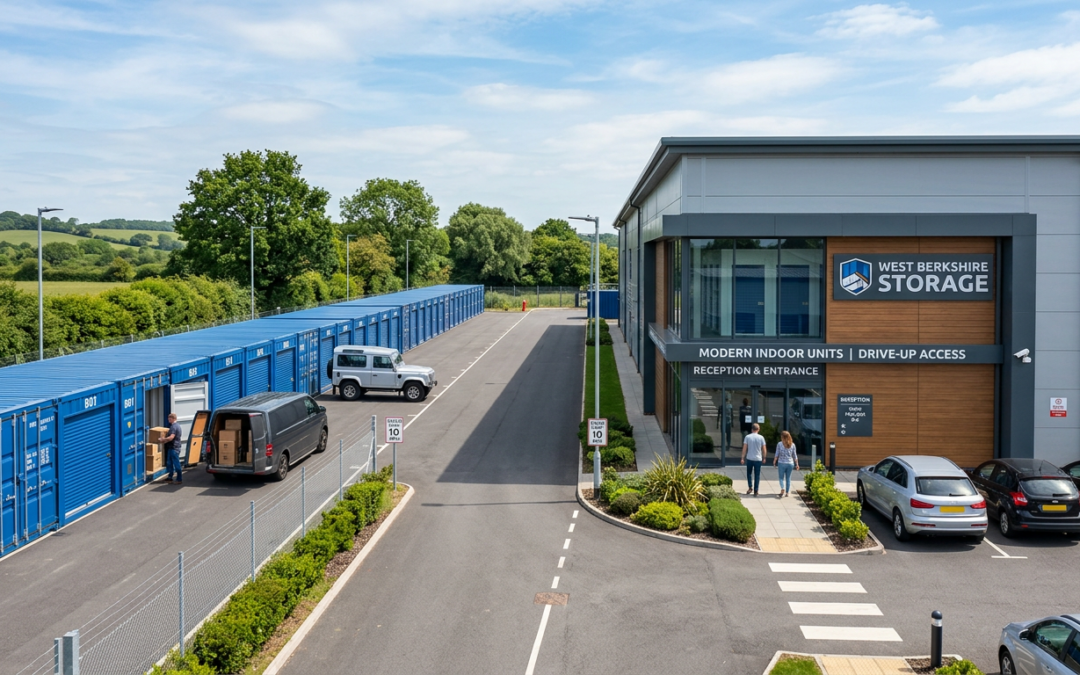
Choosing between outdoor and indoor storage isn’t just about picking the cheaper option. It’s about understanding what you’re storing, how often you’ll need it, and what conditions will keep your belongings safe. Get this decision wrong, and you might find yourself dealing with damp furniture, corroded tools, or wasted money on features you don’t actually need.
The distinction between outdoor storage containers and indoor units matters more than most people realise when they first start looking for space in Newbury. A business owner storing temperature-sensitive stock faces completely different requirements than someone parking a caravan for winter. Understanding these differences upfront saves both money and headaches down the line.
What Actually Defines Outdoor Storage
Outdoor storage typically means drive-up container units or dedicated parking spaces for vehicles, caravans, and boats. These units sit outside the main building, giving you direct vehicle access without navigating corridors or lifts. You can reverse right up to your unit, load or unload, and drive away.
The key advantage? Accessibility. When you’re moving the contents of a three-bedroom house or need to grab something from a stored vehicle quickly, being able to drive straight to your unit makes a massive difference. No trolley-pushing through hallways. No awkward lifts.
But outdoor storage comes with environmental exposure. Your unit faces the same weather conditions as any outdoor structure: rain, wind, temperature fluctuations, and seasonal changes. This doesn’t mean your belongings get soaked, but it does mean the environment inside isn’t as controlled as an indoor facility.
Think of outdoor storage containers like a very secure garden shed, but built to proper standards with robust materials and serious locks. They keep the elements out, but they won’t maintain a constant temperature or humidity level.
Understanding Indoor Storage Facilities
Indoor storage units sit within a larger building, accessed through shared corridors and security doors. You’ll typically find these units on different floors, with lift access for moving items up and down. The entire facility operates as one climate-controlled environment, protecting your belongings from external weather conditions.
Personal storage facilities in Newbury often use this model because it maximises security and environmental control. Multiple layers of access control, from the building entrance to individual unit locks, create a fortress-like setup that’s particularly valuable for storing irreplaceable items.
Indoor units maintain more stable conditions year-round. Summer heat doesn’t penetrate the building as it would an outdoor container. Winter cold stays outside. Humidity levels remain relatively consistent, which matters enormously for certain belongings.
The trade-off? You can’t drive right up to your unit. You’ll use trolleys, possibly lifts, and navigate shared spaces. For storing household items, business archives, or anything you can move in manageable loads, this isn’t a problem. For storing a classic car? It’s a dealbreaker.
What Belongs in Outdoor Storage
Vehicle storage represents the most obvious use for outdoor units. Caravans, motorhomes, boats, classic cars, motorcycles; anything with wheels that you don’t use daily but want protected from street parking risks. A colleague once stored a vintage Land Rover in an outdoor unit for eighteen months whilst restoring it at weekends. Drive-up access meant he could work on it without moving it every time, and he’d often spend Saturday mornings tinkering away with the container doors propped open. By the time the restoration was finished, he reckoned the convenience of that ground-level access saved him dozens of trips he’d have needed with an indoor unit.
Garden machinery and equipment suit outdoor storage perfectly. Lawn tractors, pressure washers, large tools; items designed to withstand outdoor conditions anyway don’t need the climate control of indoor storage. They just need security and weather protection.
Building materials and trade equipment work well in outdoor containers too. Scaffolding, timber, tools, and construction supplies can handle temperature variations. Tradespeople often use outdoor storage containers in Newbury as mobile workshops, accessing materials as needed throughout projects.
Furniture you’re planning to refinish or upcycle doesn’t require pristine conditions. If you’re going to sand it down and repaint it anyway, outdoor storage provides cost-effective space whilst you work through your project list.
What Demands Indoor Storage
Wooden furniture, particularly antiques or pieces with sentimental value, needs stable conditions. Wood expands and contracts with humidity changes. In outdoor storage, seasonal variations can cause joints to loosen, veneers to lift, and finishes to crack. Indoor storage prevents this damage entirely.
Electronics and appliances require indoor storage without question. Computers, televisions, sound systems; these items contain components that condensation can destroy. Even if they look fine when you retrieve them, internal moisture damage might not show up until you try using them.
Documents, photographs, and books deteriorate rapidly in fluctuating conditions. A box of family photos stored outdoors for one summer can emerge with images stuck together or faded beyond recognition. Business archive storage containing important paperwork needs the protection indoor storage provides.
Clothing, bedding, and soft furnishings attract moisture and mould in variable conditions. That beautiful sofa you’re storing whilst renovating? Indoor storage keeps it pristine. Outdoor storage risks finding it damp and musty when you need it again.
Musical instruments represent particularly vulnerable items. Guitars warp, piano keys stick, and brass instruments corrode when exposed to humidity swings. These aren’t just expensive items; they’re often irreplaceable. Indoor storage protects your investment.
The Climate Control Question
Not all indoor storage offers active climate control, but the building itself provides passive environmental stability. External walls, insulation, and shared internal space naturally moderate temperature and humidity swings. This passive control suffices for most household storage needs.
Active climate control, with heating, cooling, and dehumidification systems, becomes necessary for particularly sensitive items. Wine collections, important artwork, vintage clothing, or business stock that requires specific conditions all benefit from actively controlled environments.
Business storage often demands climate control because stock value justifies the additional cost. An e-commerce business storing £20,000 worth of clothing can’t risk mould damage. The climate control premium becomes an insurance policy.
Outdoor storage containers never offer climate control. The unit protects against rain and direct sunlight, but internal temperatures follow external patterns. In Newbury’s climate, this means potentially cold winters and warm summers inside your unit.
Security Considerations for Both Options
Indoor facilities typically provide layered security. You pass through a main entrance with CCTV, navigate corridors with additional cameras, and reach your unit in a space only accessible to other storage customers. This creates multiple barriers between opportunistic thieves and your belongings.
Outdoor storage relies on robust physical security: heavy-duty locks, reinforced doors, and perimeter fencing. Modern outdoor facilities use the same CCTV systems as indoor ones, but your unit sits more visibly in the open. This visibility actually deters some criminals; they can’t work unobserved.
For most self storage needs in Newbury, both options provide adequate security. The difference matters more for perception than reality. Some people feel more comfortable knowing their belongings sit inside a building. Others appreciate being able to see their outdoor unit when they visit.
Vehicle storage in outdoor units often includes additional security features like individual alarms or immobilisers. These compensate for the outdoor location, creating security levels appropriate for high-value vehicles.
Access and Convenience Factors
Outdoor storage wins decisively for frequent access with large items. If you’re storing a caravan you’ll use every few weekends, reversing up to your unit beats trolleying gear through corridors. Loading the boat for a fishing trip becomes a five-minute job instead of a logistical puzzle.
Indoor storage provides better access during poor weather. Rain, snow, or wind don’t affect you when you’re working inside a building. This matters if you’re gradually moving items in or out over several trips, or if you need to spend time sorting through stored belongings.
Extended access hours often favour indoor facilities. Many operate 24/7 access because the building security allows it. Outdoor facilities sometimes restrict hours to daylight or monitored periods, though this varies by location.
The physical effort required differs significantly. Outdoor storage means fewer steps but potentially longer walks across the facility to your specific unit. Indoor storage means more steps (literally, stairs or lifts) but often shorter horizontal distances once inside.
Cost Comparison and Value
Outdoor storage typically costs less per square metre because construction costs run lower than building multi-storey facilities. For pure space, you get more for your money. A 200-square-foot outdoor container costs roughly 20 to 30 percent less than the same space indoors.
But cost-per-square-metre doesn’t tell the whole story. What you’re storing determines value. Saving £20 monthly on outdoor storage means nothing if humidity damages £500 worth of furniture. The cheaper option becomes expensive when it’s wrong for your needs.
Container storage provides excellent value when your needs align with what it offers: large space, drive-up access, and weather protection without climate control. For storing the contents of an entire house during renovation, it’s often the most economical choice.
Indoor storage delivers better value for smaller quantities of valuable or sensitive items. The additional cost buys environmental protection and enhanced security that preserve your belongings’ condition and value.
Making the Decision: A Practical Framework
Start by listing everything you plan to store. Be specific; not just “furniture” but “oak dining table, leather sofa, antique wardrobe.” This specificity reveals storage requirements you might otherwise miss.
Next, categorise items by sensitivity. Which pieces would suffer damage from temperature changes or humidity? Which items were designed for outdoor use anyway? This exercise often shows you need both storage types: vehicles outdoors, household goods indoors.
Consider your access patterns. How often will you visit? What will you retrieve? Someone storing Christmas decorations they’ll access once yearly has different needs than a tradesperson grabbing tools three times weekly.
Calculate the true cost including your time and effort. Outdoor storage might save money but cost you thirty minutes of trolley-pushing every visit. Indoor storage might cost more but save hours of loading hassle. Your time has value too.
Think about storage duration. Short-term storage during a house move might not justify premium indoor rates for everything. Long-term storage demands conditions that preserve items for months or years without deterioration.
Combining Both Storage Types
Many people discover they need both options. Store the caravan and garden furniture outdoors where access and space suit the items. Keep household goods, electronics, and valuables indoors where conditions preserve them properly.
This split approach often provides the best value. You’re not paying for climate control you don’t need, but you’re not risking damage to items that require it. A family moving house might use an outdoor container for furniture they’re replacing anyway, whilst keeping heirlooms and electronics in an indoor unit.
The flexibility to choose different storage types for different needs represents one advantage of facilities offering both options. Newbury Self Store provides both indoor self storage and outdoor storage containers in Newbury, so you can assess each item category independently and select appropriate storage without limiting yourself to one-size-fits-all solutions.
Seasonal switching sometimes makes sense too. Store the caravan outdoors during winter when you won’t use it, then free up that space in summer. Use indoor storage for seasonal items like skiing equipment, swapping them out as the year progresses.
Special Considerations for Newbury’s Climate
Newbury experiences typical British weather: mild winters, moderate summers, and plenty of rain throughout the year. This climate creates specific storage considerations that influence the indoor versus outdoor decision.
Humidity matters more than temperature extremes here. Outdoor storage containers in Newbury won’t expose items to damaging heat or brutal cold, but moisture management becomes crucial. Items that absorb humidity (wood, fabric, paper) need extra protection or indoor storage.
Winter condensation affects outdoor units when warm, moist air meets cold surfaces. This doesn’t mean everything gets soaked, but it does mean moisture-sensitive items risk damage. Proper preparation and choosing indoor storage for vulnerable items prevents problems.
The year-round access that mild weather provides makes outdoor storage more practical in Newbury than in harsher climates. You won’t face snow-blocked access or dangerous ice when retrieving items. Rain might make visits less pleasant, but it won’t prevent access entirely.
Preparing Items for Either Storage Type
Regardless of which storage type you choose, proper preparation protects your belongings. Clean everything thoroughly before storage; dirt and food residue attract pests and cause deterioration over time. This applies equally to indoor and outdoor storage.
For outdoor storage, add extra protection layers. Wrap furniture in furniture blankets even if you wouldn’t bother for indoor storage. Use plastic sheeting as secondary protection for items that absolutely must stay dry. Think of it as belt-and-braces protection.
Elevate items off the floor in outdoor units. Use pallets or shelving to create airflow underneath boxes and furniture. This prevents any moisture at ground level from affecting your belongings and makes everything easier to access.
Indoor storage allows more relaxed preparation, but don’t skip the basics. Disassemble furniture where practical to maximise space. Use proper storage boxes rather than bin bags; they stack better and protect contents more effectively. The packaging supplies you choose make a real difference to how well items survive storage.
When Expert Advice Makes the Difference
Storage decisions sometimes benefit from professional input, particularly when you’re storing valuable or unusual items. What seems like a straightforward choice can involve factors you haven’t considered.
A storage manager sees hundreds of situations yearly and knows which decisions work and which cause problems. They’ve seen the caravan that developed mould in outdoor storage because the owner didn’t ventilate it properly. They’ve helped the business that chose outdoor storage for stock and regretted it when humidity damaged packaging.
This experience matters because storage mistakes often don’t show up immediately. You might not discover damage until months later when you retrieve items. By then, it’s too late to change your decision.
Getting advice doesn’t commit you to anything, but it might save you from expensive mistakes. A quick conversation about what you’re storing and your access needs often reveals the right solution faster than hours of online research.
Making Your Choice with Confidence
The outdoor versus indoor storage decision ultimately depends on what you’re storing, how you’ll use it, and what matters most to you. There’s no universally correct answer; only the right answer for your specific situation.
Choose outdoor storage containers when you need drive-up access, you’re storing vehicles or weather-resistant items, and you want maximum space for minimum cost. They’re practical, economical, and perfectly suited to items that don’t require climate control.
Select indoor storage when you’re protecting valuable or sensitive belongings, when environmental stability matters, and when enhanced security provides peace of mind. The additional cost buys protection that preserves your items’ condition and value.
Don’t feel pressured to choose one over the other exclusively. Many storage needs span both categories, and using the right storage type for each category of items often provides the best overall solution.
The key is understanding what you’re storing and matching those items to appropriate conditions. Make that assessment carefully, prepare items properly, and you’ll find your belongings emerge from storage in exactly the condition you left them; whether you chose outdoor or indoor space.
If you’re still weighing your options or want to discuss your specific self storage needs in Newbury, call 01635 581 811 or speak to our team to talk through what would work best for your situation. Sometimes a five-minute conversation clarifies decisions that seem complicated on paper.