
 01635 581 811
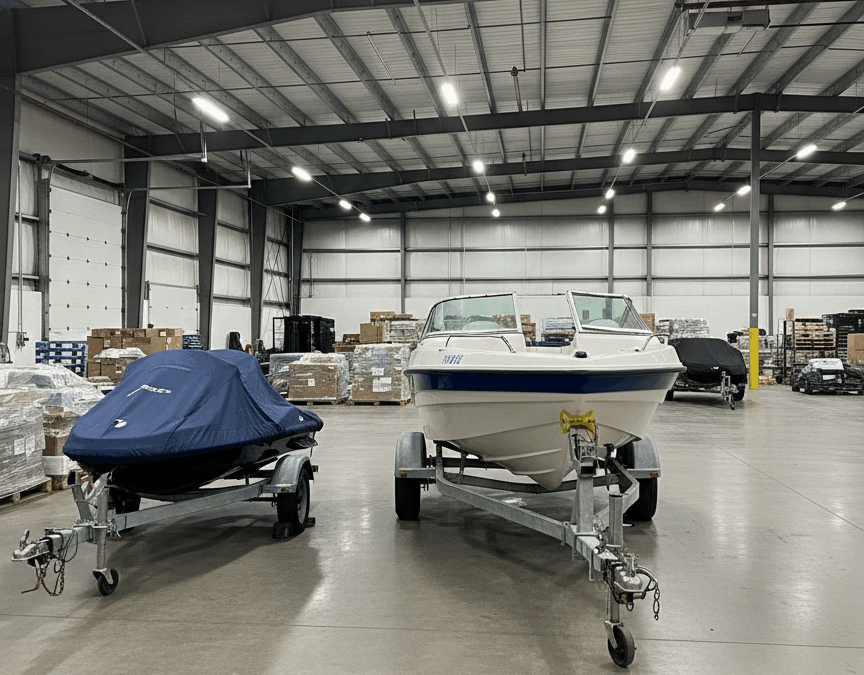
When the busy season winds down, and you’re preparing to tuck your prized watercraft away for the off-season, a bit of extra care can make all the difference come spring. Whether you’re a business owner managing a fleet or a passionate recreational user, following a well-thought-out maintenance routine not only preserves your asset’s performance but also saves you time and money in the long run. In this article, we’ll walk you through essential off-season maintenance tips, from a detailed cleaning to ensuring every mechanical and electrical component is primed for storage. Along the way, we’ll share practical advice and personal anecdotes that make these tasks feel both accessible and rewarding.
For secure, reliable storage solutions, consider exploring the Newbury Self Store. Their range of services, including personal storage, business storage, and container storage, ensures your vessel stays in prime condition, whether you’re looking for dedicated boat storage or specialised jet ski storage.
Preparing Your Vessel: Initial Cleaning & Inspection
Before your boat or jet ski settles into storage, a thorough cleaning is a must. Think of it as giving your vessel a little spa day before a long winter’s nap. Not only does a detailed clean help prevent buildup of grime and salt, but it also allows you to inspect for any damage that might have gone unnoticed during peak use.
Deep Clean to Prevent Damage
Start by rinsing off salt, dirt, and any marine life that may have clung to the surface. Use a soft brush and mild cleaning solution to scrub down decks, hulls, and any external parts. This step is especially crucial if you’re utilising boat storage or jet ski storage, where a clean vessel prevents corrosion and mould growth during prolonged storage periods.
Inspect for Wear and Tear
After cleaning, take a close look at your vessel. Inspect the hull for cracks or dents, check the condition of the propeller, and examine all fittings. If you spot any issues, now is the time to address them. Documenting your findings with photos can serve as a useful reference when preparing for reactivation, ensuring that your boat storage or jet ski storage period is trouble-free.
Engine & Mechanical System Care
One of the most critical aspects of off-season maintenance is ensuring that your engine and mechanical systems are properly cared for. A few well-timed maintenance steps can go a long way toward preserving your vessel’s engine, making it easier to start up when the new season arrives.
Drain and Replace Fluids
Fuel left in the tank can degrade over time, leading to varnish build-up and potential blockages. If you’re storing your watercraft for an extended period, drain the fuel tank or add a stabiliser to keep the fuel in top condition. In addition, check the engine oil and replace it if it’s near the end of its service life. These steps are essential whether your vessel is in boat storage or jet ski storage.
Lubrication and Battery Care
Lubricate moving parts to stave off rust and ensure smooth operation. Whether it’s the engine’s internal components or external parts like the steering mechanism, a good layer of lubricant is key. Speaking of batteries, it’s wise to remove them and store them in a cool, dry place. This simple step can extend battery life and prevent damage during storage, a vital measure for any boat storage or jet ski storage scenario.
Electrical System & Safety Precautions
Modern boats and jet skis rely on a host of electrical components that, if neglected, can lead to serious issues when you’re ready to use them again. Addressing these systems before storage is key to avoiding unexpected headaches later on.
Disconnect and Protect Sensitive Components
Begin by disconnecting any non-essential electrical accessories to avoid potential battery drain. Cover electrical outlets and switches with waterproof materials if you expect moisture exposure. This precaution ensures that your electronics are shielded from harsh elements while in boat storage or jet ski storage.
Secure Wiring and Connections
Loose or exposed wiring can become a hazard during storage. Ensure that all cables are neatly tucked away and secured, reducing the risk of damage or accidental disconnections. Taking these steps might seem tedious, but they go a long way in protecting your vessel’s sensitive systems.
If you ever need professional advice, don’t hesitate to reach out via the Contact Us section.
Preventing Corrosion and Rust
Corrosion is one of the biggest enemies of any watercraft, particularly when it sits idle for months. Preventative measures can help keep rust at bay and preserve both aesthetics and functionality.
Protective Coatings and Anti-Corrosion Sprays
After a thorough cleaning, applying a protective coating to the metal surfaces can act as a barrier against moisture. Many boat and jet ski owners swear by anti-corrosion sprays designed for marine environments. These products create a thin, invisible layer that helps prevent rust, making your period of boat storage or jet ski storage safer and more effective.
Regular Checks and Touch-Ups
Even after applying protective coatings, periodically checking your vessel during storage is a good idea. Spot any small areas where the coating may have worn off? A quick touch-up can prevent a minor blemish from turning into a significant issue.
Choosing the Right Storage Environment
The choice of storage environment is just as important as the maintenance work you do before putting your vessel away. Indoor and outdoor storage options each come with their own sets of advantages and considerations, particularly when deciding between boat storage and jet ski storage.
Indoor vs Outdoor Storage
Indoor storage typically offers a controlled environment, protecting your boat or jet ski from harsh weather conditions, temperature fluctuations, and humidity. This is especially beneficial if you’re storing a high-end vessel in boat storage or jet ski storage that requires meticulous care.
Outdoor storage, on the other hand, can be more cost-effective but comes with a higher risk of exposure to the elements. If you opt for outdoor storage, ensure that your vessel is adequately covered and housed in a secure container. Consider utilising Container Storage solutions for added protection against unpredictable weather.
Security and Accessibility
Apart from environmental factors, consider security and ease of access. A secure facility ensures that your vessel remains safe from vandalism or theft, while easy access makes routine inspections less of a hassle. This is particularly important when arranging for long-term boat storage or jet ski storage.
Protective Coverings & Securing Your Asset
Even with meticulous maintenance and a good storage environment, your vessel still needs to be physically protected from dust, moisture, and potential damage. Investing in the right coverings can be a game-changer.
Choosing the Right Cover
Not all covers are created equal. Look for high-quality, waterproof, and UV-resistant covers that are specifically designed for your type of vessel. A good cover should fit snugly, providing full coverage without flapping in the wind or allowing moisture to seep in,essential for any boat storage or jet ski storage.
Securing with Cables and Locks
Beyond just a cover, consider securing your vessel with robust cables and locks. This extra step is crucial if your storage location is accessible to the public or has shared spaces. Securing your asset ensures that even if the cover is tampered with, your boat storage or jet ski storage is not compromised.
Developing a Maintenance Schedule & Checklist
One of the best ways to ensure consistent upkeep of your vessel during the off-season is to create a maintenance schedule. A clear, actionable checklist not only keeps you organised but also highlights the tasks that are most critical.
Creating Your Custom Checklist
Start by writing down every maintenance task that needs to be done before, during, and after storage. Include items such as cleaning, engine checks, battery removal, and protective coating applications. Over time, specific tasks need extra attention based on your personal experience with your vessel in boat storage or jet ski storage.
Routine Inspections
Even in storage, a regular visual inspection can help catch issues before they become serious problems. If you’re able to check every few weeks, take a moment to ensure that covers remain secure, no unexpected signs of moisture or rust have appeared, and that your vessel is generally in good shape. A consistent routine can help your boat storage or jet ski storage period remain trouble-free.
Specialised Tips for Jet Skis
While many of the maintenance tips for boats also apply to jet skis, these agile watercraft have a few specific needs that set them apart.
Water Propulsion and Cooling Systems
Jet skis rely on water propulsion systems that can be sensitive to debris and buildup. It’s essential to clean out any water channels and filters to ensure there’s no blockage during storage. In addition, inspect the cooling system for signs of wear or damage, as overheating issues can become critical when your jet ski is in storage.
Electronics and Sensitive Components
Jet skis often feature a host of electronic controls and sensors. Taking extra care with these components by disconnecting them or applying specialised sprays can prevent malfunctions when it’s time to hit the water again. Always refer to the manufacturer’s guidelines for any jet ski-specific maintenance procedures to ensure optimal care during jet ski storage.
Preparing for the New Season: Re-Activation Steps
As the off-season draws to a close, it’s time to shift your focus to reactivating your vessel. This final stage of maintenance is all about ensuring a smooth transition from storage to full operational mode.
Final Pre-Launch Checks
Before you take your boat or jet ski out for a spin, run through a comprehensive checklist. This should include re-installing batteries, refuelling, and ensuring that all protective covers and locks have been removed. Check all fluid levels once more and start the engine to see if everything runs smoothly. If any issues arise, it’s easier to address them while you’re still in a controlled environment, whether you’re retrieving your asset from boat storage or jet ski storage.
A Smooth Re-Entry into Service
Taking the time to carefully re-activate your vessel means you can hit the water with confidence. Familiarise yourself with any new maintenance guidelines or updates from the manufacturer, and don’t hesitate to consult with experts if something seems amiss. A thoughtful reactivation process can extend the life of your boat or jet ski and ensure many more seasons of enjoyment.
For commercial operators or businesses with multiple assets, it might be worth considering the benefits of Business Storage, which offers tailored services for reactivation and ongoing maintenance.
Personal Anecdotes and Practical Advice
I recall a particularly frosty winter when a friend almost postponed all of his reactivation steps until the very last minute. The delay meant that when spring finally arrived, he was met with unexpected engine trouble that could have been avoided with a proper routine check. Since then, he’s made a habit of treating off-season maintenance like a mini-project,a time to both care for his boat and mentally prepare for the upcoming season. His experience reinforces how critical it is to follow the guidelines for boat storage and jet ski storage meticulously.
Drawing from personal experiences, I’ve found that consistency is key. Even if you’re not a marine expert, a routine checklist and a little extra care can make your vessel last longer and perform better when it matters most.
Bringing It All Together
Off-season maintenance might sound like an extra chore, but in truth, it’s an investment in your enjoyment and the longevity of your watercraft. By following these practical tips, from a deep clean and thorough inspection to specialised care for engines and electronics, you set yourself up for a smooth transition when the new season rolls in.
This guide is designed to be a helpful companion for both personal and business users. Whether you’re storing a single vessel for weekend adventures or managing a fleet with dedicated boat storage or jet ski storage, these maintenance tips ensure that your asset remains in excellent condition throughout the off-season and beyond.
For further advice and storage solutions tailored to your specific needs, see the Newbury Self Store. Their range of services, including personal storage, container storage, and specialised options for businesses, can help you keep your assets secure, protected, and ready for when the season kicks off again.
Final Thoughts
Embracing off-season maintenance is about more than just ticking boxes on a checklist; it’s about ensuring peace of mind and preserving the memories attached to your water adventures. Whether you’re out on the water every weekend or managing a business fleet with specific boat storage or jet ski storage requirements, these tips can help you save on repairs, extend the life of your vessel, and enjoy a stress-free start to the new season.
Remember, regular care and a proactive approach go a long way. And if you ever find yourself in doubt, the friendly team at Newbury Self Store is just a click away through their Contact Us section.
So, why wait until the next season to start worrying about maintenance? Use this guide as a blueprint for success, and you’ll be well on your way to enjoying many more worry-free days on the water. Happy storing and smooth sailing!