
 01635 581 811
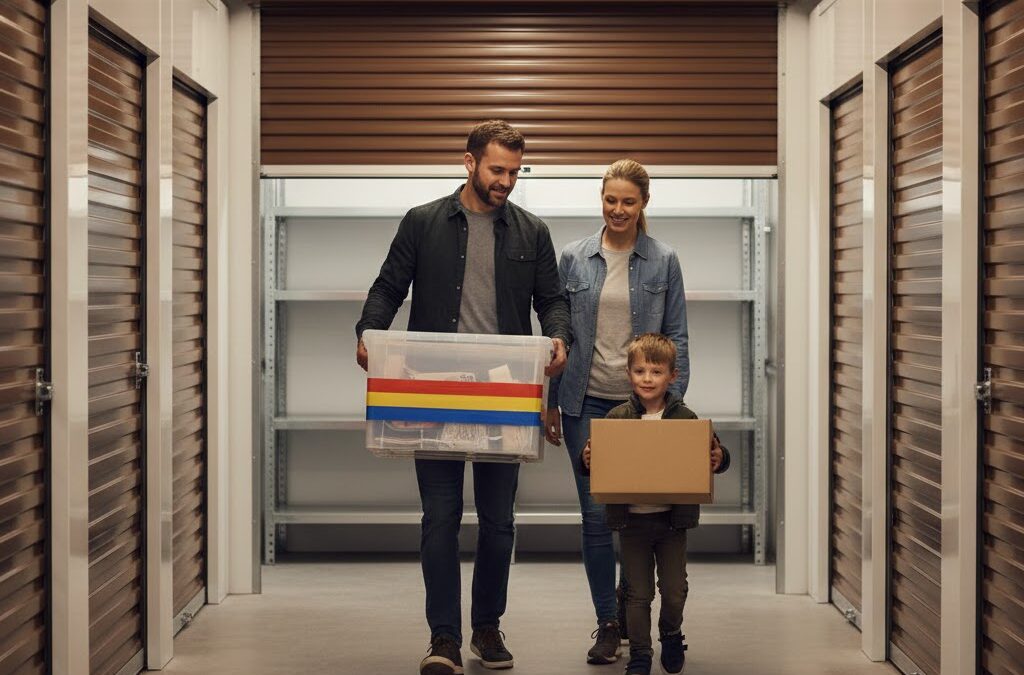
Being ready for the unexpected is a fundamental aspect of managing a busy household or business. Preparing for potential events like severe weather, floods, or accidental fires can feel daunting, but it’s an essential part of effective home disaster planning. Having a comprehensive strategy, especially one that includes secure, off-site storage, provides a critical safety net. These units serve as a secure buffer, protecting irreplaceable items and emergency supplies when disruption occurs. Taking this step is fundamental to establishing effective disaster preparedness storage.
Establishing the Need for Proactive Planning
It’s natural to assume that major incidents won’t affect your home, yet the frequency of severe weather events in the UK continues to challenge this perspective. Being prepared isn’t about fearing the worst; it’s about making sensible provisions to safeguard your family and belongings. A structured plan helps to minimise stress and confusion during an emergency. Taking proactive measures can significantly reduce the potential impact on your domestic life.
Identifying Regional Risks in Berkshire
For residents across Berkshire, understanding local environmental risks is crucial for effective home disaster planning. While floods might be the most common concern in certain areas, extended power outages and severe storms can also cause significant damage. Reviewing local authority guidance can help you tailor your preparations to the specific challenges your community might face. Planning for these specific threats ensures your family storage solutions are appropriate and comprehensive.
Developing Your Family’s Emergency Protocol
Effective home disaster planning starts with a clear, concise family emergency plan developed at home. Sit down with everyone who lives in the house to discuss potential scenarios and responsibilities. Identifying and communicating clear roles helps ensure a fast and coordinated response when time is short. This shared knowledge is your first line of defence against sudden emergencies.
Essential Components of an Evacuation Strategy
Your plan should clearly outline multiple evacuation routes from your home and neighbourhood. Establish a primary and secondary outside meeting point where the whole family knows to gather safely. Critically, ensure everyone knows how to contact emergency services and one pre-designated out-of-area contact person. Regular practice of this evacuation strategy ensures that everyone understands the protocol under pressure.
Securing Your Assets Off-Site with Dedicated Storage
A dedicated off-site unit fundamentally changes how you approach disaster preparedness storage. It creates a remote location that houses your most critical items, insulating them from damage at home. This facility acts as an independent emergency hub, accessible when your property might be compromised or inaccessible. Using secure storage units in this way provides immediate peace of mind during highly volatile situations.
This external location helps you declutter your primary residence by moving out non-essential, yet valuable, items. Furthermore, it ensures that your emergency kit is ready to grab without having to search through household clutter. You’re simply not scrambling to find essentials when disaster strikes. Exploring reliable personal storage options can help you start protecting your key belongings today.
Building a Comprehensive 72-Hour Emergency Kit
What essentials should you actually keep in a reliable, accessible location? Experts recommend having enough supplies to sustain your family for a minimum of 72 hours without external assistance. This kit should be stored in durable, waterproof containers to protect the contents from moisture. Keeping a printed inventory list inside the unit will help you track and maintain these vital provisions.
Essential Supplies for Short-Term Survival
- Water Supply: Aim for at least four litres of water per person, per day, for drinking and sanitation.
- Non-Perishable Food: Include high-calorie, easily prepared items like energy bars, tinned goods, and dried fruits.
- First Aid: A comprehensive, up-to-date first aid kit, including prescription medications for up to seven days.
- Light & Communication: A battery-powered or hand-crank radio, flashlights, and plenty of spare batteries.
- Warmth & Shelter: Emergency blankets, warm clothing, and heavy-duty plastic sheeting for temporary shelter.
- Personal Hygiene: Toiletries, toilet paper, soap, and sanitation wipes.
Protecting Irreplaceable Documents and Keepsakes
Some items simply cannot be replaced: birth certificates, passports, property deeds, and essential insurance policies. Storing these vital documents in a waterproof and fire-resistant safe box within your unit is the best way to guarantee their safety. Making a digital copy of every document on a separate encrypted drive provides a valuable second layer of protection. This systematic approach ensures critical paperwork survives any localised damage to your home.
It might seem excessive to plan for the loss of personal mementoes, but they hold immense emotional value. Think about Sarah, a busy working mum from Thatcham, whose family had to quickly evacuate during a burst pipe flood that ruined her living room. Because she had proactively placed her children’s early-years artwork, the family photograph albums, and important financial records in her flexible storage unit, she had peace of mind. While the house needed repairs, the most meaningful and financially crucial items were untouched and secured miles away.
It’s also vital for businesses to consider this safeguard. Many local entrepreneurs use self-storage to protect crucial archives, equipment, and sensitive stock from unexpected closures or damage. Protecting these commercial assets requires specialised and secure business storage that offers flexible access and high-level security protocols.
Long-Term Readiness: Maintaining Your Stored Inventory
Disaster preparedness storage isn’t a single action; it’s an ongoing, dynamic process that needs regular attention. Your family’s needs change over time, and supplies have expiration dates, making routine maintenance unavoidable. Setting a reminder in your calendar for a twice-yearly review ensures that your kit is always current and functional when you need it most. This simple commitment prevents finding out your batteries are dead or your food rations are spoiled during an actual crisis.
The Importance of Regular Audits
Conducting a thorough inventory audit every six months is essential for readiness. Check expiration dates on all food, water, and medication, replacing anything that has passed its safety window. Use this opportunity to update clothing sizes and review which documents might need current copies stored off-site. Your storage unit should reflect your family’s current state of health and readiness, not what it was last year.
How Storage Units Mitigate Disaster Damage
Self-storage facilities, especially those designed with security and resilience in mind, offer protection against various natural and man-made disasters. Flooding is a significant risk, but storing items on elevated shelving or in a facility built above known flood plains protects your valuables. For larger items, such as seasonal stock for a small business or essential garden equipment, large-capacity container storage provides robust, weatherproof protection. This is an excellent way to keep high-value assets secure from wind, water, and debris damage.
Selecting the Optimal Unit for Preparedness
Picking the perfect storage unit for your emergency kit requires careful consideration of key factors related to home disaster planning. How do you select a unit that’s not only safe but also practical for crisis management? You can think of it like choosing the perfect survival pack: you want it compact enough to be cost-effective yet spacious enough to house all your crucial gear securely. The decision depends heavily on the volume of emergency kit, essential furniture, and documents you plan to safeguard.
Security and Climate Control Considerations
Security is paramount when housing irreplaceable documents and valuables. Always choose a facility with robust security measures, including 24/7 CCTV monitoring, perimeter fencing, and secure electronic access. If you’re storing sensitive electronics, archival documents, or cherished wooden antiques, a climate-controlled unit is highly advisable. These units protect contents from temperature swings and humidity, which prevents mould, warping, and document degradation over time.
Maximising Efficiency: Smart Packing Techniques
Once you’ve secured the perfect unit for your disaster preparedness storage, smart packing is the key to instant accessibility in an emergency. Use clear plastic containers instead of opaque cardboard boxes so you can immediately identify contents without opening them. Furthermore, keep the emergency kit boxes closest to the unit door for the fastest possible retrieval. You need to know exactly where everything is.
To ensure long-term protection, only use high-quality, durable boxes and wrapping materials. You can easily find high-quality packaging supplies to prepare your items safely for long-term storage, including protective wraps and secure tape. Use vertical shelving to make the most of the height, keeping a clear central walkway for unhindered access to all boxes.
Taking the Next Step in Family Security
Creating a dedicated disaster preparedness storage plan is one of the most proactive steps you can take for your family’s future. It provides tangible security that goes beyond insurance policies or home alarms. By separating your most essential and sentimental items from your primary residence, you build resilience against the unknown. When you need secure, trustworthy, and flexible options for effective home disaster planning, expert guidance is available. If you’re ready to secure your emergency assets and gain peace of mind, please contact us to discuss unit sizes and security features today.