
 01635 581 811
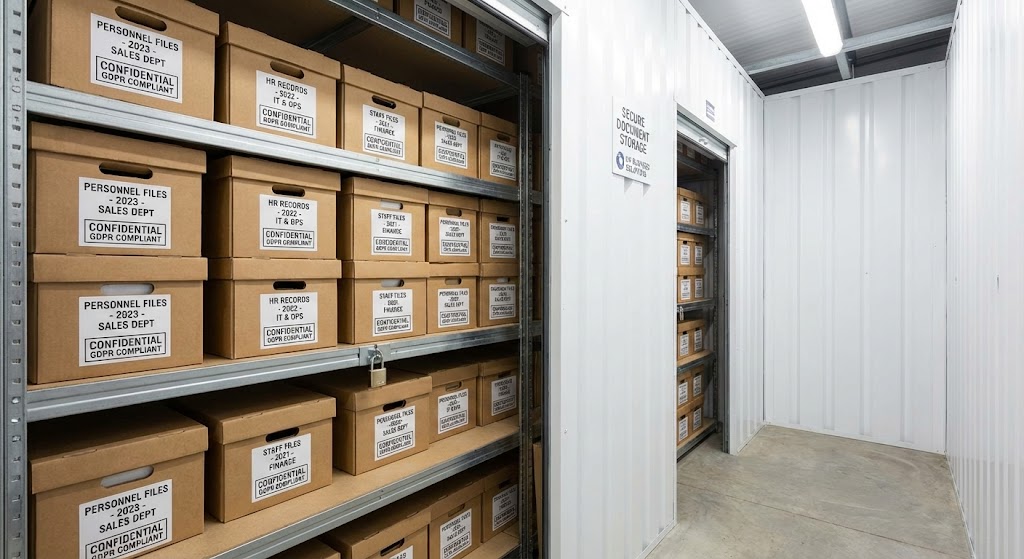
Right then, let’s get down to brass tacks about storing those all-important employee records. It’s a bit of a minefield, isn’t it? But with a few best practices, you can keep everything shipshape and avoid any sticky situations while ensuring full compliance. For business owners in the Thames Valley area, understanding effective HR record storage is essential for protecting staff data and maintaining operational integrity.
Establishing robust employee file storage processes that are legally sound and highly efficient is the ultimate goal. This approach ensures that whether you’re a small start-up or a larger established company, your storage practices reflect professionalism and trustworthiness. Finding the right storage partner is key to secure, long-term compliance.
The Importance of Proper HR Record Storage for Your Business
Think of your employee records as the backbone of your HR operations and your business’s legal defence. They aren’t just bits of paper or digital files; they’re crucial for legal compliance, performance management, and making informed decisions daily. If you mess up your HR record storage protocols, you could face severe financial penalties, damaging legal battles, or long-term harm to your company’s reputation.
Imagine trying to defend an employment tribunal case and realising you can’t find the relevant, signed performance reviews. That’s a massive nightmare, but it’s entirely avoidable with the right systems in place. Proper employee file storage ensures you can quickly access the exact information you need, precisely when you need it most. This demonstrates that you’re taking your legal and ethical obligations seriously, which is vital in today’s increasingly regulated environment.
Understanding Compliance Requirements: Data Protection in the UK
Now, let’s get into the necessary but less exciting nitty-gritty of compliance. Getting your head around these legal requirements is essential, as they dictate the framework for all your HR record storage decisions. Compliance isn’t optional; it’s the foundation of secure data handling.
Data Protection Legislation and Employee Rights
The big regulatory one here in the UK is the Data Protection Act 2018, operating alongside the UK General Data Protection Regulation (GDPR). These crucial laws dictate exactly how you must collect, store, and use all forms of employee data, from medical information to payroll history. You’re legally required to be transparent with your staff about what data you’re holding, why you’re holding it, and exactly how long you plan to keep it for.
Employee data must be treated with the same rigorous care you’d apply to customer or financial documents. Think about the many online privacy notices explaining data usage and retention. Your employees possess the same fundamental rights under GDPR, so make sure your internal privacy policies are clear, comprehensive, and easily accessible. Remember, transparency builds the crucial trust required between employer and employee.
Defining Legal Retention Periods
A critical aspect of employee file storage compliance is the fact that different types of HR records have varying retention periods dictated by UK law and statutory bodies. For instance, while you might need to keep basic payroll records for six years, accident or injury reports often need to be kept for much longer, sometimes decades. Keeping records longer than absolutely necessary is a huge no-no under GDPR’s principle of data minimisation.
Think of managing your HR archive like clearing out your attic after a spring clean; you wouldn’t keep every single crumpled receipt, would you? The same principle applies to your HR record storage: you must have a clear, legally sound retention schedule and commit to sticking to it religiously. This schedule defines when documents transition from active files to archived documents, and finally when they are safely and securely disposed of.
Best Practices for Physical and Digital Record Management
Alright, let’s turn our attention to the practical steps for storing those records properly. It’s not simply about shoving them haphazardly in a spare filing cabinet or dumping everything onto an unmanaged hard drive. A strategic approach to employee file storage saves time and significantly reduces your risk exposure.
Weighing Digital vs. Physical Storage Formats
The digital versus physical storage debate continues to rage across all business sectors, including HR. Digital storage offers clear benefits like immediate remote access, powerful searchability, and a massive reduction in your physical space requirements. However, this convenience also introduces distinct risks, such as cyber data breaches, phishing attacks, and complex system failure scenarios.
Physical storage, conversely, is immune to cyber threats and requires minimal technical maintenance. However, paper records can be cumbersome, difficult to search quickly, and are vulnerable to physical damage from fire, flood, or general deterioration. Many successful UK companies opt for a sensible hybrid approach to HR record storage. They keep highly sensitive and active documents digitised while archiving older, less frequently accessed physical records that must be retained for legal purposes. If you choose digital, ensure you have multiple robust back-ups and strong encryption in place.
Implementing Rigorous Security Measures
Security must be paramount, regardless of whether you’re storing records digitally or in a secure facility. For digital records, this means using two-factor authentication, strong unique passwords, and powerful encryption across all files. You must also perform regular data back-ups and have a clear, tested disaster recovery plan to mitigate potential loss.
For physical records, security means storing them in a dedicated, secure location with strictly limited and logged access for authorised personnel only. Think about your home security: you wouldn’t dream of leaving your front door unlocked, would you? Applying the same logical vigilance to your employee file storage is non-negotiable for true compliance.
Maintaining Organisation and Accessibility
No matter the format you choose, organisation is the absolute key to making your records functional, not just compliant. You should establish a consistent, standardised filing system across the entire business, whether it’s alphabetical, chronological by termination date, or based on a unique employee ID structure. The main priority is that it must be simple to find and retrieve any specific document quickly when a sudden need arises.
Let’s consider a relatable scenario: a small accounting firm, ‘Tinsley & Co’, had digitised recent records but legally had to retain seven years of bulky historic tax and payroll documentation in paper form. This paper was taking up a third of their small office, which they needed for active accounts. By moving their archived paper records to long-term container storage that offered flexible access, Tinsley & Co recovered their office space instantly while maintaining full security and legal compliance.
Avoiding Common HR Record Storage Pitfalls
Even well-intentioned businesses can fall into common administrative traps when managing HR data. Awareness is the crucial first step toward effective prevention.
Keeping Records for Too Long: As we established, this is a major GDPR violation. Strictly adhere to your retention schedule and ensure you have a process for verified, secure disposal.
Poor Physical Security: Failing to protect your paper records from unauthorised access, environmental damage, or theft is a recipe for disaster. Proper employee file storage demands robust security measures.
Lack of Organisation: If your team can’t quickly locate specific documents, your records are functionally useless in a legal or operational context.
Ignoring Data Protection Updates: Compliance is not a one-time job; data protection laws are constantly evolving. Appoint a team member to stay up-to-date with the latest ICO and government regulations.
Not Having a Backup Plan: What happens if your server fails, or, if you have physical archives, what if a pipe bursts in your storage room? You must have a clear plan for data recovery and disaster mitigation.
How Business Storage Units Can Revolutionise Your HR Archive
You might be wondering where a secure facility like Newbury Self Store fits into this highly technical picture. If your business is dealing with any significant volume of older, legally required physical records, business storage solutions can be a genuine lifesaver. A self-storage unit provides a secure, dry, temperature-stable, and easily accessible extension to your premises, specifically for documentation archives.
Many local businesses have digitised 90% of their files but still need to retain that 10% of signed, physical contracts for long periods. A dedicated business storage unit provides the perfect secure archive for HR record storage, preventing unnecessary office clutter and ensuring compliance. This approach frees up valuable, expensive office space for staff or client meetings while keeping documents in optimal condition. We can also provide all the necessary moving boxes and packaging supplies to prepare your archive for transport and long-term storage, making the transition seamless and easy.
Your Next Steps Towards Iron-Clad Compliance
You’ve got the full lowdown on HR record storage best practices and regulatory requirements. Now it’s time to put these crucial principles into action.
Review Your Current Practices: Identify any gaps in your existing employee file storage protocols and focus on improving your retention schedule.
Develop a Clear Policy: Create a comprehensive, written HR record storage policy covering data collection, retention, access control, and disposal.
Train Your Team: Ensure every member of staff understands their specific responsibilities when handling and storing sensitive employee records correctly.
Explore Secure Storage: If you need secure, flexible space for your physical archives, consider our cost-effective solutions. Our team can help you select the ideal size unit for your needs.
Storing employee records might not be the most glamorous task, but it’s absolutely essential for legal protection and stability. By following these best practices for HR record storage and employee file storage, you’re ensuring you’re compliant, organised, and ready for the future. If you need any assistance getting started or want to discuss a quote, contact us and the knowledgeable team at Newbury Self Store can help you secure the ideal unit.