
 01635 581 811
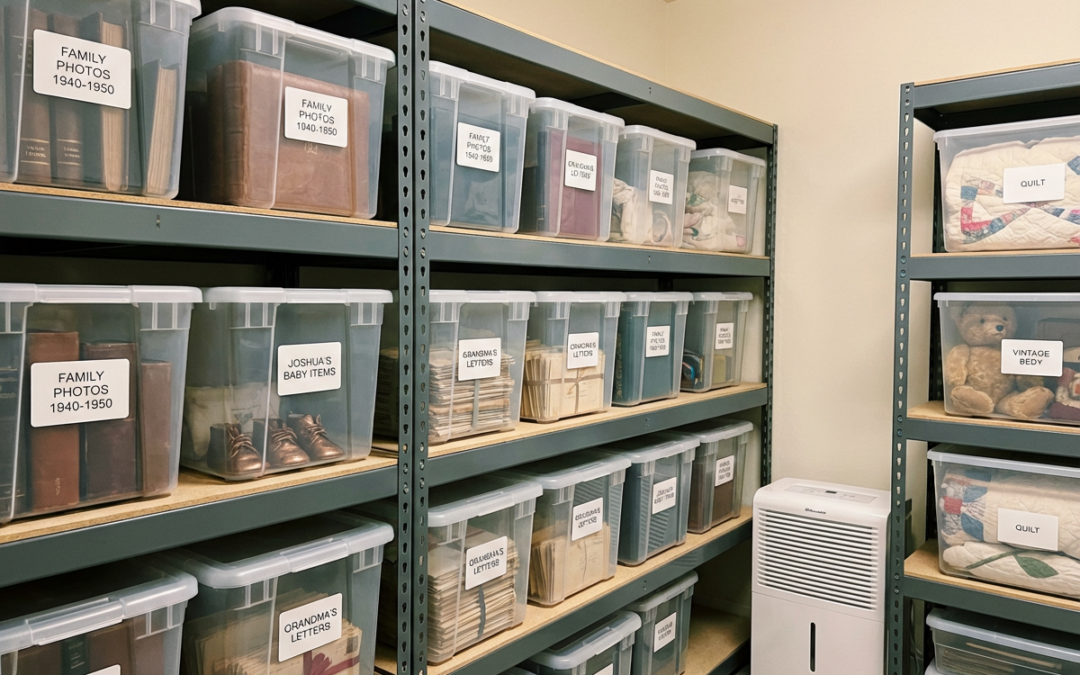
Many of us find our homes filled with items that hold deep personal value, boxes tucked away, cupboards overflowing with keepsakes, or spare rooms that have slowly transformed into archives of our past. These are our sentimental items, our memorabilia; they represent cherished moments, significant people, and pivotal places that have defined our journeys. While these items are precious and irreplaceable, managing them within our living spaces can become a challenge. The desire to hold onto every memory-laden object often conflicts with the need for a clear, uncluttered home. Fortunately, effective Personal Storage offers an excellent solution, providing a dedicated approach to Sentimental Item Storage that allows you to preserve your treasures without sacrificing your home’s comfort and functionality. This isn’t about distancing yourself from your memories; it’s about safeguarding them intelligently, so you can appreciate both your living space and your keepsakes.
Unveiling the Treasure Trove: why our keepsakes mean so much and the value of sentimental item storage
Before exploring the practical steps of storage, it is important to acknowledge the profound significance of these items. That well-loved childhood teddy bear, the bundle of letters tied with a faded ribbon, or the chipped teacup passed down from a grandparent, these are not mere objects. They serve as tangible connections to our personal histories, infused with narratives, emotions, and the essence of individuals and experiences that have shaped us.
Consider, for instance, a collection of children’s artwork, chronicling their growth from early scribbles to more detailed projects. For a parent, parting with such items can feel like losing a piece of their child’s formative years. Similarly, for someone passionate about music, a collection of vinyl records and concert posters is more than a hobby; it’s a chronicle of their life’s enthusiasm. Both scenarios present a common challenge: how to cherish these items without being overwhelmed by their physical presence. This is precisely where effective Sentimental Item Storage becomes invaluable. It is about creating a secure, dedicated space for your memories, thereby liberating your home for daily living.
The Heartfelt Declutter: sorting through your sentimental stash for personal storage
The prospect of sorting through years, or even decades, of accumulated memorabilia can seem daunting. It is often an emotional undertaking, and approaching it with a structured plan and self-compassion is key to making the process manageable and rewarding.
A. Embracing the Emotional Journey of Sorting Your Keepsakes
Firstly, recognise that this process is more than a simple tidying exercise; it is a reflective journey through your past. You will encounter items that evoke laughter, perhaps some tears, and many forgotten moments. Allow yourself the time and mental space to experience these emotions fully.
A practical approach is to avoid tackling everything at once. Dedicate specific blocks of time, perhaps an afternoon or even just an hour. Creating a calm environment with soft music, a comforting cup of tea, and the support of a trusted friend or family member can be beneficial. This support is not for decision-making, but for companionship and a listening ear during this reflective process. Breaking down the task, for example, by sorting items from a particular era or belonging to a specific person, can make the endeavour feel less overwhelming.
B. The “Memory Value” Method, Beyond Just Sparking Joy in Decluttering
While the concept of an item “sparking joy” is a useful decluttering principle, sentimental items often require a more nuanced evaluation based on their “memory value.”
When examining each item, consider these questions:
- What specific story or memory does this object hold? Is it a vivid and cherished one?
- Is the memory intrinsically tied to this physical object, or could a photograph of it sufficiently capture its essence? This is particularly relevant for bulkier items or those you have in multiples.
- Are there several items representing the same memory or person? Could one or two key pieces tell the story just as effectively?
- If I were to find this item in twenty years, would it still hold significant meaning for me?
The goal is not ruthless elimination, but intentional curation. You are thoughtfully selecting the items that best represent your most valued memories.
C. Creating Your Categories of Cherished Goods for Organised Storage
Once you begin making decisions, categorising items will streamline the sorting process and prove invaluable for packing and later accessing your Sentimental Item Storage.
Consider these potential categories:
- By Person: Group items belonging to or reminiscent of specific family members (e.g., “Grandmother’s Jewellery,” “Father’s University Books,” “Children’s First Drawings”).
- By Era/Event: Organise items by significant periods or occasions (e.g., “Childhood Toys,” “University Mementos,” “Wedding Keepsakes,” “Travel Souvenirs”).
- By Type: This is especially helpful for items requiring specific care (e.g., “Photographs & Letters,” “Textiles,” “Fragile Ornaments”).
Using clearly labelled boxes or distinct piles for each category provides a visual sense of progress and helps in understanding the scope of your collection.
D. Going Digital: A Modern Ally for Your Memories and sentimental item storage
Modern technology offers excellent tools for managing sentimental clutter through digitisation. This approach complements physical storage rather than replacing it entirely.
- Scan old photographs, important letters, certificates, and children’s artwork. Digital albums can be created, easily shared with family, and serve as a secure backup.
- Take high-quality photographs of bulkier items that you wish to remember but lack space for, or that you intend to store but want a visual reference of.
- Consider creating a digital scrapbook or a private online journal to document these memories alongside the images.
This digital preservation can significantly reduce the physical volume of items requiring storage, making your Personal Storage solution more efficient.
Packing with Purpose: Preparing Your Memorabilia for Safe Keeping in Personal Storage
After sorting and selecting the items for storage, the next critical phase is packing. The methods and materials used now will directly influence the condition of your sentimental items in the years to come. This stage warrants careful attention and quality supplies.
A. The Essential First Step: Clean and Care For Your Items Before Storage
It is vital to ensure that all items are clean and completely dry before being packed. Storing items that are dusty, damp, or have organic residues can attract pests, encourage mould growth, and lead to further deterioration.
- Textiles (clothing, linens, soft toys): Launder or dry clean according to their care labels. Ensure they are thoroughly aired and perfectly dry.
- China, Glass, Ceramics: Wash gently with appropriate cleaners and dry completely.
- Wooden Items: Dust carefully and, if necessary, treat with a suitable wood conditioner, allowing it to be fully absorbed before packing.
- Paper Items (books, documents): Gently dust with a soft, clean brush.
If any items require minor repairs, such as a loose button on a garment or a detached page in a book, address these if you have the expertise. For valuable items needing more significant restoration, make a note to consult a professional conservator.
B. Gathering Your Packing Arsenal, The Right Tools for the Job for sentimental item storage
Using appropriate packing materials is fundamental for successful Sentimental Item Storage. Your aim is to protect your treasures from dust, light, pests, and physical damage. Investing in quality supplies is a wise decision. For a comprehensive selection of suitable materials, explore the packaging supplies available from us at Newbury Self Store. We offer a range of products specifically designed for safe, long-term storage, helping you to preserve the condition of your cherished belongings.
Your essential packing list should include:
- Acid-free tissue paper: Crucial for wrapping delicate items and for interleaving between photographs or textiles to prevent acid migration and discolouration. Standard tissue paper can yellow and damage items over time.
- Archival boxes: These are pH neutral and designed for long-term storage, helping to prevent degradation of contents.
- Sturdy plastic containers with good seals: Excellent for many items, offering robust protection against moisture and pests. Clear containers allow for easier content identification.
- Bubble wrap: For cushioning fragile items. Use generously.
- Soft, clean cloths or old (clean!) cotton sheets: Useful for wrapping larger or irregularly shaped items.
- Packing tape: Good quality adhesive tape to securely seal boxes.
- Permanent markers: For clear and durable labelling.
A great product combination for protecting delicate items would be our archival-quality boxes used in conjunction with rolls of acid-free tissue paper. The boxes provide structural support and a stable environment, while the tissue paper offers a soft, non-reactive layer of protection directly against the item, preventing abrasion and chemical damage. This duo is highly recommended for photographs, vintage textiles, and important documents.
Avoid using newsprint for wrapping (as the ink can transfer) or standard, non-archival cardboard boxes for very long-term storage of delicate paper or textile items, as these can contribute to deterioration. The modest investment in proper packing materials is insignificant compared to the potential loss of an irreplaceable memory.
C. Masterclass in Packing: Tailored Techniques for Different Treasures
Different types of memorabilia necessitate specific packing techniques to ensure they remain in optimal condition during their time in Personal Storage.
- Fragile Heirlooms (Glass, China, Ornaments): Wrap each piece individually in acid-free tissue paper, followed by several layers of bubble wrap. Place items in a sturdy box, filling all voids with more bubble wrap, biodegradable packing peanuts, or soft cloths to prevent movement. For exceptionally delicate pieces, consider the box-in-box method: pack the item in a smaller, cushioned box, then place this within a larger box with additional cushioning. Clearly label these boxes “FRAGILE”.
- Precious Textiles (Wedding Dresses, Baby Clothes, Quilts, Vintage Uniforms): Ensure they are impeccably clean and dry. For highly valuable or delicate items like wedding dresses or antique lace, specialised archival textile boxes are recommended. Line boxes with acid-free tissue paper. Loosely fold items, placing acid-free tissue paper between the folds to prevent creasing and potential colour transfer. Avoid over-packing. While breathable cotton garment bags can be suitable for some items, for long-term Sentimental Item Storage, boxes generally offer superior protection from dust and crushing. It is advisable to avoid vacuum-sealed bags for delicate or vintage textiles, as these can compress fibres and potentially trap residual moisture.
- Photographs, Letters, and Documents: Handle with clean hands or wear cotton gloves if feasible. Use acid-free sleeves, envelopes, or folders for individual items or small groups. Store them in archival boxes, ideally lying flat, or upright if housed in stable albums. Do not overfill boxes. Refrain from using metal paperclips or rubber bands directly on old photographs or documents, as these can cause indentations, rust stains, or chemical damage over time.
- Books and Diaries: Store books upright on their base (as on a bookshelf) or, if they are particularly large or fragile, lying flat with the spine facing down. Avoid packing them too tightly, which can damage spines and covers; allow for some air circulation. Acid-free paper can be used to wrap especially valuable or delicate volumes.
- Children’s Art and Schoolwork: This category can be surprisingly voluminous. After sorting (and possibly digitising some items), store the physical copies in archival portfolios or large, flat acid-free boxes. Interleave individual sheets with acid-free tissue paper. Flat storage is generally preferable to rolling, as rolling can cause paper and card to permanently curl.
D. Label Like a Pro: Your Future Self Will Thank You for Organised personal storage
Comprehensive labelling is arguably one of the most critical aspects of packing for Sentimental Item Storage. While you might believe you will recall the contents of each box, this memory often fades over time.
- Be specific and detailed: Instead of a generic label like “Keepsakes,” use descriptive titles such as “Grandmother’s Correspondence 1950s-1970s,” “Children’s Artwork – Ages 5-7,” or “Wedding Album & Accessories – 2010.”
- Label each box on multiple sides: This ensures easy identification regardless of how the box is stacked in your storage unit.
- Consider adding the date packed or a brief note about the significance of the contents.
- Create a master inventory list: This can be a spreadsheet or a dedicated notebook. For each box number, list its general contents and perhaps note any key individual items. This list acts as your map to your memories. Keep one copy at home and another securely inside your storage unit. This simple step will save considerable time and effort when you wish to locate something.
Finding the Perfect Sanctuary: Choosing Your Personal Storage Unit for sentimental item storage
With your sentimental items carefully sorted and expertly packed, the next step is to find them a secure and appropriate home away from your primary living space. While lofts or garages might seem convenient, they often lack the stable environmental conditions necessary for preserving precious belongings long-term.
A. Beyond the Attic or Garage: Why Purpose-Built Personal Storage Wins for Sentimental Items
Typical domestic storage areas like attics and garages are often susceptible to:
- Extreme temperature fluctuations: Intense heat in summer and cold in winter can accelerate the degradation of delicate materials such as paper, textiles, and photographs.
- Damp and humidity: These conditions promote mould and mildew growth, leading to musty odours and irreversible damage.
- Pests: Moths, silverfish, rodents, and other pests can damage or destroy stored items.
- Dust and dirt: Accumulations of dust can be abrasive and challenging to remove from delicate surfaces.
A professional Personal Storage facility, such as ours at Newbury Self Store, offers a controlled environment specifically designed to protect stored goods. This provides peace of mind that your irreplaceable items are shielded from these common hazards, which is crucial for effective Sentimental Item Storage.
B. Size Wisely: Ensuring Enough Room for Your Memories to Breathe in Your Unit
Selecting an appropriately sized unit for your Sentimental Item Storage is essential. A unit that is too small can lead to cramming, risking damage to boxes and contents and making access difficult. Conversely, an overly large unit means paying for unused space.
- Estimate your requirements: Once all items are boxed, arrange the boxes in a clear area at home to visualise the volume. Measure the height, width, and depth of this stack.
- Consult with storage professionals: Our friendly team at Newbury Self Store has extensive experience in helping customers estimate the correct unit size. We encourage you to discuss your needs with us; we can explain the various options available. You can find details of how to get in touch on our Contact Us section.
- Allow for air circulation: It is advisable not to pack your unit completely solid. Leaving small gaps between stacks of boxes and between boxes and the unit walls facilitates air circulation, which is beneficial for long-term preservation. If space permits, creating a small walkway will allow easier access to boxes stored further back.
C. The Climate Question: Do Your Keepsakes Need Climate-Controlled sentimental item storage?
For particularly delicate or valuable sentimental items, climate-controlled storage warrants serious consideration. Climate control helps maintain a more consistent temperature and humidity level, offering enhanced protection against the damaging effects of environmental extremes and fluctuations.
Items that benefit most from climate control include:
- Antique wooden furniture or musical instruments
- Old photographs, negatives, and film reels
- Books, important documents, and artwork on paper
- Vintage clothing, lace, and other delicate textiles
- Older electronic media (though digitisation is also recommended for these)
Discuss your specific collection with the storage facility provider. While climate control offers premium protection for Sentimental Item Storage, a well-maintained, clean, and dry standard unit at a reputable facility like ours at Newbury Self-Store can also be perfectly adequate for many types of less vulnerable memorabilia, provided they are packed correctly.
D. Peace of Mind: Security and Access at Your Chosen Personal Storage Facility
When storing items that are truly irreplaceable, security is a paramount concern. A reputable storage facility should offer:
- Robust perimeter security: Including fencing and controlled access gates.
- CCTV surveillance: Monitoring key areas of the facility.
- Good lighting: Throughout corridors and external areas for safety and visibility.
- Individual unit security: You will use your own padlock for your unit.
- On-site staff: During office hours, providing an additional layer of security and customer assistance.
Accessibility is also a key factor. While daily access to sentimental items might not be necessary, you will want the ability to visit your unit periodically, perhaps to add new items, retrieve something specific, or simply to check on your belongings. Verify the facility’s access hours to ensure they meet your needs. At Newbury Self Store, we pride ourselves on providing secure and accessible storage solutions.
E. Location, Location, Location: Keeping Your Memories Conveniently Stored
Choosing a storage facility that is conveniently located can significantly enhance your storage experience. If the facility is difficult or time-consuming to reach, you may be less inclined to visit or utilise it effectively. Having your Personal Storage unit at an easily accessible local facility like ours at Newbury Self Store means that visiting is straightforward and hassle-free. This convenience is particularly comforting when dealing with items of such profound personal value.
Setting Up Your Memory Vault: Organising Your Personal Storage Space for sentimental items
Once you have selected your unit, thoughtful organisation of your boxes within it will make future visits much more efficient and pleasant. You are, in essence, creating your personal archive.
A. Strategic Stacking: Making the Most of Your Unit for Your Personal Storage Needs
- Utilise shelving where possible: Free-standing metal shelving units are an excellent addition to a storage unit. They keep boxes off the floor (important for air circulation and as a precaution against any unlikely floor-level moisture), prevent lower boxes from being crushed by excessive weight, and make it easier to see and access individual boxes.
- Position the heaviest boxes at the bottom: Boxes containing heavier items, such as books or ceramic dinner services, should be placed at the bottom of stacks. Lighter boxes with more delicate contents should go on top.
- Create pathways: If the unit size allows, try to establish a narrow aisle or pathway. This will enable you to reach boxes stored towards the back of the unit without needing to move everything in front of them.
- Avoid over-packing the unit: Do not cram boxes in too tightly. This can damage the boxes and their contents and restrict essential airflow.
B. Your Inventory List: The Key to Finding What You Need in your sentimental item storage
That master inventory list you meticulously created during the packing phase will now prove its worth.
- Keep it readily accessible: Store a copy of your inventory list in a safe, easily reachable place within the unit itself, perhaps in a plastic sleeve taped to the inside of the door or placed on a shelf. You should also retain a copy at home or in your digital files.
- Arrange boxes logically: If you categorised your items during the sorting phase (e.g., “Childhood Memories,” “Wedding Keepsakes”), try to group these boxes together within the storage unit. This system, combined with clearly labelled boxes and your comprehensive inventory list, means you can locate a specific item with minimal effort and disruption.
C. Protecting Against the Unexpected: Little Extras for Long-Term Care in storage
While a high-quality storage unit, such as those provided by us at Newbury Self Store, will be clean and dry, a few additional precautions can offer further peace of mind for your Sentimental Item Storage:
- Moisture absorbers (desiccants): For standard units, particularly if you are storing items that are highly sensitive to humidity (like old paper or certain textiles), you might consider placing a few silica gel packets or moisture-absorbing tubs inside the unit. These should be checked and replaced periodically according to manufacturer’s instructions.
- Avoid direct plastic sheeting over items: While it might seem intuitive to cover everything with a large plastic sheet for extra protection, this can inadvertently trap moisture and lead to condensation, potentially causing mould. If you wish to cover a stack of boxes for dust protection, a breathable cotton dust sheet is a more suitable option.
Keeping the Connection Alive: Interacting With Your Stored Memories from Personal Storage
Placing your sentimental items in Personal Storage does not mean they should be forgotten. In fact, having them securely and neatly organised can make it easier and more enjoyable to engage with them.
A. The Joy of a “Retrieval Trip” to Your Storage Unit
Plan occasional visits to your storage unit. These visits are not solely for checking that everything is in order; they provide an opportunity to reconnect with your stored memories. Some find it therapeutic to spend an hour looking through a box or two, reliving the stories associated with the items. It is also a chance to confirm that everything remains in good condition.
B. Rotating Your Displays at Home Using items from your sentimental item storage
One of the significant advantages of using Personal Storage for memorabilia is the ability to rotate items for display in your home. For example, you could bring out a box of vintage Christmas decorations in December, display a few treasured childhood toys in a guest room for a period, or frame and hang a piece of your child’s early artwork for a few months. This practice keeps your home décor feeling fresh and allows different memories to be appreciated at different times.
C. Creating “Memory Boxes” for Easy Reminiscing
Consider curating a few smaller, themed “memory boxes” from your larger collection held in storage. For instance, you might assemble a “School Days” box, a “Travel Adventures” box, or a “Family Celebrations” box. These can be easily brought home for an evening of reminiscing with family or friends, then returned to the main storage unit. This makes sharing and enjoying those memories much more accessible.
D. Sharing the Stories: Passing on the Legacy from your stored keepsakes
Your stored memorabilia often holds not just your personal memories, but also a segment of your family’s history. When you visit your storage unit, or when you bring items home for display or review, use these occasions to share the stories behind them with younger generations. Explaining the provenance of an old watch or recounting the narrative connected to a faded photograph brings history to life and aids in passing on your family legacy. This transforms your Sentimental Item Storage from a passive archive into a dynamic resource for family connection.
Your Memories Matter: Let Newbury Self-Store Help You Preserve Them Through Personal Storage
Our sentimental items are the tangible threads that compose the rich tapestry of our lives. They merit careful treatment and respectful preservation. By thoughtfully sorting, meticulously packing, and selecting the appropriate Personal Storage solution, you can protect these irreplaceable treasures from deterioration and simultaneously declutter your home. This approach creates breathing room, both literally within your house and figuratively for your peace of mind, knowing your cherished possessions are safe, secure, and well-maintained.
At Newbury Self Store, we recognise the emotional significance and practical considerations involved in Sentimental Item Storage. We provide a variety of Personal Storage unit sizes to accommodate any collection, from a few precious boxes to more extensive family archives. Should you have particularly large or bulky heirlooms, our Container Storage options could also provide an excellent and spacious solution. Furthermore, we can equip you with all the essential, high-quality packaging supplies necessary to ensure your items are perfectly protected for the duration of their storage. Remember, using items like our archival boxes paired with acid-free tissue paper offers a superior combination for preserving delicate belongings.
If you are feeling somewhat daunted by the prospect of organising your sentimental items, or are simply unsure where to begin, our friendly and experienced team is here to assist. We can guide you through the available options, help you accurately estimate the amount of space you require, and offer practical advice at every stage of the process. We also cater to local enterprises with our dedicated Business Storage solutions, demonstrating our comprehensive understanding of diverse storage needs.
Grant your treasured memories the secure, clean, and respectful space they truly deserve. Contact Newbury Self Store today for a no-obligation discussion about your Personal Storage or Sentimental Item Storage requirements. Allow us to help you preserve your past so you can more fully enjoy your present.