
 01635 581 811
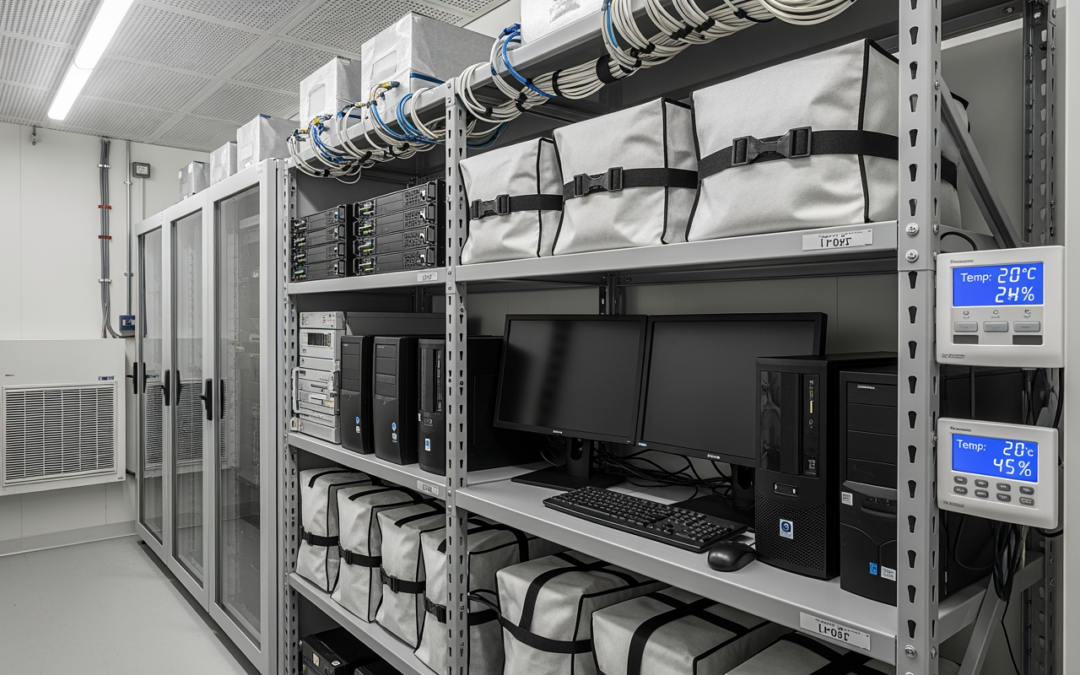
In the business world, reliance on electronics and high-tech gear is absolute. From the servers that power operations to the specialised equipment that provides a competitive edge, these are not just tools; they represent significant investments, often forming the very backbone of a company. When the need arises to store this valuable tech, perhaps during an office move, a downsizing phase, or simply to house surplus inventory, the question of how and where becomes critically important. Simply placing items into any old dusty corner will not suffice. A solution that understands the delicate nature of modern circuitry is essential. That is where specialised business storage, particularly units with climate control, proves its worth.
At Newbury Self Store, we have seen firsthand what can happen when electronics are stored improperly, and we are passionate about helping local businesses avoid those costly pitfalls. Let us delve into how to store electronics the right way.
The Big Question: Why Can’t I Just Stick My Electronics in Any Old Storage Unit? considering how to store electronics
It is a fair question. Storage is storage, correct? Well, not quite when it comes to items that are sensitive to their environment. Think of it this way: one would not leave a delicate plant in a freezing garage or a stuffy attic and expect it to thrive. Your electronics, in their own way, are just as particular.
The Real Value of Your Business Tech (It Is More Than Just Pounds and Pence)
Before we get into the nitty-gritty, let us just appreciate what we are discussing. It’s easy to see the purchase price of a computer, a high-end printer, or specialised diagnostic equipment. But the true value often lies in the data they hold, the operational continuity they provide, or the unique service they enable your business to offer. Damage does not just mean repair or replacement costs; it can mean lost data, operational downtime, missed deadlines, and a hit to your reputation. Suddenly, investing a little thought and care into storage seems like a rather good idea.
The Unseen Enemies: What Really Threatens Your Sensitive Gear
Several environmental factors can turn a standard storage unit into a challenging environment for electronics. These are the culprits you need to guard against:
- Temperature Tantrums: The Ups and Downs That Wreak Havoc Extreme cold can make components brittle and cause battery life to plummet. Extreme heat, on the other hand, can warp plastics, degrade circuits, and even cause solders to fail over time. Perhaps even more damaging are rapid temperature fluctuations. As materials expand and contract, delicate connections can loosen, and internal condensation can form. Imagine your car on a frosty morning – that moisture on the inside? You do not want that happening inside your server.
- Humidity Horrors: When Moisture Means Mayhem This is a significant factor. High humidity means more moisture in the air. This moisture can condense on cool electronic surfaces, leading to corrosion on circuit boards, connectors, and other metal parts. It can cause short circuits if a device is powered up while damp. Conversely, extremely low humidity can increase the risk of electrostatic discharge. Consistent, moderate humidity is the goal for climate control electronics storage.
- Dust Devils and Static Shocks: The Silent Saboteurs Dust might seem innocuous, but it is a real menace. It can accumulate inside devices, clogging cooling fans and leading to overheating. It can also create conductive paths on circuit boards, potentially causing shorts. Static electricity, that little zap you sometimes get after walking across a carpet, can be fatal to the microscopic components inside your tech. Integrated circuits are particularly vulnerable to electrostatic discharge (ESD).
The climate control electronics imperative: why it is non-negotiable for safe storage
Given these threats, it becomes clear that a storage solution offering climate control is not a luxury; it is a necessity. Climate-controlled units maintain a stable temperature and humidity level, protecting your gear from these damaging environmental swings. This consistent environment drastically reduces the risk of condensation, corrosion, heat or cold damage, and even mitigates some dust issues by often having better air filtration. When you choose to store electronics professionally, you are investing in their longevity and reliability.
Getting Ready for Hibernation: Prepping Your Electronics for Storage Success to correctly store electronics
Before your tech even sees the inside of a storage unit, a bit of preparation can make all the difference. Think of it as tucking them in for a long, safe nap.
A Clean Start: Wiping Away Future Problems
Give everything a good clean. Use a soft, lint-free cloth to wipe down casings. Compressed air is your best friend for blasting dust out of vents, keyboards, and ports. The less dust going into storage, the less that can cause problems during storage. I remember a client, a graphic design agency, who stored their older iMacs without cleaning them. When they retrieved them a year later for an intern, the fans were so clogged they sounded like jet engines and one machine quickly overheated. A simple clean could have saved them a repair bill.
The Golden Rule of Data: Backup, Backup, and Then Backup Again!
This cannot be stressed enough. Before you power down any computer, server, or device containing data, ensure you have multiple, verified backups. Cloud storage, external hard drives, network-attached storage – whatever your system, test it. Data is often irreplaceable, and the peace of mind from knowing it is secure is priceless.
Powering Down and Disconnecting: Essential Steps for Safety
Ensure all devices are fully powered off, not just in sleep or standby mode. Unplug all peripherals – keyboards, mice, monitors, external drives, and, crucially, power cables. This prevents any accidental power-ups and reduces the number of entry points for dust or pests (unlikely in a good unit, but best practice!).
- The Battery Conundrum: To Remove or Not to Remove? This is a common question. For devices with easily removable batteries (like some laptops or older gadgets), it is generally a good idea to take them out if storing for an extended period (say, 6+ months). This prevents any risk of leakage or deep discharge, which can damage the battery or the device itself. Store the batteries separately in a cool, dry place (not touching metal). For devices with integrated batteries (smartphones, modern laptops), ensure they are charged to around 50-60% before storage. Storing them fully charged or fully depleted for long periods can degrade battery health.
Original Packaging: Your First Line of Defence (And What to Do If It Is Long Gone)
If you are a super-organised type and still have the original boxes and protective inserts, fantastic! These are custom-designed to cushion and protect your specific items. Using them is a no-brainer. However, let us be realistic – most of us recycle those boxes pretty quickly. If that’s you, do not despair! You can create a very safe environment with the right materials. If original packaging is unavailable, creating a safe alternative is key. At Newbury Self Store, we offer a comprehensive range of high-quality Packaging supplies, including sturdy boxes and protective bubble wrap, perfect for securing your electronics and ensuring they are well-protected during their time in storage.
Wrapping It Up: Packing Techniques That Protect and Preserve Your Electronics
Proper packing is your next layer of defence, creating a protective cocoon around your valuable electronics.
An Anti-Static Embrace: Shielding from Invisible Threats
For particularly sensitive components like motherboards, graphics cards, or even whole computers if you are being extra cautious, use anti-static bags. These bags are designed to prevent the build-up of static electricity and shield the contents from external static charges. Anti-static bubble wrap is also an excellent choice for cushioning and protection.
Choosing Your Containers Wisely: Boxes, Bins, and Beyond
Use sturdy, good-quality boxes. Avoid flimsy ones that might collapse. Double-walled cardboard boxes are excellent for heavier items. For smaller gadgets or components, sealable plastic bins can offer an extra layer of protection against dust and moisture, though in a climate-controlled unit, this is less critical than in a standard one. For very large or numerous pieces of equipment, such as a whole office IT setup or bulky broadcasting gear, you might even explore options like our Container Storage. These units provide robust, secure space suitable for larger items that may not require the same nuanced climate control as our dedicated indoor units designed for sensitive electronics, but offer excellent protection for more durable equipment. Always discuss your specific needs with our team to find the best fit.
Taming the Cable Monster: Organisation is Key
Coil cables neatly (do not fold them tightly, as this can damage the internal wires) and secure them with cable ties or Velcro straps. Label them clearly – you’ll thank yourself when it’s time to retrieve and set everything up again! There’s nothing more frustrating than a tangled mess of anonymous wires. Store cables with their respective devices if possible, perhaps in a labelled ziplock bag within the same box.
Filling the Voids: Ensuring Snug and Secure Placement
Once an item is in its box, fill any empty spaces with packing material. This prevents items from shifting around during transit or if the box is moved within the unit. Bubble wrap, packing peanuts (eco-friendly versions are available!), foam inserts, or even crumpled packing paper can work. The aim is to immobilise the contents.
Not All Storage is Created Equal: Selecting the Perfect High-Tech Haven with climate control electronics
So, you have prepped and packed your electronics like a pro. Now, it is time to choose the right storage unit. Climate control is paramount, but there are other factors to consider when looking at our Business Storage solutions at Newbury Self Store. These units are specifically designed to cater to commercial needs, offering various sizes and features to protect your valuable assets.
Beyond Climate Control: What Else Makes a Great Business Storage Unit?
- Fort Knox Fantasies: Unpacking Security Features Your tech is valuable, so robust security is a must. Look for facilities with good CCTV coverage (both inside and out), secure perimeter fencing, individual unit alarms, and controlled access systems. Ask about staff presence and their security protocols. Peace of mind comes from knowing your assets are well-guarded.
- Access All Areas: Getting to Your Gear When You Need It Consider how often you will need to access your stored items. What are the facility’s access hours? Is it easy to drive up to or near your unit? If you need regular access, these practicalities matter a lot.
- The Goldilocks Zone: Picking the Right Unit Size You do not want to pay for space you do not need, but equally, you do not want to cram everything in so tightly that it is difficult to access or risks damage. Sketch out what you need to store, or better yet, talk to the storage facility staff. They are experienced in helping customers estimate the right unit size. A little too big is usually better than a little too small.
A Word on Insurance: Covering Your Assets
While a reputable storage facility will do everything to protect your goods, insurance provides an extra layer of security for unforeseen circumstances. Check your existing business insurance policy – it might cover goods in storage. If not, the storage facility will usually offer tailored insurance options. Do not skip this; it is a small price for significant peace of mind when you store electronics of high value.
The Newbury Self Store Promise: Your Partner in Safeguarding Tech with climate control electronics
At Newbury Self Store, we understand the unique requirements to safely store electronics and high-tech equipment. Our climate-controlled units are specifically designed to provide the stable environment your sensitive gear needs. We do not just offer space; we offer a secure, well-maintained, and accessible solution.
- We ensure our Business Storage units maintain consistent temperature and humidity levels, ideal for everything from IT hardware to delicate audio-visual equipment requiring climate control electronics environments.
- Our security measures are comprehensive, designed to give you confidence that your valuable assets are protected around the clock.
- And it is not just for big businesses! If you have valuable personal electronics, collectables, or sensitive media, our Personal Storage options with climate control can be just the ticket, offering the same level of protection for your home valuables.
- Our friendly, knowledgeable team is always on hand to discuss your specific needs, help you choose the right unit size, and offer advice on best storage practices. You can learn more about our services or ask specific questions through our Contact Us section – we’re here to make your storage experience smooth and stress-free.
Long Haul or Short Sprint? Considerations for Different Storage Durations when you store electronics
Are you storing items for a few weeks during an office shuffle, or are they going into a longer-term archive?
Keeping Batteries Happy Over Time
If you have removed batteries, store them in a cool, dry place. For non-removable batteries stored at 50-60% charge, if it is extremely long-term (a year or more), and if it is feasible and permitted by the facility, you might consider retrieving the device briefly every 6-12 months to check the charge and top it up to 50% if needed. However, for most business storage scenarios up to a year, the initial 50-60% charge should be fine.
The Wisdom of Occasional Check-Ups (If Practical)
For very long-term storage of critical equipment, and if your access arrangements allow, a quick visual inspection every so often (e.g., annually) can provide reassurance. This is more about your peace of mind than a strict necessity in a good climate-controlled unit.
What’s Where? Mastering Inventory for Your Stored Electronics
Especially for businesses storing multiple items, a clear inventory system is crucial. It might seem like a chore upfront, but it’ll save you immense time and potential headaches later.
Simple Systems for Sanity
A simple spreadsheet listing each item, its serial number (if applicable), the box it is in, and perhaps even a photo can be invaluable. Label boxes clearly on multiple sides with a reference number that corresponds to your inventory list. You can even use QR codes linked to your spreadsheet entries if you are feeling particularly tech-savvy!
Why Businesses Can’t Afford to Skip This
Imagine needing a specific piece of backup equipment urgently. Sifting through dozens of unlabelled boxes is a nightmare scenario. A good inventory means you can locate what you need quickly and efficiently, minimising downtime. It’s also essential for insurance purposes.
Power Up Your Peace of Mind: Making the Smart Storage Choice to Store Electronics
Storing electronics and high-tech gear correctly is an investment in their longevity and your business’s continuity. By understanding the risks and taking proactive steps in preparation, packing, and choosing the right climate control electronics storage solution, you are not just putting items away; you are safeguarding valuable assets.
You are ensuring that when you need that server, that specialised tool, or that archive of digital media, it is in the same excellent condition as when you stored it. That’s the peace of mind that comes with smart storage.
Ready to give your valuable tech the protection it deserves? Explore the comprehensive storage solutions detailed on ourNewbury Self Store, where you can find an overview of all our services. Or, better yet, reach out to our Newbury Self Store team through the Contact Us section today. We are eager to help you find the perfect, secure, climate-controlled home for your business electronics.