
 01635 581 811
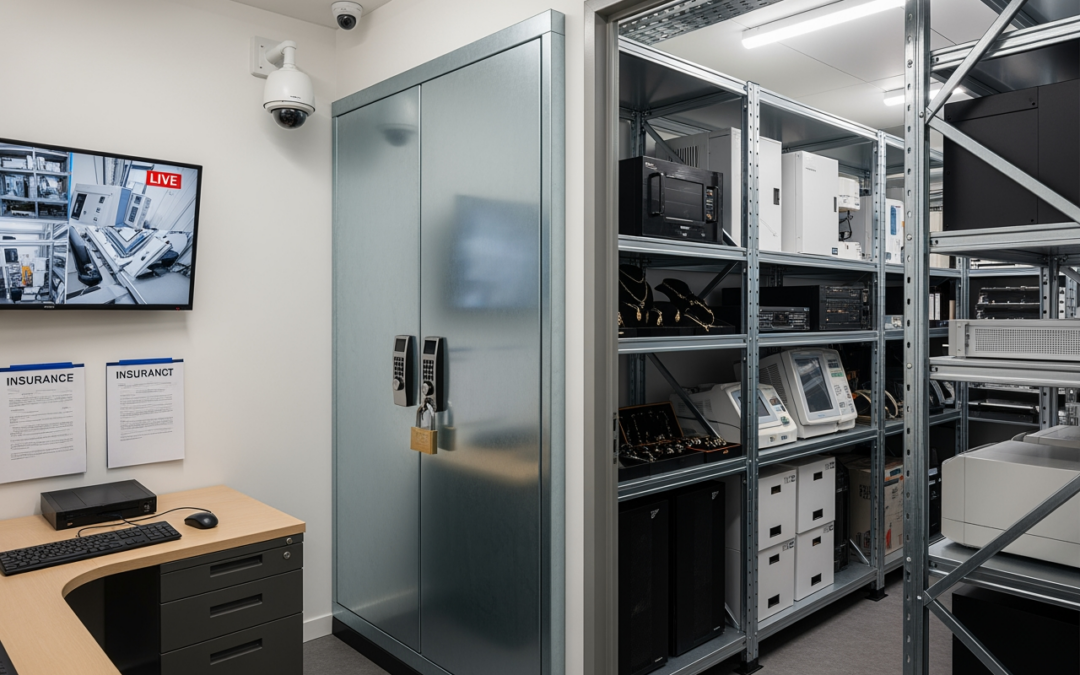
Hello there, fellow business owner. Juggling high-value inventory or essential, expensive equipment often brings a familiar sense of unease regarding its safety. Whether it’s cutting-edge electronics, irreplaceable client documents, delicate artisan goods, or specialised machinery, these assets are the lifeblood of your business. Losing them to damage, theft, or deterioration isn’t just a financial hit; it can impact your reputation and operational continuity. This is precisely where the concept of Specialty Storage becomes paramount, offering a robust solution for protecting what truly matters.
Many businesses, especially when starting out or expanding rapidly, might try to make do with a spare room, a corner of the warehouse, or a standard, no-frills storage unit. But when the stakes are high, “making do” can be a costly gamble. This comprehensive guide will walk you through everything you need to know about setting up Specialty Storage specifically designed for your high-value inventory storage needs, ensuring your prized assets are kept in optimal conditions, safe and sound. A quality local provider, such as us at Newbury Self Store, might just be the partner you are looking for to achieve this.
Protecting Your Business’s Crown Jewels: Why Standard Storage Isn’t Enough for high-value inventory storage
It is easy to think that any locked space is good enough. But for items that are particularly valuable, sensitive, or critical to your operations, standard storage often falls short, presenting a range of risks you might not have considered.
The Hidden Risks in Your Back Room or Basic Unit
Think about that back office where you are stashing those expensive prototypes, or that generic storage unit down the road. The real risks include:
- Environmental Damage: Fluctuations in temperature and humidity can wreak havoc on electronics (corrosion, condensation), important documents (mould, brittleness), wooden items (warping, cracking), fabrics (mildew), and even some metals. A standard unit offers little to no protection against the Great British weather and its unpredictable nature.
- Security Lapses: Basic storage might offer a padlock and a prayer. But for high-value goods, you need more. Opportunistic theft is a real concern, and without proper surveillance, alarms, and access control, your assets are vulnerable.
- Pest Infestations: An unpleasant thought, yet rodents and insects can cause significant damage to stored goods, from chewing through wires to nesting in valuable stock.
- Accidental Damage: Cramped spaces, poor organisation, or lack of appropriate handling equipment in a make-do storage area can lead to items being knocked over, crushed, or broken.
- Lack of Anonymity and Discretion: Sometimes, the less attention drawn to where your valuables are stored, the better. A clearly marked business premises or a very public standard storage facility might inadvertently advertise the presence of something worth stealing.
Peace of Mind: The True Value of Specialised Protection for your assets
Investing in proper high-value inventory storage isn’t just an expense; it’s an investment in peace of mind. Knowing that your critical assets are protected by tailored environmental controls, robust security systems, and professional management allows you to focus on what you do best – running your business. It mitigates financial risk, protects your operational capability, and demonstrates a professional approach to asset management. Imagine sleeping soundly, knowing your sensitive electronics aren’t slowly succumbing to damp, or that your archive of vital legal documents is safe from fire, flood, and unauthorised eyes. That is the reassurance that Specialty Storage offers.
Step 1: Knowing Your Treasures – A Deep Dive into Your High-Value Assets and specialty storage needs
Before you can even begin to think about the ‘how’ and ‘where’ of storing your valuable items, you need to get crystal clear on the ‘what’. A thorough assessment of your inventory and equipment is the crucial first step.
What Exactly Are We Talking About? Identifying Your Valuables
It sounds obvious, does it not? But “high-value” can mean different things to different businesses. It is not just about the monetary cost of replacement; it is also about an item’s importance to your operations, its rarity, or its sentimental or historical significance.
From Tech to Antiques: A Spectrum of Value
Consider the breadth of items that might fall under this umbrella:
- Electronics & Tech Equipment: Servers, computers, specialised diagnostic tools, high-end audio-visual gear, drones, robotics.
- Pharmaceuticals & Medical Supplies: Temperature-sensitive drugs, research samples, delicate medical devices.
- Art & Antiques: Paintings, sculptures, collectibles, historical artefacts, fine furniture.
- Legal & Financial Documents: Client files, contracts, intellectual property documents, archival records.
- Luxury Goods & Fashion: Designer clothing, handbags, watches, jewellery.
- Specialised Machinery & Tools: Precision instruments, manufacturing components, custom-made tools.
- Excess Stock of High-Ticket Items: If you sell premium products, your overstock is still a significant asset.
The Importance of a Detailed Inventory and Valuation
Once you have identified these items, the next stage is to create a comprehensive inventory. This is not just a quick list scribbled on a notepad. For each item, or category of items, try to document:
- Description: Make, model, serial number, unique identifiers.
- Quantity: How many units do you have?
- Current Condition: Note any existing wear or damage. Photographs can be invaluable here.
- Purchase Date & Cost: For insurance and accounting.
- Replacement Value: This might be different from the original cost, especially for items that appreciate or are hard to source.
- Specific Storage Needs (Preliminary): We will delve deeper into this next, but make initial notes (e.g., “fragile,” “needs to stay cool,” “very heavy”).
This detailed inventory is not just for your internal records. It is vital for insurance purposes and will be incredibly helpful when discussing your needs with a potential storage provider.
Beyond the Price Tag: Understanding Specific Storage Needs
Knowing what you have is half the battle; understanding what it needs is the other, equally important, half. Different items have different vulnerabilities.
Is It Sensitive? Climate, Light, and Other Considerations
- Temperature Sensitivity: Many items degrade rapidly if too hot or too cold. Electronics can overheat or suffer from condensation if temperatures swing wildly. Pharmaceuticals often have strict temperature ranges for efficacy. Wine, art, and antiques are also highly susceptible.
- Humidity Control: Too much moisture leads to mould, mildew, rust, and corrosion. Too little can cause items like wood, paper, and certain textiles to become brittle and crack.
- Light Sensitivity: Prolonged exposure to UV light (even indirect sunlight or harsh artificial light) can fade artwork, textiles, and important documents.
- Vibration Sensitivity: Delicate instruments or electronics might require storage that minimises vibration.
Security Level: How Much Protection is ‘Enough’?
The more valuable, portable, or desirable an item is, the higher the security level it requires. Ask yourself:
- How attractive is this item to thieves?
- How easily could it be sold or disposed of if stolen?
- What would be the impact of theft on my business (financial, reputational, operational)?
This will help you determine if a standard lock and key will suffice, or if you need a unit with individual alarms, advanced CCTV monitoring, restricted access zones, and other high-security features.
Handling with Care: Fragility, Size, and Weight Factors
How will these items be moved and stored?
- Fragility: Glassware, ceramics, delicate electronics, and artwork need careful packing and protection from bumps and knocks.
- Size & Weight: Large or heavy equipment may require specialised lifting gear, wider access points, or ground-floor units. Consider if items can be palletised for easier movement and storage.
- Stacking: Can items be stacked? If so, how high? Or do they need to be stored individually on shelves?
Thinking through these specifics will arm you with the information needed to choose the perfect Specialty Storage setup. For many businesses, a versatile solution like the secure Business Storage options we offer can be an excellent starting point. These provide various sizes and accessibility levels, catering to a wide array of commercial requirements, ensuring your company’s assets are well-protected.
Step 2: Finding Your Fortress – Choosing the Right Specialty Storage Solution for high-value inventory
Armed with a detailed understanding of your inventory’s needs, you can now explore the types of Specialty Storage units available. It’s not a one-size-fits-all situation; the best solution will align perfectly with your specific requirements.
Climate-Controlled Comfort: When Temperature and Humidity Matter Most
For a significant portion of high-value and sensitive inventory, climate-controlled storage is non-negotiable. These units maintain a consistent temperature and humidity level, protecting your items from the damaging effects of environmental fluctuations.
Who Needs It? Electronics, Artwork, Documents, and More
A wide array of items benefit immensely from climate control:
- Electronics: Prevents overheating, condensation, and corrosion. Essential for servers, computers, audio-visual equipment, and medical devices.
- Artwork & Antiques: Protects against warping, cracking, fading, and mould. Crucial for paintings, wooden furniture, textiles, and collectibles.
- Documents & Archives: Stops paper from becoming brittle or developing mould and mildew. Vital for legal files, financial records, historical documents, and photographs.
- Pharmaceuticals & Medical Supplies: Ensures that temperature-sensitive products maintain their efficacy and safety.
- Musical Instruments: Especially wooden instruments like pianos, guitars, and violins, which are very sensitive to changes in humidity.
- Fine Wines: Requires very stable, cool temperatures for proper aging.
- Leather Goods & Designer Clothing: Prevents drying, cracking, or mildew.
The Science of Stability: How Climate Control Protects
Climate-controlled units typically use dedicated HVAC (Heating, Ventilation, and Air Conditioning) systems, often with humidifiers or dehumidifiers, to maintain a set range – for example, between 13°C and 18°C (55°F and 65°F) and a relative humidity between 30% and 50%. This stability is key. It prevents the constant expansion and contraction that materials undergo with temperature swings, and it inhibits the growth of damaging organisms that thrive in damp conditions. It is a proactive measure that significantly extends the life and preserves the condition of your valuable assets.
High-Security Havens: Giving Your Valuables the Vault Treatment
When the primary concern is theft or unauthorised access, you need to look beyond standard security. High-security Specialty Storage units are designed to offer maximum protection for your most precious items.
Features to Look For: Beyond a Simple Lock and Key
These units often boast a multi-layered security approach:
- Advanced CCTV Surveillance: Comprehensive coverage of all access points, corridors, and often individual unit doors, with recordings stored securely and monitored.
- Individually Alarmed Units: An alarm that sounds if your specific unit is breached, often linked directly to a security company or facility management.
- Restricted Access Control: Key fobs, PIN codes, or even biometric scanners to ensure only authorised personnel can enter specific areas or the facility itself. Detailed access logs are often kept.
- Robust Physical Construction: Reinforced doors, stronger locks, and sometimes steel-lined walls or ceilings.
- On-Site Staff & Security Patrols: The presence of trained personnel acts as a deterrent and provides a rapid response capability.
- Perimeter Security: Fencing, secure gates, and often motion-sensor lighting around the facility.
Ideal for: The Irreplaceable and Highly Coveted
High-security storage is particularly suited for:
- Jewellery and precious metals
- Small, high-value electronics (e.g., prototype chips, specialist components)
- Firearms (subject to strict regulations and facility policies)
- Confidential data backups or sensitive intellectual property on physical media
- Small art pieces or collectibles of extreme value
Made to Measure: Customisable Spaces for Unique Requirements
Sometimes, your storage needs do not fit neatly into a standard box, even a climate-controlled or high-security one. This is where customisable Specialty Storage options come into play.
Shelving, Racking, and Workflow Integration
Many forward-thinking storage facilities, including us at Newbury Self Store, understand that businesses may need more than just an empty room. Customisation can include:
- Installation of Shelving or Racking: To maximise vertical space and keep items organised and accessible. This is invaluable for archive boxes, parts bins, or smaller inventory items.
- Specific Layouts: If you need a small workspace within your unit for cataloguing or minor assembly, some facilities might be able to accommodate this.
- Power Access: For charging equipment or running specific devices within the unit (always check facility policies on this).
- Larger or Unusually Shaped Units: For bulky equipment or items that require a non-standard footprint. Our Container Storage options, for example, offer robust, spacious solutions. These are ideal for larger equipment or palletised goods needing excellent security, where ground-level access is a priority, even if full climate control is not the primary concern.
Can Your Storage Adapt With Your Business?
Business needs are rarely static. You might need to scale up your storage space during peak seasons or scale down if you streamline your inventory. A good Specialty Storage provider will offer flexible lease terms and the ability to easily transition to different-sized units as your requirements evolve. This adaptability is a key feature of a truly business-friendly storage solution.
Step 3: Battle Ready – Preparing Your Inventory for Its Secure Stay with appropriate specialty storage methods
Once you have chosen the right type of Specialty Storage, the next vital step is to prepare your high-value items properly. How you pack and organise your goods before they even reach the storage unit can make a huge difference to their long-term safety and your ability to manage them effectively.
The Art of the Wrap: Superior Packing for Superior Protection
Think of packing as the first line of defence for your valuables. Using the right materials and techniques is crucial, especially for items going into long-term storage or those that are particularly fragile or sensitive.
Materials Matter: Choosing the Right Defences
Do not skimp on packing supplies – the cost of good materials is tiny compared to the potential cost of damage.
- Sturdy Boxes: Use new, high-quality, double-walled corrugated boxes for heavier items or for stacking. Avoid used boxes from supermarkets, as they may be weakened or harbour pests.
- Bubble Wrap (Various Sizes): Essential for cushioning fragile items. Use small bubbles for delicate surfaces and larger bubbles for overall protection.
- Acid-Free Paper/Tissue: For wrapping artwork, photographs, delicate textiles, and silverware to prevent discolouration or chemical reactions.
- Packing Peanuts or Foam Inserts: To fill voids in boxes and prevent items from shifting during transit or handling.
- Furniture Covers or Blankets: To protect furniture from dust, scratches, and light.
- Stretch Wrap/Pallet Wrap: Useful for securing multiple boxes together on a pallet or for wrapping larger items to keep them clean and components together.
- Anti-Static Bags & Packaging: Absolutely critical for sensitive electronics to protect them from electrostatic discharge.
- Custom Crates: For extremely valuable, fragile, or unusually shaped items like sculptures or specialised equipment, a custom-built wooden crate offers the ultimate protection.
- Strong Packing Tape: To securely seal all boxes.
Don’t Forget the Label Maker: Clear Identification is Key
Every box or wrapped item should be clearly labelled. Do not rely on your memory! Include:
- Contents: A general description (e.g., “Office Files 2020-2021,” “Spare Server Components,” “Antique Vases”). For very high-value items, you might use a code known only to you for added security.
- Fragile Warnings: Use “FRAGILE” labels or tape prominently.
- “This Way Up” Arrows: For items that must be kept in a specific orientation.
- Box Number (if part of a system): Cross-reference this with your detailed inventory list.
Thinking About Quality Packaging?
It is worth noting that good storage facilities often provide a range of high-quality packing materials. Exploring Packaging will show you the comprehensive selection we stock, designed to help you protect your items effectively for storage and moving. This convenience ensures you have access to the right materials specifically designed for these purposes.
Know Your Stock: Implementing Effective Inventory Management
Once your items are packed and ready for storage, having a robust inventory management system is essential. This will help you keep track of what’s in storage, where it is, and its condition.
Digital Wizards vs. Tried-and-True Paper Trails
You have several options for inventory management:
- Spreadsheets: A simple Excel or Google Sheet can work well for many businesses. Include columns for item description, quantity, box number, storage location within the unit, date stored, and any relevant notes.
- Specialised Inventory Management Software: There are many software solutions available, from simple apps to complex enterprise systems. These can offer features like barcode scanning, photo attachments, and reporting.
- The Classic Paper System: For some, a well-organised binder with detailed lists and diagrams of the unit layout might suffice, though this is less flexible and harder to update.
Whichever system you choose, consistency is key. Update it every time an item is added to or removed from storage.
The Benefits: Easy Tracking, Swift Retrieval, Smooth Audits
A good inventory system provides numerous benefits:
- Quick Retrieval: Need to find a specific item in a hurry? Your inventory list will tell you exactly which box it’s in and where that box is located.
- Efficient Audits: Whether for internal accounting, insurance purposes, or stock-taking, an accurate inventory makes the process much smoother.
- Reduced Risk of Loss: Knowing what you have and where it is minimises the chances of items being misplaced or forgotten.
- Better Space Utilisation: By knowing the dimensions and nature of your items, you can plan your storage unit layout more effectively.
Taking the time to properly prepare and catalogue your high-value inventory before it goes into Specialty Storage will pay dividends in the long run, ensuring both the physical safety of your goods and your ability to manage them with ease.
Step 4: Choosing Your Champion – Selecting the Perfect Storage Partner for your high-value inventory storage
You have assessed your needs, you know what kind of Specialty Storage you require, and your items are impeccably packed. Now comes one of the most critical decisions: choosing the right storage facility. This is not just about finding the cheapest or closest option; it is about entrusting your valuable assets to a partner who understands and can meet your specific security and care requirements.
Location, Access, Action! Convenience is King
Whilst security and suitability are paramount, practical considerations like location and accessibility play a big role in how well the storage solution works for your business.
Does the Commute Make Sense for Your Operations?
Think about how often you will need to access your stored items.
- Proximity to Your Business: A facility that is too far out of your way can lead to wasted time and increased transportation costs. Ideally, it should be conveniently located for you or your staff.
- Ease of Access for Vehicles: Can you easily drive a van or lorry up to your unit or a loading bay? Are the driveways wide enough? Is there ample parking?
Opening Hours: Do They Align With Your Business Needs?
Standard office hours might not cut it if you need to access your inventory early in the morning, late in the evening, or on weekends.
- Check Access Hours: Many facilities offer extended access, and some even provide 24/7 access for business clients. Ensure their hours work with your operational rhythm.
- Out-of-Hours Procedures: If you do need access outside standard times, understand the procedure and any potential extra costs.
The Security Checklist: Asking the Non-Negotiable Questions about high-value inventory storage
This is where you need to be meticulous. Do not be shy about asking detailed questions about a facility’s security measures. After all, you are looking for reliable High-Value Inventory Storage.
Eyes Everywhere: CCTV and Monitoring
- Coverage: Is there CCTV covering entrances, exits, corridors, loading bays, and ideally, the area around your specific unit?
- Quality: Are the cameras high-resolution? Do they have night vision?
- Monitoring: Is the CCTV footage actively monitored, or just recorded? How long are recordings kept?
Gatekeepers: Access Control Systems
- Facility Access: How is entry to the site itself controlled? PIN codes, key fobs, swipe cards, or manned security gates?
- Unit Access: What kind of lock is on your unit? Do you provide your own padlock (recommended, so you are the sole keyholder), or does the facility provide one? Are there options for individually alarmed units?
- Access Logs: Does the facility keep a record of who enters and exits, and when?
Boots on the Ground: Staff Presence and Protocols
- Staffing Levels: Is there staff on-site during business hours? What about after hours?
- Security Patrols: Do they conduct regular patrols of the facility?
- Emergency Procedures: What are their procedures in case of a fire, flood, or security breach?
How seriously do they take High-Value Inventory Storage?
Gauge their understanding and experience with storing valuable items. Do they offer specific advice or solutions for businesses like yours? Their answers will reveal a lot about their professionalism and suitability.
Covering Your Assets: Understanding Insurance and Liability
Insurance is a crucial safety net. Do not assume anything – get the details in writing.
- What’s Included? Facility Insurance Explained: Most storage facilities will have their own insurance, but this typically covers their liability for the building and common areas, not necessarily the contents of your individual unit. Ask for a copy of their insurance policy or a summary of what it covers.
- Your Own Safety Net: Business Insurance for Off-Site Goods: It is highly probable that you will need to arrange your own insurance for the goods you store. Check your existing business insurance policy – it may cover goods stored off-site up to a certain limit, but you will likely need to inform your insurer and potentially adjust your coverage. Some storage facilities offer insurance policies specifically for stored goods as an add-on service. Always clarify the level of cover, what is excluded, and the claim process.
Word on the Street: Reputation and Real Reviews
A facility can look great on paper or on its website, but what are actual customers saying?
- Digging Deeper Than the Brochure: Look for online reviews on Google, Trustpilot, and other independent platforms. Pay attention to comments about security, cleanliness, customer service, and access.
- Ask for Testimonials or References: A reputable facility should be happy to provide testimonials from other business clients, particularly those with similar storage needs.
Why Newbury Self Store Could Be Your Ideal Ally
Naturally, we believe Newbury Self Store ticks a lot of these boxes. We pride ourselves on offering secure, flexible, and accessible storage solutions for businesses of all sizes. Our approach to Business Storage is designed with your needs in mind, from robust security features to a range of unit sizes, ensuring we can accommodate various commercial requirements. We understand the importance of protecting your high-value inventory and equipment.
We encourage you to get in touch to discuss our security measures and how we can support your business. We are always happy to discuss your specific requirements and help you find the perfect Specialty Storage solution. You can reach out through our Contact Section to arrange a discussion or ask any questions you may have. This is a direct way to get personalised advice for your storage challenges.
Step 5: Organising Your Oasis – Setting Up and Managing Your Unit for optimal specialty storage
You have chosen your storage facility, your high-value items are expertly packed, and you are ready to move in. But the job is not quite finished. How you organise your unit and manage it on an ongoing basis is key to maintaining security, accessibility, and the condition of your goods.
A Place for Everything: Strategic Layout for Efficiency
Do not just pile boxes in randomly! A little thought into the layout of your Specialty Storage unit can save you a lot of headaches later.
- Create Aisles: Leave clear pathways so you can easily access all parts of your unit. You do not want to have to move ten boxes to get to the one you need at the back.
- Heavy Items at the Bottom, Lighter Items on Top: This prevents crushing and makes the stacks more stable.
- Frequently Accessed Items Near the Front: If you know you will need certain items regularly, store them where they are easiest to reach.
- Leave a Small Gap Around Walls: This allows for air circulation, which is particularly important even in climate-controlled units to prevent any localised moisture build-up.
- Consider a Diagram: For larger or more complex units, sketching out a simple map of where specific categories of items are stored can be a lifesaver. Keep a copy with your inventory list.
Shelving and Racking: Your Organisational Heroes
For many types of inventory, especially smaller boxes, archive files, or parts, investing in freestanding shelving or racking units is a game-changer.
- Maximise Vertical Space: Shelving allows you to use the full height of your unit safely and efficiently.
- Improved Organisation: Items are easier to see and access when they are not buried in a stack.
- Better Air Circulation: Storing items on shelves rather than directly on the floor (especially concrete floors) can help protect against potential dampness.
- Protection for Fragile Items: Prevents crushing that can occur in tall stacks of boxes.
Check with your storage facility about their policies on installing shelving – most are amenable to freestanding units.
Keeping Your Inventory List Front and Centre
Make sure your detailed inventory list is readily accessible.
- Keep a Copy in the Unit: Perhaps in a waterproof sleeve attached to a shelf or the inside of the door.
- Digital Access: Ensure your digital inventory (if you use one) is easily accessible via your phone or tablet when you are at the unit.
- Update It Religiously: Every time you add or remove an item, update your list immediately. This discipline is crucial for accurate high-value inventory storage management.
The Vigilant Approach: Regular Checks for Continued Confidence
Even with the best facility and preparation, it is wise to conduct periodic checks on your stored items. This is not about distrusting the facility; it is about responsible asset management.
Pop In for a Visit: Monitoring Your Stored Goods
- Scheduled Inspections: Depending on the nature of your goods, plan to check your unit monthly, quarterly, or at an interval that makes sense.
- Check for Issues: Look for any signs of pests (though highly unlikely in a good facility), dust accumulation, or any unexpected changes. If you have items sensitive to damp, you might even consider a small, inexpensive humidity monitor inside the unit.
- Verify Security: Ensure your lock is secure and that the general area around your unit remains well-maintained and secure.
Keeping Tabs on Conditions and Security
If your unit is climate-controlled, you are relying on the facility’s systems. However, your own checks can provide an extra layer of reassurance. If you have extremely sensitive items, you might even discuss with the facility if they have data logging for their climate control systems that you could periodically review.
By maintaining an organised unit and conducting regular checks, you ensure that your Specialty Storage solution continues to provide the optimal environment and security for your valuable business assets.
Specialty Storage Stories: Real-World Wins for Businesses Like Yours using high-value inventory storage
Sometimes, the best way to understand the value of Specialty Storage is to see it in action. Let us look at a few scenarios where the right storage solution makes all the difference for businesses handling High-Value Inventory Storage.
The Gadget Guru: Protecting Delicate Electronics from the Elements
- Scenario: Imagine “TechSpark,” an online retailer specialising in refurbished high-end drones and sensitive camera equipment. Their stock is valuable, delicate, and highly susceptible to damage from dust, humidity, and temperature fluctuations. Storing this inventory in their small, uninsulated office backroom was leading to a higher-than-acceptable rate of component failure before items even shipped.
- Specialty Storage Solution: TechSpark moved their inventory into a climate-controlled Specialty Storage unit. The consistent temperature and low humidity prevented condensation on circuit boards and kept sensitive lenses clear. They also used anti-static packaging for individual components.
- The Win: Product failure rates plummeted, customer satisfaction increased, and TechSpark reduced losses from damaged stock. The secure access also meant their high-value, portable items were protected from theft.
The Diamond Dealer: Securing Priceless Pieces with Fort Knox Security
- Scenario: “Regal Gems” is an independent jeweller renowned for its bespoke creations and collection of rare gemstones. Their on-site safe was becoming insufficient for their growing inventory, and insurance premiums were skyrocketing due to the concentration of risk in one location.
- Specialty Storage Solution: Regal Gems opted for a high-security storage unit within a facility offering individually alarmed units, 24/7 CCTV monitoring, and stringent access control protocols. Only designated senior staff had access.
- The Win: The jeweller could store a larger portion of their inventory off-site with enhanced security, satisfying their insurers and significantly reducing the risk of a catastrophic loss from a single burglary attempt at their main premises. Peace of mind for the owner was immeasurable.
The Pharma Pioneer: Ensuring Sample Integrity with Precision Climate Control
- Scenario: A pharmaceutical sales representative, let us call her Sarah, carries a wide range of temperature-sensitive drug samples. Storing these in her car or a home refrigerator lacked the necessary temperature stability and monitoring, potentially compromising the efficacy of the samples and breaching regulatory guidelines.
- Specialty Storage Solution: Sarah utilised a small, dedicated climate-controlled unit that guaranteed a specific, narrow temperature range. The facility also provided logs to demonstrate temperature consistency, which was vital for compliance.
- The Win: Sarah could confidently assure her clients of sample integrity. She avoided the risk of product spoilage and maintained professional compliance, crucial for her role and her company’s reputation. This is a prime example of critical high-value inventory storage where precision is paramount.
The Document Defender: Safeguarding Vital Records for a Law Firm
- Scenario: “Mortimer & Finch Solicitors” had decades of client files, deeds, and sensitive legal documents stored in an overflowing basement archive. The risks of fire, flood, or pest damage were a constant worry, not to mention the inefficient retrieval process.
- Specialty Storage Solution: The firm transitioned to an archival storage service within a Specialty Storage facility. This offered climate control to prevent paper degradation, enhanced fire suppression systems, and secure, catalogued storage for their document boxes. They also opted for a system that allowed for quick retrieval of specific files when needed.
- The Win: Mortimer & Finch secured their invaluable records against physical threats, met data protection obligations more robustly, and freed up valuable office space. Accessing archived files became a streamlined process, improving overall efficiency.
These stories highlight just a few ways businesses across different sectors benefit from tailored Specialty Storage solutions. The common thread? Identifying a specific risk or need related to valuable assets and finding a storage partner who can provide the precise protection required.
Levelling Up: Advanced Strategies for Managing Ultra-Valuable Assets with specialty storage techniques
For businesses dealing with items of exceptionally high monetary or strategic value, standard Specialty Storage practices might be just the starting point. There are further, more advanced measures you can consider to enhance security and control over your most critical assets.
Tech to the Rescue: GPS Trackers, Smart Sensors, and Beyond
For certain types of inventory, especially if it is mobile or extremely valuable, incorporating technology directly onto or within the items themselves can add another layer of security and monitoring.
- GPS Trackers: For high-value equipment that might be moved between sites or is at particular risk of theft, small GPS trackers can provide real-time location data.
- Smart Sensors: Compact sensors can be placed within crates or on individual items to monitor conditions like temperature, humidity, shock (if an item is dropped), or even light exposure. These can send alerts to your phone if pre-set parameters are breached.
- RFID Tagging: Radio-Frequency Identification tags can make inventory tracking incredibly efficient, especially if you have a large volume of items. Scanners can quickly identify and log items as they move in and out of storage, or even conduct rapid audits without needing to visually inspect every item.
Whilst these technologies add cost, for specific high-stakes scenarios, the investment can be well worth the enhanced oversight and potential for rapid recovery or intervention.
Who Holds the Keys? Implementing Robust Access Control Protocols
Even if the storage facility has excellent access control, your internal procedures matter just as much.
- Limit Authorised Personnel: Not everyone in your company needs access to your high-value storage unit. Define clearly who is authorised, and why.
- Dual Authorisation: For accessing extremely sensitive items, consider a policy where two authorised individuals must be present.
- Maintain Internal Logs: Keep your own records of who accessed the unit, when, and for what purpose. This complements the facility’s logs and adds an internal accountability layer.
- Key Management: If physical keys are involved, have a strict key management policy. Who holds the keys? Where are spares kept (if any)? What is the procedure if a key is lost?
The Ongoing Audit: Regular Valuations and Inventory Checks
The value of your inventory can change over time, as can the items themselves if you are actively using the storage for turnover.
- Regular Physical Audits: Do not just rely on your paper or digital inventory. Conduct periodic physical checks to ensure everything matches up. This helps catch any discrepancies early. The frequency will depend on the value and turnover of your items.
- Re-evaluate Insurance Needs: As your inventory value fluctuates, or if you add significantly more valuable items, ensure your insurance coverage is still adequate. Underinsurance can be a costly mistake.
- Condition Reports: For items like artwork or antiques, periodic condition reports by a professional can be valuable, especially if they are being stored for very long periods.
These advanced strategies are not necessary for every business using Specialty Storage, but for those whose inventory represents a substantial financial or operational cornerstone, they provide an elevated level of security, control, and peace of mind.
Your Partner in Protection: Newbury Self Store and Your Business’s Future with reliable specialty storage
Navigating the world of Specialty Storage and ensuring your High-Value Inventory Storage is up to scratch can seem like a significant undertaking. But, as we have explored, it is an investment that protects your assets, your finances, and ultimately, your business’s ability to thrive. From understanding the specific needs of your delicate electronics or critical documents, to selecting the right type of secure, climate-controlled environment, every step is crucial.
More Than Just Space: Our Commitment to Your Peace of Mind
At Newbury Self Store, we see ourselves as more than just providers of space. We aim to be partners in your business’s success by offering secure, flexible, and reliable storage solutions. We understand the anxieties that come with managing valuable inventory and equipment, and our team is dedicated to providing a service that alleviates those concerns. Our facilities are equipped with robust security systems, and we offer a range of unit sizes and types to cater to diverse business requirements.
Let’s Talk About Your Specialty Storage Needs
Whether you are a tech start-up with sensitive prototypes, an e-commerce business with valuable stock, a legal firm needing secure document archiving, or any other enterprise with assets that demand superior protection, we are here to help. We can discuss your specific challenges and guide you towards the most appropriate Specialty Storage solution. Perhaps you are grappling with ensuring the integrity of temperature-sensitive goods, or your main concern is the outright security of easily portable, high-cost items. We can tailor advice to your situation.
A Nod to Other Needs: Considering Personal Storage or Other Solutions
And it is not just about business! Many business owners also find themselves needing secure storage for personal high-value items – perhaps during a house move, or for collections and heirlooms. Our Personal Storage solutions offer the same commitment to security and care for those cherished belongings. Furthermore, if your business deals with larger equipment, bulk materials, or needs an expansive, ground-level accessible space, our previously mentioned container storage options provide a fantastic, secure alternative. Proper packaging, as detailed on our site, remains the first step in protecting any stored item.
Protecting your high-value inventory and equipment should not be an afterthought; it should be a cornerstone of your operational strategy. By taking a proactive approach to Specialty Storage, you are not just renting space – you are investing in security, preservation, and invaluable peace of mind.
Ready to explore how Newbury Self Store can help safeguard your business’s most valuable assets? You can find out more about our services on our Newbury Self Store, or get in touch directly to discuss your specific needs via our Contact Section. We look forward to helping you find the perfect secure home for your inventory and equipment.