
 01635 581 811
Wooden furniture possesses a truly special quality. Whether it’s a grand Victorian wardrobe that’s been in your family for generations, a sleek mid-century sideboard you snagged at a vintage fair, or a lovingly crafted oak dining table that’s hosted countless family meals, these pieces are more than just functional. They hold memories, tell stories, and add a unique warmth and character to our homes. So, when the time comes to place these cherished items into long-term storage, it’s natural to feel a degree of concern. How can you ensure they emerge months, or even years, later looking just as beautiful as when they went in?
Putting items into storage often coincides with big life events , perhaps you’re moving overseas for an exciting new job, undertaking a massive home renovation, or downsizing and need a safe haven for pieces you can’t quite part with. Whatever your reason, the goal is the same: to protect wooden furniture from the ravages of time and improper storage conditions. This is especially true for antiques, where the value , both sentimental and monetary , demands an extra level of care. Effective Antique Wood Storage isn’t just about finding a space; it’s about creating a preservation chamber for your heirlooms.
Here at Newbury Self Store, we’ve seen our fair share of furniture pass through our doors, and we understand the importance of doing it right. Let’s walk through the essential steps to ensure your wooden treasures remain in tip-top condition.
Your Cherished Timber: Why Special Care in Storage is Non-Negotiable
Wood is a natural material, and that’s a huge part of its charm. But being natural also means it’s susceptible to environmental changes. Unlike plastic or metal, wood breathes , it absorbs and releases moisture, expands, and contracts. This makes it uniquely vulnerable when not stored correctly.
The Unique Vulnerabilities of Wood Over Time
Think about an old tree in a forest. It withstands the seasons, but it also shows the marks of time , a little weathering here, a slight change in colour there. When your furniture is locked away, it doesn’t have the same natural give-and-take. Instead, it can fall prey to:
- Moisture Damage: Too much humidity can cause wood to swell, warp, or even grow mould and mildew. Imagine your beautiful mahogany table developing unsightly water stains or, worse, fungal growth.
- Dryness Damage: Conversely, excessively dry air can leach moisture from the wood, causing it to shrink, crack, or split. Joints can loosen, and veneers can lift.
- Temperature Fluctuations: Extreme or rapid changes in temperature can stress the wood, leading to similar issues as dryness and dampness. Think of it like a constant tug-of-war within the wood fibres.
- Pests: Woodworm and other pests are always on the lookout for a quiet, undisturbed meal. An antique piece, in particular, might already harbour dormant larvae that could become active in the wrong conditions.
- Physical Damage: Scratches, dents, and breakages are all too common if items aren’t packed and stored with care.
Understanding “Long-Term”: What It Means for Your Furniture
“Long-term” can mean anything from a few months to several years. The longer your furniture is stored, the more critical these protective measures become. Short-term storage in a less-than-ideal spot might be forgivable for a couple of weeks (though still not recommended for valuable pieces!), but over months or years, even minor imperfections in the storage environment can compound into significant damage. For anything beyond a month or two, particularly for antiques or valuable wooden items, treating it as “long-term” and taking all necessary precautions is the wisest approach.
Before They Go In: The Essential Preparation Checklist for Flawless antique wood storage
The old saying “fail to prepare, prepare to fail” couldn’t be more apt when it comes to storing wooden furniture. What you do before your items even see the inside of a storage unit is arguably the most crucial part of the process.
Cleaning: More Than Just a Wipe Down for Lasting Protection
It might seem like a chore, but thoroughly cleaning your wooden furniture is a non-negotiable first step. Dust, food crumbs, and oily residues can attract pests, encourage mould growth, and even abrade surfaces over time.
- Start with a good dusting: Use a soft, lint-free cloth or a vacuum cleaner with a soft brush attachment. Get into all those nooks, crannies, and carvings.
- Wipe it down: Use a cleaner appropriate for the type of wood and its finish. For most sealed wood finishes, a slightly damp (not wet!) microfibre cloth is often sufficient. You can use a mild solution of soap and water, but always wring the cloth out thoroughly. For unsealed or delicate antique finishes, you might need specialised wood cleaners or polishes. Always test any cleaning product on an inconspicuous area first.
- Polish with care: A good quality furniture polish can offer a layer of protection, helping to seal the wood and prevent it from drying out. However, avoid silicone-based polishes if you plan to refinish the piece in the future, as silicone can be difficult to remove. For antiques, a traditional wax polish is often the best bet, as it nourishes the wood.
- Ensure it’s completely dry: This is vital. Storing damp furniture is an open invitation for mould and mildew. Allow ample time for pieces to air dry thoroughly after cleaning before you even think about wrapping them.
Navigating Different Finishes with Care
Modern furniture often has a resilient lacquer or varnish. Older pieces, especially antiques, might have more delicate shellac, oil, or wax finishes. Understand what you’re dealing with. If in doubt, especially with a valuable antique, consulting a furniture restorer for cleaning advice before storage can be a worthwhile investment. They can provide specific recommendations to protect wooden furniture based on its unique finish.
The Unseen Enemy: Pest Prevention Steps
Wooden furniture, particularly older pieces, can be a haven for wood-boring insects like woodworm. Before storage, inspect every item carefully for tell-tale signs: small holes, fine powdery dust (frass), or weakened wood. If you suspect an infestation, it’s crucial to treat it before storage. Professional pest control services or specific woodworm treatments might be necessary. Storing an infested piece can put other wooden items at risk. Remember, prevention is always better than cure when it comes to Antique Wood Storage.
The Great Debate: To Disassemble or Not to Disassemble?
This often comes down to the type of furniture and its construction.
- Consider disassembly for: Large items like beds, dining tables, or modular shelving units. This can make them easier to move, less prone to damage during transit, and more space-efficient in your storage unit.
- Avoid disassembly for: Antique pieces where the joints are integral to their structure and value, or items that are glued or particularly complex. Taking apart an antique improperly can significantly devalue it or cause irreparable damage. If a piece feels fragile or the disassembly process seems too risky, it’s better to store it whole.
Keeping Track of Every Nut, Bolt, and Bauble
If you do disassemble furniture, this is critical:
- Keep all hardware (screws, bolts, washers, etc.) for each piece together in a clearly labelled bag.
- Tape the bag securely to the largest component of the furniture item it belongs to. Don’t just throw all the bits into one big box , you’ll thank yourself later!
- Consider taking photos or making small sketches as you disassemble to remind you how it all goes back together. It might seem obvious now, but after a year in storage, reassembly can feel like a fiendishly difficult puzzle.
The Art of Emptying: Safeguarding Interiors and Delicate Mechanisms
Ensure all drawers, cupboards, and cabinets are completely empty. Leaving items inside can add stress to the furniture structure, and forgotten items could roll around and cause damage, or even attract pests (imagine a forgotten sweet!).
- Remove contents: Clothes, books, and other items should be packed and stored separately.
- Secure drawers and doors: Use painter’s tape (which is less likely to damage the finish) or string to keep drawers and doors from sliding open during transit and in storage. For delicate antiques, padding under the string or tape might be necessary. Don’t use strong adhesive tapes that can strip the finish or leave a sticky residue.
- Lock mechanisms if possible, and keep keys in a safe, memorable place, perhaps taped inside a labelled envelope with the inventory list for your storage unit.
A Stitch in Time: Why Minor Repairs Now Save Major Heartache Later
Got a slightly wobbly leg on that side table? A loose piece of veneer on the dresser? Addressing these minor issues before storage is a smart move. The stresses of moving and long-term storage can exacerbate existing weaknesses.
- Tighten loose screws and fittings.
- Re-glue small, loose pieces of veneer or trim using an appropriate wood glue.
- If you’re not confident doing this yourself, a quick visit to a furniture repairer can prevent a small issue from becoming a big, expensive one.
My grandmother always used to say, “Look after your pennies, and the pounds will look after themselves.” The same applies to furniture care. A little attention now ensures your beloved pieces remain sound.
Wrapping it Right: Choosing Your Protective Layers to protect wooden furniture
Once your furniture is clean, dry, (potentially) disassembled, and repaired, it’s time to wrap it up. This isn’t just about keeping the dust off; it’s about providing a protective cocoon.
Breathability is King: Materials to Embrace and Those to Avoid
The golden rule for wrapping wooden furniture, especially for long-term storage, is breathability. Wood needs to be able to release and absorb small amounts of moisture from the air to remain stable.
The Hidden Dangers of Using Plastic Wraps
It might be tempting to swaddle your furniture in thick plastic sheeting or cling film, thinking you’re sealing out all the nasties. However, this can be one of the worst things you can do for wood. Non-breathable plastics trap moisture against the wood surface, creating a humid microclimate. This can lead to:
- Condensation build-up
- Mould and mildew growth
- Swelling and warping of the wood
- Damage to delicate finishes
So, steer clear of shrink wrap, bubble wrap placed directly against finished wood for extended periods (the bubbles can leave marks), or heavy plastic tarpaulins as your primary wrapping material.
The Gentle Embrace of Cotton Sheets and Specialised Furniture Blankets
These are your best friends when it comes to wrapping wooden furniture:
- Old cotton sheets, blankets, or towels: These are breathable, soft, and provide a good barrier against dust and minor scratches. Make sure they are clean and completely dry. Light-coloured ones are preferable to avoid any risk of dye transfer to light-coloured furniture.
- Professional moving blankets (removal blankets): These are thick, padded, and specifically designed to protect furniture. They offer excellent cushioning against bumps and knocks. You can often rent or buy these from removal companies, or explore a comprehensive selection of quality protective materials at our Newbury Self Store’s packaging shop, ensuring you have the right supplies for the job.
- Furniture covers: Specially designed furniture covers made from breathable materials are also a great option.
Drape these materials loosely over the furniture, ensuring all surfaces are covered. Don’t pull them so tight that they restrict air circulation completely, but secure them enough so they don’t slip off.
Cushioning Corners, Carvings, and Delicate Details
Protruding corners, delicate carvings, and slender legs are particularly vulnerable to damage.
- Use extra padding in these areas. Cardboard corner protectors, foam padding (wrapped in a breathable layer first if it’s going to be in direct contact with the wood for a long time), or even extra folded blankets can be used.
- Be especially careful with ornate details. Sometimes, constructing a simple cardboard ‘box’ around a particularly delicate section can offer the best protection.
Don’t Forget the Foundation: Protecting Feet and Legs
The feet and legs of furniture often bear the brunt of knocks during moving. Wrap them individually with padding. Small cardboard sleeves or bubble wrap (again, with a breathable layer between it and the wood if for long-term direct contact) can be useful here.
Selecting the Ideal Storage Sanctuary: A Crucial Decision for antique wood storage
You’ve done all the hard work of preparing and wrapping your furniture. Now, where will it live for the next few months or years? The storage environment itself is paramount, especially for Antique Wood Storage.
Climate Control: The Unsung Hero for Your Furniture’s Longevity
For valuable wooden furniture and antiques, a climate-controlled storage unit is not a luxury; it’s a necessity. Climate control helps to maintain a relatively stable temperature and humidity level, mitigating the risks we discussed earlier.
The Perils of Fluctuating Temperatures
Extreme heat can dry out wood, causing it to shrink and crack. Extreme cold can make wood brittle. More damaging, however, are rapid fluctuations between hot and cold. This constant expansion and contraction puts immense stress on the wood fibres, glue joints, and finishes. A climate-controlled unit aims to keep the temperature within a safe, moderate range.
Humidity , The Silent Saboteur of Wood
Relative humidity (RH) is the amount of moisture in the air. The ideal RH for wooden furniture is generally between 45% and 55%.
- Too high (above 60-65%): Wood absorbs excess moisture, swells, joints can stick, veneers can bubble, and mould/mildew can flourish.
- Too low (below 35-40%): Wood loses moisture, shrinks, cracks, and joints can become loose. Inlays can pop out, and veneers can lift or split.
A good climate-controlled storage facility will monitor and manage humidity levels to keep them within this optimal range.
Why Your Garage or Attic Might Not Be the Best Bet for Valuables
While it might be tempting to save a few quid by stashing your furniture in the garage, shed, or attic, these spaces are rarely suitable for long-term wood storage. They typically experience:
- Wide temperature swings (freezing in winter, baking in summer)
- Uncontrolled humidity levels (damp in winter, dry in summer, or vice-versa)
- Increased risk of pests
- Higher likelihood of dust and dirt accumulation
Think of that lovely antique chest of drawers your aunt left you. Would you leave it exposed to the elements in your garden? Storing it in an uncontrolled garage or loft for a long period can have a similarly detrimental, albeit slower, effect.
What Makes a Professional Storage Unit the Right Choice?
When you’re looking to protect wooden furniture, especially valuable antiques, a professional self-storage facility like Newbury Self Store offers significant advantages. Our Personal Storage solutions, which offer a range of unit sizes suitable for individual needs, are designed with the safety and security of your belongings in mind. While not all our units are climate-controlled (it’s always best to ask about specific availability for this feature), our well-maintained, secure, and clean indoor units offer a much more stable environment than a typical domestic garage or shed. For very sensitive antiques, always enquire about the most suitable unit type to ensure optimal Antique Wood Storage conditions. We can discuss your specific needs and guide you to the best option. Sometimes, even our Container Storage options, offering robust, drive-up access, can be a viable choice for less sensitive, well-wrapped items if climate control isn’t a primary concern for those particular pieces, but for high-value antiques, an indoor, more environmentally stable unit is usually preferable.
Strategic Placement: Arranging Your Wooden Treasures Inside The Unit
How you arrange your furniture within the storage unit is almost as important as the preparation. Think of it like a game of Tetris, but with much higher stakes!
Elevation is Key: Creating a Barrier Against Ground-Level Risks
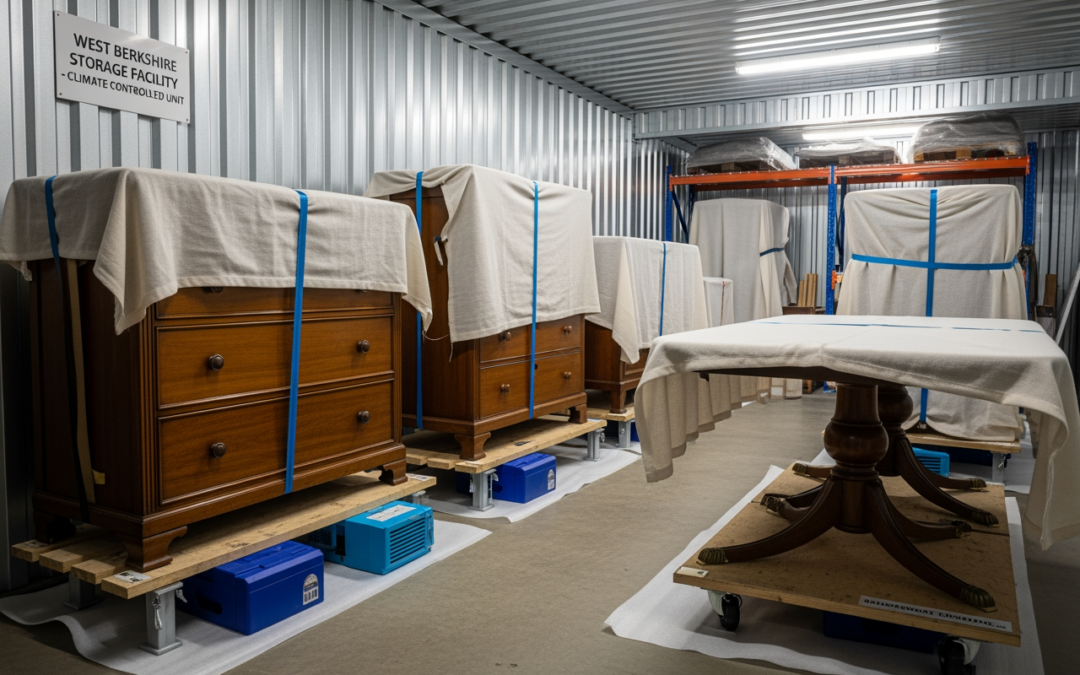
Never place wooden furniture directly onto a concrete floor, especially in a non-climate-controlled unit. Concrete can be surprisingly damp and cold, and this moisture can wick up into the legs and lower parts of your furniture.
- Use pallets (often available at storage facilities or hardware stores) to raise furniture off the ground.
- Plastic sheeting can be laid down under the pallets as an extra moisture barrier, but remember not to wrap the furniture itself in sealed plastic.
- Even a thick layer of cardboard can provide some protection if pallets aren’t available.
Give Them Space: Ensuring Adequate Air Circulation
Don’t cram furniture pieces tightly against each other or against the walls of the unit. Air needs to circulate freely around each item to help prevent moisture build-up and maintain a more even temperature.
- Leave a few inches of space between items.
- Leave a gap between your items and the unit walls.
- This also makes it easier to access items if you need to retrieve something later.
The Stacking Conundrum: What Goes Where (and What Stays Put)
It’s often necessary to stack items to make the most of your storage space, but this must be done with extreme care when dealing with wooden furniture.
- Heaviest items on the bottom: Sturdy, flat-topped pieces like chests of drawers (emptied, of course!) or solid desks can form a base.
- Protect surfaces: Always place a protective layer (like a moving blanket or thick cardboard) between stacked items to prevent scratches and pressure marks.
- Do not stack heavy items on delicate pieces: Never put a heavy box on top of a fragile antique chair or a table with slender legs. Common sense should prevail here.
- Tabletops: Ideally, store tabletops (especially valuable ones) on their side (well-padded) or flat with nothing heavy on top of them. If you must store them flat and place something on top, ensure it’s light and the weight is evenly distributed with plenty of padding.
- Chairs: Chairs can sometimes be “nested” (e.g., dining chairs stacked seat-to-seat with padding in between), but be cautious with delicate or unusually shaped chairs.
A friend of mine once stacked a heavy box of books on an antique rosewood card table in storage. When he retrieved it a year later, the table had a permanent, sad sag in the middle. A little foresight could have saved a beautiful piece.
Covering for Dust Defence, But Not Suffocation
Once everything is in place, you can drape a light, breathable dust sheet (like an old cotton sheet) over the entire collection of items. This provides an extra layer of protection against dust settling over the months or years. Again, ensure it’s loose and allows for air circulation; don’t seal it up.
Maintaining Vigilance: Ongoing Care Throughout Long-Term Storage
Once your furniture is safely tucked away, your job isn’t quite over. A little ongoing attention can make a big difference.
The Wisdom of Regular Check-Ups (When Feasible)
If your storage unit is conveniently located and your schedule allows, popping in for a quick check-up every few months (perhaps seasonally) is a good idea.
- You can check for any signs of pests, dampness, or other issues.
- It allows you to ensure covers haven’t slipped and that everything is still well-positioned.
- Catching a small problem early can prevent it from becoming a major disaster.
If you can’t make regular checks, this is where choosing a reputable storage facility like Newbury Self Store pays dividends. Our commitment to maintaining clean and secure premises helps to minimise risks.
Insuring Your Investment: Securing Peace of Mind for Your Prized Possessions
Your home insurance might offer some cover for goods in storage, but it’s often limited. It’s crucial to check your policy details.
- Consider specific storage insurance. Most reputable storage facilities offer this, or you can arrange it through a specialist broker.
- Ensure the coverage amount is adequate for the replacement value of your wooden furniture and antiques.
- Keep a detailed inventory of what’s in storage, including photographs and any valuations you have for antique pieces. This will be invaluable if you ever need to make a claim.
Having the right insurance provides peace of mind, knowing that if the unexpected happens, you are financially protected.
The Grand Unveiling: Reacclimatising Your Wooden Treasures Post-Storage
The day has finally come to bring your beloved wooden furniture back home or to its new destination! But don’t just haul it in and start using it immediately. Wood needs time to adjust.
A Gentle Return: Allowing Wood to Adjust to Its New Surroundings
After potentially months or years in a stable storage environment, suddenly exposing wood to a different temperature and humidity can be a shock.
- If possible, allow the furniture to sit in its new environment for a day or two, still loosely wrapped, before fully unwrapping and using it. This gives the wood a chance to acclimatise gradually. This is especially important if it’s moving from a cool storage unit into a warmly heated home, or vice-versa.
- Avoid placing it directly next to a radiator, fireplace, or in direct, strong sunlight immediately.
First Look: Inspecting and Reviving Your Furniture
Once unwrapped, give each piece a thorough inspection.
- Check for any signs of trouble that might have developed despite your best efforts.
- Dust it down gently.
- You may want to give it a light polish with a good quality furniture wax or polish appropriate for the finish to revive its lustre.
- Let it air for a bit before putting items back into drawers or cupboards.
If you’ve followed the steps for careful preparation and chosen a good storage environment, you should be rewarded with furniture that looks as good as the day you stored it. Imagine the joy of unwrapping that heirloom grandfather clock and finding its polished surface gleaming, ready to chime in its new home.
Newbury Self Store: Your Trusted Partner in Preserving Precious Heirlooms
We know that storing your wooden furniture and antiques isn’t just about finding space; it’s about trust and peace of mind. At Newbury Self Store, we’re committed to providing secure, clean, and accessible storage solutions for all your needs, whether for your personal effects or for specialised business storage requirements, which can be ideal for antique dealers or furniture restorers needing to safeguard their stock.
How Our Facilities Are Designed to Protect Wooden Furniture and Antiques
While the ultimate responsibility for preparing and packing your items lies with you, we provide an environment conducive to keeping them safe. Our indoor units offer protection from the worst of the external weather fluctuations, and our commitment to cleanliness and security helps to ward off pests and other risks. We encourage you to discuss your specific needs, especially for valuable Antique Wood Storage, so we can recommend the most suitable unit to help protect wooden furniture.
Need Expert Advice or Quality Packaging Supplies? We’re Just a Call or Click Away!
Feeling a bit overwhelmed by all this? Don’t be! Our friendly team is here to help. We can offer advice on the best way to store your items and guide you on the right size and type of unit. Plus, as mentioned, we have a comprehensive range of packaging supplies available, offering everything from sturdy boxes and protective wraps to furniture covers and tape, all designed to help you pack like a professional.
Taking the time to properly prepare, pack, and store your wooden furniture and antiques is an investment in their future. These pieces carry not just financial value, but a wealth of memories and stories. By following these guidelines, you can ensure they continue to be a source of joy and beauty for many years to come.
If you have any questions or would like to discuss your storage needs in more detail, please don’t hesitate to get in touch through our contact us section; our team is ready to answer your questions and help you find the perfect storage solution.