
 01635 581 811
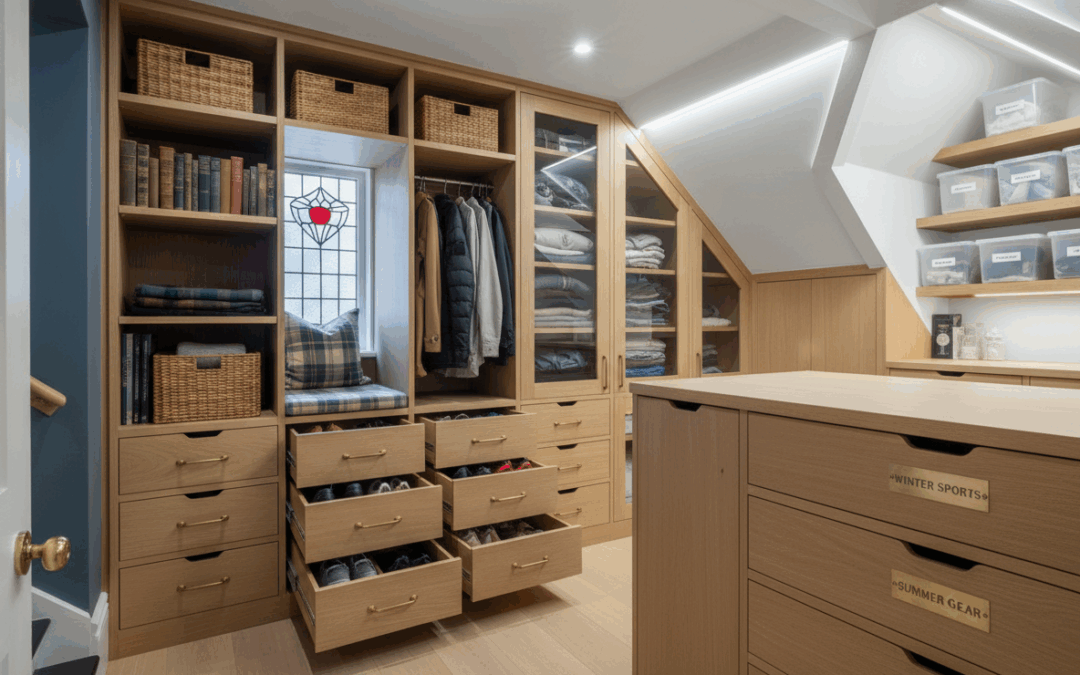
Our homes are often repositories of more than just everyday belongings. They house treasures that tell stories: the antique grandfather clock inherited from your great-aunt, the vibrant oil painting you fell in love with at a local gallery, the delicate lace wedding veil worn by generations. These items aren’t just ‘things’; they are pieces of our history, our taste, and our family legacy. Protecting such valuable art, antiques, and heirlooms requires more than just finding a spare corner. It demands thoughtful organisation and, crucially, Smart Storage Solutions to ensure their preservation for years, even generations, to come.
The thought of something happening to these irreplaceable items – a chip in that porcelain figurine, a tear in an ancestral portrait, or the slow fade of a precious document – is enough to make anyone wince. This guide is about empowering you with the knowledge to safeguard your treasures, whether at home or by utilising professional Valuable Antiques Storage. And if you find yourself needing that extra bit of secure, specialised space, Newbury Self Store is here to offer a helping hand.
What Makes Your Treasures So Vulnerable? Understanding the Risks
Before we dive into solutions, it’s important to understand what exactly puts your cherished art, antiques, and heirlooms at risk. It’s not always dramatic events like floods or fires; often, the damage is slow, insidious, and entirely preventable.
The Invisible Enemies: Environmental Factors
The very air around your valuables can be their undoing if not managed correctly.
- Light (The Silent Fader): Both sunlight (UV rays) and harsh artificial light can cause irreversible fading and degradation of pigments in paintings, photographs, and textiles. Wood can discolour, and paper can become brittle.
- Temperature Fluctuations (The Stress Inducer): Rapid changes in temperature cause materials to expand and contract. For an antique wooden chest of drawers or a delicate oil painting on canvas, this constant movement can lead to cracks, warping, and loosened joints or paint.
- Humidity Extremes (The Moisture Menace): Too much humidity (dampness) encourages mould, mildew, foxing (those brown spots on old paper), corrosion of metals, and can cause wood to swell. Too little humidity (dryness) can make wood shrink and crack, adhesives fail, and textiles become brittle.
- Pests (The Unwanted Guests): Moths adore natural fibres in tapestries and clothing, woodworm can tunnel through antique furniture, and silverfish are drawn to paper and glues.
- Dust and Pollutants (The Grimy Invaders): Airborne dust can be abrasive, and pollutants can react chemically with surfaces, causing discolouration and deterioration over time.
The Perils of Poor Handling and Accidental Damage
Even with the best environmental intentions, accidents happen.
- Incorrect Lifting/Moving: Many antiques are not designed to be moved frequently or incorrectly. Lifting a heavy wardrobe by its delicate top moulding, for instance, could be catastrophic.
- Inappropriate Cleaning: Using harsh modern chemicals on antique finishes or delicate fabrics can strip away patinas, dissolve glues, or cause discolouration.
- Vibrations: Constant vibrations, perhaps from nearby heavy traffic or construction, can stress joints in furniture or cause delicate items to shift and potentially fall.
The Space Conundrum: When Home Isn’t Enough
Sometimes, the biggest risk is simply not having the right kind_ of space at home. An overcrowded attic, a damp basement, or a sun-drenched spare room are not ideal environments for Valuable Antiques Storage. Trying to cram precious items into unsuitable spaces increases the risk of accidental damage and exposure to harmful conditions.
Before You Store: Essential First Steps for Preservation
Before you even think about where or how to store your valuables, a little groundwork is essential. These preparatory steps are crucial for long-term preservation.
Know What You Own: The Importance of an Inventory
This might sound like a chore, but it’s incredibly important, especially if you have a significant collection.
- List Everything: Create a detailed list of your valuable items. Include descriptions, dimensions, any known history or provenance, and its current condition.
- Photograph Your Treasures: Take clear photographs (or even videos) of each item from multiple angles. Capture any existing damage, maker’s marks, or unique features.
- Appraisals for Key Pieces: For particularly valuable items, consider getting a professional appraisal. This is vital for insurance purposes.
- Keep Records Safe: Store copies of your inventory, photographs, and appraisals in a secure place, separate from the items themselves (e.g., a fireproof safe, a digital cloud backup, or with your solicitor).
This inventory is not just for your records; it’s invaluable for insurance and can be a poignant historical document for future generations.
Cleanliness is Key: Preparing Your Pieces
Storing items dirty is asking for trouble. Dust and grime can become ingrained, and food or drink residues can attract pests.
- Gentle Dusting: Use a soft, natural-bristle brush (like a pony hair or sable brush) or a lint-free microfibre cloth to gently dust surfaces. For intricate carvings, a soft brush can get into crevices.
- Specific Material Care:
- Wood: Avoid wet cloths. Use a slightly damp (well wrung-out) cloth if necessary, followed by a dry one. Specialised antique wood polishes can be used sparingly, but always test on an inconspicuous area first.
- Textiles: Delicate textiles may only need a gentle shake or a very low-suction vacuum with a soft brush attachment and a protective mesh screen over the nozzle. For anything truly precious or stained, consult a textile conservator.
- Metals: Silver may need gentle polishing with a reputable silver polish. Other metals might just need a dry dusting.
- Ceramics/Glass: Dust carefully. If washing is essential, use lukewarm distilled water with a tiny drop of pH-neutral detergent, and dry thoroughly with a soft cloth.
- Air Them Out: Ensure items are completely dry before packing or storing.
Expert Eyes: When to Call in a Professional Conservator
If an item is particularly valuable, fragile, or already showing signs of damage (flaking paint, active pest infestation, significant tears in fabric), do not attempt extensive cleaning or repair yourself unless you are trained. You could inadvertently cause more harm. A professional conservator has the expertise and materials to stabilise and treat items correctly. It’s an investment in the item’s future.
Smart Storage Solutions at Home: Creating a Safe Haven
If you have suitable space and conditions, you can create a safe storage environment for many valuables within your own home. This is where implementing Smart Storage Solutions begins.
Designating Your Domestic Archive: Choosing the Right Spot
Not all rooms are created equal when it comes to storing sensitive items.
- Avoid Extremes: Steer clear of attics (too hot/cold, potential pests), basements (often damp, risk of flooding), garages (temperature fluctuations, pests, pollutants), and direct sunlight.
- Interior Rooms are Often Better: Rooms with fewer exterior walls tend to have more stable temperatures.
- Consider Climate Control: If you have a room with its own temperature and humidity controls (like some studies or libraries), this is ideal.
- Good Air Circulation: Ensure the area isn’t sealed too tightly. Some air movement helps prevent stale conditions and moisture build-up.
Material Matters: Selecting Archival-Quality Supplies
The materials you use to pack and protect your items are critical. Standard cardboard boxes and plastic sheeting can do more harm than good over time.
- Acid-Free is Non-Negotiable: For anything paper-based (documents, prints, photographs) or textiles, always use acid-free tissue paper, folders, and boxes. Acids in regular paper products can migrate and cause yellowing and degradation. You can find excellent packaging materials, including archival options, to help protect your treasures.
- Breathable is Best: For textiles and many other organic materials, ensure storage solutions allow for some air circulation. Avoid airtight plastic containers for long-term storage of these items, as they can trap moisture.
- Inert Cushioning: Use materials like ethafoam, polyester batting (unbleached and washed), or acid-free corrugated board for padding and support. Avoid old newspapers (acidic ink) or coloured tissue paper (dyes can transfer).
Packing with Precision: Techniques for Different Items
Different types of valuables require different packing approaches.
Paintings and Framed Art:
- Never Wrap in Plastic Directly: This can trap moisture and cause paint to stick or mould to grow.
- Glass Protection: If framed under glass, use low-tack painter’s tape to create a star pattern on the glass. This helps hold shards together if the glass breaks.
- Corner Protectors: Use cardboard or foam corner protectors.
- Wrapping: Wrap in acid-free glassine paper first, then with a layer of bubble wrap (bubbles facing out to avoid imprinting on the artwork). Finally, a sturdy cardboard art box or custom crate is best.
- Storage: Store paintings vertically (standing up), not flat, if possible, especially larger canvases. Use padding between multiple frames.
Antique Furniture:
- Empty It Out: Remove all contents from drawers and cupboards.
- Secure Moving Parts: Tie drawers and doors shut with soft cotton tape or remove them if practical. Wrap keys separately and label them.
- Protect Surfaces: Use furniture blankets or soft, clean cloths to cover polished surfaces. Avoid plastic sheeting directly on wood, as it can trap moisture or cause sweating.
- Lift, Don’t Drag: Always lift furniture from its strongest points, usually the base. Get help for heavy items.
- Elevate Slightly: If storing on a concrete floor, place small wooden blocks or inert pads under legs/feet to allow air circulation and protect from damp.
Delicate Textiles and Heirlooms (e.g., lace, christening gowns, quilts):
- Flat Storage or Rolled: Ideally, store textiles flat in acid-free boxes, interleaved with acid-free tissue. If folding is necessary, pad the folds with scrunched acid-free tissue to soften creases.
- Rolling Large Textiles: For large items like tapestries or quilts, roll them around a wide acid-free cardboard tube (covered first with acid-free tissue or washed cotton). Wrap the rolled textile in washed cotton or Tyvek.
- Avoid Hangers for Delicates: Long-term hanging can stress fibres, especially for heavy or fragile garments.
Ceramics, Glassware, and Sculptures:
- Individual Wrapping: Wrap each item generously in acid-free tissue, then with bubble wrap. Pay extra attention to handles, spouts, or delicate protrusions.
- Sturdy Boxes with Dividers: Use strong boxes, preferably with cardboard dividers to create individual cells. If not, ensure plenty of cushioning material (like packing peanuts made from cornstarch, or scrunched acid-free paper) fills all voids to prevent movement.
- Label “FRAGILE” Clearly: And indicate which way up the box should be.
- Heavier Items at the Bottom: When boxing multiple items, place heavier pieces at the bottom.
When is Professional Valuable Antiques Storage the Smartest Move?
While diligent home storage can work for some items, there are many situations where entrusting your most precious art, antiques, and heirlooms to a professional storage facility is the wisest and safest choice. This is where Smart Storage Solutions extend beyond your four walls.
The Climate Control Advantage for Irreplaceable Items
This is perhaps the single most important factor for Valuable Antiques Storage.
- Stable Environment: Professional facilities like Newbury Self Store can offer climate-controlled units. These maintain a consistent temperature and humidity level, protecting against the damaging fluctuations common in homes. This stability is paramount for preventing warping, cracking, mould, and other environmental damage to sensitive materials.
- Ideal for Mixed Collections: If you have a diverse collection (e.g., oil paintings, antique books, wooden furniture, and metal sculptures), a climate-controlled environment provides the best all-round protection.
Security You Can Trust for High-Value Collections
Your valuables are, well, valuable.
- Robust Security Measures: Reputable storage facilities invest heavily in security. This includes CCTV surveillance, secure access controls (like key codes or fobs), perimeter fencing, and often on-site staff. This offers a level of protection that’s difficult to replicate at home.
- Reduced Risk of Theft or Accidental Damage: By storing items off-site in a secure unit, you reduce the risk associated with household traffic, pets, or potential burglaries.
More Than Just Space: The Benefits of Specialised Units
Professional storage offers more than just an empty room.
- Variety of Unit Sizes: Whether you have a single large painting or an entire collection of antique furniture, you can choose a unit size that fits your needs, ensuring items aren’t cramped. Newbury Self Store’s Personal Storage options cater to diverse requirements. For larger scale needs, perhaps for estate management or a gallery’s overflow, even Container Storage might be considered for less environmentally sensitive, well-packed items, while the most precious pieces go into climate-controlled units.
- Cleanliness and Pest Control: Professional facilities maintain high standards of cleanliness and have regular pest control measures in place.
- Insurance Options: While your home insurance might offer some cover, specialised storage facilities often have their own insurance options or can advise on appropriate cover for stored goods.
Newbury Self Store: Your Partner in Protecting Priceless Possessions
At Newbury Self Store, we understand that items of artistic, historical, or sentimental value deserve special consideration. We’re not just providing space; we’re offering peace of mind.
Finding Your Ideal Smart Storage Solution
We can help you determine the best type and size of unit for your art, antiques, and heirlooms. Our team is on hand to discuss your specific needs, from the delicacy of the items to the duration of storage. We can guide you on how to make the most of your chosen space and ensure your packing methods are up to scratch, even pointing you towards our range of packaging supplies.
Peace of Mind for Your Most Cherished Belongings
Knowing your irreplaceable treasures are in a secure, clean, and potentially climate-controlled environment allows you to free up space at home without worry. Whether you’re downsizing, renovating, managing an estate, or simply want the best protection for your investments, our Smart Storage Solutions are designed to meet your needs.
Your art, antiques, and heirlooms are a link to the past and a legacy for the future. Protecting them is a responsibility, but it doesn’t have to be a burden. With the right knowledge, preparation, and storage solutions, you can ensure they continue to inspire and bring joy for many years to come.
If you’re considering how best to protect your valuable collection, please don’t hesitate to contact Newbury Self Storage today. Let’s talk about how we can help you preserve your priceless possessions.