
 01635 581 811
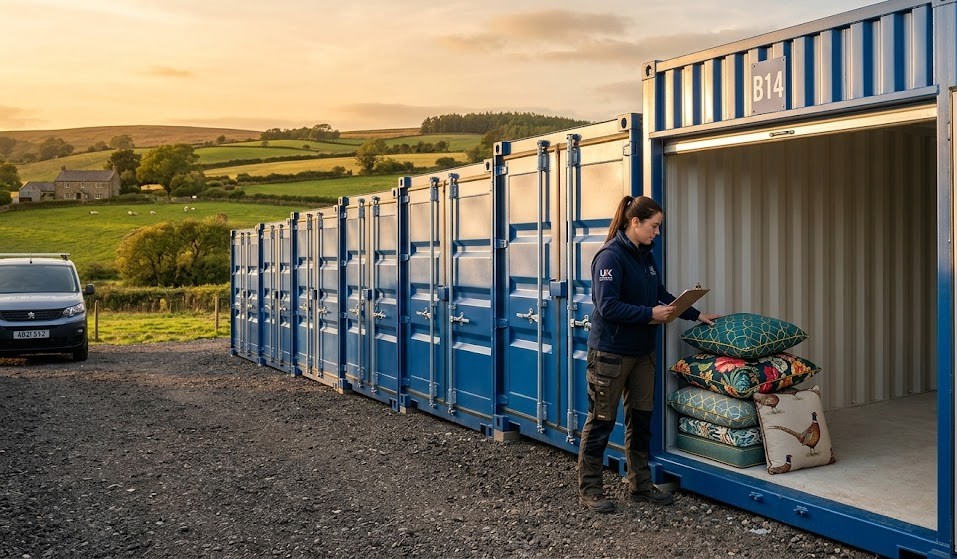
Running a holiday let means juggling two completely different property personalities. During peak season, you’re showcasing a fully dressed, welcoming retreat with extra beds, garden furniture, and all the touches that justify premium rates. Come off-peak, many of those items become expensive clutter taking up space you could use differently.
The seasonal rhythm of holiday let storage mirrors the challenge of packing away winter coats in April – you know you’ll need them again, but right now they’re just in the way. For operators managing one property or a small portfolio, finding the right vacation rental storage solution transforms how efficiently you can pivot between seasons and maximise your property’s earning potential year-round.
Why holiday let operators need flexible storage
Holiday accommodation operates on a fundamentally different cycle than residential property. Your furniture, equipment, and décor requirements shift dramatically based on guest expectations, booking patterns, and seasonal demand.
During summer months in popular destinations, you might run multiple bookings per week for family groups who need cots, highchairs, extra bedding, and outdoor dining sets. Winter bookings often favour couples seeking cosy retreats – suddenly those six garden chairs and the children’s play equipment become obstacles rather than assets.
The financial impact isn’t trivial. Storing unnecessary items on-site means dedicating valuable square footage to clutter rather than guest experience. A dining table that seats eight takes up the same space as a comfortable reading nook that could feature in your winter marketing photos. The difference in booking appeal can easily justify the modest cost of vacation rental storage.
Here’s what typically needs rotating:
- Garden furniture sets – tables, chairs, loungers, parasols
- Children’s equipment – travel cots, highchairs, stair gates, toys
- Extra bedding and linen – duvets, pillows, mattress toppers for peak capacity
- Seasonal décor – Christmas items, summer accessories, themed touches
- Outdoor leisure items – BBQ equipment, beach gear, garden games
- Additional kitchen equipment – extra crockery, glassware, serving dishes for larger groups
Calculating your actual storage requirements
Most operators overestimate the space they need because they mentally picture items as they sit in their property – spread out, in use, taking up floor space. Properly packed and stacked, your off-season items compress significantly.
Think of it like Tetris. A set of six stacking garden chairs that occupies three square metres on your patio becomes a single vertical stack less than a metre tall. Four folded parasols lean against a wall. Suddenly your bulky outdoor dining set fits comfortably in a 25 square foot storage unit.
Start by making an actual inventory. Don’t guess – physically gather the items you’d rotate out and measure them. A dining table that seats eight typically measures around 2m x 1m. Two single mattresses stack to about 40cm height. Garden cushions compress into storage bags.
For a typical two-bedroom holiday let rotating between couple-focused winter lets and family summer bookings, you’re usually looking at:
- Small unit (25-35 sq ft): Seasonal décor, extra linens, some outdoor cushions
- Medium unit (50-75 sq ft): Full garden furniture set, children’s equipment, extra bedding, kitchen overflow
- Large unit (100+ sq ft): Multiple furniture pieces, extensive equipment for larger properties, or operators managing multiple lets
The sweet spot for most single-property operators sits around 50 square feet – enough room to store items properly without paying for empty space.
Packing strategies that protect your investment
Holiday let furnishings take more punishment than residential furniture. Guests aren’t always gentle, outdoor items face weather exposure, and you’re constantly moving things in and out. Proper storage packing isn’t optional – it’s protecting assets that directly generate income.
Furniture protection starts with thorough cleaning. Garden furniture especially needs washing down to remove dirt, pollen, and any moisture that could encourage mould during storage. Fabric items should be completely dry before packing. We’ve seen operators lose entire sets of cushions to mildew because they packed them away damp after an autumn rain shower.
Disassemble what you can. Table legs unscrew. Parasol poles separate from bases. Folding chairs collapse. This isn’t just about saving space – it’s about reducing stress points where damage occurs during handling. Wrap individual components in furniture blankets or bubble wrap, paying special attention to corners and joints.
Create an inventory system that works when you’re rushed. During changeover day between guests, you don’t have time to hunt through boxes. Label everything clearly with contents and which season they’re for. “Summer – Garden Dining – 6 Chairs” tells you exactly what’s inside six months from now.
Stack strategically with weight distribution in mind. Heavy items like table bases go on the bottom. Lighter, more delicate items like cushions and linens go higher. Leave yourself a clear pathway to access items you might need to retrieve mid-season – sometimes a guest specifically requests that highchair you packed away.
Consider these protection essentials from the packaging supplies you’ll need:
- Furniture blankets for tables, chairs, and larger pieces
- Bubble wrap for anything with glass, mirrors, or delicate surfaces
- Mattress bags to keep extra bedding completely protected
- Sturdy boxes for kitchen items, décor, and smaller equipment
- Vacuum storage bags for duvets, pillows, and soft furnishings
The rotation calendar: timing your storage cycles
Getting your rotation timing right means you’re never caught scrambling to retrieve items when bookings shift unexpectedly. Your storage calendar should run slightly ahead of your letting calendar, giving you breathing room for preparation.
Most operators work on a two-season model, but your specific rotation depends entirely on your market and booking patterns. A coastal property might pack away family equipment in September and retrieve it in March. A rural retreat near walking routes might do the opposite, storing summer garden furniture in October and bringing out cosy indoor extras for winter bookings.
Build in buffer time. If your peak family season starts in earnest in June, plan to retrieve summer items in mid-May. This gives you time to unpack, check condition, clean if needed, and stage everything before your first summer guests arrive. Don’t cut it so fine that a delayed collection or a surprise early booking leaves you short.
One operator we worked with manages three properties with staggered seasonal profiles. Her cottage near the coast peaks in summer, her market town flat books steadily year-round, and her rural lodge sees winter spikes from couples seeking countryside retreats. She uses a single storage unit as a rotation hub – items move between properties via storage rather than cluttering any single location.
The calendar rhythm looks like this:
- March/April: Retrieve summer outdoor furniture, garden equipment, family items. Store winter extras like additional throws, indoor games, Christmas décor.
- September/October: Pack away summer items as bookings shift. Retrieve cosy touches, extra indoor seating, seasonal décor for autumn and winter appeal.
- December: Quick rotation if you do Christmas lets – retrieve festive items, store them again in early January.
- Year-round access: Keep a small “emergency kit” accessible for unexpected guest requests or last-minute booking changes.
Security considerations for business equipment
Your stored items aren’t just furniture – they’re business assets that directly affect your ability to take bookings and maintain guest satisfaction. Security matters differently than it would for personal belongings.
Look for storage facilities with proper commercial-grade security. Individual unit alarms, CCTV coverage, and secure access controls aren’t luxuries when you’re storing items worth thousands of pounds. A single garden furniture set easily represents £500-1000. Add children’s equipment, extra bedding, and kitchen items, and you’re protecting significant value.
Insurance becomes crucial when you’re storing business assets. Check whether your holiday let insurance covers items in storage, or whether you need additional coverage. Some policies specifically exclude off-site storage unless you’ve declared it. Don’t assume – verify with your insurer and get it in writing.
Document everything before storage. Photograph items from multiple angles, noting any existing wear or damage. If you ever need to make a claim, this evidence proves invaluable. It also helps you track condition over time – if that outdoor table shows new scratches after storage, you know something went wrong during packing or stacking.
Climate control deserves consideration for specific items. Upholstered furniture, mattresses, and anything fabric-based benefits from consistent temperature and humidity. Mould and mildew don’t just damage items – they can make them unusable for guests. Wood furniture can warp in extreme temperature fluctuations. For higher-value items or anything particularly vulnerable, climate-controlled storage pays for itself in preserved condition.
Managing multiple properties through centralised storage
Operators running several holiday lets face a more complex puzzle. Each property might have different seasonal profiles, guest demographics, and equipment needs. Centralised vacation rental storage becomes your logistics hub rather than just a place to park furniture.
The key advantage is flexibility between properties. That extra dining table you stored from Property A might be exactly what Property B needs when you convert it from a two-bedroom to a three-bedroom layout. Children’s equipment can move between properties based on booking patterns rather than sitting unused at one location.
Create a master inventory system that tracks which items belong to which property and where they currently are. A simple spreadsheet works: Item, Original Property, Current Location (Property A, Property B, or Storage), Season, Condition Notes. Update it every time something moves.
One portfolio operator we’ve worked with treats her storage unit like a quartermaster’s depot. Each property has a designated zone within the larger unit, plus a “floating” section for items that rotate between locations. She schedules a quarterly audit where she physically checks inventory against her spreadsheet, identifying anything that needs repair, replacement, or redistribution.
This approach also streamlines purchasing decisions. Instead of buying duplicate items for each property “just in case,” you maintain a shared pool of seasonal extras. Two highchairs serve three properties because you’re not running peak family bookings at all locations simultaneously. The storage cost is far less than buying redundant equipment.
Cost-benefit analysis: when storage makes financial sense
Storage isn’t free, so it needs to justify itself financially. For holiday let operators, the calculation is straightforward: does the holiday let storage cost exceed the value you gain from optimised property presentation and reduced clutter?
A 50 square foot unit typically costs between £50-80 per month depending on location and facility quality. That’s £600-960 annually. Compare this against:
- Increased bookings from better property presentation and seasonal staging
- Higher nightly rates when you can market premium features without clutter
- Avoided replacement costs for items properly stored versus damaged through poor on-site storage
- Saved time from organised, accessible storage versus hunting through garage corners
Most operators find the equation tips positive when they’re storing items worth over £2,000 total value, or when they’re actively rotating items to reshape their property’s seasonal appeal. If you’re simply storing things because you can’t bear to discard them but never actually use them, storage becomes an expensive delay on making a disposal decision.
Consider the alternative costs too. Some operators rent garage space from neighbours, use family members’ sheds, or cram items into property lofts and cupboards. These “free” options often cost more in hassle, access difficulty, and property space that could serve guests better.
Practical access and logistics
Storage only works if you can actually get to your items when you need them. Access arrangements matter more for business use than personal storage.
24/7 access provides maximum flexibility. When you have a gap day between guests and need to swap out furniture, you can’t wait for office hours. Evening and weekend access means you work around your schedule, not the facility’s. This becomes critical during busy changeover periods when every hour counts.
Vehicle access determines how easily you can load and unload. Drive-up container storage means you back your van directly to your unit door and load items straight in. For bulky furniture and multiple trips, this convenience saves enormous time and physical effort. Upper-floor units with lift access work for smaller items but become impractical for full furniture sets.
Plan your packing layout with retrieval in mind. Items you’ll need first should sit nearest the door. If you store summer items in September but might need to grab that emergency highchair in November, don’t bury it at the back behind stacked garden furniture. Think about your access patterns over the storage period.
Some operators schedule regular check-ins every few months, especially during the first year of using vacation rental storage. This lets you verify everything remains in good condition, nothing’s developed issues, and your packing system actually works in practice. It’s easier to adjust your approach after three months than to discover problems when you desperately need items for incoming guests.
Building storage into your operating model
The most successful holiday let operators don’t treat storage as an afterthought – it’s built into their operating rhythm from the start. Your property’s furniture and equipment needs become fluid rather than fixed, adapting to booking patterns and guest expectations.
This mindset shift changes how you make purchasing decisions. Instead of asking “Do I need this?” you ask “Will this generate enough additional bookings during its active season to justify storage costs during its off-season?” A full garden dining set might only be useful four months yearly, but if it enables you to market your property to larger groups at higher rates during summer, the maths works.
It also changes how you manage property refreshes and updates. Rather than selling old furniture at a loss when you upgrade, you can keep previous items in storage as backup or rotate them between properties. That sofa you replaced in Property A because you wanted a fresh look becomes the perfect upgrade for Property B next year.
Document your seasonal setup requirements in detail. Create checklists for each property configuration: “Summer Family Setup,” “Winter Couples Retreat,” “Christmas Special.” Include photos of the finished staging. This makes it easy for anyone helping you – property managers, cleaners, family members – to set up correctly when retrieving items from storage.
Making the transition to seasonal storage
If you’re currently managing without dedicated storage, the transition requires some upfront effort but quickly becomes routine. Start by identifying your obvious candidates – items you definitely don’t need year-round but can’t function without during peak season.
Make the first rotation during your quieter period when you have breathing room to experiment with the process. Pack carefully, label thoroughly, and document everything. Take photos of your packed unit so you remember how items are arranged. Note what worked and what you’d change.
After your first full seasonal cycle, you’ll have learned what you actually need versus what you thought you’d need. Some items might never get retrieved – that’s useful information for future decisions. Other items you’ll wish you’d stored differently or had easier access to – adjust your system accordingly.
The goal isn’t perfection from day one. It’s building a flexible system that lets you present your property optimally for whoever’s booking it, whenever they’re booking it, without drowning in clutter or constantly buying duplicate items.
Conclusion
Seasonal storage transforms how holiday let operators manage their properties, turning fixed assets into flexible resources that adapt to booking patterns and guest expectations. The difference between a cluttered property trying to serve every possible guest and a carefully staged space designed for its current season directly impacts booking rates and guest satisfaction.
The investment is modest – typically less than a week’s rental income annually – while the returns compound through better property presentation, protected equipment longevity, and the flexibility to shift your marketing approach as seasons change. Whether you’re managing a single coastal cottage or a portfolio of rural retreats, business storage provides the logistical backbone that lets you operate professionally without the overhead of commercial premises.
Start with a clear inventory of what you’d rotate, calculate the space you actually need, and build holiday let storage into your operating calendar as a routine business practice rather than an emergency solution. Your future self, frantically preparing for peak season, will thank you for the foresight.
For operators ready to implement seasonal storage as part of their letting strategy, contact us to discuss unit sizes and access arrangements that match your specific rotation schedule and property requirements.