
 01635 581 811
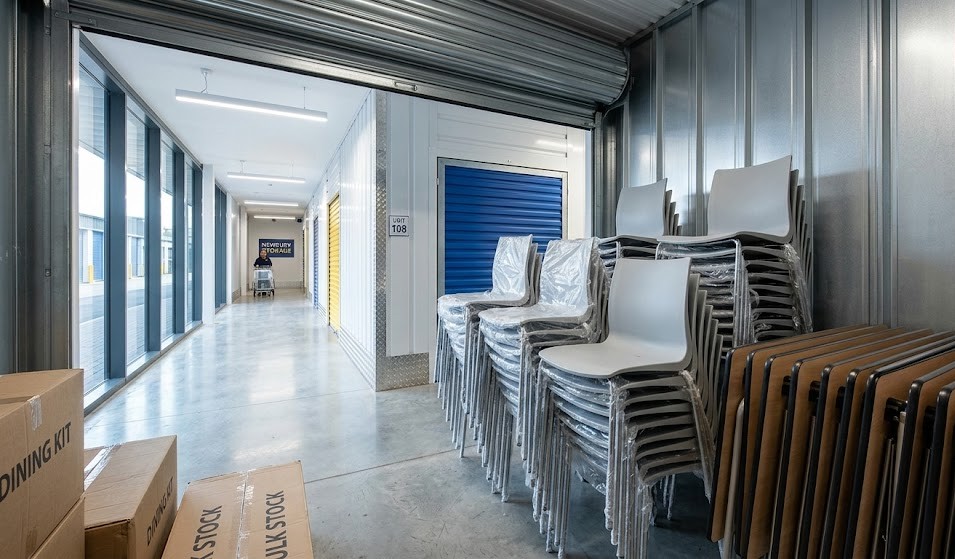
Managing a House in Multiple Occupation (HMO) requires flexibility, quick thinking, and the ability to adapt room configurations as tenant needs change. One month you might need a larger communal space for a group of professional sharers; the next, you’re converting that lounge into an additional bedroom to meet demand. The challenge? Where do you put all that multi-occupancy furniture when you’re reconfiguring spaces?
HMO furniture storage isn’t just about clearing out rooms temporarily. It’s about maintaining quality furnishings, protecting your investment, and having the ability to pivot your property layout without the expense of constantly buying and disposing of furniture. Whether you’re converting a dining room into a home office for remote workers or rotating seasonal furniture to refresh communal areas, having a strategic storage plan from Newbury Self Store makes the difference between costly chaos and profitable flexibility.
Why hmo landlords need flexible furniture storage
The HMO market moves faster than traditional rentals. Tenant demographics shift, regulations change, and what worked brilliantly for last year’s tenants might not suit this year’s intake. A group of university students might prefer a large communal lounge with plenty of seating, whilst young professionals often value an extra bedroom over shared space.
This is where the real challenge begins. You’ve invested in quality multi-occupancy furniture – solid dining tables, comfortable sofas, sturdy wardrobes – and simply discarding these items when you need to reconfigure makes no financial sense. Yet keeping everything on-site creates cramped, unprofessional-looking spaces that put off potential tenants.
Think of furniture storage like having a wardrobe for your property. You wouldn’t throw away your winter coat just because it’s summer; you’d store it properly until it’s needed again. The same principle applies to HMO furniture management.
Common hmo configuration changes that require storage
Converting communal spaces into bedrooms tops the list of configuration changes. When demand for rooms increases or rental yields make an extra bedroom more profitable than a second lounge, you’ll need somewhere to put those sofas, coffee tables, and entertainment units.
Seasonal furniture rotation matters more than many landlords realise. Heavy curtains, extra blankets, and bulkier furniture pieces that suit autumn and winter can be swapped for lighter alternatives in spring and summer. This keeps properties feeling fresh and well-maintained.
Upgrading or refreshing interiors whilst keeping backup furniture makes commercial sense. You might want to modernise your communal areas with new pieces, but holding onto the previous furniture provides insurance. If the new setup doesn’t work or items get damaged, you’ve got quality replacements ready to go.
Temporary storage during refurbishment protects your furniture investment. When you’re redecorating, replacing flooring, or carrying out maintenance work, furniture needs to be moved out. Cramming everything into one room risks damage and makes the work take longer.
Calculating your storage needs for hmo furniture
Getting the unit size right saves money and hassle. Too small, and you’re playing furniture Tetris every time you need to access something. Too large, and you’re paying for empty space.
Start by making an inventory of furniture you’ll rotate or store. Measure your largest items – that corner sofa, the dining table, wardrobes – and note their dimensions. Don’t forget to account for mattresses, which take up more space than people expect when stored flat.
A typical HMO lounge setup (three-seater sofa, two armchairs, coffee table, TV unit, and side tables) usually requires around 75-100 square feet of storage space when efficiently packed. Add a six-person dining set, and you’re looking at another 50 square feet.
Here’s a practical breakdown: Small HMO (3-4 bedrooms): 75-100 sq ft unit handles one room’s worth of furniture Medium HMO (5-6 bedrooms): 100-150 sq ft accommodates multiple room configurations Large HMO (7+ bedrooms): 150-200+ sq ft for extensive furniture rotation and backups
Remember, you’re not just storing items; you’re creating a system that lets you access what you need without unpacking everything. Factor in some working space within your unit.
Preparing hmo furniture for storage
Proper preparation prevents the expensive mistake of retrieving damaged furniture when you need it. I’ve seen landlords pull sofas from storage only to find mould, scratches, or worse – furniture that’s essentially ruined because it wasn’t prepared correctly.
Clean everything thoroughly before storage. Upholstered furniture needs vacuuming and fabric cleaning. Food particles or spills left on sofas and chairs attract pests and create unpleasant odours. Wooden furniture should be wiped down and any sticky residue removed. This isn’t just about hygiene; it’s about preventing damage during storage.
Disassemble what you can. Dining tables with removable legs, bed frames that come apart, and shelving units that break down all save significant space. Keep all screws, bolts, and fixings in clearly labelled bags taped to the relevant furniture piece. There’s nothing more frustrating than having a table but no idea where the legs or fixings are.
Protect surfaces properly. Wrap wooden furniture in furniture blankets or moving pads – not plastic sheeting, which traps moisture. Glass tabletops need bubble wrap and cardboard corner protectors. Upholstered items benefit from breathable covers that keep dust off whilst allowing air circulation.
Think of furniture preparation like winterising a car. You wouldn’t just park it and walk away; you’d take steps to ensure it starts perfectly when you need it again.
Organising your storage unit for easy access
The way you organise your personal storage unit determines whether retrieving furniture is a quick job or an all-day nightmare. Strategic organisation means you can grab what you need without moving everything else.
Place frequently rotated items near the front. If you regularly swap between summer and winter furniture, or you know certain pieces get used more often, keep them accessible. Seasonal items can go further back.
Store items vertically where possible. Sofas can stand on end (with proper support), mattresses store upright, and dining chairs stack. This maximises floor space and makes it easier to see what you’ve got.
Create clear pathways. Leave a central aisle through your unit so you can reach items at the back without dismantling your entire storage system. This walkway doesn’t waste space; it saves time and prevents damage from constantly shifting heavy furniture.
Label everything clearly. Use large, clear labels on all sides of wrapped furniture. “Black dining chairs x4” tells you exactly what’s inside without unwrapping. Include the room or configuration the item belongs to: “Lounge A setup” or “Bedroom 3 wardrobe.”
Consider drawing a simple map of your unit layout. Stick it on the door or keep a photo on your phone. When you need the spare double bed, you’ll know exactly where it is.
Protecting furniture quality during storage
Quality multi-occupancy furniture represents a significant investment in your HMO business. Protecting that investment means understanding what damages furniture and how to prevent it.
Moisture is your biggest enemy. Even in seemingly dry environments, humidity fluctuates and can cause wood to warp, metal to rust, and fabric to develop mould. If you’re storing valuable or antique furniture, consider climate-controlled storage. For standard HMO furniture, ensure your unit has good ventilation and use moisture absorbers.
Avoid plastic wrapping for long-term storage. Plastic traps moisture against furniture surfaces, creating perfect conditions for mould and mildew. Use breathable furniture covers, old sheets, or moving blankets instead. These protect against dust whilst allowing air circulation.
Raise furniture off the floor. Even a slight elevation using wooden pallets or plastic platforms prevents moisture transfer from concrete floors and protects furniture if any water does enter the unit. It’s a simple step that prevents significant damage.
Check on stored items periodically. A quick inspection every few months catches any developing problems before they become serious. Look for signs of moisture, pest activity, or shifting items that might cause damage.
Here’s a real-world scenario: A landlord stored a complete dining set without proper preparation. Six months later, when converting a bedroom back to a dining room, they discovered the wooden table had developed white moisture marks and the upholstered chairs smelled musty. The cost of replacing everything exceeded what they’d saved by using storage. Proper preparation would have prevented this entirely.
Cost-benefit analysis: storage vs. disposal
Many HMO landlords question whether storing furniture makes financial sense compared to simply buying new pieces when needed. Let’s break down the numbers.
A quality sofa suitable for HMO use costs £400-800. A dining table and six chairs runs £300-600. Wardrobes, beds, and other bedroom furniture add up quickly. Furnishing a single HMO room completely costs £1,500-2,500 depending on quality and style.
Compare this to storage costs. A 100 square foot unit typically runs £100-150 per month. If you store furniture for six months during a major reconfiguration, you’re spending £600-900. But you’re preserving £3,000-5,000 worth of furniture that remains ready to use.
The calculation shifts based on several factors: How frequently you reconfigure spaces (more often = storage makes more sense) The quality of your furniture (higher quality = greater preservation value) How quickly you need to make changes (stored furniture is immediately available) Local furniture costs and availability (some areas have limited suitable HMO furniture)
There’s also the environmental consideration. Disposing of perfectly good furniture to landfill, then manufacturing and transporting new pieces creates unnecessary waste. Storage represents the more sustainable choice.
Seasonal furniture management for hmos
Seasonal rotation keeps your HMO feeling fresh and well-maintained without constant investment in new pieces. It’s a strategy that separates professional HMO managers from those who let properties become tired and dated.
Winter furniture tends to be heavier and cosier. Think thicker curtains, additional blankets and throws, darker upholstery that hides winter mud and rain. Larger, more substantial furniture pieces suit the season when tenants spend more time indoors.
Summer furniture should be lighter and brighter. Swap heavy curtains for lighter fabrics that let in more natural light. Introduce lighter-coloured cushions and throws. If you have outdoor space, garden furniture comes out of storage and indoor seating might reduce to make rooms feel more spacious.
This rotation serves a practical purpose beyond aesthetics. Heavier fabrics and darker colours genuinely make spaces feel warmer in winter, whilst lighter alternatives help rooms feel cooler in summer. Tenants notice and appreciate these touches.
Store off-season items in your unit, clearly labelled by season. When March arrives, you know exactly where the summer furniture lives. This systematic approach takes the stress out of seasonal changes.
Managing multiple hmo properties with central storage
If you manage several HMO properties, centralised HMO furniture storage becomes a strategic asset. Rather than keeping spare furniture scattered across properties or in one property’s garage, a dedicated business storage unit creates a furniture bank you can draw from as needed.
Standardising multi-occupancy furniture across properties makes this approach even more effective. If all your properties use the same dining chairs, beds, and sofas, you can maintain a pool of spares that work anywhere. When something breaks at Property A, you’ve got a replacement ready. When you reconfigure Property B, you know the stored furniture will fit and match.
Bulk purchasing and storage reduces costs significantly. Buying multiple identical items when furniture retailers run sales, then storing what you don’t immediately need, can save 30-40% compared to buying pieces individually as needed. Your storage unit becomes an investment in future savings.
Quick turnaround between tenancies becomes possible when you have furniture ready to go. If tenants damage a sofa beyond repair, you’re not waiting weeks for a replacement to arrive. You collect it from storage, and the room is ready to re-let immediately.
This approach requires organisation. Maintain a detailed inventory of what’s in storage, what condition it’s in, and which properties it’s suitable for. A simple spreadsheet or inventory app prevents confusion and ensures you’re not buying duplicates of items you already own.
Insurance and security considerations
Furniture stored off-site needs proper insurance coverage. Your standard HMO insurance policy might not cover items in storage, or coverage might be limited. Check your policy carefully and consider additional coverage if needed.
When selecting a storage facility, security matters as much as space. Look for: 24/7 CCTV monitoring covering the entire facility Individual unit alarms that alert staff to unauthorised access Secure perimeter fencing and controlled gate access Good lighting throughout the facility Regular security patrols by staff or security personnel
Quality storage facilities provide these features as standard. Don’t compromise on security to save a few pounds monthly. The cost of replacing stolen furniture far exceeds the savings.
Document everything you store with photographs and detailed descriptions. If you ever need to make an insurance claim, this evidence proves what you had and its condition. Take photos before items go into storage and update them if you add or remove anything.
Practical tips from experienced hmo managers
Real-world experience reveals strategies that make HMO furniture storage genuinely work. Here are approaches that experienced managers rely on:
Keep a “quick change” kit accessible. This includes items you swap most frequently: cushion covers, throws, curtains, small decorative pieces. Store these in clearly marked boxes at the front of your unit for rapid room refreshes.
Photograph room configurations. Before dismantling a room setup, take photos from multiple angles. When you want to recreate that configuration months later, you’ll know exactly how everything was arranged. This saves time and ensures consistency.
Maintain a “repair and refresh” schedule. When furniture comes out of storage, inspect it thoroughly. Touch up any scratches, tighten loose screws, clean thoroughly. This prevents minor issues becoming major problems and keeps your HMO looking professional.
Use storage as a buying opportunity. When you find quality furniture at exceptional prices, buy it even if you don’t need it immediately. Storage gives you the flexibility to invest opportunistically rather than desperately buying at full price when something breaks.
Consider container storage for very large collections. If you’re managing multiple HMOs with substantial furniture rotation needs, container storage provides drive-up access that makes loading and unloading furniture significantly easier. You can back a van right up to your container, saving time and reducing the risk of damage during transport.
Getting your storage system right from the start
Setting up an effective HMO furniture storage system doesn’t happen by accident. It requires planning, proper preparation, and the right storage solution.
Start by auditing your current furniture across all properties. What do you own? What condition is it in? What might you need to rotate or reconfigure in the next 12 months? This assessment tells you how much storage space you genuinely need.
Invest in proper packaging materials. Furniture blankets, bubble wrap, mattress covers, and sturdy boxes protect your investment. Trying to save money by using old newspapers and bin bags usually ends up costing more when furniture gets damaged.
Choose a storage facility that matches your access needs. If you’re frequently swapping furniture, you need convenient access hours and easy loading facilities. If items will sit for months, these factors matter less than security and cost.
Create systems and stick to them. Label everything consistently, maintain your inventory, photograph configurations, and schedule regular checks. These habits transform storage from a dumping ground into a strategic business tool.
Making storage work for your hmo business
HMO furniture storage represents more than just a place to put things you’re not currently using. It’s a strategic business asset that provides flexibility, protects investments, and enables you to respond quickly to changing market demands.
The most successful HMO managers treat storage as an integral part of their business model, not an afterthought. They maintain organised, well-protected furniture collections that let them reconfigure properties efficiently, respond to tenant preferences, and maintain high standards without constantly buying new furnishings.
Whether you’re managing a single HMO or a portfolio of properties, having furniture readily available in storage gives you options. You can test different room configurations, respond to seasonal preferences, and maintain backup furniture for quick replacements when needed. This flexibility translates directly into reduced void periods, happier tenants, and better returns on your property investment.
The key is starting with a clear strategy. Understand what you need to store, prepare items properly, organise your storage space effectively, and maintain the system consistently. Get these fundamentals right, and storage becomes one of the most valuable tools in your HMO management toolkit.
If you’re ready to create a more flexible, efficient approach to managing your HMO furniture, proper storage space makes all the difference. The investment in quality storage pays for itself through protected furniture, reduced replacement costs, and the ability to adapt your properties quickly to meet tenant demands. Contact us to discuss storage solutions that fit your HMO management needs and give you the flexibility to run your properties more profitably.