
 01635 581 811
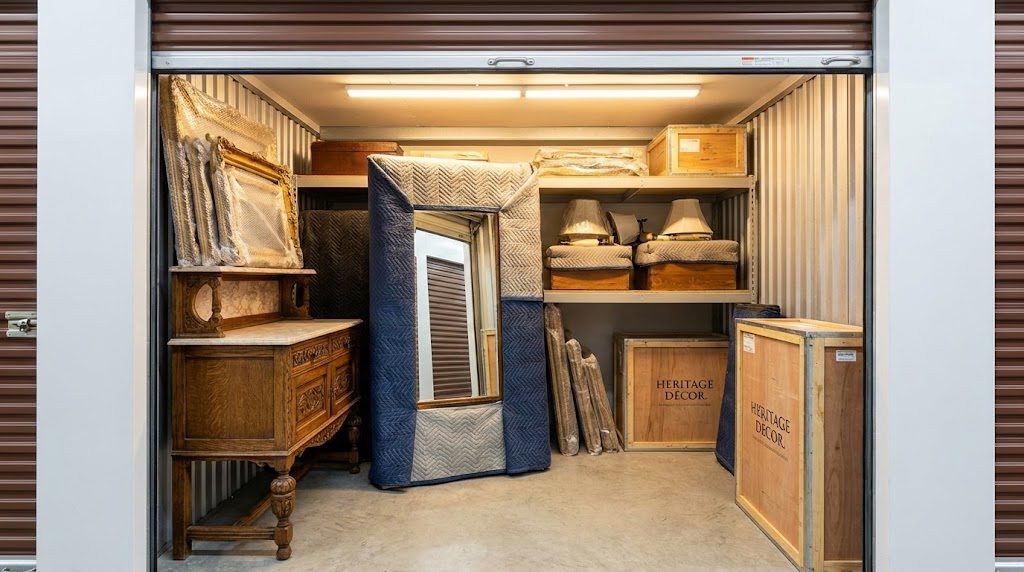
Here’s the thing about historic homes in Newbury: they’re full of character and charm, but they’re often short on practical storage space. When you own a period property, you don’t want to compromise the architectural integrity, but you certainly need somewhere to put your belongings. This challenge is precisely why a well-thought-out plan for Newbury historic home storage, often including professional self-storage, can be a transformative solution. Exploring clever internal and external storage options helps you make the most of your valuable space without cluttering those beautiful original features.
Understanding the Unique Storage Challenges of Period Properties
Historic homes are brilliant, aren’t they? The high ceilings, the original wooden floors, and the sense of history all contribute to their allure. However, these older structures simply weren’t designed for the volume of belongings typical of modern living. This mismatch creates the need for thoughtful storage strategies.
You’re typically dealing with smaller closets, often shallower than contemporary standards, and very few built-in cupboards. The quirky layouts and slanted ceilings can make fitting large, modern wardrobes or shelving units a significant puzzle. This is particularly relevant for owners considering listed building storage or those with properties in conservation areas, where external modifications are strictly limited. This lack of inherent space often leads homeowners and renters to seek reliable, external personal storage solutions.
This issue isn’t exclusive to homeowners; local businesses operating out of converted historic buildings face similar difficulties managing stock or equipment.
Maximising Interior Space: Clever, Non-Invasive Solutions
Before looking at external support, it’s smart to focus on ways to squeeze more function out of the space you currently have. The golden rule in historic homes is to think vertically and choose items that respect the architecture. You don’t need to undertake costly, irreversible renovations to gain valuable storage space.
Utilising Vertical Space with Dignity
Take advantage of those famously high ceilings by installing shelving units that reach all the way up to the cornice. These tall fixtures are perfect for storing books, decorative pieces, or even out-of-season clothing placed in aesthetically pleasing boxes. This approach keeps the floor clear while turning necessary storage into an architectural feature.
- Use tall, narrow bookcases to minimise floor footprint.
- Install high, non-intrusive picture rails or ledges for light items.
- Use the space above doorways for integrated shelving.
Transforming Hidden or Awkward Areas
The space under the stairs is frequently a goldmine, offering deep, untapped potential. You could turn it into a compact cloakroom, a smart utility cupboard, or even a small, integrated home office nook. Every square metre counts when you’re living in a period property that’s short on practical amenities.
Furthermore, multi-functional furniture should be your best friend in these settings. Ottomans with hidden storage compartments, coffee tables with lift-up tops, and beds that incorporate deep drawers underneath are all stylish solutions. These pieces provide crucial storage without sacrificing the room’s elegant style or adding visual clutter. It’s all about making your furniture work harder for you.
Preserving Original Features: Sensitive Storage Techniques
When dealing with a historic home, you must be utterly respectful of its original features. The goal is to avoid any actions that could cause damage or be difficult or expensive to reverse down the line. Protecting the integrity of the property is always the highest priority, especially in a listed building storage context.
Avoiding Damage to Walls and Floors
Where possible, always use freestanding shelves or storage units instead of drilling into plasterwork or original timber frames. If fixing a fixture is necessary, use the smallest possible drill bit and ensure you’re ready to fill and conceal holes meticulously when the item is removed. Original wooden floors are beautiful but vulnerable. They should be protected using appropriate rugs or mats, especially in high-traffic areas, to guard against scratches and wear from moving furniture.
A classic example involves a couple who were restoring their Edwardian semi-detached house. They needed extensive wardrobe space but didn’t want to damage the delicate coving. They opted for beautiful, bespoke freestanding wardrobes that were carefully crafted to look like built-in cabinetry. This allowed them to gain massive amounts of storage without needing to touch the original plasterwork or commit to permanent, invasive construction.
Investing in Quality Protection
For any items destined for long-term storage, inside or outside the home, the right preparation is essential. Dust sheets, moth repellent, and careful wrapping protect delicate items like vintage textiles and antique furniture from damage. Using quality packing materials from the start saves a lot of heartache later on.
When External Space Becomes Essential: Exploring Dedicated Storage
Sometimes, no matter how clever your internal strategies are, you just need more room outside the property’s footprint. That’s when external options from a trusted local provider become invaluable. Professional facilities like Newbury Self Store offer secure and flexible solutions to manage bulk or overflow items without disrupting your home environment.
Solutions for Bulky or Long-Term Items
If you have a large garden or outside area, a high-quality garden shed provides valuable, immediate storage for gardening equipment, tools, and patio furniture during the winter. For those needing maximum space, such as during a large renovation or for storing vehicles or building materials, container storage is an excellent option. These are often drive-up, giving you easy access to large-capacity, long-term storage suitable for both domestic and commercial needs.
The Benefits of Dedicated Self-Storage
For homeowners or renters who need flexible storage solutions that are accessed less often or require higher security, renting a dedicated unit is the best route. Professional facilities offer excellent short and long-term options perfect for decluttering before a major event or storing seasonal possessions safely. For business owners, turning to dedicated business storage solutions is an ideal way to create an orderly off-site stock room, helping small local enterprises find affordable storage options that reclaim valuable working space at home.
Choosing the Right Self-Storage Unit in Newbury
If you determine that self-storage is the right option, you’ll want to select a unit that meets your security and accessibility requirements perfectly. It’s crucial you don’t pay for more space than you need, but you also want to ensure your possessions are fully protected.
Sizing and Unit Accessibility
Choosing the right size unit is essential to avoid overpaying while ensuring everything fits without being crammed in. Think of the storage unit size like packing a moving van: a 50 sq ft unit can hold the contents of a decent-sized transit van, whereas a 100 sq ft unit is more like the contents of a small removals lorry. Use the size guides provided by the provider, or better yet, contact professional teams for expert advice on calculating your exact space requirement.
Accessibility is key, particularly if you’re using the unit for frequent business stock rotations or storing bulky items like furniture. Many prefer units with drive-up or easy loading access. For ultimate peace of mind, you should always look for a facility that offers robust security measures, including strong perimeter fences, high-security gate access, and 24/7 CCTV monitoring.
Protecting Sensitive Items
If you’re storing valuable or sensitive items like legal documents, antique wood furniture, or delicate artwork, consider a unit with climate-controlled storage. These environments maintain a consistent temperature and humidity level, offering superior protection against damp, mildew, warping, and extremes of heat and cold. This is particularly important for items taken out of a stable historic home environment.
Preparing Items for Safe and Secure Storage
Whether you’re storing items in a dry, accessible corner of your home or off-site at secure facilities, proper preparation is a non-negotiable step. The way you pack dictates the condition in which your goods return to you.
Essential Packing and Organisation Steps
Invest in sturdy, quality boxes, bubble wrap, and strong packing tape. Don’t try to save money by using flimsy, old boxes that could collapse. You can find all the necessary packing materials to prepare your belongings correctly.
After packing, label everything clearly, detailing its contents and the room it came from. This simple step saves immense time and stress later on. You should also create a comprehensive inventory list before you lock up your unit. This inventory will help you keep track of every item and is a vital document for any potential insurance claims. When the time comes to retrieve your belongings, proper organisation makes the transition smoother and less stressful.
Final Storage Strategy: Making Your Home Work for You
Living in a historic home is a privilege that brings with it the unique challenge of limited space. By successfully integrating clever interior solutions with high-quality external Newbury historic home storage from a trusted local provider, you can enjoy a clutter-free environment that fully honours the character of your property.
Think of it like choosing the right suitcase for a trip: you wouldn’t pack a compact weekend bag for a month-long adventure, would you? Similarly, you need to find the right capacity and type of storage solution for your specific needs, whether it’s short-term or a long-term resource. Take a look around your home, identify those storage bottlenecks, and start planning your perfect listed building storage strategy today with professional guidance available to help.
Get in touch today to discuss your specific requirements and find the perfect solution for your historic property.