
 01635 581 811
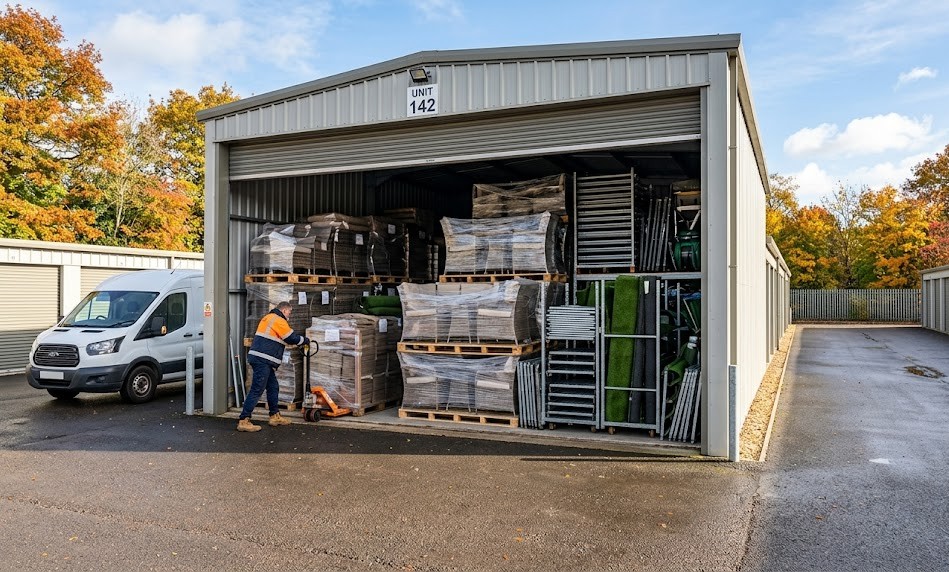
Running a garden centre means dealing with dramatic seasonal shifts that few other retail businesses experience. When spring arrives, you’re juggling thousands of bedding plants, compost pallets, and display stands. Come autumn, those same spaces sit half-empty whilst winter stock trickles in. The challenge isn’t just managing what sells – it’s finding somewhere to put everything that doesn’t.
Most garden centres face the same storage headache: valuable seasonal stock, bulky display materials, and promotional fixtures that take up enormous amounts of space for eight months of the year. You can’t afford to throw away perfectly good planters, signage, or unsold stock, but keeping it all on-site creates clutter that frustrates customers and staff alike. The solution many successful garden centres have adopted is off-site garden centre stock storage that gives them the flexibility to rotate stock efficiently whilst keeping their retail space focused on what actually sells each season.
Why Garden Centres Struggle with Seasonal Storage
Garden centres operate on a retail calendar that’s more extreme than almost any other business – like trying to fit an entire year’s wardrobe into a weekend bag when you really need proper luggage. Your peak trading period might generate 60-70% of annual revenue in just four months, which means your stock levels, display needs, and space requirements swing wildly throughout the year.
During spring, every square metre counts. You need room for thousands of bedding plants in various stages of readiness, bulk bags of compost, bark, and growing media, garden furniture displays that customers can walk through, seasonal promotional stands and point-of-sale materials, and tools, pots, and accessories that complement spring planting.
But when summer fades and autumn arrives, much of that stock becomes irrelevant. Bedding plants give way to bulbs and winter pansies. Garden furniture gets discounted and cleared. Those cheerful spring display stands look out of place when you’re trying to sell Christmas wreaths and winter protection fleece.
The question becomes: where does it all go?
The True Cost of On-Site Clutter
Many garden centre managers underestimate how much cluttered storage areas actually cost their business. It’s not just about the space – though that’s significant. It’s about operational efficiency and the customer experience.
When your back areas, greenhouses, or storage sheds are crammed with off-season stock, several problems emerge. Staff waste time navigating around obstacles to find what they need. Valuable items get damaged because they’re stacked poorly or exposed to weather. Your team can’t properly prepare displays because there’s nowhere to work. Most critically, customers notice when a garden centre feels disorganised, and they make assumptions about the quality of your plants and advice.
Think of it like trying to cook a proper meal in a kitchen where every surface’s covered with last month’s dishes and equipment you only use at Christmas. You can technically do it, but everything takes longer, the results suffer, and the whole experience becomes frustrating.
One garden centre near Thatcham was storing Christmas decorations, winter protection materials, and closed-season furniture in a greenhouse that could have been generating revenue. They’d accumulated three years’ worth of display materials, unsold seasonal stock, and promotional fixtures in a 400-square-foot greenhouse that sat empty from January through September. When they moved those items to business storage for £140 monthly, they freed up the greenhouse for spring bedding plants. The greenhouse could accommodate approximately 2,000 plants during peak season at an average retail value of £3-5 per plant – representing £6,000-10,000 in potential revenue. They calculated that in the first spring season alone, they’d sold an additional £4,200 worth of bedding plants that they simply couldn’t have displayed in their previous cramped conditions. The storage cost £560 for the four-month spring period, meaning the additional revenue was £3,640 net. That’s before considering the staff efficiency improvements from having a properly organised working environment and the customer experience benefits of a less cluttered retail space.
What Garden Centres Should Store Off-Site
Not everything belongs in off-site storage, but certain categories of stock and materials are perfect candidates for seasonal rotation.
Seasonal display materials and signage – Your spring promotional banners, Easter displays, and summer garden furniture signage aren’t needed in November. These items are often bulky, weather-sensitive, and need protecting between seasons. Storing them properly means they’ll last for multiple years rather than deteriorating in a damp shed or outdoor storage area. Large display stands, archways, promotional fixtures, and seasonal theming materials all fall into this category. They’re essential during peak periods but become obstacles during quieter months.
Off-season stock and bulbs – Spring bulbs arrive in late summer but don’t sell until autumn. Winter protection products aren’t relevant in June. If you stock seasonal items like Christmas trees, wreaths, or winter bedding, you need somewhere to keep them before their selling window opens. Proper storage conditions matter here. Bulbs need cool, dry conditions to remain viable. Seed packets require protection from moisture. Christmas decorations can’t be exposed to damp or extreme temperatures. A climate-controlled storage unit provides the consistent environment these items need whilst keeping them out of your working space.
Garden furniture and large display items – Most garden centres sell outdoor furniture during spring and summer, but those display sets take up enormous floor space. When the season ends, you’re left with unsold stock, floor models, and next year’s range that arrives months before you can sell it. Rather than cramping your retail space or leaving valuable furniture exposed to winter weather, off-site storage gives you a proper place to protect these high-value items. You can access them when needed for special orders or early-season displays, but they’re not cluttering your shop floor during your quietest months.
Promotional materials and event equipment – Garden centres increasingly run events, workshops, and seasonal promotions that require specific equipment. Gazebos for outdoor demonstrations, tables and chairs for workshops, seasonal bunting and decorations – all of these items are essential occasionally but problematic to store permanently on-site. Having a dedicated storage space means you can run a full calendar of events without turning your staffroom or greenhouse into an equipment dump.
How to Organise Garden Centre Storage Effectively
Simply moving items off-site isn’t enough. You need a system that lets you find what you need quickly and keeps everything in good condition until it’s needed again.
Create a detailed inventory system. Before anything goes into storage, photograph it and create a simple spreadsheet listing what’s stored, where it’s located within your unit, and when you’ll need it again. This might seem tedious, but it’s the difference between efficient seasonal rotation and wasting an afternoon searching for specific signage. Your inventory should include item description and quantity, condition notes, storage location (box number or shelf position), date stored and anticipated retrieval date, and photo reference.
Pack with protection and access in mind. Garden centre materials often include fragile signage, fabric banners, and items that can be damaged by poor packing. Invest in proper packaging materials – sturdy boxes, bubble wrap for delicate items, and furniture covers for larger pieces. Pack items you’ll need first towards the front of your unit. If you know you’ll need spring signage in February, don’t bury it behind Christmas stock that won’t be needed until November. Create clear pathways within your storage space so you can access specific items without moving everything else.
Label everything clearly. Use large, clear labels on every box and item. Include both the contents and the season or event it’s needed for. “Spring 2025 – Bedding Plant Signage” is far more useful than “Signage – Misc.” Consider colour-coding by season: green labels for spring items, yellow for summer, orange for autumn, red for winter. This visual system helps staff quickly identify what they’re looking for, especially during busy periods when you need to retrieve items quickly.
Protect against moisture and pests. Even in secure storage, garden centre materials can be vulnerable to moisture damage and pests. Fabric banners, wooden display stands, and paper signage all need protection. Use silica gel packets in boxes containing paper materials. Wrap fabric items in plastic before storing. Elevate wooden items off the floor using pallets or shelving. Check your storage unit periodically for any signs of moisture or pest activity, especially if you’re storing bulbs or seed packets.
Choosing the Right Storage Solution
Not all storage options work equally well for garden centre needs. Your requirements are different from someone storing household items or archived paperwork.
Size matters more than you think. Garden centre materials are often bulky rather than heavy. Display stands, furniture, and signage take up considerable space even though they might not weigh much. When estimating your storage needs, think in terms of volume rather than weight. A 100 sq ft unit might sound small, but it can hold a surprising amount of seasonal stock when organised properly with shelving and vertical storage. For larger garden centres managing multiple seasons of stock, displays, and furniture, container storage provides the space and drive-up access that makes loading and unloading efficient.
Access requirements change with the seasons. During transition periods – when you’re swapping spring stock for summer, or preparing for the Christmas season – you might need to access storage several times a week. During stable periods, you might not visit for months. Choose a storage facility that offers flexible access without charging premium rates for occasional use. The ability to drive up to your unit matters when you’re moving furniture displays or collecting multiple boxes of seasonal materials. Wrestling bulky items through corridors and lifts turns a simple task into an exhausting ordeal.
Security for high-value stock – Garden furniture, quality display materials, and seasonal stock represent significant investment. Your storage facility should provide proper security – CCTV coverage, individual unit alarms, and secure perimeter fencing at minimum. When you’re storing thousands of pounds worth of furniture and stock off-site, you need confidence that it’s as secure as if it were in your own locked building. Don’t compromise on security to save a few pounds monthly – the risk isn’t worth it.
Making Storage Work Financially
The objection most garden centre managers raise is cost. Storage isn’t free, and margins in the garden centre business are often tight. But the calculation isn’t simply “storage costs X per month” – it’s about what that storage enables you to do.
Calculate the opportunity cost. If clearing off-season stock from a greenhouse means you can use that space for revenue-generating plants during peak season, what’s that worth? If freeing up your retail floor from cluttered displays improves the customer experience and increases sales, how do you value that? One garden centre calculated that using a 400 sq ft greenhouse to store Christmas stock from January through October meant sacrificing approximately 1,500 plants during spring season. At an average retail value of £3-5 per plant, they were sacrificing £4,500-7,500 in potential revenue to avoid spending £150 monthly on storage. The business case became obvious once they did the maths.
Consider the longevity of your materials. Properly stored display materials, signage, and furniture last significantly longer than items left in damp sheds or exposed to weather. If professional storage extends the life of your seasonal materials by even one year, it’s likely paid for itself. Quality garden furniture displays can cost thousands of pounds. If proper storage means you get five years of use instead of three, you’ve saved money whilst maintaining a better-quality retail environment.
Factor in staff efficiency. How much time do your staff waste searching for items, moving obstacles, or working around cluttered storage areas? If you employ five people and each wastes just 30 minutes weekly dealing with storage issues, that’s 130 hours annually – more than three weeks of labour. Efficient off-site storage with proper organisation means your team spends time on productive tasks rather than hunting for misplaced signage or navigating around stacked furniture.
Planning Your Seasonal Storage Calendar
Successful garden centres treat storage as part of their operational calendar, not an afterthought. Planning when items move in and out of storage prevents last-minute scrambles and ensures you’re always prepared for the next season.
Create a rolling 12-month plan. Map out your retail calendar and identify when each category of stock and display materials will be needed. Work backwards from those dates to schedule when items should be retrieved from storage and prepared for use.
- January-February: Retrieve spring signage, display stands, and early-season promotional materials
- March-April: Peak spring trading – storage unit holds summer furniture and Christmas stock
- May-June: Begin rotating spring materials out, bring summer displays in
- August-September: Store summer items, retrieve autumn bulb displays and winter protection stock
- October-November: Prepare Christmas materials, store summer furniture
- December-January: Peak Christmas trading, begin planning spring rotation
Build in preparation time. Don’t plan to retrieve items the day before you need them. Display materials often require cleaning, repairs, or updates before they’re ready for the shop floor. Signage might need refreshing. Furniture might need touching up. Retrieve seasonal materials at least a week before you need them displayed. This buffer gives you time to prepare everything properly rather than rushing to set up displays with dusty, damaged materials.
Review and refine annually. After each season, evaluate what worked and what didn’t. Did you store items you never used? Did you need something that wasn’t in storage? Were there items damaged during storage that need different packing next time? Treat your storage system as an evolving part of your business operations, not a fixed solution. As your product range changes and your business grows, your storage needs will shift as well.
The Practical Reality of Storage for Garden Centres
The difference between garden centres that use off-site storage effectively and those that don’t often comes down to treating it as a business tool rather than an inconvenience. Storage isn’t about getting rid of things you don’t want to deal with – it’s about creating the space and flexibility your business needs to operate efficiently throughout the year.
When your retail space’s focused on what’s actually selling, customers have a better experience. When your staff aren’t wasting time working around obstacles, they’re more productive and less frustrated. When your seasonal materials are protected and organised, they last longer and present better. These aren’t abstract benefits – they’re measurable improvements that affect your bottom line.
Newbury Self Store understands that garden centres need storage supporting seasonal operations, not generic warehouse space. You need facilities where seasonal stock stays protected, where display materials remain organized for efficient rotation, and where off-season stock can be accessed when needed. We know that your garden centre stock storage isn’t just about hiding boxes – it’s the infrastructure that lets you present a clear, organized, seasonally relevant shopping experience that makes customers want to return.
For garden centres managing the dramatic seasonal swings that define this business, personal storage solutions provide the flexibility to adapt your space to what customers actually need each month rather than trying to accommodate everything simultaneously.
The most successful garden centres aren’t necessarily the largest or those with the most expensive displays. They’re the ones that present a clear, organised, seasonally relevant shopping experience that makes customers want to return. Off-site storage’s simply a tool that makes that possible without requiring you to build additional sheds, rent extra space, or compromise your retail environment.
If your garden centre’s struggling with seasonal stock, cluttered displays, or insufficient space during peak periods, the solution isn’t necessarily expanding your premises. Often, it’s simply about moving the right items to the right place at the right time – and that’s exactly what professional storage enables you to do. When you’re ready to explore how proper storage could transform your operations, contact us to discuss requirements specific to your seasonal patterns and stock volumes.