
 01635 581 811
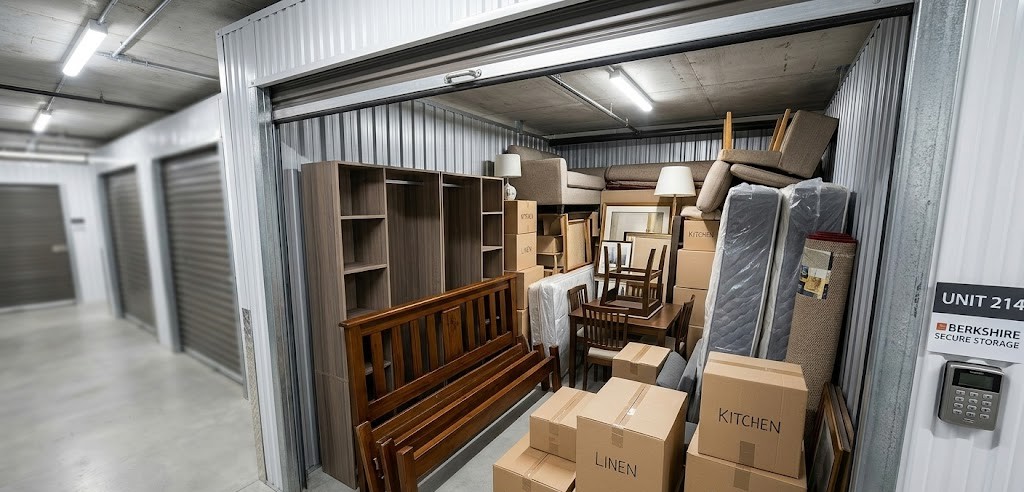
Landlords converting furnished properties to unfurnished rentals face a practical challenge: what to do with sofas, beds, dining tables, and all the other furniture that made the property ready for immediate occupation. Selling everything might seem logical, but it locks you into a permanent decision. Furnished conversion storage offers a smarter alternative, preserving your assets whilst giving you the flexibility to respond to changing market conditions.
The rental market shifts constantly. Today’s demand for unfurnished properties might reverse in eighteen months when student accommodation becomes scarce or corporate relocations increase. Keeping your furniture in secure storage means you’re not starting from scratch when the market turns. It’s the difference between spending £3,000 to refurnish a two-bedroom flat or simply retrieving items you already own.
Why landlords choose storage over selling
Most landlords converting from furnished to unfurnished tenancies underestimate the replacement cost of decent furniture. A basic furnished setup for a two-bedroom property – including beds, sofas, dining table, chairs, and essential appliances – typically costs between £2,500 and £4,000 to replace with new items of similar quality. Selling used furniture rarely recovers more than 20-30% of the original purchase price, especially when you need to move items quickly.
Rental conversion storage preserves the option to reverse your decision without financial penalty. The monthly cost of storing furniture from a two-bedroom property – roughly £150 to £200 for a 100-150 square foot unit – becomes insignificant when compared to replacement costs. After just twelve months of storage, you’ve spent £1,800 to £2,400, still substantially less than buying everything new.
Market flexibility matters more than many landlords realise. One property manager in Berkshire stored furniture from three conversions, then refurnished all three properties within two years when demand shifted. The storage costs totalled roughly £8,000 across the three properties, whilst purchasing equivalent new furniture would have exceeded £12,000. That’s a £4,000 saving, not accounting for the hassle of sourcing, purchasing, and coordinating deliveries.
Calculating your storage requirements
Most landlords overestimate the space they need, then pay for unused square footage. A furnished one-bedroom flat typically requires 75-100 square feet of storage space when items are properly stacked and organised. Two-bedroom properties need 100-150 square feet, whilst three-bedroom houses usually fit within 150-200 square feet.
The key difference lies in how you pack. Dismantling bed frames, removing table legs, and stacking chairs properly can reduce your required space by 30-40%. A king-size bed frame that occupies 15 square feet when assembled takes up just 4-5 square feet when dismantled and stored flat against a wall.
Think of it like packing a car boot for a holiday. Everything fits when you’re methodical, but throw items in randomly and you’ll run out of space with half your luggage still on the driveway. The same principle applies to storage units, just on a larger scale.
Here’s a realistic breakdown for common property types:
One-Bedroom Property:
- Double bed frame and mattress
- Sofa and armchair
- Dining table with four chairs
- Coffee table and side tables
- Lamp stands and soft furnishings
- Recommended unit size: 75-100 sq ft
Two-Bedroom Property:
- Two bed frames and mattresses
- Three-seater sofa and two chairs
- Six-seater dining set
- Occasional furniture and storage units
- Bedside tables and dressers
- Recommended unit size: 100-150 sq ft
Three-Bedroom Property:
- Three bed frames and mattresses
- Full living room suite
- Large dining set
- Multiple storage units and wardrobes
- Garden furniture (if previously included)
- Recommended unit size: 150-200 sq ft
Protecting your investment during storage
Furniture deteriorates quickly in poor conditions. Wooden items warp in damp environments, fabric develops mildew, and metal components rust. These aren’t theoretical risks – they’re the reality of storing valuable items in unsuitable spaces like garden sheds or uninsulated garages.
Professional rental conversion storage facilities maintain consistent conditions that preserve furniture integrity. Temperature fluctuations cause the most damage, expanding and contracting materials until joints loosen and finishes crack. A sofa worth £800 can become unsellable after six months in a damp garage, whilst the same item remains in perfect condition in a proper storage environment.
Preparation matters as much as the storage facility itself. Clean all upholstered items thoroughly before storage – any food residue or spills will attract pests and create permanent stains. Treat wooden furniture with appropriate polish to seal the surface, and wrap metal components in furniture blankets to prevent scratching.
One landlord learned this lesson expensively. She stored a £1,200 leather sofa suite in her garage without proper preparation. After eight months, mildew had damaged the leather beyond repair. The storage “saving” of roughly £600 (compared to using a proper facility) cost her the entire value of the furniture.
Seasonal flexibility and portfolio management
Landlords managing multiple properties discover that storage creates unexpected opportunities. Student accommodation providers, for instance, often need furnished properties from September to June but find better returns with unfurnished lets during summer months when families and professionals dominate the market.
Furnished conversion storage enables this seasonal switching without the chaos of buying and selling furniture twice yearly. Load a unit in June, retrieve everything in late August, and you’ve adapted to market conditions whilst maintaining consistent quality across your properties. The storage cost becomes a business expense that directly enables higher rental income.
Portfolio expansion becomes simpler when you maintain a furniture reserve. Acquiring a new property that needs furnishing? You’ve already got quality items in storage rather than spending weeks shopping and coordinating deliveries. This speed advantage often means you can list a property for rent weeks earlier, capturing rental income that would otherwise be lost.
Consider the mathematics: a two-bedroom property renting for £1,200 monthly generates £40 daily. Every day the property sits empty whilst you source furniture costs you real money. Having furniture immediately available in personal storage means you can turn properties around faster, minimising void periods that erode profitability.
Practical packing strategies that save space
Dismantling furniture isn’t complicated, but it requires methodical organisation. Take photographs before disassembling anything – you’ll thank yourself months later when you’re trying to remember which screws belonged to which bed frame. Store all fixings in clearly labelled bags taped directly to the relevant furniture piece. Nothing’s more frustrating than having a perfect wardrobe but no idea where the assembly hardware ended up.
Mattresses stand on their long edge rather than lying flat. A king-size mattress occupies 5 feet by 6.5 feet when horizontal but just 6.5 feet by 8 inches when vertical. That’s the difference between using 32.5 square feet and 4.3 square feet – a massive space saving that applies to every mattress you store.
Sofas and chairs stack when you’re strategic. Remove cushions and store them separately in vacuum bags (which also protects them from dust and moisture). Three-seater sofas often fit on their end, creating vertical storage that frees floor space for other items. Dining chairs stack four or five high when you place cardboard between each to prevent scratching.
Create a “tetris strategy” for your storage unit. Heavy items form the base layer – bed frames, dining tables, and large case goods. Medium-weight upholstered furniture comes next, with lighter items like chairs and small tables filling gaps. Leave a narrow aisle down the centre if you think you’ll need to access specific items before emptying the entire unit.
Wardrobes and tall cabinets work brilliantly as storage within storage. Fill them with soft furnishings, bedding, and cushions before moving them into your unit. You’re paying for the cubic footage anyway – using the internal space of furniture pieces maximises efficiency.
Insurance considerations and risk management
Your landlord insurance typically doesn’t cover furniture once it’s removed from the rental property. This creates a coverage gap that many landlords discover only after something goes wrong. Professional storage facilities offer insurance options specifically designed for stored contents, usually costing 1-2% of the declared value monthly.
Calculate the replacement value honestly. That sofa you bought for £600 three years ago might cost £800 to replace now. Under-insuring saves a few pounds monthly but leaves you substantially out of pocket if you need to claim. Document everything with photographs and keep purchase receipts – claims settle faster when you can prove both ownership and value.
Security matters more than many landlords consider. Modern business storage facilities provide individual unit alarms, CCTV coverage, and controlled access that far exceeds what most domestic garages offer. The incremental cost is minimal compared to the value of the furniture you’re protecting.
Tax implications and record keeping
Storage costs for furniture used in rental properties typically qualify as allowable business expenses, reducing your taxable profit. Keep detailed records including rental agreements, storage facility invoices, and documentation showing the furniture was previously used in your letting business. Your accountant can advise on specific circumstances, but the basic principle holds: expenses wholly and exclusively for business purposes are usually deductible.
Photograph your stored items comprehensively. These images serve multiple purposes – insurance documentation, inventory management, and potential evidence that items remained in good condition whilst stored. Date-stamped photographs from your phone provide simple, credible records that cost nothing to create.
Create a detailed inventory listing every item in storage, its original purchase price, and estimated current value. Update this annually, especially if you’re claiming storage costs against rental income. The few hours spent maintaining accurate records can save substantial time and stress during tax preparation or insurance claims.
When to retrieve versus when to sell
Storage makes financial sense for quality furniture that would cost more to replace than to store. Cheap flat-pack items that originally cost £50-100 rarely justify storage costs. A £40 bookshelf that requires £15 monthly storage becomes uneconomical after three months – you could buy a new one for less.
Focus your storage budget on substantial pieces: good quality sofas, solid wood dining sets, real wood bed frames, and any items with strong resale value. These pieces typically cost £300-1,500 each to replace, making even two years of storage significantly cheaper than repurchasing.
Market timing influences this decision. If rental demand clearly favours unfurnished properties long-term in your area, selling makes sense. But most markets cycle between preferences, often driven by demographic shifts, employment patterns, and development activity. Rental conversion storage provides breathing room to observe these trends before committing to irreversible decisions.
Coordination with property refurbishment
Converting furnished to unfurnished rentals often coincides with property improvements. This timing creates an opportunity – store furniture whilst contractors work, avoiding damage from painting, flooring installation, or other trades. The storage cost you’d pay anyway now serves double duty, protecting your assets whilst enabling faster, cleaner renovation work.
Contractors work more efficiently in empty properties. Decorators don’t need to work around furniture, carpet fitters don’t need to move heavy items repeatedly, and electricians can access walls without obstruction. This efficiency often reduces labour costs by 10-20%, partially offsetting your storage expenses.
Consider the sequencing carefully. Remove furniture before starting work, complete all trades, clean thoroughly, then decide whether to return furniture or market the property as unfurnished. This approach maintains maximum flexibility whilst protecting your assets from the inevitable knocks and spills that occur during refurbishment.
Making storage work within your budget
Storage costs vary significantly based on location, facility quality, and unit size. Expect to pay £80-120 monthly for a 75 square foot unit in most areas, rising to £150-200 for 150 square feet. These figures represent mid-range facilities offering good security and access – budget options cost less but often compromise on conditions that preserve furniture quality.
Calculate the break-even point before committing. If your stored furniture would cost £3,000 to replace and storage costs £150 monthly, you break even at twenty months. Beyond that point, buying new becomes cheaper than continued storage. This calculation helps you set a realistic timeline for your conversion strategy.
Negotiate longer-term rates. Many facilities offer discounts for six or twelve-month commitments, typically 5-15% below monthly rates. If you’re confident about your storage timeline, these savings add up – a 10% discount on £150 monthly saves £180 annually, enough to cover additional packaging supplies or insurance costs.
Access and retrieval planning
Choose a facility that matches your likely access needs. Converting multiple properties over time? Frequent access matters, making facilities with extended hours or 24/7 availability worth the premium. Storing furniture from a single property with no plans to retrieve items soon? Standard business hours access suffices and costs less.
Consider retrieval logistics before you pack. Items you might need first should sit near the front of your unit. Seasonal furniture – garden sets, outdoor cushions – can go toward the back since you’ll likely retrieve everything simultaneously when refurnishing. This planning prevents the frustration of unpacking half your unit to reach one specific item.
Container storage works brilliantly for landlords managing multiple conversions. Ground-level access means you can back a van directly to your unit, eliminating the hassle of lifts, trolleys, and multiple trips through corridors. This convenience becomes significant when you’re moving entire property’s worth of furniture.
Long-term strategy and portfolio planning
Successful landlords view furnished conversion storage as a strategic tool rather than a temporary fix. Maintaining a furniture reserve enables rapid response to market opportunities – that perfect property that becomes available unexpectedly, the tenant who requests a furnished option mid-tenancy, or the chance to capture higher rents when demand shifts.
The mathematics become compelling across multiple properties. Three properties each requiring £3,000 of furniture represent £9,000 of capital tied up in depreciating assets. Storage costs of £400-500 monthly preserve this capital whilst maintaining flexibility to deploy furniture where it generates the best returns. You’re essentially paying £5,000-6,000 annually to maintain £9,000 worth of options – a reasonable price for strategic flexibility.
Review your storage arrangements annually. Market conditions change, storage costs fluctuate, and your portfolio strategy evolves. What made sense eighteen months ago might need adjustment now. This regular review ensures you’re not paying to store items you should have sold or maintaining furniture that no longer fits your property standards.
Conclusion
Converting furnished properties to unfurnished lets doesn’t require selling everything you’ve accumulated. Strategic use of rental conversion storage preserves valuable assets whilst giving you the flexibility to respond to changing market conditions without the expense of repeatedly buying furniture. The key lies in honest assessment – store quality items that cost more to replace than to store, and sell cheap pieces that aren’t worth the ongoing expense.
Calculate your break-even point, prepare items properly to prevent damage, and choose a facility that balances cost with the security and conditions your furniture needs. Contact us to discuss storage solutions that fit your specific needs. Storage costs become a business investment that maintains options, speeds up portfolio expansion, and protects capital that would otherwise be lost to hasty sales at poor prices. For landlords managing multiple properties or planning long-term portfolio growth, that flexibility often proves more valuable than the monthly storage fee suggests.
Whether you’re converting one property or managing a larger portfolio, taking time to plan your storage strategy prevents expensive mistakes. Your furniture represents substantial capital – treat it accordingly, and storage becomes a tool that enhances rather than drains your rental business profitability.