
 01635 581 811
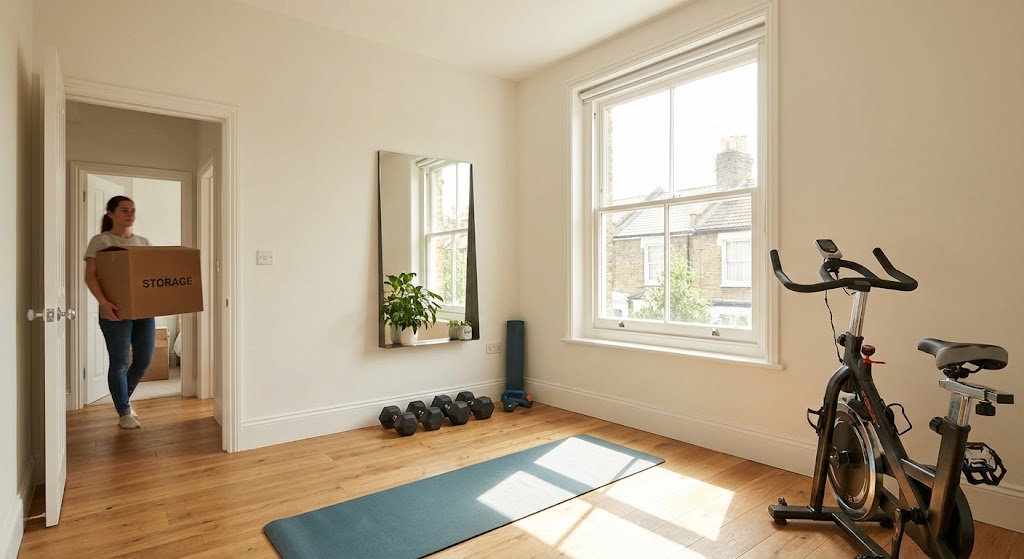
Creating your own storage unit gym has become a surprisingly practical solution for fitness enthusiasts who want a dedicated workout space without the hefty price tag of commercial gyms. It’s a cost-effective alternative that gives you complete control over your environment, equipment, and training schedule. When you repurpose storage unit space for fitness, you’re investing in privacy, flexibility, and the freedom to work out on your terms – no queues for equipment, no distractions, and no monthly membership fees draining your wallet. The secret to success lies in choosing a facility with robust security, flexible access hours, and management that understands your unique requirements.
Understanding the Rules of Your Fitness Space
Before you start hauling dumbbells or rolling out yoga mats, you’ll need to have an honest conversation with your storage facility manager. Most self-storage sites are designed primarily for storing belongings, not as active workspaces, which means their terms and conditions require careful examination. You can’t simply assume your plans will be approved without proper discussion. Ask directly about unit alterations, electricity usage limits, noise restrictions, and whether using the space for regular exercise sessions aligns with their policies. Getting everything in writing protects both you and the facility.
Is Personal Fitness Use Actually Allowed?
Here’s where things get specific. Most reputable facilities in Newbury won’t permit commercial operations that bring multiple clients to the site daily – think paid personal training sessions or group yoga classes with regular attendees. That’s a different ball game entirely. However, using your rented space for personal workouts is often perfectly acceptable, provided you’re respectful of noise levels and don’t attempt structural modifications. If you’re a small business owner needing to store inventory alongside your workout gear, business storage solutions can accommodate both needs efficiently. Don’t drill into walls, install permanent fixtures, or make alterations without explicit written permission. Your rental agreement is your rulebook – read it thoroughly before committing to your storage unit gym setup.
Essential Considerations for a Functional Wellness Unit
Once you’ve secured approval, the real planning begins. Transforming a basic storage space into an effective fitness environment requires attention to several practical elements that dramatically impact usability and safety. Think of it like preparing for a long camping trip – you wouldn’t just throw gear into a bag and hope for the best. Proper preparation ensures your repurpose storage unit project delivers the results you’re after.
Choosing the Right Size and Layout
Size matters enormously when you’re planning a storage unit gym. A cramped space kills motivation faster than anything else. For a simple yoga practice with just your mat and a few props, a 50-square-foot unit might suffice. But if you’re serious about weight training or want to include cardio equipment like a treadmill, you’ll need at least 100 to 150 square feet to move safely. Here’s a helpful comparison: choosing the right unit size is like packing for a holiday – you need enough room for everything you’re taking, plus space to actually use it comfortably. Nobody wants to unpack a suitcase in a tiny hotel bathroom, and nobody wants to deadlift in a space where the barbell nearly touches both walls.
Flooring Solutions for Safety and Protection
Concrete floors are brutally unforgiving on your joints and any dropped equipment. You can’t skip proper flooring if you want to avoid injury and protect the unit itself from damage. Heavy-duty rubber interlocking tiles are the gold standard for any storage unit gym because they cushion impact, reduce noise, and prevent equipment from scratching or cracking the original floor. For yoga-focused spaces, you might layer softer foam tiles or a thick, premium mat over the rubber base to enhance comfort during floor work. This isn’t just about comfort – it’s about preserving your knees, back, and ankles for years of training.
Ventilation, Temperature, and Climate Control
Stuffiness will ruin your workout faster than you’d imagine. When you’re pushing hard through a training session, poor air circulation makes everything feel ten times harder and potentially unsafe. A powerful industrial fan is your first line of defence, but it’s not the complete solution. Climate-controlled units maintain stable temperature and humidity levels year-round, which protects metal equipment from rust and prevents mats, foam, and wooden accessories from developing mould or degrading prematurely. If you’re storing valuable fitness equipment, personal storage with climate control features becomes essential rather than optional.
Lighting and Atmosphere
The standard fluorescent strip lighting in most storage facilities creates an atmosphere about as inspiring as a hospital corridor. You’ll want to supplement or replace it entirely to suit your training style. Battery-powered or plug-in LED strips can be strategically positioned to flood your workout area with even, bright light that energises rather than drains. For a yoga or meditation space, warm-toned LEDs with dimming capability help create the calming atmosphere you need for deep practice. Lighting directly influences your mood, energy levels, and even your perception of how challenging a workout feels.
The Role of Mirrors and Sound
Mirrors aren’t just vanity items in a storage unit gym – they’re essential safety tools. Checking your form during squats, deadlifts, or overhead presses prevents injury and helps you develop proper technique without a trainer watching constantly. For yoga practitioners, mirrors aid in perfecting alignment and understanding how your body moves through different poses. Sound is equally important but requires consideration for your neighbours. Even bodyweight exercises create noise, and music at typical gym volume levels might breach facility policies. Foam panels strategically placed on walls offer affordable, effective sound dampening that keeps your sessions private and your fellow unit renters happy.
Tailoring the Unit: Gym vs. Yoga Studio
Your equipment choices should align precisely with your fitness goals and available space. Before assembling your setup, you’ll need proper supplies to transport and protect everything during the move. Packaging materials like heavy-duty boxes and bubble wrap ensure your weights, mirrors, and electronics arrive safely.
Building Your Storage Unit Gym
Efficiency is everything when space is limited. Focus on versatile equipment that delivers maximum results without eating up your entire floor area. A quality squat rack forms the foundation, paired with an adjustable bench and a set of dumbbells or kettlebells. Adjustable dumbbells are particularly brilliant because they replace an entire rack of weights whilst occupying minimal space. Resistance bands, a pull-up bar, and a few weight plates cover nearly every training scenario you’ll encounter. Safety padding around heavy lifting zones isn’t optional – it’s mandatory insurance against dropped weights damaging equipment or the unit itself.
Creating Your Yoga Studio Space
The approach here shifts entirely towards atmosphere and serenity. Harsh lighting gets replaced with warm, layered LED options that can be dimmed for relaxation sequences. Small touches like faux plants, calming artwork, or even fabric wall hangings transform the industrial space into something that actually feels like a sanctuary. Your core equipment list remains beautifully simple: a high-quality non-slip mat, storage for props like blocks, straps, and bolsters, and perhaps a small sound system for guided meditation tracks. The goal isn’t cramming in equipment – it’s creating an environment where stress dissolves the moment you step inside.
A customer we worked with, Sarah, desperately needed escape from her chaotic household whilst studying for a demanding professional certification. She decided to repurpose storage unit space into her personal meditation sanctuary. With soft grey paint, warm lighting, comfortable rugs, and complete silence, she created a refuge where early morning meditation sessions became the foundation of her successful study routine. Her family couldn’t interrupt because they weren’t there. Her focus improved dramatically because the space had one single purpose.
Legalities, Insurance, and Accessibility
You’ve planned the perfect setup, but there are formal matters that need addressing before you start training regularly. Skipping these steps could create expensive problems down the line.
Insurance and Liability
Your homeowner’s or renter’s insurance almost certainly doesn’t extend to equipment stored at third-party facilities. Contact your insurer directly and ask whether off-site storage contents are covered, particularly high-value items like multi-gyms or commercial-grade treadmills. If you’re considering any form of shared access or informal training with friends, public liability insurance becomes necessary to protect against injury claims arising from activities in your unit. Don’t assume you’re covered – verify it explicitly.
Daily Access and Security
Access hours can make or break your storage unit gym experience. If you’re someone who trains at 5am or prefers late evening sessions, you’ll need a facility offering extended or 24/7 access to your unit. Security features matter just as much – robust individual locks, comprehensive CCTV monitoring, and well-lit premises ensure your expensive equipment stays exactly where you left it. Container storage options often provide ground-level access, making equipment transport significantly easier than navigating multiple corridors and lifts.
Cost-Effectiveness and Planning
Creating a storage unit gym costs substantially less than leasing commercial space, but proper budgeting prevents nasty surprises. Factor in monthly rental fees, one-off costs for flooring and lighting upgrades, equipment purchases, and ongoing insurance premiums. You’re effectively paying for convenience, security, and flexibility – a private, dedicated space for your wellbeing without the astronomical overheads of commercial premises. Managed carefully, this approach delivers professional-grade training facilities at a fraction of traditional costs.
Your Next Step Towards a Private Fitness Space
Transforming empty storage space into your personal training haven is genuinely achievable with proper planning and the right facility partner. Security, flexibility, and supportive management make all the difference between a successful long-term setup and a frustrating failed experiment. If you’re ready to explore unit sizes, access options, and pricing for your storage unit gym project, contact us to discuss how we can support your fitness goals. The perfect dedicated training space might be more accessible than you think.