
 01635 581 811
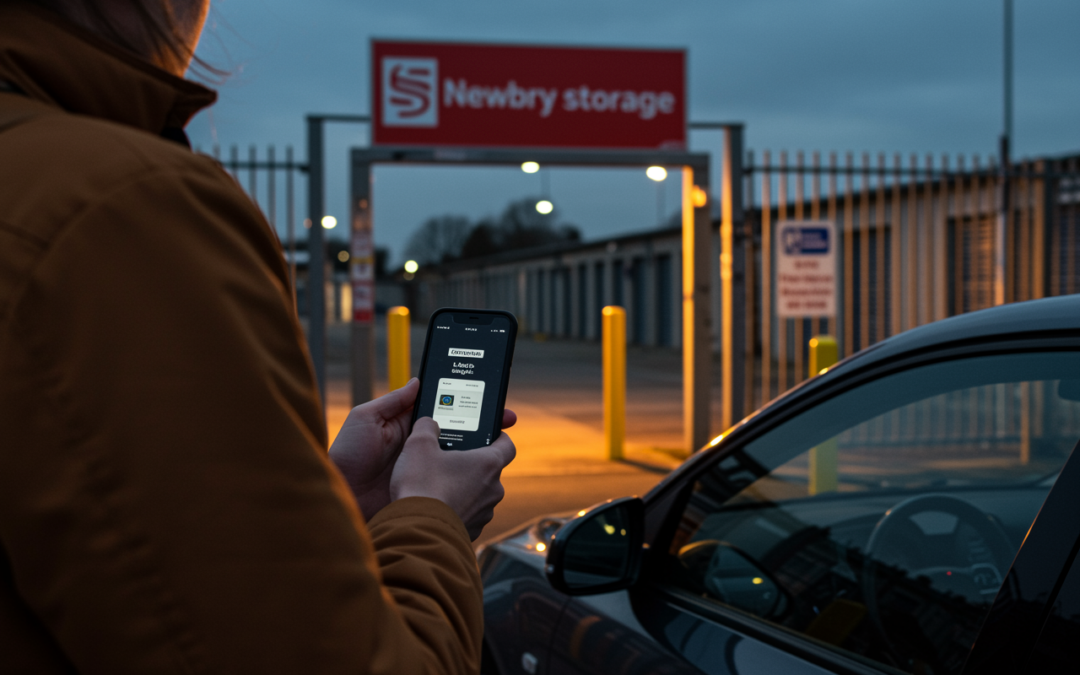
Most flexible storage contracts allow you to avoid the rigid commitments that cost more than you typically expect. The problem is rarely just the monthly rate; it is what happens when your plans change, and experience shows they almost always do.
Fixed-term agreements sound sensible on paper. You sign up for six or twelve months, secure a slightly lower rate, and attempt to forget about it. However, life rarely works that way. The house sale that was meant to complete in three months often drags on for six. The renovation finishes early. Your new flat becomes available two months ahead of schedule. Suddenly, that initial “discount” transforms into an expensive penalty.
Consider the reality of the situation: you end up paying for space you do not need, or you find yourself scrambling to find loopholes in a contract that was not designed with your interests in mind. In either scenario, you lose money and flexibility.
The Hidden Costs of Fixed-Term Storage Contracts
Fixed-term agreements often create a financial trap that most people do not spot until it is too late. While the headline price appears attractive, the rigidity of the terms frequently leads to wasted expenditure.
Consider a scenario where you sign a six-month contract at £80 per month, which is £20 cheaper than the rolling monthly payment of £100. It looks like a £120 saving over six months. However, if you only need storage for four months, the maths changes effectively. You are locked in for the full six months. That is £480 you will pay, even if your belongings sit elsewhere for the final two months. The flexible contract would have cost £400 for four months. Your perceived “discount” just cost you £80.
The financial impact worsens when circumstances shift unexpectedly. I recall a family I helped last year who signed a twelve-month contract for their house contents whilst renovating. The builder finished three months early, which was brilliant news, except they were still paying £150 monthly for storage they no longer needed. That is £450 wasted because the contract lacked a break clause.
Early termination fees make the situation even messier. Most fixed contracts charge you to leave early, often equivalent to one or two months’ rent. Some require you to pay the remaining months in full. If you read the small print, you will usually find clauses that protect the storage company far more than they protect you.
Why Two Weeks Notice Actually Saves Money
Flexibility is not just convenient; it is financially smarter for most real-world situations. A rolling monthly payment structure ensures you are never financially committed to space you are not using.
Think of it like choosing between a rigid train ticket and a flexible one. The rigid ticket costs less upfront, but if your meeting finishes early or gets cancelled, you have wasted the saving. The flexible ticket costs slightly more, but you only pay for the journey you actually take. Storage works the same way. A rolling contract with two weeks’ notice means you are never paying for time you do not need. When your circumstances change, you adjust without penalty.
Consider a small business storing seasonal stock. You might need significant space in November and December for Christmas inventory, then barely anything from January to March. A fixed twelve-month contract charges you the same rate whether you are using 200 square feet or 50. With flexible terms, you can downsize in January and only pay for what you are actually using.
The two-week notice period gives you enough time to plan your move-out properly without rushing, but it does not trap you for months. You are not gambling on how long you will need storage; you are responding to what actually happens in your life or business.
When Fixed-Term Contracts Make Sense (and When They Don’t)
There is a specific type of storage customer who benefits from fixed-term agreements. You are likely not one of them. Fixed terms work if you have absolute certainty about your timeline. For example, if you are moving abroad on a set date in exactly twelve months, and you have already secured the visa, the job contract, and the flight booking. Even then, house sales fall through and job offers get rescinded. Life happens.
The only scenario where fixed terms genuinely save money is when you are storing long-term with zero possibility of change. That is rare. Most people overestimate how certain their plans are.
Students often think they need storage for the full summer break, opting for a twelve-week fixed contract. However, summer jobs start early, or accommodation becomes available. Plans shift. That twelve-week contract becomes ten weeks of actual use and two weeks of wasted money. Homeowners between properties face the same problem. Estate agents give you a completion date, and you sign a storage contract to match. Then the chain breaks, surveys reveal issues, or solicitors delay. Your fixed contract does not care about any of those external factors.
Here is the reality: unless you are a large business with predictable, recurring storage needs think secure business archives for legal documents that you know you will keep for seven years flexibility beats fixed terms almost every time.
How Flexible Storage Adapts to Real-Life Situations
Real storage needs do not fit neat timelines. They expand, contract, and shift based on circumstances you cannot predict when you first pack that van.
Take a typical house move scenario. You believe you need storage for three months whilst you find a new place. You find somewhere perfect in six weeks. With a flexible contract, you give two weeks’ notice and you are done. Total cost equals two months. With a fixed three-month term, you are paying for that extra month regardless.
Conversely, your house search might take five months instead of three. The flexible contract extends naturally. You just keep paying monthly. With the fixed contract, you are either renegotiating, paying penalties, or scrambling to sign a new agreement.
Personal storage requirements shift constantly. A couple might start with a small unit for furniture whilst decorating their spare room. Then they inherit belongings from a family member. Later, they need space for baby equipment when they find out they are expecting. Each time, they upsized without penalty or contract renegotiation. Attempting that with a fixed twelve-month agreement is administratively painful and costly.
Business needs change even faster. An e-commerce retailer might need extra space for a product launch, then scale back when sales stabilise. A tradesperson might store tools and materials during a big project, then clear out when it is finished. Flexible contracts let you match your costs to your actual requirements, not to what you guessed six months ago.
The Psychology of Fixed Contracts: Why They Feel Safer
Fixed-term agreements create an illusion of control and security. That is why people sign them, even when flexibility would serve them better. There is comfort in knowing exactly what you will pay over a set period. It feels like good budgeting. You can plan around it. The monthly cost is slightly lower, which feels like you are securing a deal. These are powerful psychological triggers.
However, this comfort is false. You are not controlling your costs; you are just fixing them regardless of whether they make sense. It is comparable to paying for a gym membership you do not use because you signed an annual contract. The predictability does not help if you are paying for something you do not need.
The “discount” on fixed terms exploits a common bias, where we overvalue immediate, visible savings and undervalue future flexibility. That £20 monthly saving looks attractive now. The cost of being locked in for months you don’t need feels abstract and distant. At Newbury Self Store, this approach is something customers benefit from regularly; we find that an honest flexible term builds far more trust than locking someone into a contract that might not suit them in three months.
Storage companies know this. Fixed contracts benefit them enormously. They get guaranteed income and reduced admin from customers moving in and out. The discount they offer is far smaller than the risk you are taking on.
What Two Weeks Notice Really Means in Practice
A proper flexible contract with two weeks’ notice is not complicated. It is straightforward, and it protects you. You pay monthly. When you are ready to leave, you give fourteen days’ notice. You pay for those two weeks, remove your belongings, and you are done. No penalties, no negotiations, and no lengthy exit procedures.
Those two weeks serve a practical purpose. They give you time to organise collection, hire a van if needed, and pack everything properly. You are not rushing to empty a unit in 24 hours. However, you are also not trapped for months.
Some people worry that flexible contracts mean the storage company can remove them with two weeks’ notice too. Reputable facilities do not operate that way. The flexibility runs both ways in theory, but in practice, storage companies want long-term customers. They are not going to evict you unless you are not paying or you are breaching terms.
What you should check is whether the contract specifies two weeks’ notice from either party, or just from you. Read that clause carefully. A good flexible contract gives you the freedom to leave with fourteen days’ notice without giving the company the same power to disrupt your storage unexpectedly.
Comparing Real-World Costs: Flexible vs Fixed
Let us run through actual scenarios with real numbers to see where the money goes.
Scenario One: House Renovation
You estimate three months of storage. Fixed three-month contract at £90 per month equals £270 total. Flexible contract at £110 per month.
- If the renovation takes exactly three months, you pay £330 with the flexible contract. The fixed term saves you £60.
- If the renovation finishes in two months, you pay £220 with the flexible contract (two months plus two weeks’ notice). The fixed term costs £270. The flexible contract saves you £50.
- If the renovation takes five months, you pay £550 with the flexible contract. The fixed term costs £270 for the first three months, then you are either paying penalties to extend or signing a new contract at a higher rate. Best case, you are paying another £220 for two more months, totalling £490. Flexible still costs more, but only by £60, and you avoided the hassle of renegotiating.
Scenario Two: Business Inventory
You need storage for seasonal stock. Four months of heavy use, two months of minimal use.
- Fixed six-month contract for a large unit: £200 per month equals £1,200 total.
- Flexible contract: four months in a large unit (£220 per month equals £880), then downsize to a small unit for two months (£100 per month equals £200). Total: £1,080. You save £120 and you are not paying for wasted space.
The storage unit price comparison clearly shows that flexibility saves money whenever your needs change, which is most of the time.
How to Evaluate Storage Contracts Before You Sign
Do not just compare monthly rates. Look at the whole picture. Ask these questions before you commit to any short-term rental agreement:
- What is the notice period? Two weeks is reasonable. Anything longer starts limiting your flexibility. Anything requiring 30, 60, or 90 days’ notice is essentially a fixed term in disguise.
- Are there early termination fees? If you are signing what looks like a flexible contract but there is an early termination penalty for leaving in the first six months, that is not truly flexible.
- Can you change unit sizes mid-contract? Life changes. Your storage needs change. A good contract lets you upsize or downsize without penalties. This is particularly important for business storage, where inventory levels fluctuate.
- What happens if you need to extend? If you have signed a fixed term and you need more time, what is the process? Do rates increase? Is there a gap where you would need to move out and move back in?
- Is the monthly rate genuinely comparable? Some facilities advertise low fixed-term rates but charge extra for access, insurance, or admin fees. The flexible rate might include everything. Compare the total cost, not just the headline figure.
Get everything in writing. If the person showing you round says “You can leave anytime, don’t worry about the contract,” that means nothing unless it is in the agreement you sign.
The Flexibility Advantage for Specific Situations
Different storage users benefit from flexible contracts in different ways. Students face unpredictable timelines every summer. University accommodation contracts end on fixed dates, but new housing might become available early. Summer jobs might require you to move sooner than planned. Or you might decide to travel and need to clear your storage quickly. Flexible terms mean you are not paying for July and August when you have already moved into your new place in June.
People between house moves deal with the most uncertainty. Completion dates shift constantly, chains collapse, and surveys throw up problems. A flexible contract means you are not locked into a timeline that is completely out of your control. When that call comes through that you can complete early, you are not stuck paying for storage you do not need.
Small businesses and e-commerce retailers need to scale storage up and down based on demand. A fixed contract for a large unit makes no sense if you only need that space for three months of the year. Flexible terms let you match your storage costs to your actual inventory levels.
Tradespeople storing tools between jobs benefit enormously from flexibility. You might need space for three weeks during a big project, then nothing for two months. Paying for storage you are not using makes no sense when you could give two weeks’ notice and clear out.
Making the Switch From Fixed to Flexible
If you are currently locked into a fixed-term contract that is not working, you have options. First, read your contract carefully. Look for break clauses, termination terms, or circumstances that let you leave. Some contracts include provisions for major life changes such as redundancy, relocation for work, or family emergencies. If any apply, you might have grounds to exit without the full penalty.
Second, talk to the storage facility. Explain your situation honestly. Some companies will negotiate, especially if you are polite and reasonable. They might let you switch to a flexible contract, possibly with a small admin fee, rather than lose you as a customer entirely.
If you are stuck paying for months you do not need, consider whether you can use that space differently. Could you help a friend or family member who needs to store household belongings temporarily? Could you consolidate belongings from elsewhere to make use of the space you are paying for anyway? It is not ideal, but it is better than paying for empty space.
When your fixed term ends, do not automatically renew. That is your opportunity to switch to flexible terms without penalty. Even if the facility offers another discount for signing a new fixed term, run the numbers based on realistic scenarios, not best-case assumptions.
Conclusion
Fixed-term storage contracts create financial risk that most people do not need to take. The small monthly discount rarely compensates for the inflexibility when your plans change, and history suggests they will. Two weeks’ notice on a rolling monthly contract gives you genuine control over your storage costs. You pay for what you actually need, not what you guessed you would need months ago. When circumstances shift, you adjust without penalties or complicated exit procedures.
The scenarios where fixed terms genuinely save money are rare and specific. For students, homeowners between properties, small businesses, and anyone facing uncertain timelines, flexibility beats fixed contracts almost every time. Before you sign any storage agreement, read the notice period carefully, ask about early termination fees, and check whether you can change unit sizes mid-contract.
Your storage needs will change, so it makes sense to choose a contract that changes with them. For advice on the most cost-effective solution for your specific timeframe, call 01635 581 811 or contact our team to discuss your storage options.