
 01635 581 811
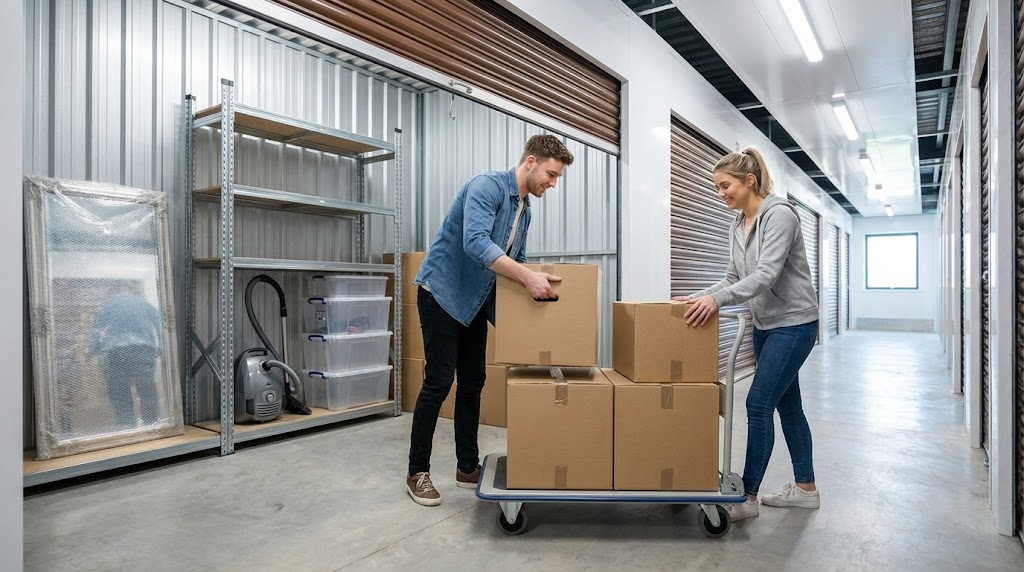
Moving into your first home is an incredibly exciting achievement, marking a huge, positive transition in your life. It’s also often a moment that reveals just how many possessions you’ve accumulated over the years, making the logistics feel slightly overwhelming. Fortunately, with the right planning and strategic use of storage, you can manage this massive milestone efficiently and with minimal stress. The key is to see storage as a valuable tool, not just a temporary stopgap, and to implement the best first home storage tips right from the start. Professional facilities provide both the space and the expertise you need to ensure a truly smooth transition into homeownership.
Strategic Planning for a Seamless Move-In Day
The secret to a stress-free move isn’t about speed; it’s about meticulous planning that starts weeks before you pick up the first box. A well-executed strategy means you save time, reduce moving costs, and arrive at your new place feeling organised, not exhausted. Effective planning allows you to anticipate potential delays and ensure you have reliable options, like secure self-storage, already lined up.
Creating Your Comprehensive Moving Timeline
Work backward from your official move-in date, establishing deadlines for key activities like booking services and finalising your inventory list. Setting firm weekly goals prevents that frantic last-minute scramble that often results in poor packing and unnecessary panic. A clear timeline is one of the most effective new homeowner tips for reducing stress during this volatile period. A clear timeline ensures that by the final week, you’re focused purely on the essentials, not scrambling for boxes or movers.
A critical step is to book professional movers or secure a suitable rental van well in advance of the exchange date. Simultaneously, use this planning stage to identify any items that will need temporary holding in short-term storage solutions near your new location. This dual-track approach ensures both the transportation and holding of your goods are secured early on.
The Essential Step of Pre-Move Decluttering
Moving into your first home offers the perfect opportunity to declutter and only bring items you truly love or need into your new space. Be ruthless in your evaluation of clothes, old equipment, and decorative items that haven’t seen daylight in years. Applying the simple “One Year” rule – if you haven’t used it in twelve months, consider donating or selling it – is incredibly effective for lightening the load.
Decluttering significantly reduces the volume of items you must transport and unpack, directly translating into lower moving costs and less stress on the big day. Every item you choose to let go of is a small victory that contributes to a more spacious and organised future home. Selling unwanted items through local platforms can even generate some extra cash to cover other moving expenses.
Choosing the Right Flexible Storage Options
Sometimes, the timelines for moving out of your old place and moving into your new home don’t perfectly align, or perhaps you’re planning a renovation before you settle in fully. This is where flexible personal storage solutions become invaluable, bridging the gap between properties. They offer a secure, clean space to keep your belongings protected during the most volatile phase of the moving process.
Matching Unit Size to Your Property Contents
One of the biggest questions first-time movers face is assessing how much space they actually need for their items. Guessing the size often leads to renting a unit that is either too large and wasteful or too small and unable to fit everything comfortably. Think vertically, remembering that most self-storage units offer high ceilings for efficient stacking.
Finding the right fit is crucial; you wouldn’t pack a small rucksack for a month-long trip requiring bulky winter gear, would you? Similarly, choose a unit that matches the volume and duration of your storage needs to avoid paying for unused space. A 50 sq ft unit can generally hold the contents of a small one-bedroom flat, while a 100 sq ft unit is usually enough for a standard two-bedroom house’s worth of items.
Understanding Secure Access and Flexibility
When you use secure storage units, you want the assurance of reliable access whenever you need it. Flexible contract terms are ideal for the fluid nature of a house move, meaning you only pay for the time you genuinely require. Transparent pricing and adaptable terms mean you won’t be trapped in a long, expensive contract once your keys are finally in hand.
Furthermore, peace of mind comes from knowing your valuables are protected. Facilities utilise 24/7 CCTV monitoring and secure access control, ensuring only authorised personnel and customers can enter the premises. This commitment to security makes the moving process much less nerve-wracking for first-time buyers.
Mastering Smart Packing and Inventory Management
Effective packing goes far beyond simply throwing items into a box; it is a strategic process that saves space, prevents damage, and makes the eventual unpacking much easier. Investing a little extra time and effort during this phase will repay you tenfold when you begin to settle into your new home. This is the stage where you consolidate, label, and protect everything you plan to keep.
Securing Your Valuables with Quality Materials
The integrity of your belongings relies heavily on the quality of the materials you use during the packing process. Don’t skimp on items like sturdy, double-walled cardboard boxes, strong packing tape, and adequate bubble wrap or protective paper for fragile items. You can easily find high-quality, essential packing supplies designed for secure storage.
Remember to pack heavier items, such as books or kitchen appliances, in smaller boxes to make them manageable and prevent the box bottoms from failing. Conversely, lighter, bulky items like bedding or towels can fill larger boxes efficiently. Proper packing ensures stability when boxes are stacked inside your storage unit or the moving van. Newbury Self Store offers a full range of services designed to support first-time buyers through every stage of this demanding process.
The Power of Detailed Labelling and Documentation
Labelling is arguably the most critical step after securing your items, especially if you use short-term storage solutions during the move. Clearly write the contents, the original room, and whether the box is fragile on at least two sides of every container. This ensures that movers place boxes in the correct location and that you can find essentials quickly.
A useful trick many successful clients use is to take a photo of the contents of the box before sealing it shut. This creates a quick, visual inventory you can reference without needing to open countless boxes on move-in day. Having an accurate, external inventory also helps if you need to access specific items stored in a temporary unit.
Furnishing and Organising Your New Space
Once the boxes start arriving in your new home, the final challenge is creating an efficient and comfortable living environment. The best new homeowner tips always focus on creating a functional space first, rather than rushing to unpack every box immediately. If you’ve been smart and placed non-essential items into temporary storage, you can focus on furnishing and organising room by room. This staged approach eliminates the overwhelming clutter of a fully loaded property.
Utilising Vertical Space for Maximum Effect
When space is at a premium, you must look up and make the most of vertical storage opportunities. Tall, narrow shelving units and built-in cabinets draw the eye upwards and keep floor space clear, making any room feel instantly larger and less cluttered. Installing hooks and floating shelves can also convert empty wall space into functional storage areas for coats, artwork, or toiletries.
Consider the example of Mr and Mrs Johnson, who were downsizing into a cosy first home. They used practical first home storage tips to place their large, inherited dining table into large-scale container storage for a year while they focused on small, multi-functional furniture inside the house. This allowed them to settle in without being constantly surrounded by items that didn’t yet fit their lifestyle.
Investing in Multi-Functional Furniture
Multi-functional furniture is a first-time buyer’s best friend, blending practicality with style to save square footage. Look for storage ottomans, coffee tables with drawers, and beds featuring built-in drawers underneath. These pieces provide discreet places to stow blankets, media equipment, or seasonal clothing without adding visual bulk to the room. Every item that serves two purposes helps you maximise your floor plan.
Next Steps for a Stress-Free Move
Moving into your first home is a complicated process filled with excitement and detail. By following these first home storage tips and applying key new homeowner tips, you’re well-equipped to manage the logistics, keep your belongings safe, and enjoy your new beginning. Professional facilities are dedicated to providing the expert advice and superior security you deserve during this important chapter.
If you’re also running a home-based business, don’t forget there are also cost-effective business storage solutions available.
Take the first step towards a perfectly organised move by reaching out today for a competitive quote and personalised guidance.