
 01635 581 811
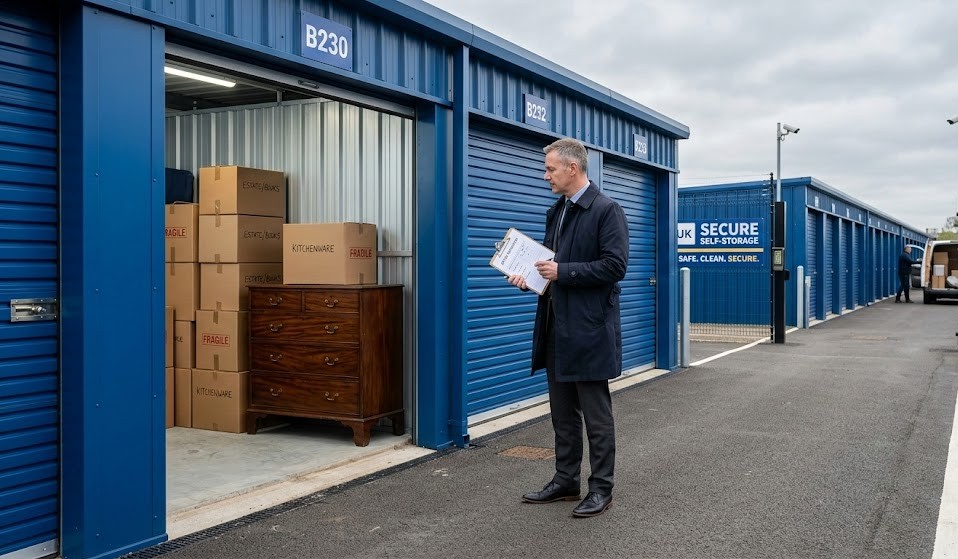
When someone passes away, their executor faces an immediate challenge: what to do with a houseful of belongings whilst legal matters unfold. Probate can take six to twelve months – sometimes longer if the estate is complex. During this period, furniture, personal effects, and valuable items need secure storage, and the wrong decision can expose an estate to theft, damage, or disputes among beneficiaries.
As a storage manager, I’ve worked with dozens of executors navigating this exact situation. They’re often family members dealing with grief whilst trying to fulfil legal duties they’ve never performed before. The pressure is real: clear the property quickly (especially if there’s a mortgage or rent), ensure proper estate asset protection from deterioration, and maintain a detailed record of everything for probate court. It’s not just about finding space – effective probate storage solutions create an auditable, secure system that protects both the estate’s value and the executor’s legal position.
Why probate creates unique storage challenges
Probate isn’t like a normal house move, and estate asset protection requires a fundamentally different approach. You can’t simply pack everything into boxes and sort it out later. The executor has a fiduciary duty to preserve estate assets, which means maintaining their condition and being able to account for every item if challenged.
Think of it like being handed the keys to someone else’s entire life with instructions to keep everything safe until the courts and beneficiaries decide who gets what. You’re not the owner – you’re the custodian. That distinction matters enormously when choosing storage.
Here’s what makes probate storage different:
Legal accountability: Every item must be documented. If a beneficiary claims a valuable painting has gone missing, you need proof of its location and condition.
Extended timelines: Unlike a house move where you unpack within weeks, probate storage often lasts six to eighteen months. Items need protection against long-term deterioration.
Multiple stakeholders: Beneficiaries may want to view items, solicitors may need access to documents, and valuers might require entry for assessment purposes.
Property clearance pressure: If the deceased’s home has ongoing costs or needs to be sold, executors face intense pressure to empty it quickly – but rushing leads to poor decisions.
I once helped an executor who’d stored her aunt’s belongings in a friend’s garage to save money. Eight months later, when beneficiaries finally agreed on distribution, she discovered damp had destroyed photo albums and mould had ruined upholstered furniture. The estate had to compensate beneficiaries for diminished value. That £600 she’d saved in storage fees cost the estate over £3,000 in claims.
Creating a probate inventory before storage
Before a single box enters storage, you need a comprehensive inventory. This isn’t optional – it’s your protection against disputes and your roadmap for eventual distribution.
Start by photographing every room from multiple angles before touching anything. These photos establish the baseline condition and prove what existed in the property. Then document items systematically, room by room.
Your inventory should include:
- Detailed descriptions (not just “chair” but “Victorian mahogany dining chair with green velvet upholstery”)
- Photographs of each significant item
- Approximate values for anything worth over £100
- Condition notes (scratches, stains, working order for appliances)
- Serial numbers for electronics and valuable items
Group items by category: furniture, kitchenware, clothing, documents, valuables. This makes eventual distribution far simpler and helps you estimate storage space requirements.
For a standard three-bedroom house, expect this process to take two full days with help. It’s tedious work, but it’s the single most important step you’ll take. Don’t rush it.
One executor I worked with discovered this the hard way. She’d packed quickly without proper documentation, and six months later couldn’t remember which boxes contained her father’s valuable book collection versus general paperbacks. She ended up unpacking and repacking 40 boxes to locate specific items a beneficiary requested. That’s a day of her life she’ll never get back.
Choosing the right storage unit for estate assets
Not all storage units suit probate situations. Specialised probate storage solutions require specific features that standard household storage might not provide.
Security is non-negotiable for estate asset protection. Look for facilities with 24/7 CCTV coverage, individual unit alarms, and controlled access. You’re storing items that aren’t yours, and if anything goes missing, you’re personally liable until you can prove it wasn’t your fault. Personal storage with comprehensive security features gives you the documentation and protection you need.
Climate control matters more than most executors realise. Probate storage isn’t a few weeks – it’s months of exposure to temperature fluctuations and humidity. Wooden furniture warps, leather cracks, paper documents deteriorate, and textiles develop mildew. For estates containing antiques, artwork, photographs, or important documents, climate-controlled units aren’t a luxury – they’re essential protection against depreciation.
Size calculation requires careful thought. A three-bedroom house typically needs a 150-200 square foot unit, but this varies enormously based on furniture density and whether you’re storing everything or just valuables and personal effects.
Here’s a practical approach: calculate the floor space of the rooms you’re emptying, then divide by two. That gives you a rough estimate of required storage space, accounting for vertical stacking. Add 20% for access aisles – you’ll need to retrieve specific items during probate, and a packed unit with no walkways becomes a nightmare.
Accessibility requirements differ from normal storage. You might need to show beneficiaries specific items, retrieve documents for solicitors, or allow professional valuers to inspect assets. Choose a facility with extended access hours and consider ground-floor or container storage if you’ll need frequent visits with multiple people.
Packing estate items for long-term estate asset protection
Probate storage demands higher packing standards than a typical move. You’re not unpacking in a few weeks – items might sit untouched for a year or more.
Furniture needs proper protection. Wrap wooden pieces in furniture blankets, not plastic sheeting which traps moisture and encourages mould. Disassemble what you can – legs off tables, shelves out of bookcases – to maximise space and reduce stress on joints. Place cardboard or blankets between stacked items to prevent scratches.
For upholstered furniture, vacuum thoroughly before storage to remove dust and potential pests, then cover with breathable cotton sheets. Never use plastic bags on upholstery – they create the perfect environment for mildew.
Documents and photographs require special handling. These are often the most emotionally valuable items in an estate and the most vulnerable to damage. Store papers flat in archive boxes, never folded. Place photographs between sheets of acid-free tissue paper. Keep all documents in climate-controlled areas – a single summer in a hot unit can cause irreversible yellowing and brittleness.
Electronics and appliances need preparation. Clean refrigerators and freezers thoroughly and leave doors slightly ajar to prevent mould. Wrap electronics in bubble wrap and original packaging if available. Remove batteries from everything – they leak over time and cause corrosive damage.
Valuables demand extra security. Jewellery, small antiques, and collectables should go in a clearly labelled box that you place at the back of the unit, behind larger items. Some executors choose to store these separately in a bank safety deposit box, which provides additional security and might be worth considering for high-value estates.
The packaging materials you choose matter enormously. Cheap boxes collapse under weight during long-term storage, and inadequate bubble wrap fails to protect fragile items. This isn’t the time to economise with supermarket boxes and old newspapers. Quality packaging materials protect your estate items throughout extended storage periods.
Managing access and security during probate
One aspect executors often overlook is controlling who can access stored estate items. You’re legally responsible for these assets, which means you can’t simply hand out keys to beneficiaries or family members, no matter how much pressure they apply.
Establish clear protocols from the start. You, as executor, control access. If beneficiaries want to view items, arrange supervised visits. Document what they’ve seen and whether they’ve removed anything. This might feel overly formal when dealing with family, but it protects everyone involved.
Keep a log of every storage unit visit: date, time, purpose, and what (if anything) was removed. Photograph the unit after significant removals. This documentation proves invaluable if disputes arise about missing items.
Consider who else might legitimately need access. Estate valuers, house clearance professionals, or solicitors might require entry. Provide temporary access rather than duplicate keys, and always accompany them or arrange for facility staff to supervise.
Insurance deserves careful attention. Your standard home insurance won’t cover estate items in storage. Comprehensive probate storage solutions include adequate insurance coverage tailored to estate requirements. Check whether the storage facility’s insurance is adequate for the estate’s value, and consider separate executor’s insurance if you’re handling high-value assets. This isn’t about protecting the estate’s value – it’s about protecting yourself from personal liability if something goes wrong.
Handling disputes about stored items
Even in the closest families, probate can trigger disputes. Someone remembers a piece of jewellery differently. A beneficiary insists they were promised a specific item. Siblings disagree about whether something should be sold or kept.
Your detailed inventory is your defence against these conflicts. When someone claims an item is missing, you can produce photographs proving it was never in the property. When someone insists a chair was antique mahogany, your documentation shows it was actually reproduction pine.
But documentation only helps if you’ve stored items in a way that prevents actual loss or damage. This is why security and climate control aren’t optional extras – they’re your protection against legitimate claims that you’ve failed in your duty of care.
If disputes escalate, you might need to provide beneficiaries or their solicitors with access to view contested items. Having everything organised in business storage with proper categorisation makes this process manageable rather than chaotic.
Never release items to beneficiaries before probate completes, regardless of what the deceased’s will says or what promises were made. You don’t have legal authority to distribute assets until you receive the Grant of Probate. Premature distribution can make you personally liable if other debts or claims emerge against the estate.
Planning for distribution and unit clearance
Eventually, probate completes and you can distribute assets. This is where your organisational work pays off.
With items properly categorised and documented, you can match your inventory to the will’s provisions and create a distribution plan. Beneficiaries can review lists and photographs to select items they want, minimising disputes and reducing the need for multiple people to visit the storage unit simultaneously.
Schedule distribution systematically. Group items by beneficiary and arrange collection appointments. Don’t try to clear the entire unit in one chaotic day with everyone arriving simultaneously – it creates confusion and increases the risk of items going to wrong people.
For items being sold, arrange valuations whilst they’re still in storage rather than moving them multiple times. Many auction houses and estate buyers will assess items on-site.
Dispose of unwanted items responsibly. Not everything in an estate has value or finds a willing recipient. Arrange charity collections for usable items and proper disposal for the rest. Don’t abandon items in the storage unit – you’re responsible for clearing it completely and returning it in good condition.
Final clearance typically takes a full day for a standard household’s worth of belongings, even with help. Plan accordingly and book sufficient time rather than rushing the last stages after months of careful management.
Understanding costs and budgeting for probate storage
Storage costs come from the estate, not your personal funds, but you’re responsible for ensuring they’re reasonable and necessary. Keep detailed records of all storage-related expenses for estate accounts.
Monthly storage fees are the obvious cost, but don’t overlook additional expenses: packing materials, insurance, transport to and from the facility, and potentially climate control premiums. For a typical probate situation lasting nine months, budget £1,200-£2,000 for storage and related costs, depending on the estate’s size.
These costs are far lower than the alternatives. Keeping the deceased’s property empty but maintained costs more in utilities, insurance, and mortgage payments. Rushing distribution before probate completes creates legal risks that dwarf storage expenses.
If the estate has limited liquid funds, you might need to apply to the court for interim payments to cover essential estate asset protection costs like storage. Solicitors handling the estate can advise on this process.
Get quotes from storage facilities early and choose based on security and features, not just price. The cheapest option often lacks the climate control or security that probate storage demands. You’re making a decision that affects the estate’s value and your legal liability – this isn’t the place to cut corners.
Conclusion
Serving as an executor means protecting someone’s legacy whilst navigating complex legal requirements. Secure storage during probate isn’t just about finding space – it’s about creating a system that preserves asset value, maintains clear documentation, and protects you from liability during an extended legal process.
The executors who manage this successfully share common approaches: they document everything before storage, choose facilities with proper security and climate control, pack items for long-term protection, and maintain strict control over access. They understand that a few hundred pounds spent on proper storage prevents thousands in potential claims for damaged or missing items.
Probate storage feels like an additional burden during an already difficult time, but it’s one of the most important decisions you’ll make as an executor. Take the time to do it properly. Your detailed inventory, secure facility, and careful management protect both the estate’s value and your own peace of mind throughout the probate process.
If you’re facing this responsibility, contact us to discuss your specific situation. We’ve helped numerous executors navigate probate storage challenges, and we understand the unique requirements that distinguish estate storage from standard household moves. Professional probate storage solutions give you one less thing to worry about whilst you fulfil your duties to the deceased and their beneficiaries.