
 01635 581 811
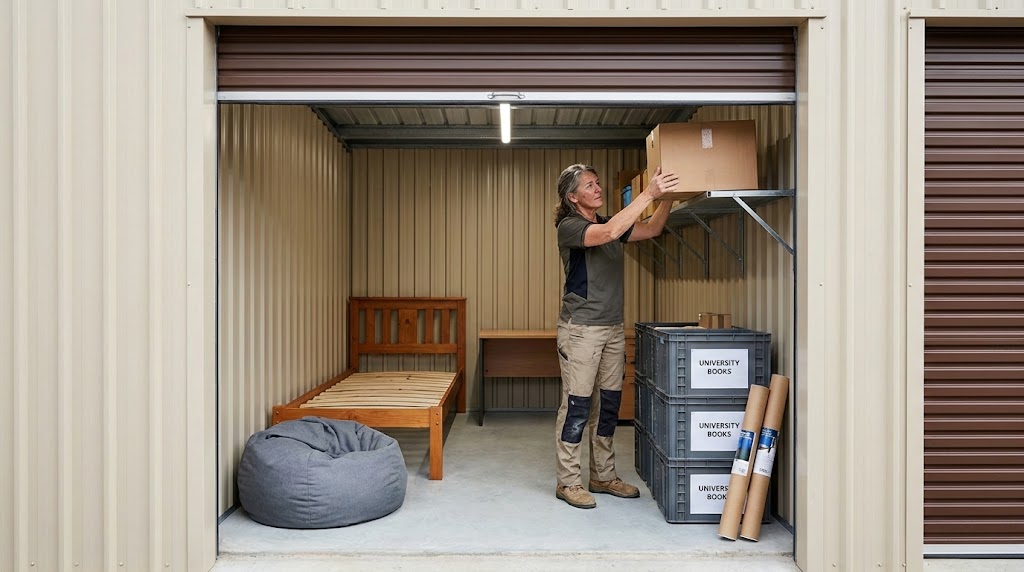
Children leaving home creates both emotional transitions and practical opportunities. Those bedrooms that once housed teenagers suddenly become underutilised space waiting for purposeful transformation. Empty nest storage ideas help you reclaim these areas strategically, turning them into spaces that genuinely serve your current lifestyle rather than gathering dust as shrines to departed children.
Repurposing a spare room requires more than just redecorating. You need systematic approaches for managing accumulated belongings – school projects, sports equipment, childhood furniture – before creating functional spaces that reflect your needs rather than nostalgia. Professional storage solutions bridge this gap, letting you preserve meaningful items whilst clearing physical space for practical conversions.
This transition needn’t be overwhelming or emotionally fraught. Thoughtful planning combined with secure storage creates opportunities rather than forcing painful disposal of items carrying genuine significance.
Understanding the Opportunity
Empty bedrooms represent substantial underutilised real estate within your property. These rooms consume heating, require cleaning, and occupy valuable floor space whilst serving minimal practical purpose. Converting them into functional areas improves daily life quality significantly.
The shift from family-centric living to personally focused spaces often surprises people with how much value purposeful rooms add. That bedroom gathering dust could become the home office you’ve always wanted, the hobby room that supports creative pursuits, or the walk-in wardrobe that transforms morning routines.
The transformation begins with clear strategies for managing residual belongings. Without systematic approaches, you’ll simply shift clutter between rooms rather than actually creating functional spaces. This preparation proves essential for successful conversions.
Decluttering Systematically Before Conversion
Before contemplating room conversions, you must address existing contents. Sentimental attachments make this challenging – every item carries memories of childhood milestones and family history. Methodical approaches make the process manageable rather than overwhelming.
The Four-Category Sorting System
Categorise everything clearly: Keep (staying in the house), Store (preserving but not needed immediately), Donate (good condition but no longer required), and Sell (valuable items worth selling). This structure forces concrete decisions whilst providing options beyond simple keep or discard choices.
Keep items are those genuinely serving current household needs. Be ruthlessly honest about actual usage rather than theoretical possibilities. That sports equipment hasn’t been touched in five years? It doesn’t qualify.
Store category acknowledges items worth preserving despite not fitting current needs. Childhood artwork, school achievements, family heirlooms that children might eventually want – these deserve secure storage rather than hasty disposal you’ll later regret.
Donate addresses quality items that simply aren’t needed anymore. Charity shops appreciate good donations. Other families might value items your family has outgrown. This option ensures possessions continue serving purposes rather than gathering dust.
Sell recognises that valuable items deserve appropriate disposal. Online marketplaces, specialist dealers, or auction houses help quality possessions find new owners whilst recovering financial value.
Involving Adult Children Appropriately
Work collaboratively with adult children sorting their belongings. They’re best placed to identify what holds significance versus what can go. This involvement ensures they retain cherished items whilst taking responsibility for things they no longer need.
Set clear deadlines. “Please collect or decide about your belongings by the end of next month” prevents indefinite storage of items they’re not actually interested in keeping. Be firm but fair – you’re reclaiming your space, not running a free storage facility indefinitely.
Consider Laura’s approach. When her two daughters moved out, she gave them three months to collect or decide about belongings. She photographed everything, sent the images digitally, and asked for decisions. Items they wanted keeping went into secure storage with clear agreements about eventual collection. Items they didn’t want were donated. This systematic approach prevented years of accumulated clutter whilst preserving genuinely valued possessions.
Practical Conversion Options
The newfound space offers numerous possibilities beyond generic guest rooms. Your choice should reflect genuine needs or long-standing desires sacrificed during active parenting years. Focus entirely on personal utility rather than maintaining rooms “just in case” children visit occasionally.
Dedicated Home Office Spaces
Remote and hybrid work models make home offices necessities rather than luxuries. Converting spare bedrooms provides physical separation from living areas that’s vital for maintaining focus and professional boundaries. Proper offices signal work mode psychologically in ways kitchen tables simply cannot.
Ensure excellent lighting, adequate power points, and ergonomic furniture supporting extended work sessions. If you’re running small businesses requiring archival space or inventory storage, business storage solutions supplement home offices without cluttering workspace with boxes and equipment.
Personal Hobby and Creative Spaces
Passions for crafting, art, music, or similar pursuits benefit enormously from dedicated spaces. Hobby rooms mean you needn’t pack projects away mid-process or constantly clear dining tables. Everything stays organised and ready for use.
This dedicated space becomes your creative sanctuary. The mess and materials stay contained whilst projects develop at comfortable paces without family members complaining about supplies spreading through shared areas.
Custom Walk-In Wardrobes
Substantial clothing, shoe, and accessory collections benefit from converted bedroom wardrobes. Floor-to-ceiling shelving, dedicated shoe racks, and quality hanging rails keep everything visible and accessible. This transformation declutters main sleeping areas whilst streamlining morning routines significantly.
Proper wardrobes eliminate the frustrating searches through overcrowded wardrobes. Everything has designated spaces. You can see entire collections at glances. Getting dressed becomes pleasant rather than stressful.
Multi-Functional Guest and Fitness Rooms
If occasional guest accommodation remains necessary, combine functions through fold-out sofas or wall beds. Remaining floor space accommodates home gym equipment – yoga mats, resistance bands, weights, or folding treadmills. This arrangement serves dual purposes without feeling cluttered or compromised.
Multi-functional rooms maximise utility. Guests visit occasionally. Fitness equipment gets used regularly. Combining functions makes economic sense whilst maintaining capabilities for both uses.
Selecting Appropriate Storage Solutions
Repurposing a spare room often reveals substantial quantities of items requiring secure long-term housing. Professional storage provides secure extensions of your home for possessions that don’t fit current needs but deserve preservation.
Determining Required Capacity
The biggest mistake is selecting inadequately sized units requiring repacking later or paying for excessive space that remains empty. Estimate volume carefully before booking. List major items – furniture pieces, box quantities, equipment – then consult facility guidelines matching inventories to appropriate unit sizes.
25 sq ft units typically accommodate single bedroom contents – some furniture pieces, several boxes, perhaps sports equipment. 50-75 sq ft spaces handle two average bedrooms’ worth or substantial furniture collections. These size comparisons help visualise capacity accurately.
Personal storage solutions offer various sizes specifically designed for domestic needs, ensuring appropriate matches between possessions and paid storage capacity.
Contract Flexibility Requirements
Room conversion plans evolve as projects develop. You might initially store substantial furniture but later decide to donate pieces after seeing new room configurations. Flexible month-by-month contracts accommodate these changing circumstances without penalty fees for adjusting arrangements.
Avoid facilities demanding lengthy commitments. Your needs will likely shift as conversions complete and you determine what stored items you actually want to retrieve versus what you’ve managed perfectly well without.
Security Standards Matter
Items with emotional or financial value demand comprehensive security protection. Reputable facilities implement multiple security layers ensuring possessions remain protected constantly.
Essential features include 24/7 CCTV monitoring providing continuous surveillance, controlled access requiring individual codes or fobs, perimeter fencing preventing unauthorised entry, and individual unit alarms protecting specific storage spaces. These combined measures ensure only authorised individuals access facilities.
Newbury Self Store implements these security protocols as standard features, understanding that stored possessions often carry significance beyond simple financial value.
Accessibility Considerations
You’ll likely need retrieving items during conversion projects or adjusting storage contents as plans develop. Extended access hours or flexible arrangements mean you can drop off or collect items after work or during weekends without restrictive scheduling.
This convenience proves crucial when coordinating renovations, furniture deliveries, and contractor schedules that rarely align with standard business hours.
Protecting Items During Storage
Items heading into storage require proper preparation ensuring they survive extended periods in excellent condition. Inadequate protection leads to discovering damage when eventually retrieving possessions.
Essential Preparation Steps
Use quality packing materials. Standard boxes weaken under stacking weight. Poor wrapping scratches furniture. Inadequate sealing allows dust and pest infiltration. Invest in sturdy moving boxes, furniture covers, bubble wrap, and strong tape.
Label comprehensively. Mark boxes clearly on multiple sides with contents and original room locations. “Tom’s Bedroom – School Projects and Sports Trophies” proves far more useful than vague “Kids’ Stuff” labels when searching for specific items later.
Protect vulnerable items appropriately. Wrap furniture in breathable covers preventing scratches whilst allowing airflow. Use sealed containers for fabrics protecting against dust and pests. Include moisture absorbers in boxes containing humidity-sensitive items.
You can source quality protective materials – moving boxes, furniture covers, bubble wrap, and sealing supplies – from the packaging shop ensuring proper protection for stored possessions.
Completing the Transformation
With belongings safely stored, you can fully embrace room conversions. The final stage involves organising and furnishing spaces to reflect dedicated purposes. Install built-in shelving for home office archives. Add modular storage units for hobby rooms. Fit proper wardrobes for dressing rooms.
Invest in quality organisational systems that maintain functionality long-term. Cheap solutions create frustration through poor performance and eventual replacement costs. Proper systems prove economical through extended useful lives and superior functionality.
Embracing Your New Space
This transformation represents freedom and opportunity rather than loss. You’re creating spaces serving current needs rather than maintaining museums to departed children. The sentimental items remain secure and accessible in storage whilst your daily living environment becomes genuinely functional.
Enjoy the organised workspace. Appreciate the dedicated hobby area. Value the custom wardrobe. These spaces improve daily life quality in ways that unused bedrooms gathering dust simply cannot.
Take Michael and Patricia’s transformation. After their three children left within two years, they faced a four-bedroom house with three empty rooms. They converted one into a photography studio (Michael’s lifelong passion), another into a yoga and meditation room (Patricia’s stress management), and kept the third as a proper guest room with built-in storage.
Childhood belongings went into a climate-controlled unit. After eighteen months, the children gradually collected items they wanted. Remaining stored items represent family history they’ve agreed to maintain collectively. The house now serves the couple’s needs whilst preserving family memories appropriately. They describe the transformation as liberating rather than sad.
Making It Happen
Empty nest storage ideas transform potential overwhelming transitions into manageable projects completed at comfortable paces. Professional storage facilities provide secure spaces for possessions whilst you convert rooms into functional areas serving genuine current needs.
The key is planning systematically, involving adult children appropriately, and using professional storage for items worth preserving despite not fitting immediate household requirements. This approach prevents rushed disposal decisions you’ll regret whilst enabling practical room conversions improving daily life quality.
Ready to begin reclaiming your space with proper storage support? Contact the team for straightforward advice about unit sizes, security features, and flexible arrangements supporting successful empty nest transitions.