
 01635 581 811
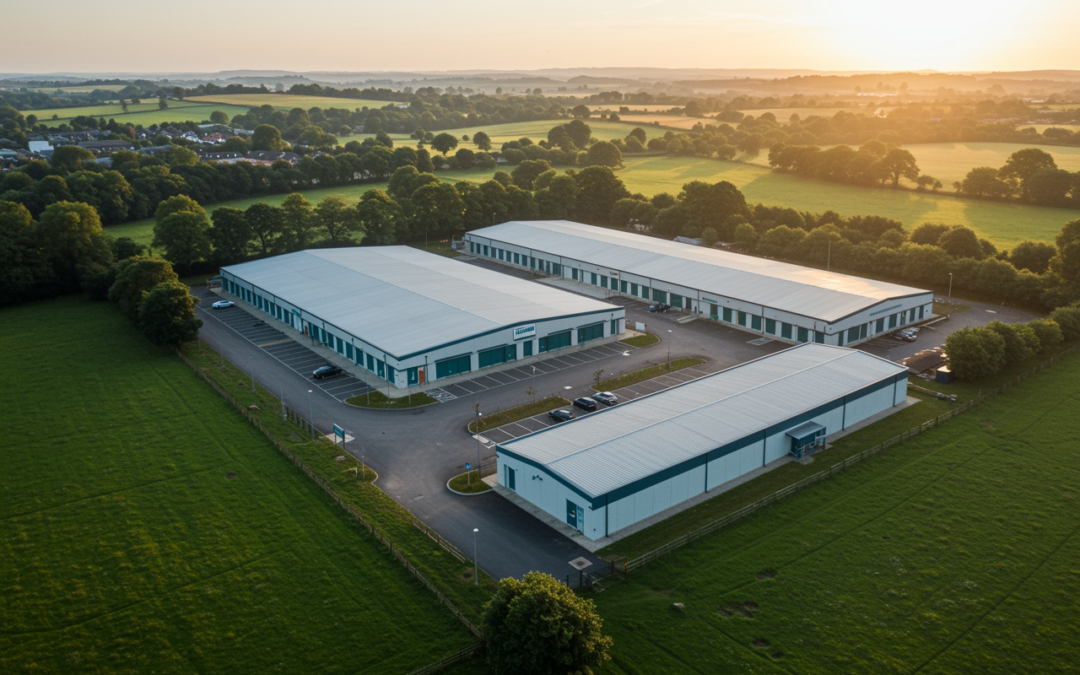
The decision of where to store belongings carries environmental consequences that ripple far beyond the walls of a storage unit. While practical considerations often dominate the selection process, the ecological footprint of a facility varies dramatically depending on how the business operates. In West Berkshire, where green spaces and environmental consciousness matter deeply to local residents, selecting an eco-friendly storage provider represents more than just a preference. It constitutes a tangible difference in community preservation.
The storage industry has traditionally lagged behind other sectors regarding sustainability. Many older facilities operate with inefficient lighting, poor insulation, and wasteful practices that consume unnecessary energy. However, forward-thinking providers are now implementing measures that significantly reduce environmental impact without compromising security or accessibility. Understanding these differences empowers you to make choices that align with your values while still meeting your practical storage needs.
The Hidden Environmental Costs Of Traditional Storage
Most people do not realise how much energy a typical storage facility consumes. Lighting alone accounts for a substantial portion of the operational carbon footprint. Older facilities often use halogen or incandescent bulbs that burn continuously in corridors and units, wasting electricity 24 hours a day. When you multiply this consumption across thousands of square feet, the carbon emissions become significant.
Building materials matter just as much as daily operations. Concrete and steel production generate enormous CO2 emissions, and facilities constructed without environmental considerations often require excessive heating or cooling to maintain stable conditions. Poor insulation means HVAC systems work harder and consume more energy to achieve the same result. Running a facility with poor insulation is like trying to heat a house with the windows open; it is technically possible but wastefully inefficient.
The waste factor also plays a major role in the environmental equation. Packaging materials, discarded pallets, and general operational waste from traditional facilities often end up in landfills. Without proper recycling programmes or waste reduction strategies, these businesses contribute to the mounting problem of non-biodegradable waste. Some facilities also use harsh chemical cleaners and pest control methods that can harm local ecosystems when they enter waterways or soil.
What Makes Storage Truly Eco-Friendly
Genuine environmental responsibility in storage goes beyond token gestures. It requires systematic changes across operations, from the building’s physical structure to daily management practices. LED lighting systems represent the most visible shift in this direction. These bulbs use up to 75% less energy than traditional alternatives and last up to 25 times longer, dramatically reducing both consumption and waste from frequent replacements.
Motion-sensor technology takes energy conservation further. Rather than illuminating empty corridors constantly, sensors activate lights only when someone is present. It creates a simple innovation that cuts lighting costs by up to 60% while maintaining security and convenience. You will find your way easily when accessing your unit, but the lights will not burn needlessly when the space sits vacant.
Renewable energy integration represents the gold standard for modern facilities. Installing solar energy panels on facility roofs can generate substantial power, offsetting grid consumption and reducing reliance on fossil fuels. In West Berkshire’s climate, well-designed solar installations provide meaningful energy contributions, particularly during longer summer days when storage facilities see increased customer activity.
How Building Design Influences Environmental Impact
The physical structure of a storage facility determines much of its environmental footprint before a single item enters the building. Buildings designed with sustainability in mind incorporate natural ventilation where appropriate, reducing the need for mechanical air circulation. Strategic window placement allows natural light into administrative areas, cutting daytime electricity use substantially.
Roof design matters more than you might expect. Light-coloured or reflective roofing materials reduce heat absorption, keeping buildings cooler naturally and reducing air conditioning demands. Green roofs covered with vegetation provide even greater benefits by offering insulation, managing rainwater runoff, and creating small habitats for local wildlife. While not yet common in all storage facilities, they represent an emerging best practice.
Water management systems separate truly eco-conscious facilities from conventional ones. Rainwater harvesting for landscaping irrigation, low-flow fixtures in washrooms, and permeable paving that allows water to filter naturally into the ground rather than overwhelming storm drains demonstrate genuine commitment to environmental stewardship. These features may not be flashy, but they make a real difference to the local ecosystem.
The Role Of Location And Accessibility
Where a storage facility sits affects its environmental impact in ways that aren’t immediately obvious. Facilities located near residential areas reduce the distance customers must travel, cutting fuel consumption and emissions from repeated visits. If you are storing items during a house move or accessing business stock regularly, those shorter journeys add up quickly.
Good public transport links matter as well. A facility accessible by bus or bicycle offers an alternative to driving, particularly for customers who only need to drop off documents or collect small items. Personal storage that offers genuine convenience reduces the temptation to make multiple unnecessary trips because of poor planning or forgotten items.
The facility’s relationship with its local environment also matters deeply. Does it preserve existing trees and green spaces, or did construction clear everything in sight? Are there planted areas that support pollinators and local wildlife, or just expanses of concrete and tarmac? These details reveal whether environmental consideration was an afterthought or a core principle of the business.
Packaging And Materials: An Often-Overlooked Factor
The supplies you use to prepare items for storage carry their own environmental cost. Cardboard boxes, bubble wrap, and packing tape all require resources to produce and create waste when discarded. However, eco-friendly alternatives exist that provide excellent protection without the environmental guilt.
Recycled cardboard boxes offer the same structural strength as new ones but use significantly less energy and water to manufacture. Many storage providers now stock these alongside traditional options, often at comparable prices. If you are packing up a three-bedroom house, choosing recycled materials could prevent dozens of kilograms of CO2 emissions associated with virgin cardboard production.
Biodegradable packing peanuts made from cornstarch dissolve harmlessly in water, unlike polystyrene versions that persist in landfills for centuries. Recycled paper padding works brilliantly for wrapping fragile items; it is like giving your grandmother’s china a protective hug without strangling the planet. When you source packaging solutions, asking about eco-friendly options demonstrates that customer demand for sustainable choices exists.
Reusable plastic storage boxes present an interesting alternative. While plastic production has environmental costs, a durable box used repeatedly for years ultimately generates less waste than dozens of disposable cardboard boxes. It is the difference between buying a quality tool that lasts decades and cheap versions you replace constantly. For long-term storage or items you will move multiple times, reusable containers make environmental and economic sense.
The Business Storage Dimension
Commercial customers often have larger storage needs, which means their environmental choices carry proportionally greater impact. A small business storing excess stock in a 200-square-foot unit consumes more resources than a family storing a few boxes of belongings. This makes selecting an eco-friendly facility even more important for business storage applications.
E-commerce businesses cycling through inventory particularly benefit from sustainable storage practices. If you are running an online shop and accessing stock multiple times weekly, choosing a facility with efficient lighting and climate control means your business operations do not inadvertently undermine other sustainability efforts you have made, like using recycled packaging or carbon-neutral shipping.
At Newbury Self Store, we recognise that businesses today face increasing pressure to demonstrate sustainability across their entire supply chain. Choosing a local storage partner that prioritises environmental efficiency helps you maintain a greener operational footprint.
Document storage represents another area where environmental consciousness matters. Businesses often store archives for years or even decades for legal or regulatory compliance. That is a long time for inefficient lighting and climate control to waste energy. Facilities with modern, efficient systems dramatically reduce the carbon footprint of necessary record-keeping.
Waste Management And Recycling Programmes
How a storage facility handles waste reveals much about its environmental commitment. Progressive providers implement comprehensive recycling programmes by separating cardboard, plastic, metal, and general waste. They make it easy for customers to dispose of packing materials responsibly after moving items in, rather than forcing everything into general waste bins destined for landfills.
Some facilities partner with local charities or recycling centres to redirect usable items customers no longer want. That old furniture you are replacing might find new life with a family in need instead of paying for disposal. This circular approach reduces waste while benefiting the community, creating a genuine win-win scenario.
Hazardous waste management matters too. Proper disposal of old paint tins, batteries, or electronics prevents toxic materials from contaminating soil and water. Facilities that provide guidance on responsible disposal or connect customers with appropriate services demonstrate environmental responsibility that extends beyond their own operations.
Climate Control: Balancing Need And Efficiency
Not everything requires climate-controlled storage, and understanding this distinction helps reduce unnecessary energy consumption. Documents, electronics, and musical instruments genuinely benefit from stable temperature and humidity. Furniture and household items often do not, particularly if they are stored for relatively short periods.
Choosing the right storage type for your specific needs prevents wasting energy on unnecessary climate control. A knowledgeable storage manager can help you assess what actually requires climate control and what does not. For larger, robust items, container storage often provides a simpler, more energy-efficient solution that utilizes natural ventilation rather than power-hungry HVAC systems.
When climate control is necessary, climate control efficiency becomes paramount. Variable-speed HVAC units adjust output based on actual conditions rather than running at full capacity constantly. Combined with proper insulation and air sealing, these systems maintain ideal conditions while minimising energy waste. The technology exists to provide excellent storage conditions sustainably; it just requires facilities willing to invest in it.
The Broader Community Impact
Eco-friendly storage facilities contribute to local environmental goals beyond their direct operations. They often participate in community initiatives, support local environmental organisations, or educate customers about sustainability. This creates a ripple effect where environmental consciousness spreads through everyday interactions.
I recall a local florist who needed extra space for seasonal vases and props. She specifically chose our facility because our commitment to sustainability matched her own business ethos of using locally grown flowers and compostable wrapping. For her, the storage unit was an extension of her brand values, not just a metal box.
Employment practices matter as well. Facilities that invest in staff training and fair wages contribute to community wellbeing, which connects to broader sustainability. Environmental responsibility encompasses how businesses treat people and contribute to local prosperity. A facility that is environmentally conscious often demonstrates similar care in other operational areas.
Making The Sustainable Choice
Selecting an eco-friendly storage provider requires asking the right questions. What type of lighting does the facility use? Are there renewable energy installations? What recycling programmes exist? How is climate control managed? Reputable providers will answer these questions readily because they are proud of their environmental initiatives.
Do not be swayed by vague claims of green practices without specifics. Genuine environmental commitment shows in concrete actions: LED lighting throughout the facility, documented recycling programmes, efficient climate control systems, and sustainable building materials. These are measurable, verifiable features rather than marketing fluff.
Consider the analogy of choosing a car. You would not just accept a dealer’s claim that a vehicle is fuel-efficient without checking actual MPG figures and comparing them to alternatives. The same scrutiny applies to storage facilities. Ask for specifics, compare providers, and choose based on demonstrated environmental performance rather than vague assurances.
Many assume eco-friendly storage costs significantly more than conventional options. In reality, the price difference is often minimal or non-existent. Facilities that invest in energy efficiency actually reduce their operating costs, which means they do not necessarily need to charge premium prices to maintain profitability. The savings from LED lighting and efficient climate control can offset initial investment costs over time.
For those ready to make a conscious decision, finding sustainable storage West Berkshire residents trust involves looking for transparency. The environmental impact of your storage choice is real and measurable. By selecting a facility committed to sustainability, you reduce carbon emissions, support responsible business practices, and contribute to a more environmentally conscious community.
For those ready to make a sustainable storage choice, call 01635 581 811 or contact our team to discuss your specific needs and learn about our environmental initiatives.