
 01635 581 811
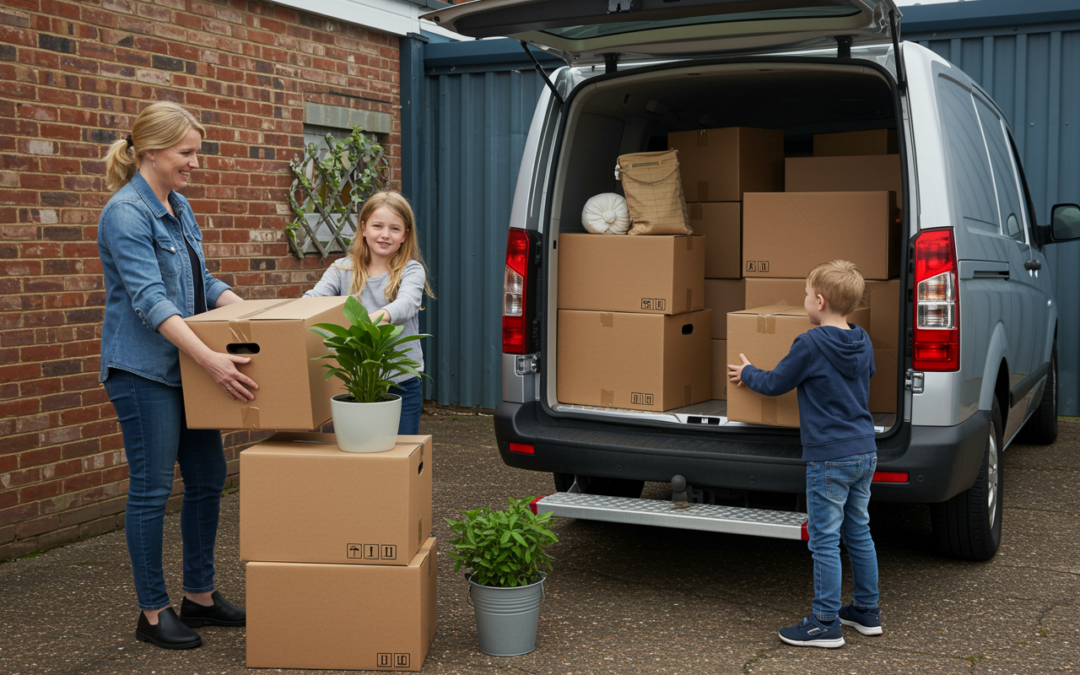
Moving house generates waste. Cardboard boxes pile up. Plastic wrap gets discarded. Bubble wrap ends up in landfills. The average household move in the UK produces roughly 50kg of packaging waste, much of it single-use. When storage is part of that process, the environmental footprint grows even larger.
It doesn’t have to be this way. Moving, decluttering, and storing belongings without leaving a trail of waste behind is entirely achievable. It requires a bit of planning, some smart choices about materials, and a willingness to rethink the entire process. The good news is that eco friendly moving storage decisions often save money and make the move more organised too.
Why Moving And Storage Have An Environmental Cost
Every time someone moves house, they face a series of choices that directly impact the environment. New boxes or used ones? Plastic wrapping or reusable alternatives? A diesel van or something more efficient?
Storage adds another layer. Renting a unit for several months means consuming energy for lighting, security systems, and in some cases, climate control. The materials used to protect belongings while they’re stored matter too. Polystyrene peanuts, single-use plastic covers, and non-recyclable tape all contribute to waste.
The problem isn’t just the volume of waste. It’s the fact that most of it is avoidable. With a few adjustments, the environmental impact shrinks without compromising the safety of belongings or the efficiency of the move.
Choosing Reusable And Recyclable Packing Materials
The first step in eco friendly moving storage is rethinking packing materials. Cardboard boxes are recyclable, but they’re often only used once before being discarded. Plastic bubble wrap, while effective, is rarely recycled and takes hundreds of years to break down.
Start by sourcing used cardboard boxes. Supermarkets, bookshops, and local community groups often have boxes they’re happy to give away. Online marketplaces frequently list moving boxes for free after people have finished unpacking. These boxes are usually in good condition and perfectly suitable for storage.
For fragile items, swap bubble wrap for alternatives like old newspapers, tea towels, or blankets. Wrapping plates in dish towels not only protects them but also means two things are packed at once. For extra cushioning, biodegradable packing peanuts made from cornstarch dissolve in water and won’t sit in a landfill for decades.
Reusable plastic crates are another option. Many moving companies now offer rental schemes for stackable crates that get returned after unpacking. These crates are sturdier than cardboard, easier to carry, and eliminate the need for tape. They’re particularly useful for storing items for an extended period, as they protect against moisture and pests more effectively than cardboard.
Decluttering Before You Pack
The less that gets moved, the less waste is created. Decluttering before packing reduces the number of boxes needed, the size of the van hired, and the amount of space required in storage.
Go through each room methodically. Consider whether each item has been used in the past year. If the answer is no, weigh up whether it’s worth keeping. Donate clothes, books, and household items to charity shops. Sell furniture or electronics online. Recycle anything that’s broken or beyond repair.
This isn’t just about reducing waste. It’s about being intentional with what stays. When moving into a new home or renting a storage unit, filling it with things that genuinely matter beats dragging around clutter accumulated over years.
I helped a family declutter before moving their three-bedroom house into temporary storage. They donated 15 bags of clothes, sold a sofa and dining table they no longer needed, and recycled old electronics. By packing day, they’d reduced their load by nearly 30%. They saved money on storage, cut their moving time in half, and said the whole experience felt like a fresh start rather than a chore.
Selecting An Energy-Efficient Storage Facility
Not all storage facilities operate the same way. Some rely on older buildings with poor insulation, which means they use more energy to maintain stable temperatures. Others have invested in energy-efficient lighting, security systems, and insulation to reduce their environmental footprint.
When choosing a storage provider, ask about their energy practices. LED lighting, building insulation, and solar panels or other renewable energy sources all indicate genuine commitment. These details matter for anyone serious about reducing their environmental impact through eco friendly moving storage choices.
Climate-controlled storage is often necessary for items like wooden furniture, electronics, or documents. However, storing items that aren’t sensitive to temperature fluctuations in a standard unit avoids the extra energy consumption that comes with climate control.
Packing For Long-Term Storage Without Excess Waste
When packing items for storage, the goal is to protect them without drowning them in plastic. This requires a bit more thought than wrapping everything in cling film and hoping for the best.
Start by using a vacuum storage bag for clothing and soft furnishings. These bags compress items, saving space and protecting them from moisture and dust. A vacuum storage bag is reusable and far more efficient than plastic covers, making it one of the simplest switches for anyone committed to reducing storage waste.
For furniture, use old sheets or blankets instead of plastic wrap. Tuck the fabric around the edges and secure it with biodegradable twine or reusable straps. A breathable fabric cover protects the surface from scratches without creating waste, and unlike plastic, it won’t trap condensation that leads to mould.
Storing books means packing them in small boxes to avoid overloading. Use shredded paper or fabric scraps as padding rather than polystyrene. For electronics, keep the original packaging if possible; if not, wrap them in towels or blankets and label the boxes clearly.
Labelling is crucial for long-term storage. Use a permanent marker and write directly on the box rather than relying on adhesive labels, which often contain plastic. Clear labelling means less time rummaging through boxes later, and less unnecessary repacking.
Transporting Your Belongings Sustainably
The vehicle used to transport belongings has a direct impact on carbon footprint. A large diesel van might seem like the obvious choice, but it’s not always the most efficient.
For a small number of items, using a car and making multiple trips rather than hiring a van can work well. When a van is necessary, look for companies that offer electric or hybrid vehicles. These are becoming more common and can significantly reduce emissions.
Plan routes carefully to minimise driving time. Consolidate trips by packing efficiently and loading the van in a logical order. Choosing a storage facility close to the current or future home reduces travel distance.
For larger moves, consider hiring a removal company that prioritises sustainability. Some companies now offer a carbon offset scheme, use biodiesel fuel, or operate fleets of low-emission vehicles. A carbon offset scheme won’t eliminate emissions entirely, but combined with efficient routing and proper vehicle selection, it’s a meaningful step. Asking about environmental policies before booking is always worthwhile.
Storing Items Long-Term Without Plastic Overload
Plastic is everywhere in storage units: mattress covers, furniture wraps, plastic bins. While some plastic is necessary, much of it isn’t.
Instead of plastic mattress covers, use a breathable fabric cover designed for long-term storage. These protect against dust and moisture without trapping condensation, which can lead to mould. They’re washable, reusable, and far more environmentally friendly.
For smaller items, use cardboard boxes or reusable plastic crates rather than single-use plastic bags. To protect items from moisture, use silica gel packets or moisture-absorbing crystals, which can be reused after drying them out. Even with a carbon offset scheme covering transport emissions, reducing plastic waste in the unit itself remains important.
Think of packing for storage like packing a suitcase for a long trip. Belongings need protection, but they don’t need to be sealed in layers of plastic. A little planning and the right materials go a long way. At Newbury Self Store, customers are encouraged to use reusable packing materials and sustainable practices, and the results speak for themselves.
Unpacking And Disposing Of Materials Responsibly
Once items have been moved or retrieved from storage, the job isn’t finished. How packing materials are disposed of matters just as much as how they were sourced.
Flatten cardboard boxes and take them to a recycling centre. If they’re still in good condition, offer them to someone else who’s moving. Post them on community groups or drop them off at a local charity shop.
Reusable crates should be returned to the rental company. Fabric wraps, blankets, and towels go back into regular use. Biodegradable twine can be composted, and a vacuum storage bag can be emptied and stored for future moves.
For biodegradable packing peanuts, dissolve them in water and dispose of the liquid down the drain. They’re non-toxic and won’t harm the environment. For any plastic that can’t be reused, check with the local council about recycling options. Some areas accept plastic wrap and bubble wrap at designated collection points.
The goal is to create as little waste as possible. Every item reused, recycled, or passed on to someone else is one less thing ending up in a landfill.
Making Sustainable Choices Part Of Your Moving Routine
Eco friendly moving storage isn’t a one-off effort. It’s a mindset that carries through every stage of the process, from the moment planning begins to the day everything is unpacked in the new home.
Start by considering what’s genuinely needed. Can used boxes be sourced instead of buying new? Will blankets do the job instead of plastic wrap? Can a smaller, more efficient vehicle handle the load?
These questions might seem small, but they add up. A move that produces 50kg of waste can easily be reduced to 10kg with a bit of planning. That’s 40kg of material that doesn’t end up in a landfill, and it’s a reduction achievable without spending more money or compromising the safety of belongings.
For business storage holding stock or equipment, the same principles apply. Reusable crates, recyclable packaging, and efficient transport all reduce environmental impact while keeping operations running smoothly.
The Role Of Storage Providers In Supporting Sustainability
Storage facilities have a responsibility to support customers who want to move and store sustainably. This means offering advice on packing materials, providing recycling facilities on-site, and investing in energy-efficient infrastructure.
Some facilities now sell or rent reusable packing materials, making it easier for customers to avoid single-use plastics. Others offer collection points for cardboard, bubble wrap, and other recyclable materials, ensuring that waste is disposed of responsibly. When choosing any storage provider, look for one that is transparent about their sustainability practices and willing to support environmentally responsible choices.
Getting Started With Your Eco-Conscious Move
For anyone planning a move or needing storage in the near future, the starting point is straightforward:
- Source used boxes from local shops, online marketplaces, or community groups
- Use reusable materials like blankets, towels, and fabric wraps instead of plastic
- Declutter ruthlessly before packing to reduce the volume of items being moved
- Choose an energy-efficient storage facility that aligns with environmental values
- Plan transport to minimise driving time and emissions
- Dispose of materials responsibly by recycling, reusing, or passing them on
These steps don’t require a huge investment of time or money. They simply require a willingness to think differently about how belongings are moved and stored.
Moving house and storing belongings don’t have to come with a hefty environmental cost. By choosing reusable packing materials, decluttering before packing, selecting an energy-efficient storage facility, and disposing of waste responsibly, the impact shrinks significantly without compromising safety or efficiency.
It’s about making intentional choices at every stage. Sourcing used boxes instead of buying new ones. Wrapping furniture in blankets instead of plastic. Choosing a provider that prioritises sustainability. These small decisions add up to a move that’s kinder to the planet and often easier on the wallet too. For those needing container storage for larger loads, the same principles apply at scale.
To discuss eco friendly moving storage options and find the right solution, call 01635 581 811 or get in touch for practical, no-pressure advice.