
 01635 581 811
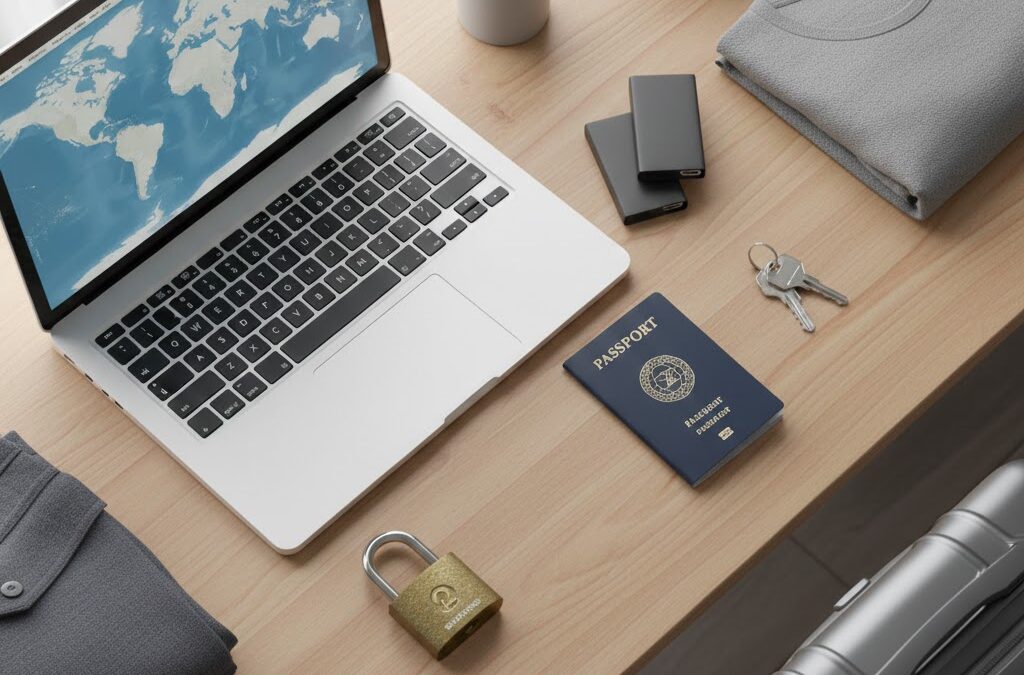
The digital nomad lifestyle represents ultimate freedom. You can work from a Bali beach one month and a Portuguese café the next. Yet this constant movement creates a practical dilemma: what do you do with everything you own? Digital nomad storage solves this puzzle elegantly, providing a secure home base for possessions that don’t fit in your carry-on but are too valuable to discard.
The alternative, rushing back to collect items from a friend’s garage or paying premium rent on an empty flat – makes little financial or practical sense. Professional storing nomad belongings eliminates these headaches entirely, letting you travel light whilst knowing your possessions remain protected and accessible whenever you need them.
Why Mobile Professionals Need a Fixed Anchor
The nomadic lifestyle sounds romantic until you’re hauling three boxes of winter gear through Bangkok airport or explaining to customs why you’re carrying specialist photography equipment you won’t use for six months. The reality hits quickly: some things are too important to carry but too valuable to abandon.
Successful digital workers eventually accumulate possessions that matter. Professional equipment that cost thousands of pounds. Documents that can’t be replaced. Sentimental items that connect you to home. Shipping these between temporary addresses is expensive, risky, and frankly exhausting.
Think of professional storage as your UK anchor point. It’s the foundation that lets you float freely knowing you’ve got a secure base to return to. This becomes particularly important if you plan to eventually settle back in the area, as it maintains your connection to home without the commitment of property ownership.
What Actually Needs Storing?
Not everything deserves storage space, but certain categories of belongings absolutely do. Storing nomad belongings properly means identifying items that are genuinely worth the monthly cost versus things you’re just reluctant to throw away.
The Essentials Worth Storing
Seasonal gear and specialist equipment top most nomads’ storage lists. Your skiing kit, winter coats, and hiking boots serve no purpose in Southeast Asia but cost hundreds to replace. Professional sporting equipment – diving gear, climbing equipment, cycling kit – falls into the same category. These items are too expensive to rebuy and too bulky to haul internationally.
Important documents absolutely require secure storage. Original birth certificates, academic certificates, tax records, property deeds, and financial paperwork shouldn’t travel with you. Losing these whilst backpacking through South America creates bureaucratic nightmares that can take months to resolve. Keep originals safe and carry certified copies when needed.
Professional equipment that’s project-specific rather than daily-use deserves storage space. Extra monitors, specialist camera lenses, podcasting hardware, or bulky networking tools might be essential occasionally but impractical to carry constantly. Store them and retrieve them only when specific projects demand them.
Sentimental items hold value that transcends their physical form. Family photo albums, inherited jewellery, childhood mementos, and collectables connect you to your past. These irreplaceable items deserve professional protection, not the corner of someone’s attic.
Personal storage solutions accommodate all these categories, providing the security and accessibility that informal arrangements simply cannot match.
Choosing Your Storage Space Wisely
Selecting the right unit size resembles packing for a weekend trip – you want maximum efficiency without wasted space. The difference is that paying for unused storage space costs you money every single month. Get this decision right from the start.
Most digital nomads don’t need massive units. A 10 sq ft space holds several boxes and perhaps a chair or small table. A 25 sq ft unit equates to a generous walk-in wardrobe and accommodates more furniture alongside boxed items. If you’re storing the contents of a small flat – think bed frame, desk, shelving, and multiple boxes – a 50 sq ft unit provides ample room.
Here’s the crucial question: have you actually measured your belongings, or are you guessing? Guessing leads to overpaying. Spend an hour cataloguing everything you plan to store, note approximate dimensions, and then consult the facility about appropriate sizing. This small time investment saves significant money over months or years of rental.
Consider Emma’s experience. She initially rented a 50 sq ft unit, assuming she needed the space for “everything important.” After three months paying £120 monthly, she actually assessed her stored items and realised a 25 sq ft unit would suffice comfortably. She’d wasted £135 through poor planning. Don’t repeat her mistake.
Security Cannot Be Compromised
Let’s address the elephant in the room. You’re leaving valuable possessions thousands of miles away for months, possibly years. Security isn’t just important – it’s absolutely fundamental. The facility you choose must exceed basic standards significantly.
Non-Negotiable Security Features
Perimeter security starts with proper fencing and controlled access points. Electronic gates that require unique codes prevent unauthorised entry. Anyone can’t just wander in off the street.
24/7 CCTV monitoring means every corridor, every door, every vehicle entrance stays under constant surveillance. If something happens, there’s comprehensive footage. More importantly, visible cameras deter potential thieves before they even consider attempting anything.
Individual unit alarms provide an additional security layer. Even if someone somehow bypasses perimeter security, they can’t access your specific unit without triggering alerts that bring staff running.
Newbury Self Store implements these security measures as standard requirements, not premium add-ons. When you’re working in a café in Lisbon, you shouldn’t be worrying whether your possessions back home are secure. You should know they are.
Accessibility Matches Your Unpredictable Schedule
Here’s a common concern: “What if I need something urgently when I’m back for a few days?” Valid question. Your storage facility needs to accommodate unpredictable schedules, not operate like a bank with restrictive hours.
Extended access hours – or better yet, 24/7 availability depending on your agreement – mean you can swap winter clothes for summer gear at 11pm after landing from a delayed flight. You can collect equipment for an unexpected project opportunity without scheduling around limited opening times. This flexibility transforms storage from a static repository into a genuinely useful resource.
Short-term and long-term contracts provide additional flexibility. Your plans change – that’s the nature of nomadic life. Maybe you’re extending your Southeast Asian stay by three months. Perhaps you’re cutting your European tour short. Flexible contracts accommodate these shifts without penalty fees or awkward negotiations.
Packing for Long-Term Protection
Digital nomad storage requires different packing approaches than filling a suitcase. You’re preparing items for extended dormancy, not a two-week holiday. Proper techniques prevent damage that wastes money and creates frustration.
Critical Packing Principles
Use quality, uniform boxes. Old Amazon boxes might seem economical, but they weaken quickly under stacking weight. Invest in sturdy, standardised moving boxes that stack cleanly without wobbling. The few extra pounds spent upfront prevent collapsed boxes and damaged contents later. You can source everything needed from the packaging shop, including boxes, bubble wrap, and strong tape.
Protect furniture properly. Dust covers and moving blankets keep furniture clean and dry during storage. Scratches and dust accumulation are easily prevented with minimal investment. Disassemble large pieces where practical – bed frames, table legs, shelving units – to save space and reduce damage risk.
Create comprehensive inventories. Number each box clearly and maintain a digital spreadsheet listing contents. This inventory serves multiple purposes: you’ll know exactly where items are located, you’ll have documentation for insurance purposes, and you’ll avoid the frustrating hunt for specific items when you need them urgently.
Protect electronics meticulously. Disconnect all cables, ideally storing devices in original packaging if you’ve kept it. Ensure electronics are stored in dry, stable environments to prevent humidity damage that can ruin expensive equipment irreparably.
Maximise space efficiently. Pack small items into furniture drawers and voids. Why pay for empty air inside a filing cabinet when you could fill it with clothing or accessories?
Think of packing like Tetris – every piece should fit snugly with minimal wasted space. But unlike Tetris, poor execution here costs you real money every month.
Running Your Business from Anywhere
Not every digital nomad is a travel blogger sharing sunset photos. Many run legitimate businesses – e-commerce shops, consulting firms, creative agencies – that generate significant income and require physical infrastructure.
If you’re selling products online, you need somewhere to hold inventory. If you’re consulting, you might need archives or marketing materials. If you’re running a creative agency, you might need equipment storage between projects. Business storage solutions provide cost-effective alternatives to expensive commercial leases whilst maintaining professional standards.
Consider Jack’s situation. He runs a successful online business selling vintage vinyl records and audio equipment. He sources inventory whilst travelling through Europe but fulfils orders from the UK for cost efficiency. Professional storage lets him hold stock securely, maintain his business operations, and avoid commercial rental costs that would eliminate profit margins. A trusted friend accesses the unit weekly to fulfil orders, and Jack manages everything remotely.
This arrangement would collapse without reliable storage. You can’t run a physical product business from a backpack. You can, however, run one from secure storage combined with smart logistics.
Cost-Effectiveness Matters
Storing nomad belongings professionally might seem like an unnecessary expense, but compare it fairly against alternatives. Renting a flat just to store possessions? That’s £600-£1,200 monthly minimum. Shipping everything internationally between locations? Easily £200-£500 per move, plus damage risk. Professional storage typically runs £40-£120 monthly depending on unit size – a fraction of alternative costs.
The flexibility is equally valuable. Your needs change. Maybe you initially rent a 25 sq ft unit but later downsize to 10 sq ft after selling furniture. Perhaps you need to upsize temporarily while storing equipment for a major project. Month-by-month contracts accommodate these fluctuations without penalties or complicated negotiations.
For exceptionally large storage needs – think vehicle storage, boat storage, or entire household contents – container storage options offer robust security with drive-up access at competitive rates. These high-capacity solutions often prove more economical per square foot than traditional units whilst providing easier access for bulky items.
Making the Transition
You’ve decided professional storage makes sense. Excellent decision. Now comes the practical part: actually organising everything and getting it stored properly. This needn’t be overwhelming if you approach it methodically.
Start by ruthlessly decluttering. Everything you store costs money. Does that item genuinely deserve monthly rental fees? If you haven’t used it in two years and don’t anticipate needing it within the next year, sell it or donate it. Don’t pay to store emotional clutter.
Book your unit before your departure date. Last-minute scrambling leads to poor decisions. Give yourself at least two weeks to pack properly, transport items to storage, and ensure everything’s secured correctly.
Set up reliable communication. Ensure the storage facility has your current contact details and knows you’ll be abroad. Understand their payment systems – automatic card payments prevent missed payments whilst you’re travelling. The last thing you need is a payment issue whilst you’re in a remote area with patchy internet.
Arrange backup access if running a business. If someone needs to retrieve items on your behalf, set up authorised access properly with clear documentation. Don’t rely on informal arrangements that create complications later.
Your Foundation for Freedom
Digital nomad storage isn’t just about finding somewhere to dump your stuff. It’s about creating the logistical foundation that makes genuine location independence possible. Without this secure anchor point, you’re constantly compromising – carrying too much, worrying about possessions, or paying excessive costs for inadequate solutions.
Professional storage done right means you carry only what you need, travel truly light, and maintain peace of mind knowing everything else is protected and accessible. It’s the invisible infrastructure that supports your visible freedom.
Ready to establish your secure foundation and embrace genuine nomadic freedom? Contact the team for personalised advice about unit sizing, security features, and flexible contracts that match your travel lifestyle.