
 01635 581 811
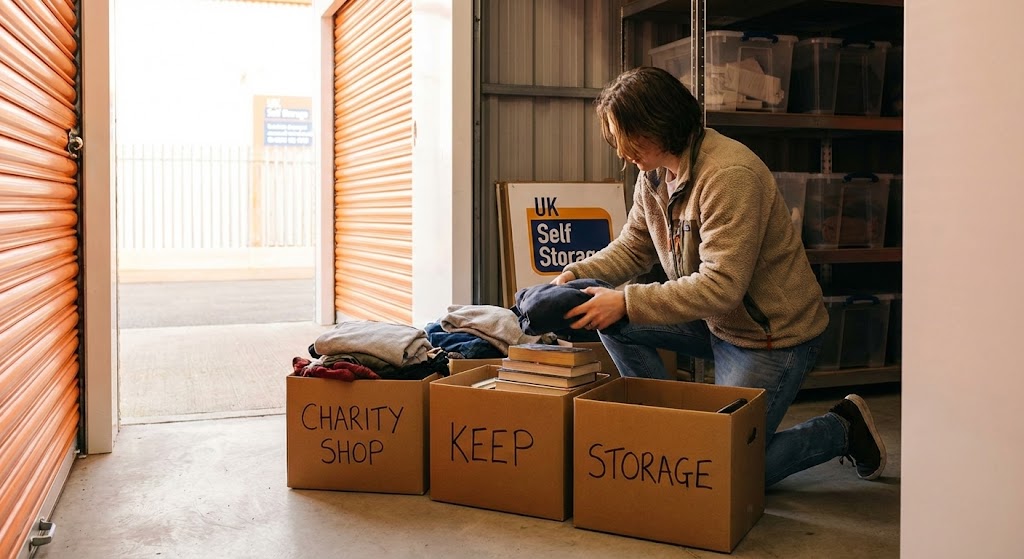
Clearing out your home doesn’t have to mean filling up skips or sending perfect items to landfill. Sustainable decluttering tips start with a simple mindset shift: your unwanted belongings could be someone else’s treasure. When you approach decluttering with intention and purpose, you’re not just tidying up – you’re actively reducing waste, supporting your local community, and making space for what truly matters in your life.
The beauty of conscious decluttering is that it gives you control over where your possessions end up. Rather than rushing through the process and binning everything in sight, you’re taking the time to sort thoughtfully and ensure items reach people who genuinely need them. It’s a more responsible approach that benefits everyone involved.
But here’s the challenge: managing a large volume of donation items whilst you’re still living in your home can quickly become overwhelming. Bags piling up in the hallway, boxes stacked in the spare room, furniture blocking the garage – suddenly, your decluttering project creates more chaos than clarity. That’s precisely where short-term storage becomes your secret weapon, giving you the breathing room to sort properly without compromising your living space.
Why Conscious Decluttering Creates Lasting Impact
When you commit to conscious decluttering, you’re doing far more than just tidying up. You’re making deliberate choices about consumption, waste, and community support. Every item you donate instead of discarding helps reduce the staggering amount of household waste that ends up in UK landfills each year.
Local charities depend on quality donations to fund their vital work. By taking the extra step to sort items carefully and deliver them in good condition, you’re directly supporting organisations that provide essential services to vulnerable people in your community. It’s a powerful reminder that your old coffee maker or winter coats aren’t just clutter – they’re resources that can genuinely help others.
There’s also a personal benefit that’s often overlooked. Making mindful decisions about what leaves your home forces you to reflect on what you truly value and use. This awareness naturally curbs future impulse purchases and helps you maintain a clutter-free space long-term.
Breaking Down Your Decluttering Project Into Manageable Steps
The biggest mistake people make when starting a sustainable decluttering project? Trying to tackle everything at once. I’ve seen countless well-intentioned homeowners pull everything out of every cupboard on a Saturday morning, only to feel completely overwhelmed by midday and abandon the entire effort.
Start small and build momentum. Choose one room, one wardrobe, or even one drawer to begin with. Finish that completely before moving on to the next area.
The Sort-and-Stage System
Here’s a practical method that makes decision-making easier. As you work through each space, create four distinct categories: Keep, Donate, Sell, and Dispose. Be brutally honest with yourself – if you haven’t used something in over a year and it doesn’t hold genuine sentimental value, it’s probably time to let it go.
Think of your belongings like a wardrobe audit. You’ve got your everyday essentials that you wear constantly, seasonal items that serve a purpose at certain times, special occasion pieces with occasional use, and then items that haven’t seen daylight in years. The last category? That’s your donation pile.
Here’s where many projects stall: as your donation pile grows, it starts taking over your living space again. You can’t deliver everything immediately because charity shops have limited capacity, or perhaps you’re waiting to coordinate a bulk drop-off. This is exactly when personal storage becomes invaluable.
Using Storage as Your Donation Staging Area
Short-term storage transforms the logistics of sustainable decluttering. Instead of tripping over donation bags for weeks whilst you arrange collection or drop-off, you move everything to a secure unit where it’s organised, protected, and out of your way. You’ve reclaimed your space immediately whilst still honouring your commitment to donate responsibly.
This approach is particularly helpful when you’re decluttering ahead of a house move, renovation, or significant life change. Consider Emma, a teacher who inherited her late aunt’s entire household contents. She wanted to donate most items to local charities but couldn’t handle the emotional and logistical burden of sorting everything whilst grieving and managing her own busy household. By renting a storage unit for six weeks, she created a neutral space to sort through belongings at her own pace, ultimately donating over 70% of the items to five different charities that aligned with her aunt’s values. The process became manageable rather than overwhelming.
Choosing the Right Unit Size
You don’t need a massive space for donation staging. Most decluttering projects fit comfortably in a small to medium unit. The key is smart packing and organisation. Use uniform cardboard boxes that stack efficiently, and label each box clearly with its contents and intended charity. This organisation pays dividends when it’s time for drop-off.
If you’re unsure about sizing, our team can help you estimate based on what you’re storing. Contact us for guidance tailored to your specific decluttering project.
Packing Your Donations Properly
Even though items are headed for donation, proper packing matters enormously. Charities can’t sell damaged goods, so careless storage defeats the entire purpose of your sustainable efforts. Protect fragile items with adequate wrapping, keep textiles clean and dry, and ensure furniture is covered to prevent scratches or dust accumulation.
Standard cardboard boxes are your best friend. They stack securely, maximise vertical space, and make transportation far easier than random carrier bags or mismatched containers. For delicate items like glassware, kitchenware, or ornaments, invest in bubble wrap or packing paper to ensure they arrive intact.
You’ll find everything you need at our packaging shop, from sturdy boxes in various sizes to protective materials that keep your donations in sellable condition.
Security Features That Protect Your Generosity
When you’re storing items of value – even if they’re destined for donation – security remains important. Our facility offers 24/7 CCTV monitoring, electronic gate access, and comprehensive perimeter security. You can take your time organising drop-offs without worrying about your donations being damaged or compromised.
Many of our units also feature drive-up access, which makes the final stage incredibly straightforward. Load your car directly from your unit without hauling boxes through corridors or navigating lifts. It’s efficient, practical, and saves your back.
Sustainable Decluttering Tips for Different Item Categories
Different types of belongings require slightly different approaches when you’re decluttering consciously. Here’s how to handle the most common categories:
Clothing and textiles: Most charity shops readily accept clean, good-quality clothing. However, damaged or heavily stained items should go to textile recycling centres, not charities. Bag items by season or type to make charity sorting easier.
Furniture: Larger pieces need more planning. Some charities offer collection services for furniture donations, whilst others require drop-off. Using container storage with drive-up access makes furniture donation logistics significantly simpler, especially when you’re donating multiple large items.
Books and media: These are usually welcome donations but can be surprisingly heavy. Use smaller boxes to keep weights manageable, and consider splitting donations between multiple charities to avoid overwhelming a single shop.
Kitchen items: Charity shops love quality kitchenware, small appliances, and cookware. Ensure everything is clean and working. Wrap fragile items individually and pack boxes carefully.
Supporting Local Charities Through Smart Storage
Small charities and community organisations face their own storage challenges. When they receive large donations or need to manage seasonal stock, flexible storage solutions help them operate more efficiently without expensive long-term leases.
Business storage provides charities with secure, accessible space to manage fluctuating inventory. A local food bank might use a unit during their busy winter period, or a community centre could store donated sports equipment until their summer programme launches. This flexibility allows organisations to say “yes” to donations even when their main premises are at capacity.
Taking Action on Your Sustainable Decluttering Journey
Conscious decluttering isn’t about perfection – it’s about making better choices with what you already own. By using these sustainable decluttering tips and creating a practical system that works for your lifestyle, you’ll transform an overwhelming task into a rewarding experience.
The combination of thoughtful sorting and smart storage removes the biggest barriers to sustainable decluttering: time pressure and space constraints. You’re no longer forced to make rushed decisions or live amongst donation piles for months. Instead, you work at your own pace, knowing your items are safely stored until they reach their new homes.
Ready to start your decluttering project with proper planning and support? Our flexible rental options mean you only pay for the time you actually need – whether that’s three weeks or three months. Get in touch with our team to discuss your requirements and find the perfect temporary staging solution for your donations.