
 01635 581 811
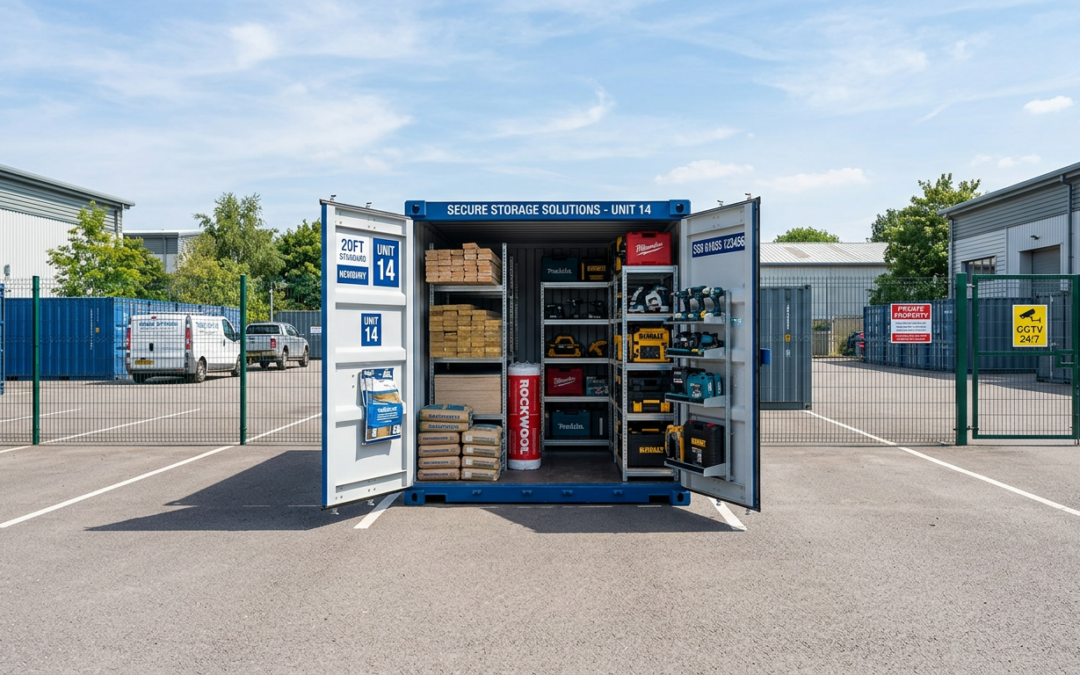
Construction projects grind to a halt when tools go missing, materials arrive damaged, or site security fails. A single stolen breaker or a ruined pallet of plasterboard can set you back days and hundreds of pounds. The solution is not complicated; it is about having secure, weatherproof storage exactly where you need it. For contractors, builders, and site managers working across the region, construction storage containers Berkshire based solutions solve the daily headaches of managing equipment and materials on active sites. These units are not just metal boxes; they are mobile warehouses that protect your investment, keep your team productive, and meet the security standards insurers actually care about.
Why Construction Sites Need Dedicated Container Storage
Site theft costs the UK construction industry over £800 million annually. That is not just big-ticket machinery; it is the power tools, copper piping, and fuel that disappear overnight when security falls short. Even weather damage adds up quickly when materials sit exposed to West Berkshire’s unpredictable rainfall.
A 20ft container addresses both problems simultaneously. The steel construction withstands forced entry attempts, while the weatherproof seal keeps moisture away from timber, insulation, and electrical components. You are not hoping thieves skip your site or that rain holds off until Friday. You have created a controlled environment.
Here is what makes containers essential rather than optional: they eliminate the daily logistics nightmare. Instead of loading tools into vans each evening and unloading them each morning, your team accesses everything on-site. That is 30 to 40 minutes saved at both ends of the day, time that goes straight back into productive work.
What Fits Inside a 20ft Container
The dimensions tell part of the story: 20 feet long, 8 feet wide, 8.6 feet high internally. That translates to roughly 160 square feet of floor space and 1,165 cubic feet of volume. But the real question is not about measurements; it is about what you can actually store.
For a typical residential renovation project, a single 20ft container holds complete tool kits for a crew of six to eight tradespeople. It accommodates circular saws, drills, nail guns, and charging stations comfortably. You can store 40 to 50 sheets of plasterboard vertically, timber stock up to 12 feet long, paint, adhesives, and finishing materials on shelving. It even swallows small plant equipment like cement mixers or compressors alongside safety equipment, harnesses, and PPE supplies.
Compare that to leaving everything in the back of vans or cobbling together a plywood shed. The container provides proper organisation; you can install racking systems, create tool walls, and actually find what you need without emptying half the unit.
I recall working with a West Berkshire groundworks contractor who was managing three sites simultaneously. They had been driving between locations each morning to distribute tools, wasting fuel and labour hours. Placing a container at each site cut their logistics time by 70%. The foreman told me it was like having a proper workshop at every single job.
Security Features That Actually Matter
Not all containers offer the same protection. The difference between basic storage and genuine security comes down to specific features that deter professional thieves rather than casual opportunists.
Lock boxes are non-negotiable. These welded steel housings cover the padlock and hasp, making them virtually impossible to cut or prise open. A standard padlock on an exposed hasp can be defeated in under 60 seconds with a decent set of bolt cutters. A lock box forces thieves to work for 15 to 20 minutes with angle grinders, which is time they do not have.
Double-door security means both doors lock independently with internal bolts. Even if someone compromises one lock, they are still facing a sealed unit. This redundancy matters when you are storing £15,000 worth of equipment.
The container floor matters more than most people realise. Marine-grade plywood flooring, typically 28mm thick, handles the weight of heavy materials without sagging or developing weak points where moisture can penetrate. Cheaper containers use thinner ply that deteriorates within 18 months of site use.
Consider this analogy: choosing a container based purely on price is like buying the cheapest ladder for roof work. It might hold your weight today, but the consequences of failure are too expensive to risk. You are not just storing things; you are protecting the assets that keep your business operating.
Positioning Containers on Construction Sites
Where you place the weatherproof site containers determines how useful they actually become. Get this wrong, and you have created an obstacle rather than a resource.
Ground preparation starts with a level, compacted surface. Soft ground causes containers to settle unevenly, which compromises door alignment and creates gaps where water enters. A simple hardcore base of 100mm depth provides adequate support for sites operating over several months.
Access routes need at least 3 metres of clearance for delivery vehicles. The delivery lorry uses a hiab crane to lift the container into position, which requires overhead clearance and stable ground for outriggers. We have seen projects delayed by two days because site managers did not account for overhead cables or underground services.
Think about workflow patterns. If your team needs regular access to hand tools, position the container near the main work area. If you are primarily storing bulk materials that get used gradually, placing it near the site entrance makes deliveries simpler. The container is not just storage; it is part of your site layout strategy. For sites without suitable ground conditions, container feet or sleeper beams distribute weight across softer surfaces. This costs a small amount in materials but prevents the container sinking into mud after heavy rain, a common problem on West Berkshire’s clay-heavy soil.
Managing Materials vs Tools in Shared Spaces
The temptation is to throw everything into one container and sort it out later. That approach works for about three days before it becomes chaos. Separating tools from materials requires deliberate organisation, but it saves hours every week.
Shelving systems transform vertical space into usable storage. Industrial racking units let you store paint, fixings, and consumables at eye level while keeping heavier items low. This is not about aesthetics; it is about not wasting 10 minutes searching for a box of screws.
Create designated zones within the container. Use the left wall for frequent hand tools on pegboards. Use the rear section for a power tool station with charging points. Use the right side for vertical sheet goods and horizontal timber racks. Keep consumables like fixings and tape near the door for quick access.
One effective method we have observed is using colour-coded zones with tape markers on the floor. Red zone for electrical tools, blue for plumbing supplies, yellow for general building materials. It sounds basic, but when you have multiple tradespeople accessing the container throughout the day, this visual system prevents the inevitable jumble.
Weather Protection for Vulnerable Materials
West Berkshire’s weather patterns swing from heavy rain to occasional frost between October and March. Materials that arrive dry can deteriorate rapidly without proper container storage. Timber absorbs moisture from humid air, causing warping and dimensional changes. Storing it in a sealed container maintains stable conditions; the temperature fluctuates, but humidity stays relatively constant.
Plasterboard becomes unusable after water exposure. Even minor dampness compromises its structural integrity. Vertical storage inside a container keeps sheets off the ground and prevents the bottom boards from wicking moisture. Use timber battens to create air gaps between sheets.
Electrical components and smart home equipment require particularly careful storage. These items often arrive weeks before installation, and their warranty becomes void if moisture damage occurs. Keep them in their original packaging, elevated on pallets, away from the container doors where temperature changes are most dramatic.
Here is something most people miss: ventilation matters even in sealed containers. Without air circulation, condensation forms on the steel ceiling when temperature drops overnight. That condensation drips onto whatever is stored below. Passive roof vents create airflow without compromising security and prevent hundreds of pounds in moisture damage.
The Economics of Container Storage vs Alternatives
Renting a 20ft container costs significantly less than the alternatives when you factor in total project costs. Hiring a portable cabin with storage space often costs three times as much. You get office space included, but if you only need storage, you are paying for features you do not use.
Building a site shed from timber and corrugated sheets costs hundreds in materials and takes a skilled person a full day to construct. It offers minimal security, deteriorates within 12 months, and has zero resale value. When the project ends, you are left with waste to dispose of.
Daily tool transportation in vans seems free until you calculate the hidden costs. Fuel, vehicle wear, and labour time add up quickly. Over a six-month project, the cost of moving tools back and forth far exceeds container rental costs.
The insurance angle matters too. Many construction policies require tools and materials to be stored in specified secure containers when left on-site overnight. Failing to meet these conditions can void claims after theft. A secure rental protects your insurance claim. That is not an expense; it is risk management.
Compliance and Site Regulations
West Berkshire Council and the Health and Safety Executive have specific requirements for construction site storage that affect container placement and use. Planning permission is not typically required for temporary storage containers on construction sites, provided they are removed when the project completes. However, if the container remains for more than 28 days in a residential area, or if it is visible from the street in a conservation area, you may need to notify the local authority.
Fire safety regulations require combustible materials like fuel or solvents to be stored separately from general equipment. A dedicated hazardous materials container with proper ventilation and signage prevents regulatory issues and reduces fire risk. Inspectors specifically look for this separation during site audits.
Access requirements under the Construction (Design and Management) Regulations 2015 mean containers cannot block emergency routes. Site managers need to demonstrate that container placement does not compromise evacuation procedures.
When Projects Need Multiple Containers
Single-trade projects often work fine with one 20ft container, but multi-phase construction sites quickly outgrow that capacity. Knowing when to add a second or third container prevents the false economy of cramming everything into insufficient space.
Phase-based storage makes sense for projects lasting over six months. Store first-fix materials in one container, then swap it out for second-fix materials as the project progresses. This prevents clutter and ensures you are only paying for storage you are actively using.
Trade separation reduces conflicts when multiple contractors work simultaneously. Electricians, plumbers, and carpenters each get dedicated space, eliminating the daily frustration of searching through someone else’s materials. Each trade manages their own container, and accountability becomes straightforward.
For larger developments, consider the ratio. A typical rule of thumb is one 20ft container per £150,000 of project value. This provides adequate storage without excess.
Working with Newbury Self Store for Construction Projects
Managing construction storage across West Berkshire requires a supplier who understands site logistics, not just container rental. The difference shows up in delivery flexibility, condition of equipment, and responsiveness when plans change.
When you partner with Newbury Self Store, you are working with a team that recognises construction schedules shift. You need suppliers who can deliver containers on short notice, relocate them mid-project, and extend rental periods without bureaucratic complications. The quality of the container itself matters enormously. Warped doors, damaged seals, or rusted floors turn storage into a liability. Containers maintained to proper standards protect your investment rather than threatening it.
Moving Containers Between Project Phases
Construction timelines shift. The renovation that was supposed to finish in April extends to June. The groundworks phase that should have taken three weeks stretches to five. Container storage needs to flex with these realities. Most rental agreements allow container relocation within the same site for a nominal fee. This matters when site access changes; what started as a rear-garden placement might need to move to the front drive once scaffolding goes up.
Sequential projects benefit from container mobility. A landscaping contractor working across multiple West Berkshire properties can relocate the same container between jobs rather than maintaining storage at each location. The relocation cost is substantially less than renting multiple units simultaneously.
Integrating Containers with Existing Site Infrastructure
Containers do not exist in isolation; they are part of your site’s operational infrastructure. Smart integration multiplies their usefulness. Electrical supply transforms a basic storage container into a functional workspace. Running a temporary supply enables power tool charging and lighting for early starts.
Security integration means connecting container alarms to your site’s main security system. Wireless sensors alert you to unauthorised access, which is particularly valuable for sites in remote locations or during extended breaks like Christmas shutdown. Consider the container’s relationship to welfare facilities. If your team uses the container multiple times daily, positioning it near the site office reduces walking distance and keeps people productive.
Returning or Extending Container Hire
Project completion rarely aligns perfectly with container rental periods. Understanding how extensions and returns work prevents unnecessary costs. Most suppliers offer flexible extension terms; if you have rented for six months but need an extra three weeks, you simply continue at the weekly rate.
Early returns sometimes earn partial refunds, depending on your rental agreement. Clarify this before signing, especially on longer rentals where early completion is possible. Collection requirements are straightforward. Empty the container, remove any fixtures you have installed, and ensure the doors operate freely.
One practical tip is to not wait until the final day to empty the container. Projects generate surprising amounts of accumulated debris. Allowing two days for proper clearance prevents the rushed chaos of trying to sort everything whilst the collection lorry waits.
Alternative Storage Solutions for Smaller Projects
Not every project justifies a full 20ft container. Quick renovations, small extensions, or single-room refits might need more modest temporary renovation space.
10ft containers offer half the space at a lower cost. They are ideal for bathroom renovations or kitchen refits where you are managing limited materials and a compact tool kit. The smaller footprint also works better on restricted sites.
For projects lasting under two weeks, personal storage at a nearby facility might make more sense than on-site containers. You are trading convenience for lower cost; materials stay secure, but you are making daily trips to collect what you need. Shared storage works when multiple small contractors collaborate on a single site. Three separate trades splitting the cost of one 20ft container pays for itself if everyone respects the agreed organisation system.
Maximising Container Efficiency Through Organisation
The difference between adequate storage and excellent storage comes down to systematic organisation. Random placement creates daily frustration; deliberate systems create efficiency.
Inventory tracking prevents the common problem of ordering duplicate materials because no one knows what is already in the container. A simple whiteboard mounted inside the door, updated as items enter or leave, gives everyone visibility.
First-in-first-out rotation matters for materials with shelf lives. Adhesives, sealants, and some finishes degrade over time. Storing newer stock behind older stock ensures you use materials before they expire. This seems obvious, but it is frequently overlooked until someone opens a tin of paint that has separated.
Tool accountability systems reduce losses. Whether it is a simple sign-out sheet or a more sophisticated barcode system, knowing who last used each tool dramatically reduces confusion. For contractor equipment solutions, this accountability also satisfies insurance requirements.
Create a loading and unloading protocol. Materials deliveries shouldn’t just get shoved wherever they fit. Designate a staging area near the door for incoming heavy-duty site supplies, then have someone properly store them during quieter periods. This five-minute investment prevents the chaos of excavating through random piles when you need something urgently.
Conclusion
Managing construction storage effectively is about more than just finding space; it is about protecting your margins and keeping your timeline on track. Secure, on-site containers eliminate the friction of daily logistics, reducing lost hours and preventing theft. Whether you are running a multi-phase development or a residential renovation, having reliable access to your tools and materials keeps your team focused on the build, not the logistics.
Call 01635 581 811 or get in touch with our team to secure the right container for your next West Berkshire project.