
 01635 581 811
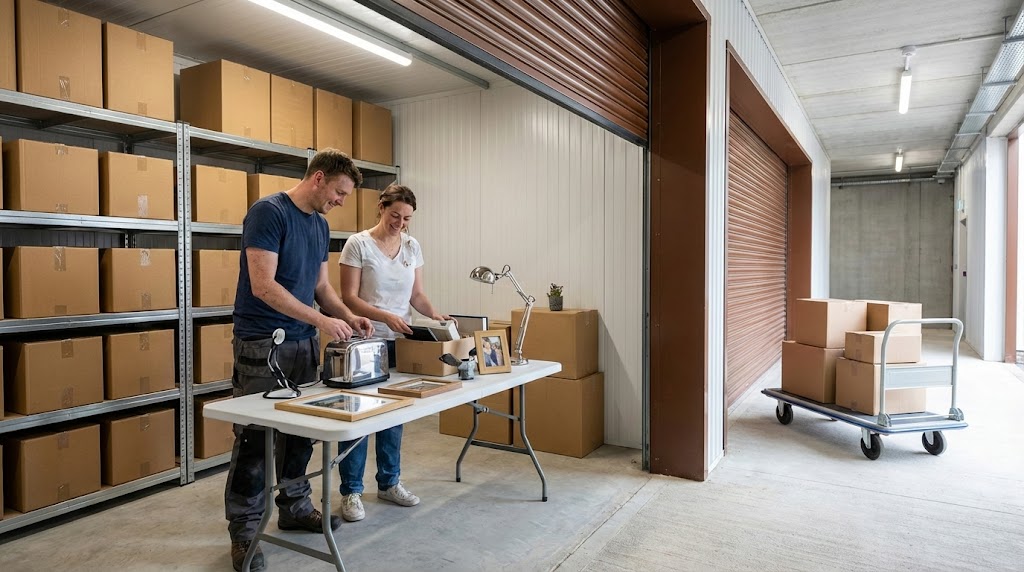
Congratulations! You’re married and ready to start your life together in one home. Merging two households is exciting, yet it often creates a significant challenge: dealing with duplicate furniture, overflowing wardrobes, and a surplus of household goods. Don’t worry; this common issue is easily solved with smart planning and the right couples storage solutions. The key to a harmonious new home lies in creating space that reflects both partners’ styles, ensuring you retain the items you love while storing the rest securely.
The process of combining homes is where effective storage truly proves its value. You’re looking for flexible and secure space to manage the transition, whether it’s for short-term overflow during decorating or long-term archiving of non-essential furniture. As experienced storage professionals, the guidance provided will help you declutter, determine your unit size, and create a calm, shared environment.
Decluttering Before You Combine
Before a single box is packed, you and your partner must conduct a ruthless decluttering session. This is the crucial first step when merging two households to avoid bringing unnecessary items into your shared space. This is the moment to be truly honest about your combined possessions; for instance, do you really need two vacuum cleaners, or perhaps three separate sets of dining chairs?
Focus on functionality and redundancy to streamline your holdings. If an item hasn’t been used by either partner in the last year, it’s a strong candidate for donation or sale. Giving unwanted items a new life prevents them from becoming clutter and simplifies your moving process considerably. Start this process weeks or even months before the move to avoid feeling overwhelmed by the sheer volume of possessions.
Creating a ‘Keep, Store, Donate/Sell’ Inventory
Once the initial clear-out is complete, categorise the remaining items to understand your true storage needs. Create three distinct lists: items essential for the new home, items for donation or selling, and items that must be kept but won’t fit immediately. This method forces clarity and reduces moving-day stress significantly.
For items you plan to sell online, storing them temporarily in a clean, accessible unit is often far easier than tripping over them at home.
The decision to store items should always be the last step, after eliminating duplicates and negotiating which pieces of furniture make the final cut. Remember, the goal isn’t just to relocate belongings; it’s to curate a new collection that suits your shared lifestyle. By clearly defining what’s staying and what’s going, you’ll be able to quickly determine how much secure space you actually need for the overflow.
Assessing Your Specific Storage Needs
Accurately calculating the space required is crucial for finding the best value solution. You don’t want to pay for a unit that’s too large, but you also need enough room to access your items easily once they’re stored. Start by making a detailed inventory of large items that won’t fit into the new home, such as spare sofas, excess white goods, or seasonal equipment.
Measuring the square footage of your new rooms provides a tangible limit to work within. Identifying these storage gaps, the items you can’t accommodate will precisely define the size and type of storage unit required. This preparation ensures you only store items strategically, avoiding the expense of housing things that should have been sold or donated.
Choosing the Right Storage Unit Size
Selecting the correct unit size is one of the most common challenges customers face. Think of choosing a storage unit size like packing a suitcase for a long trip: you need to estimate volume precisely to ensure everything fits snugly without wasting space. Professional teams can help you estimate this, but having a clear inventory speeds up the process dramatically.
A small 25-square-foot unit, for instance, is perfect for boxes and smaller furniture, while a 100-square-foot unit can typically hold the contents of a two-bedroom house. It’s always better to slightly overestimate the space if you have unique or awkward items to ensure comfortable loading and unloading. This small buffer prevents items from being damaged by being packed too tightly into an inadequate space.
Security and Flexibility in Storage Solutions
When you’re entrusting your precious possessions to a third party, security isn’t just a preference, it’s a necessity. Secure storage units must offer multi-layered protection to give you complete peace of mind while you settle into your new home. Always check for essential features like comprehensive 24/7 CCTV monitoring throughout the facility.
Look for modern security measures, including individual unit alarms and strictly controlled access gates using PIN codes or fobs. These measures ensure that only authorised users can enter the main facility and that only you can access your personal unit. Facilities like Newbury Self Store prioritise the safety of your belongings above all else.
Understanding Flexible Contracts
One of the greatest benefits of using self-storage during a transition is the flexibility it provides. You’ll need a solution that works whether your move takes two months or your decorating project takes six. Look for flexible contracts that don’t lock you into a long-term commitment.
Choosing a rolling monthly contract means you only pay for the time you need, which is ideal if you’re unsure of your move-in date or how quickly you’ll sell off extra furniture. This flexibility, along with transparent pricing, is crucial for financial planning during the already expensive process of combining homes. Professional personal storage facilities are flexible enough to accommodate both short-term domestic needs and varying timelines.
Managing Valuable and Sentimental Items
Merging two households inevitably means dealing with items holding deep personal or financial value, which require extra consideration during storage. These are not simply belongings; they are memories, documents, or heirlooms that need careful preservation. What if you’re holding onto your childhood photo albums, a collection of vintage wedding china, or important legal papers?
Take the example of James and Emily, who merged their homes in Thatcham. They initially thought they could squeeze everything into their loft, but realised their valuable vinyl collection and Emily’s antique lace wedding dress would be ruined by dust and temperature shifts. They chose to move these delicate items into a secure unit. This proactive step ensured their most cherished possessions were protected from the common pitfalls of domestic storage, preserving their memories safely until they could integrate them into their new, climate-controlled home study.
Protecting Against Environmental Damage
For extremely sensitive items like musical instruments, vintage fabrics, electronic equipment, or important documents, a standard unit might not be enough. Fluctuations in temperature and humidity can cause irreparable damage, leading to warping, mildew, or cracking. Consider using a dedicated climate-controlled storage unit if this service is available.
Using quality packing materials is also non-negotiable for preserving delicate goods. Wrap furniture carefully with protective blankets and use acid-free paper for textiles and artwork. Remember to source all the necessary packing supplies before you start packing, ensuring you have sturdy boxes, bubble wrap, and heavy-duty tape. This preparation protects items not only from dirt but also from impact during transit.
Using Container Storage for Large Items
If you’re storing large-volume items such as a shed-full of garden tools, excess building materials, or bulky furniture, you might find that container storage offers the perfect solution. These typically provide ground-floor access, making the loading and unloading of heavy or awkward items much easier than navigating an indoor facility. Container storage is especially popular for longer-term storage needs or when quick, drive-up access is a priority.
These robust steel units offer exceptional protection and weather resistance, ensuring that even large items remain secure and dry. Always ensure the site offering container storage maintains the same high level of security as an internal facility, including perimeter fencing and strong lighting. This ensures your investment in a high-capacity unit is properly protected at all times.
Creating a Harmonious Shared Space
Ultimately, couples storage solutions are about creating a sense of peace and harmony in your new home. By moving non-essential or duplicate items into storage, you free up valuable space for the things that truly represent your shared life. This allows you to focus on merging your styles, rather than managing clutter, which is a core benefit of quality storage planning.
A great idea is to create “zones” within your new space, perhaps a reading nook from one partner’s library or a designated gaming area from the other’s collection. By using storage as a filter, you ensure that every item you bring into your shared home has a purpose or sentimental value that contributes positively to your environment. This curated approach prevents the feeling of being overwhelmed and allows you both to feel represented in the new décor.
Combining households is a wonderful chapter, and it doesn’t need to be defined by clutter or compromise. By leveraging professional storage for temporary or long-term secure space, you gain the freedom to settle in at your own pace with the best couples storage solutions available. You’re not just storing boxes; you’re investing in a smoother, less stressful transition into married life.
When you’re ready to start this exciting process, contact the team today and see how affordable freedom from clutter can be.