
 01635 581 811
Regular car boot sellers know the frustration: you’ve got brilliant stock to sell, but it’s scattered across the spare room, garage, and under the bed. Finding that vintage teapot or the bundle of kids’ clothes you priced last week becomes a treasure hunt every Saturday morning. That’s time wasted when you could be setting up your stall and making sales.
Organised storage transforms occasional sellers into profitable regulars. When you know exactly what stock you have, where it’s located, and what it’s worth, you’ll spend less time searching and more time selling. The most successful car boot traders treat their inventory like a business, and that starts with proper car boot storage systems that protect items, maximise space, and speed up your Saturday morning routine.
Why car boot regulars need dedicated storage space
Most people start selling at car boots to clear the loft or declutter before moving house. But once you realise there’s genuine profit in buying and reselling, your operation outgrows the spare room fast. You’re not just storing household cast-offs anymore – you’re managing inventory that represents real money.
Without dedicated space, stock gets damaged. Clothes develop musty smells in damp garages. Glassware chips when boxes get stacked carelessly. Electronics suffer from temperature fluctuations. Every damaged item is profit you’ll never make.
The maths is straightforward. If you’re making £200-300 per car boot sale and attending twice monthly, that’s potentially £4,800-7,200 annually. Losing 10% of your stock to poor storage conditions costs you £480-720 a year. Investing in proper resale inventory storage – whether that’s reorganising your garage or using a personal storage unit – pays for itself through protected inventory and increased efficiency.
Categorising your car boot inventory
Think of your stock like a shop arranges its shelves. Random placement means you’ll never find anything. Category systems mean you can grab exactly what you need for each sale.
Seasonal items form your first category. Christmas decorations, garden furniture, winter coats – these sell at specific times. Store them separately so they’re not cluttering your workspace when they’re out of season. Pack them clearly with dates noting when to bring them out.
High-value items need special attention. Antiques, collectables, vintage clothing, and electronics should be stored where you can see them easily and where conditions remain stable. These are your profit makers. Treat them accordingly.
Quick-turnaround stock includes anything you’ve bought specifically to resell. Charity shop finds, house clearance purchases, wholesale lots – keep these accessible because they’re your regular income. Don’t bury them behind seasonal stock you won’t need for months.
Damaged or project items deserve their own space. That chair needing reupholstery or the picture frame missing glass – separate these from sale-ready stock. Nothing’s more frustrating than loading your van in the dark and discovering you’ve packed items that aren’t ready to sell.
Here’s a system one regular seller uses: she colour-codes her storage boxes. Red for Christmas and seasonal, blue for clothes sorted by size, green for kitchenware and household goods, yellow for books and media. She can identify what she needs at a glance, even when boxes are stacked three high.
Creating an inventory system that actually works
Professional car boot sellers maintain inventories. It sounds tedious, but it’s the difference between guessing what you own and knowing your exact stock value.
Start simple. A spreadsheet or even a notebook works fine. Record these basics for each item: brief description, purchase price, intended selling price, location in storage, and date acquired. When something sells, mark it sold and note the actual price achieved.
This reveals patterns quickly. You’ll spot which categories sell fastest, which items sit in storage for months, and whether your pricing strategy works. If those vintage plates you paid £2 each for consistently sell at £8, you know to buy more. If children’s toys never shift, stop buying them.
Photographing your inventory serves two purposes. First, you’ve got a visual record if you need to make insurance claims. Second, you can browse photos before each sale and decide what to bring without physically handling everything. Take quick snaps on your phone as you price items, and store them in folders matching your physical storage categories.
The inventory also prevents duplicate buying. When you’re at a house clearance and spot vintage Pyrex, you can quickly check whether you already have three casserole dishes sitting unsold. That’s money saved on stock that doesn’t move.
Packing and protecting stock for long-term storage
Car boot stock often sits in storage for weeks or months before selling. Proper packing prevents that waiting time from degrading your items.
Clothing needs breathing room. Vacuum-packed bags save space but can damage delicate fabrics and make everything smell stale. Use breathable storage boxes or garment bags, and include moisture absorbers in areas prone to dampness. Sort by size and season – you don’t want to dig through summer dresses to find winter coats in November.
Glassware and ceramics require individual wrapping. Newspaper works, though it can transfer print onto some surfaces. Bubble wrap offers better protection but costs more. Many regular sellers save the packaging from their own online purchases and reuse it. Pack heavy items at the bottom of boxes, lighter ones on top, and never stack boxes more than two high if they contain fragile stock.
Books and paper goods are vulnerable to moisture and pests. Store them off the floor, ideally in sealed plastic boxes rather than cardboard. Silverfish and other insects love cardboard and paper. If you’re storing books long-term, check them every few months for signs of damage.
Electronics need stable temperatures. Extreme heat or cold damages batteries and internal components. If you’re storing electronics in a garage or outbuilding, consider whether winter temperatures might drop too low. Storing items in their original packaging adds value and protection.
The packaging supplies you use for storage double as transport protection. When Saturday morning arrives and you’re loading the van, properly packed items travel safely and arrive at the car boot in saleable condition.
Space planning: fitting more stock into less room
Vertical space is your friend. Most people store horizontally – boxes spread across the floor – and waste the upper two-thirds of their storage area. Shelving units transform capacity.
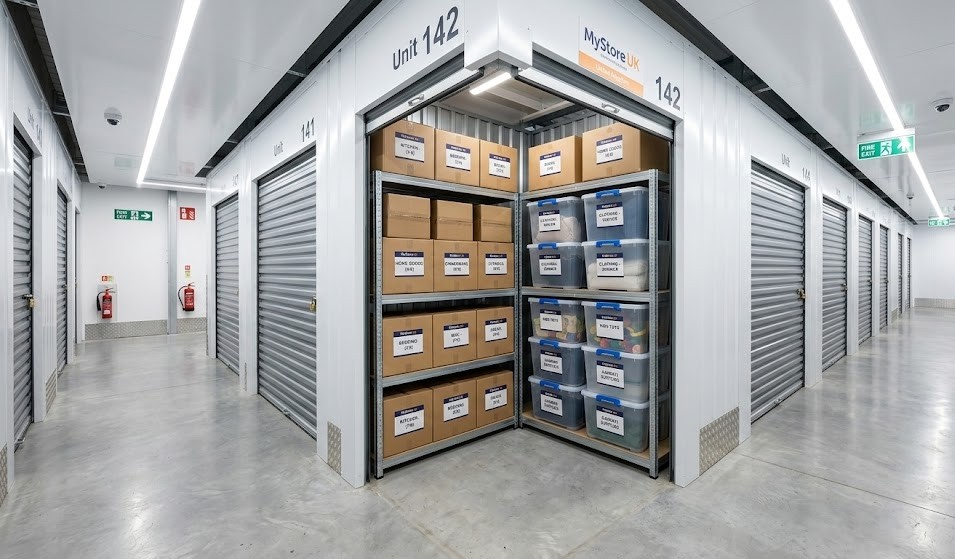
Industrial shelving handles heavy loads and adjusts to different heights. You can fit boxes of different sizes and access everything without unstacking. Label the front of each shelf clearly so you know what’s where. This system works whether you’re using a garage, spare room, or storage unit.
Clear plastic boxes cost more than cardboard but pay for themselves. You can see contents without opening them, they stack securely, and they protect against moisture and pests. Standardising box sizes means they stack efficiently without wasted space.
Zone your storage area by how frequently you access items. Put your quick-turnaround stock at the front where it’s easiest to reach. Seasonal items can go higher up or further back. Think of it like a warehouse – fast-moving stock gets prime position.
One successful seller compared choosing car boot storage to picking the right suitcase for a trip. Pack a tiny bag and you’ll leave essentials behind. Choose one that’s too large and you’ll waste space and struggle to find anything. The right size gives you room to organise properly while keeping everything accessible.
When home storage isn’t enough
Your car boot selling has grown beyond hobby status. Stock fills the garage, spills into the spare room, and your family’s complaining about boxes everywhere. You’ve reached the point where home storage limits your business.
This is when dedicated storage units make financial sense. Calculate your monthly profit from car boot sales, subtract the cost of storage, and see whether you’re still ahead. For many regular sellers, the answer is yes – especially when you factor in reduced domestic friction and the ability to scale up stock levels.
Business storage suits serious car boot traders who’ve effectively created a small business. You’ll get secure space with flexible access, meaning you can drop off house clearance purchases midweek and collect stock for weekend sales. Climate-controlled units protect valuable inventory from temperature extremes and humidity.
Container storage works well if you’re handling large items or significant volumes of stock. Drive-up access means you can load directly into your van without carrying boxes through corridors. This saves time and reduces the physical strain of moving heavy stock.
The key question: does storage cost less than the profit you’ll make from additional stock? If you’re turning down house clearances because you’ve no room, or if you’re selling items too cheaply just to shift them quickly, resale inventory storage becomes an investment rather than an expense.
Preparing for sale day: streamlining your Saturday routine
Friday evening shouldn’t involve frantic searching for stock and last-minute pricing. Organised storage means you’ve done the hard work already.
Pre-pack your tables and display equipment in a dedicated area. Folding tables, cloths, price stickers, money belt, bags, and change – keep everything together so you’re not hunting for essentials at 5am. Some sellers use a checklist attached to their storage area: tick off each item as you load it.
Create a loading list the night before. Based on your inventory, decide what you’re taking and note which boxes or shelves hold those items. This prevents overloading your vehicle with stock you won’t have room to display, and ensures you don’t forget your best-selling categories.
Group items by display area as you pack. If you typically arrange your stall with clothes on one side and household goods on the other, pack your van accordingly. You’ll unload in the right order and set up faster, claiming prime pitch position while others are still sorting their stock.
The most efficient sellers can load their van in under 30 minutes because their storage system matches their selling system. Everything has a place, and every item is sale-ready. No repacking, no last-minute cleaning, no discovering things are damaged or incomplete.
Managing unsold stock without drowning in clutter
Items that don’t sell present a dilemma. Bring them home and they clog your storage. Discount them heavily and you’ve wasted profit potential. Drop them at charity shops and you’ve lost your initial investment.
The three-sale rule works for many regulars. If an item hasn’t sold after three car boots, reassess. Is it priced too high? Does it need cleaning or repair? Is it the wrong season? Make a decision: reduce the price significantly, list it online instead, or donate it and write off the loss.
Rotation prevents stale stock from dominating your storage. Don’t automatically bring the same items every week. Shoppers who attend regularly will recognise stock they’ve seen before and assume it’s overpriced or faulty. Rotate items in and out of storage, giving everything a fair chance at different sales with different crowds.
Online selling complements car boot sales perfectly. Higher-value items that don’t sell at car boots often find buyers online where people search specifically for them. Keep these items in your organised storage system and photograph them properly for listings. When they sell, you know exactly where to find them.
Seasonal storage prevents you from bringing winter coats to July car boots. Pack away seasonal items when their time passes, and mark clearly when to bring them out again. This frees up your active storage area for stock that’s actually saleable right now.
Tracking profit and making data-driven decisions
Successful car boot traders know their numbers. Without tracking, you’re guessing whether you’re profitable or just shifting items at a loss.
Calculate your true costs beyond purchase price. Factor in petrol, pitch fees, storage costs if applicable, and the packaging materials you use. If you paid £20 for a box lot at auction, spent £10 on petrol and pitch fees, and sold items for £45, your actual profit is £15, not £25.
Monitor your profit per category using your inventory system. You might discover that vintage kitchenware consistently returns 300% profit whilst children’s toys barely break even. This tells you where to focus your buying efforts and which categories to abandon.
Track seasonal patterns so you know when to stock up. Garden furniture sells brilliantly in spring but sits unsold in autumn. Christmas items shift in November and December but become worthless in January. Your resale inventory storage system should reflect these patterns, with seasonal items rotating in and out of active stock.
One experienced seller reviews her inventory quarterly. She calculates which 20% of her stock categories generate 80% of her profit, and focuses her buying and storage space on those winners. The rest gets cleared out to make room for more profitable lines.
Scaling up: from hobby to side business
Organised car boot storage is what separates hobbyists from serious car boot traders. When you can scale up your stock levels confidently, knowing everything’s protected and accessible, you’ve built a genuine side business.
Buying in bulk becomes possible when you’ve got storage capacity. House clearances, auction lots, and wholesale purchases offer better profit margins than individual charity shop finds, but they require space to store items until you sell them. Proper storage means you can invest in larger purchases and work through them systematically.
Multiple sales per week become manageable when you’re organised. Some regulars hit Sunday car boots as well as Saturday markets, or add evening events during summer. Your storage system needs to support quick turnaround – restocking between sales without chaos.
Specialisation often follows naturally once you’ve tracked your numbers. You might discover you’re brilliant at selling vintage clothing or that tools consistently make you profit. Organised storage lets you build deeper stock in your specialist area whilst maintaining a general selection of regular sellers.
Consider whether you need to contact us about storage solutions that grow with your business. Starting with a small unit and expanding as your stock levels increase gives you flexibility without committing to more space than you need.
Protecting your investment: security and insurance
Your car boot stock represents capital. A storage area holding £2,000-3,000 worth of inventory deserves proper protection.
Home storage security means keeping doors locked and being discreet about what you’re storing. Don’t advertise on social media that your garage is full of valuable vintage items. Fit good locks and consider whether your home insurance covers business stock – many policies don’t.
Purpose-built storage facilities offer security features home storage can’t match: CCTV, individual unit alarms, secure perimeter fencing, and restricted access. If you’re storing high-value antiques or collectables, this peace of mind justifies the cost.
Document everything with photographs and inventory records. If theft or damage occurs, you’ll need evidence for insurance claims. Store these records digitally in the cloud, not in the same location as your physical stock.
Climate control protects against environmental damage. Humidity ruins clothing and paper goods. Temperature extremes damage electronics and can crack ceramics. If your stock value justifies it, climate-controlled resale inventory storage prevents losses that eat into your profits.
Building sustainable systems for long-term success
The car boot sellers who last years rather than months treat their operation systematically. They’ve built routines, storage systems, and inventory methods that work consistently without requiring heroic effort every weekend.
Dedicate time midweek to receiving new stock, pricing it, and updating your inventory. Saturday morning shouldn’t involve pricing items or making decisions about what to bring. That work happens during the week when you’re not rushed.
Maintain your storage area regularly. Reorganise when categories get messy. Clean out items that aren’t selling. Update your inventory when things change. A system only works if you maintain it.
Review and adapt based on what you learn. If your current storage layout makes loading difficult, change it. If certain categories never sell, stop buying them and free up that space. Your system should evolve as your business does.
The most successful car boot traders aren’t necessarily the ones with the best eye for a bargain – they’re the ones who can consistently find, store, and sell stock efficiently. Organisation multiplies whatever talent you bring to buying. Without it, you’re working harder than necessary for smaller profits.
Conclusion
Car boot selling transforms from chaotic hobby to profitable side business when you implement proper storage systems. Knowing exactly what stock you own, where it’s located, and what condition it’s in means you’ll spend less time searching and more time selling. Protected inventory maintains its value, organised categories speed up your Saturday routine, and tracked numbers reveal which stock lines actually make money.
Whether you’re reorganising your garage or considering dedicated resale inventory storage, the principle remains the same: treat your inventory like the valuable asset it is. The most successful regulars aren’t lucky – they’re organised. They’ve built systems that protect their stock, maximise their space, and streamline their selling process. That’s what turns occasional profits into consistent income and transforms weekend sellers into serious traders who maximise every opportunity.