
 01635 581 811
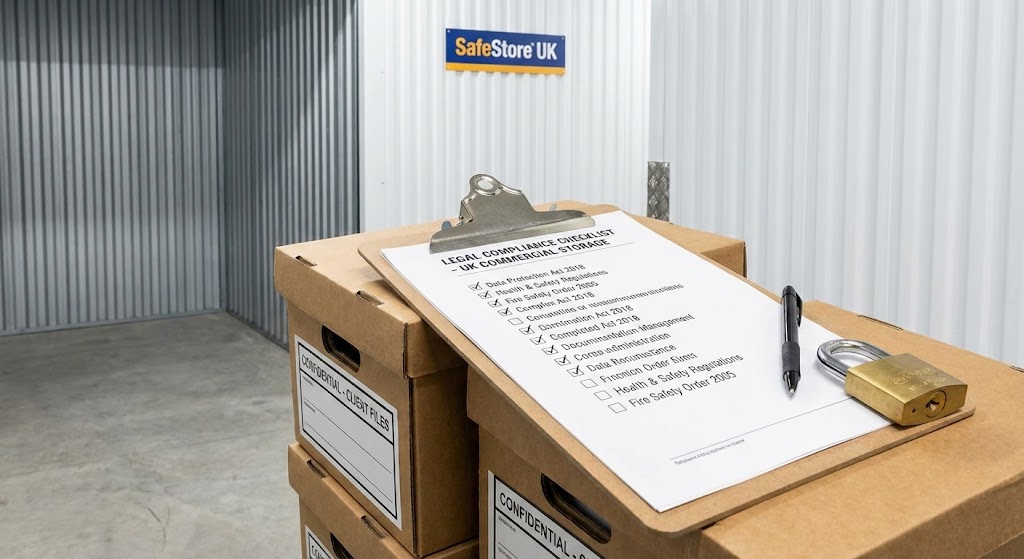
Successfully running any enterprise in the UK requires meticulous attention to detail when managing physical assets and inventory. While commercial storage solutions offer incredible flexibility, maintaining business storage compliance and adhering to commercial storage rules is non-negotiable. As your Storage Solutions Adviser, I’m here to clarify the essential legal and safety guidelines that protect your stock and archives. Understanding these key responsibilities ensures your stored items remain secure and your business operations run smoothly.
Why Business Storage Compliance Matters
Ignoring the legal and safety requirements of off-site asset management creates serious risk. Non-compliance might lead to heavy fines, invalid insurance policies, or even the seizure of vital business assets. Staying compliant protects your bottom line and safeguards your inventory, allowing you to focus on growing your company. This is a very different challenge compared to standard domestic storage needs, which have minimal regulatory complexity.
It’s crucial to adhere strictly to your rental agreement and facility regulations at a professional storage facility. This guarantees operational continuity and reflects the principle of trustworthiness that underpins successful business storage compliance.
Do: Understand Your Contractual Responsibilities
The very first step for any business client is reading, understanding, and adhering to the signed storage agreement. This legally binding document outlines your specific duties as the tenant of a secure business storage unit. It covers everything from permitted access times and precise payment schedules to facility liability and rules regarding third-party access. Failing to meet these obligations can void the contract, potentially leading to issues with unit access or late fees.
Always ensure the person signing the contract is an authorised company representative. For clear, flexible storage options, learn more about how Newbury Self Store tailors its contracts to meet commercial needs.
Don’t: Store Prohibited and Hazardous Items
This rule is paramount and non-negotiable for safety and legal reasons across the entire UK self-storage industry. You must never store flammable liquids, explosives, corrosive materials, or any toxic chemicals. The presence of these items poses a significant risk to the entire facility, the staff, and the possessions of other clients.
Prohibited items also extend to illegal substances, live animals, or dangerous waste. Storing any of these can lead to immediate contract termination and serious breaches of commercial storage rules. If you’re unsure about storing items like specialist lighting or large battery packs, you should always contact us directly to clarify any specific storage limitations before moving items in.
Do: Maintain Detailed Inventory Records
Accurate inventory management is a fundamental business requirement for both tax purposes and daily operations. Keeping a detailed, up-to-date inventory of everything stored in your unit is invaluable for efficient asset tracking and retrieval. Without an accurate list, locating product lines or archived documents quickly becomes a frustrating, time-consuming mess.
Good record-keeping is vital if you ever need to file an insurance claim, as detailed records accelerate the entire process. Using proper professional packing materials and numbering your boxes makes retrieval significantly easier when you need them quickly.
Don’t: Overlook Adequate Business Insurance
Relying solely on the storage facility’s insurance policy is often a costly mistake for businesses. While facilities maintain insurance for the building, the responsibility for insuring the actual contents of your unit falls to the tenant. It’s crucial to check with your existing commercial insurance provider to ensure your assets are covered while in off-site storage.
Always ensure the coverage limit is adequate to replace or repair the stored items at their current market value. Investing in the correct level of storage insurance is a minimal expense compared to the potentially massive financial loss if your items were affected by unforeseen events. This is a key element of maintaining proper business storage compliance.
Do: Ensure Efficient Accessibility Planning
When paying for storage as a business, efficient accessibility planning is essential, as every minute spent accessing items affects profitability. Organise your unit strategically, placing frequently accessed items near the front and ensuring clear pathways exist between stacks. Using sturdy shelving can effectively double your available storage space and make stock rotation manageable.
Consider the facility’s access features, such as wide aisles and clear loading bays. The comprehensive business storage solutions available at Newbury Self Store offer various unit sizes and access controls designed to support rapid inventory movement.
Don’t: Block Fire Exits or Safety Equipment
Safety is always the number one priority within any secure storage facility. You must never obstruct fire exits, hose reels, fire extinguishers, or sprinkler systems. Blockages aren’t just an operational hassle; they’re a severe safety hazard and a critical breach of building regulations that could result in legal action.
If an emergency were to occur, blocked safety access could prevent both rapid evacuation and effective emergency response, putting lives and property at extreme risk. Always stack boxes securely within the designated boundaries of your unit and maintain clear, visible access to the entrance door. Following these commercial storage rules protects everyone using the facility.
Do: Keep Your Unit Organised and Clean
A clean and well-organised storage unit contributes significantly to the longevity of your stored items and the safety of the facility. Regular checks and cleaning prevent the accumulation of dust and debris, which can attract pests or rodents. Maintaining tidiness ensures your business remains efficient; a disorganised unit is unproductive.
Businesses should implement a system for inventory rotation, which requires periodic cleaning and inspection. Sweep the floor regularly and immediately dispose of any packaging waste in designated recycling bins.
Don’t: Use the Unit as an Operational Workshop
Storage units are licensed and insured solely for the purpose of passive storage, not for active business operations. You must not use your unit as a permanent office, a manufacturing site, or a workshop. This prohibition is necessary because conducting business activities introduces unacceptable noise, liability, and fire risks.
Setting up operations in the unit could also breach local zoning regulations and invalidate the facility’s planning permission, resulting in immediate termination if violated. Understanding and following these commercial storage rules prevents costly disruptions to your business. If you require space for larger goods that demands easy vehicle access, robust container storage may be a more appropriate, robust alternative.
Do: Review Your Agreement for Scaling Needs
The great benefit of flexible storage terms is the ability to adapt as your business grows or shrinks. Periodically review your storage agreement to assess if the current unit size still matches your needs. If your e-commerce stock has doubled, you may need to upgrade to a larger unit to maintain accessibility.
Staying proactive about your storage needs helps you avoid unnecessary costs or potential overcrowding issues. Regular review ensures you’re always getting the most efficient and cost-effective solution for your current operational requirements.
Don’t: Forget to Update Your Contact Details
It sounds like a small detail, but keeping your contact information current with the storage facility is critically important. If the facility needs to contact you urgently, perhaps due to a security alert or an issue with your payment, they must be able to reach a responsible business representative immediately.
Failing to update contact details could lead to delays in addressing security or safety issues related to your assets. Make it a mandatory part of your quarterly business audit to verify your primary contact details are accurate on file with the storage provider. This simple step is essential for maintaining business storage compliance.
Final Thoughts
Adhering to this legal and safety checklist isn’t about complexity; it’s about protecting your valuable business assets and ensuring smooth operations. By understanding your contractual responsibilities and strictly observing facility regulations, you leverage the benefits of secure business storage without introducing unnecessary risk. It truly makes a significant difference when you partner with a provider committed to high safety standards like Newbury Self Store.
Next Steps: Securing Your Business Space
If you’re ready to implement a compliant and cost-effective storage strategy, the next step is connecting with the experts. You can explore the different commercial storage solutions available at Newbury Self Store. The team is ready to help you discuss your specific needs and find a flexible solution that fits your company perfectly. Contact us today to request a personalised quote and book your unit.