
 01635 581 811
Shifting a chest freezer down a flight of stairs isn’t just difficult; it is dangerous. The same goes for antique wardrobes, industrial equipment, gym machinery, and the dozens of other heavy, awkward items that don’t fit neatly into a standard storage unit. When you are storing bulky possessions, the logistics of actually getting them into storage matter just as much as the space itself. You can have all the square footage in the world, but if you cannot physically move your items into it without risking a back injury or damaging the item, that space is useless.
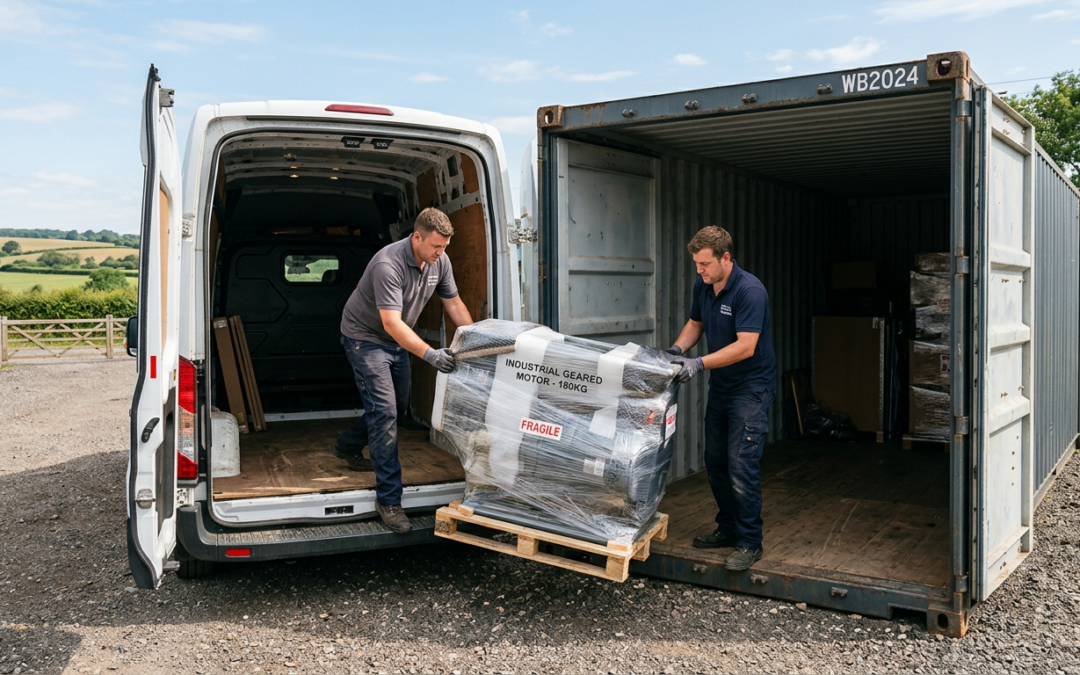
That is where ground-level container access changes everything. Rather than wrestling heavy loads up ramps, squeezing them into lifts, or navigating narrow corridors with tight corners, you simply wheel, slide, or carry items directly into a secure container positioned at ground level. No lifting items above waist height to get them onto a loading dock. No stairs. No damage to your back or your belongings. Ground-level storage is the equaliser that turns a logistical nightmare into a manageable task.
At the core of this solution is practicality. Ground-level container storage is designed for anyone who needs to store items that weigh more than they can comfortably lift, whether you are a tradesperson storing cement mixers, a homeowner clearing out a garage full of tools, or a business managing bulky stock on pallets. It prioritises accessibility and physical safety above all else.
Why Ground-Level Access Matters for Heavy Items
Standard self-storage units often sit on upper floors or require navigating tight hallways inside a large warehouse facility. That works perfectly well for boxes of books, suitcases of clothing, or small household trinkets. But try manoeuvring a 200kg safe, a commercial fridge, or a solid oak dining table through those same spaces, and you will quickly understand why ground-level access isn’t just convenient; it is essential.
Safety is the primary concern. Lifting heavy objects increases the risk of injury, particularly when you are working in confined spaces or on uneven surfaces. A pulled muscle, strained back, or dropped item can turn a simple storage task into a costly medical problem or a broken asset. Ground-level access eliminates most of these risks by allowing you to move items horizontally rather than vertically. Gravity is no longer working against you in the same way.
Efficiency is the second major benefit. When you can drive right up to your ground-level container units, you save tremendous amounts of time and effort. A job that might take three people and two hours with a standard indoor unit can often be completed by one person in 30 minutes when you have direct vehicle access. That is particularly valuable for businesses storing seasonal stock or tradespeople who need quick access to tools and equipment before a job starts.
Protection for your belongings is the third advantage. Heavy items are significantly more likely to get damaged when they are being hauled up stairs, tilted to fit in lifts, or squeezed through narrow doorways. Scratched furniture, dented appliances, and broken equipment are common casualties of difficult access routes. Ground-level loading reduces the amount of handling required, which directly reduces the risk of accidental damage.
What Qualifies as a Bulky or Heavy Load?
Not everyone has the same definition of “bulky.” For some, it is a dining table. For others, it is a pallet of building materials. Understanding what you are storing helps determine if ground-level access is a luxury or a necessity. Here is a practical breakdown of items that genuinely benefit from this type of storage:
- Large Furniture: Wardrobes, armoires, large dressers, sofas, sectionals, and sleeper sofas all fall into this category. These items are often long and unwieldy, making corner turns in corridors a recipe for scratched walls and frustration.
- Appliances: Chest freezers, full-size refrigerators, washing machines, and tumble dryers are heavy and dense. They often require trolleys to move, which function best on flat, paved surfaces.
- Commercial Gear: Industrial shelving units, racking systems, commercial kitchen equipment like ovens and prep tables, and office furniture such as conference tables and filing cabinets.
- Specialist Equipment: Gym equipment is notoriously heavy and awkward; treadmills, weight benches, and squat racks are difficult to disassemble and move. Power tools, table saws, compressors, and generators also require robust storage.
- Automotive and Garden: Car parts, tyres, scaffolding, ladders, ride-on mowers, and rotavators are almost impossible to store in standard indoor units due to dirt, oil, and weight.
Think of it this way: if you would need to hire a removal van rather than use your car, or if you would consider asking a friend to help you lift it, it is bulky enough to warrant ground-level access. If you cannot lift it comfortably on your own, you shouldn’t be carrying it up stairs.
How Ground-Level Container Storage Works
The concept is straightforward. A storage container, typically 10ft, 20ft, or 40ft in length, sits directly on the ground, with its doors opening at ground level. You drive up, open the doors, and load your items straight in. No ramps are required because the floor of the container is only inches from the ground or ramp-accessible for trolleys.
Drive-up access means you can park your vehicle within a few metres of the container entrance. For anyone loading furniture from a van or transporting equipment on a trailer, this makes the process dramatically easier. You are not carrying items across a car park, waiting for a trolley to become available, or holding elevator doors open.
Wide container doors provide ample space to manoeuvre large items. Standard shipping containers have double doors that open fully, giving you a clear width of around 2.3 metres. That is wide enough for most furniture, appliances, and equipment to pass through without tilting or disassembly.
Flat, level surfaces ensure you can use trolleys, hand trucks, or pallet jacks to move heavy loads. This is a game-changer for anyone storing secure commercial inventory space. Instead of lifting each piece individually, you can wheel them in and position them efficiently. This capability alone justifies the choice of container storage for businesses managing logistics or stock.
Practical Loading Strategies for Heavy Items
Getting your items into storage is only half the challenge. Storing them properly ensures they remain in good condition and that you can actually retrieve what you need without dismantling the entire container.
Load heavy items first, placing them at the back. This creates a stable base and prevents lighter items from being crushed if things shift. Position the heaviest pieces, such as solid wood furniture, appliances, or machinery, against the back wall of the container. This also keeps the weight distributed evenly across the floor structure.
Create an access corridor. Do not pack the container solid from front to back if you plan on visiting it. Leave a narrow walkway down the centre or along one side so you can reach items stored further back without having to unload everything. This is particularly important if you will need to access your storage periodically rather than leaving it untouched for months.
Use protective materials strategically. Wrap furniture in moving blankets or bubble wrap to prevent scratches, but do not over-pack to the point where you cannot identify what is stored. For metal equipment or tools, a light coating of oil can prevent rust during storage. If you are storing items long-term, consider placing moisture absorbers, such as silica gel packets or dedicated storage dehumidifiers, inside the container to regulate humidity.
Label everything clearly. When you are storing dozens of bulky items, it is easy to forget what is where. Use large, weatherproof labels on furniture and boxes. If you are storing business stock or equipment, create a simple inventory list and keep a copy with you. That way, you will know exactly where to find the commercial mixer or the spare office chairs when you need them.
I like to use a simple analogy when explaining this to new customers: think of loading a storage container like packing a car boot for a long trip. You put the heaviest suitcases in first, at the back, and you keep the things you might need during the journey, like snacks, maps, or a jumper, within easy reach near the front. The same logic applies to storage; keep your frequent-use items by the doors.
Security Without Compromise
Security remains robust despite the ground-level access. Containers are constructed from heavy-duty steel, originally designed to survive ocean crossings and harsh environments. They are physically tough barriers to entry. Most facilities add layers of site security, such as CCTV monitoring, perimeter fencing, and secure gate access codes.
Your belongings are just as safe as they would be in a traditional indoor unit, but far easier to access. The padlocks used on containers are often protected by lock boxes, which are steel housings that prevent bolt cutters from reaching the lock shackle. This specific design feature makes forcing entry extremely difficult and noisy, acting as a strong deterrent.
Who Benefits Most from Ground-Level Container Access?
Certain groups find ground-level container storage particularly valuable. If you recognise yourself in any of these scenarios, it is worth exploring container storage as an option.
Homeowners downsizing or renovating often have household furniture storage needs that simply won’t fit in a standard unit. A couple moving from a four-bedroom house to a two-bedroom flat, for example, might need to store a dining set, spare beds, and a chest freezer. Ground-level access makes the process manageable without hiring professional movers for every single trip.
Tradespeople and contractors use container storage to keep tools, equipment, and materials secure between jobs. A carpenter might store table saws, workbenches, and timber offcuts. An electrician might keep spare cable reels, testing equipment, and ladders. Drive-up access means you can load and unload quickly, which is essential when you are working to tight schedules.
Small businesses and retailers benefit from the flexibility of container storage for seasonal stock, archive storage, or overflow inventory. A garden centre might store outdoor furniture during winter. An online retailer might keep excess stock in a container during quieter months. The ability to access stock quickly without navigating a multi-storey facility saves time and effort.
Here is a real-world example from my experience at the facility. We once had a family preparing to move abroad who needed to store the entire contents of their double garage, including a ride-on lawnmower, a heavy workbench, power tools, and several bikes. They initially considered a first-floor storage unit inside the main building but quickly realised the lawnmower alone would be nearly impossible to manoeuvre up a ramp or into a lift. A ground-level container allowed them to drive a trailer right up to the doors, unload everything in one trip using ramps, and lock it securely. Six months later, when they returned to the UK, they retrieved everything in the same straightforward manner.
Comparing Container Storage to Standard Units
Both container storage and traditional self-storage units have their place. The right choice depends on what you are storing and how you plan to access it.
Standard storage units work well for boxes, smaller furniture, and items you can carry comfortably. They are often climate-controlled, which is beneficial for sensitive items like documents, fine art, or delicate clothing. They are also typically located inside a building, which some people prefer for added security and protection from the elements while accessing their goods.
Container storage excels when you are dealing with heavy, bulky, or irregularly shaped items. The ground-level access, wide doors, and ability to drive right up to the container make loading and unloading far easier. Containers are also highly secure and weatherproof, though they are not usually climate-controlled to the same degree as an indoor warehouse.
If you are storing a mix of items, say, boxes of household goods plus a sofa and a fridge, you might even consider splitting your storage. Keep delicate or frequently accessed items in a personal storage unit and use a container for the bulky pieces. Many facilities offer flexible options that let you combine different storage types to suit your specific project.
Preparing Bulky Items for Long-Term Storage
Once you have loaded your items into the container, a few simple steps ensure they remain in good condition.
Clean everything before storage. Dirt, grease, and moisture can cause damage over time. Wipe down furniture, clean appliances, and remove any food residue from fridges or freezers. For tools and equipment, remove any caked-on mud or dust.
Disassemble where practical. Some items, like bed frames, shelving units, or workbenches, can be partially disassembled to save space and reduce the risk of damage. Keep screws and fittings in labelled bags taped to the relevant piece so they do not get lost.
Protect surfaces using durable protective covers. Moving blankets, old sheets, or bubble wrap cover furniture and prevent scratches. For wooden items, avoid plastic wrap directly on the surface, as it can trap moisture and cause warping; use a breathable cloth first.
Elevate items off the floor if possible. Placing furniture or equipment on pallets or wooden blocks improves air circulation and protects against any potential moisture transfer from the floor, although container floors are typically treated plywood. This is particularly important for metal items that might rust if left in contact with damp surfaces.
Making the Most of Your Container Space
Even with a large container, space is finite. Smart organisation ensures you fit everything you need without creating a chaotic jumble.
Stack strategically. Place sturdy items at the bottom and lighter items on top. Avoid stacking anything on top of delicate furniture or equipment that could be damaged by weight. Use vertical space effectively. Tall items like wardrobes or shelving units should be positioned upright where possible. This maximises floor space and keeps items stable.
Fill gaps. Tuck smaller items, such as boxes, bags, or tools, into the spaces between larger pieces. This prevents items from shifting during storage and makes efficient use of every square metre. If you are storing items for a business, consider grouping them by category or frequency of access. Keep regularly needed items near the front and long-term storage items at the back.
Accessing Your Container: What to Expect
One of the advantages of container storage is the ease of access. Most facilities offer flexible access hours, meaning you can retrieve or add items when it suits your schedule. When you arrive, you will typically drive to your container, unlock it with your own padlock, and access your belongings. There is no need to navigate through a building or wait for assistance. This independence is particularly valuable for businesses that need to access stock or equipment outside standard office hours.
If you are planning to make regular trips to your container, keep a basic toolkit in your vehicle; a hand truck, moving blankets, and a few bungee cords can make loading and unloading much smoother.
When you choose Newbury Self Store for your storage needs, you are gaining access to a facility designed with these practical logistics in mind. Our site layout allows for easy vehicle manoeuvrability, ensuring that even large vans or trailers can get close to the unit doors. This thoughtful design removes the stress from moving day and ensures that your heavy items are stored securely and accessibly.
Choosing the Right Container Size
Container storage is available in several sizes, and choosing the right one prevents you from paying for space you do not need or cramming items into a container that is too small.
- 10ft Containers: These suit smaller loads, perhaps the contents of a garage or a few pieces of large furniture. They are also cost-effective if you only need to store a handful of bulky items.
- 20ft Containers: These are the most popular choice for household storage or small business needs. They comfortably hold the contents of a two or three-bedroom house, including furniture, appliances, and boxes.
- 40ft Containers: Ideal for larger homes, extensive business stock, or commercial equipment. If you are storing the contents of a four-bedroom house or a significant amount of trade equipment, this size provides ample space.
If you are unsure, it is worth speaking to the storage facility. Most teams can provide guidance based on what you are planning to store.
Additional Supplies and Support
Preparing items for storage often requires packaging materials. Boxes, bubble wrap, tape, and furniture covers protect your belongings and make the loading process more organised. Many storage facilities stock these supplies, saving you a trip to a separate shop.
For particularly heavy or valuable items, consider hiring professional movers for the initial loading. While ground-level access makes the process far easier, some items, like pianos or industrial machinery, still benefit from expert handling. Movers have the specialised dollies and straps required to move these items safely, even on flat ground.
Conclusion
Ground-level container access transforms the challenge of storing bulky, heavy items into a straightforward task. By eliminating stairs, ramps, and awkward corridors, it reduces the risk of injury, saves time, and protects your belongings from damage. Whether you are a homeowner clearing out a garage, a tradesperson securing tools between jobs, or a business managing seasonal stock, the practical benefits are undeniable.
The key is choosing a storage solution that matches your needs. If you are dealing with items that are difficult to lift, awkward to manoeuvre, or simply too large for a standard unit, ground-level container storage offers the space, security, and accessibility you need. With the right preparation, proper packing, strategic loading, and clear labelling, your storage experience becomes efficient and stress-free.
Call 01635 581 811 or get in touch with our team to discuss which container size is right for your heavy load storage needs.