
 01635 581 811
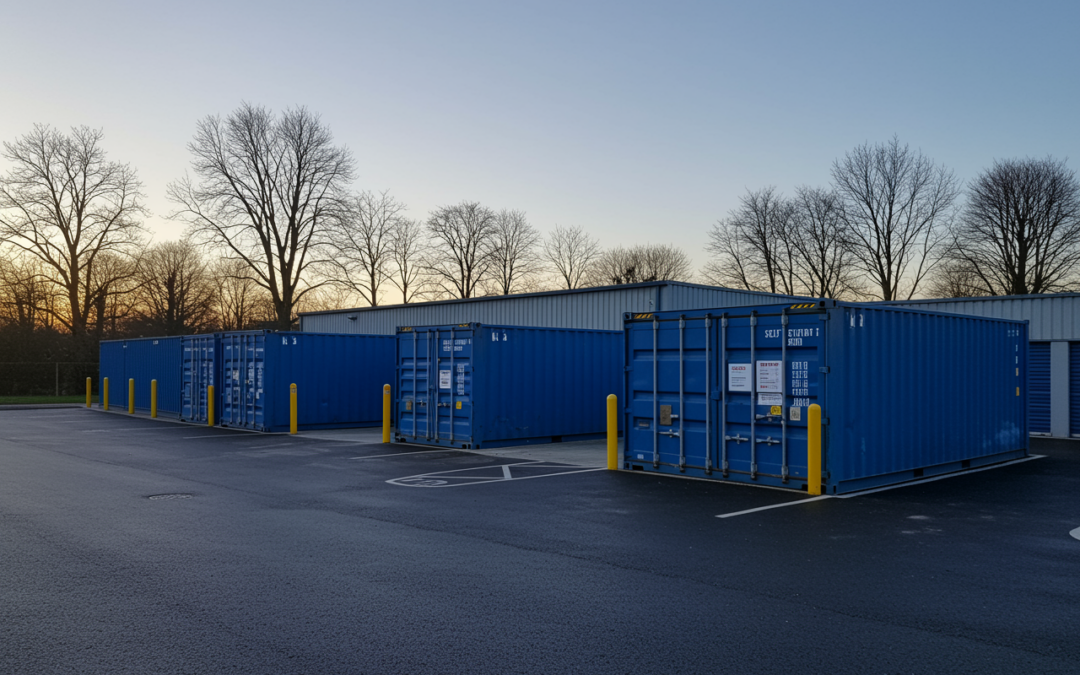
Choosing the right storage solution is not just about finding space for your belongings; it is about making a smart financial decision that protects your possessions without draining your budget. The debate between budget self storage containers and traditional indoor units comes down to more than just price tags. It is about understanding what you are actually paying for and whether those features match your specific needs.
Over the years, we have helped hundreds of customers navigate this exact decision. Some have saved considerable money by choosing outdoor containers for the right items. Others have avoided costly mistakes by investing in indoor units for belongings that needed extra protection. The key lies in understanding the true cost comparison beyond the monthly rental fee.
Understanding the Base Cost Difference
The most obvious distinction between outdoor containers and indoor units is the upfront rental cost. Outdoor container storage typically runs 20-30% less expensive than comparable indoor units. For a standard 20-foot container offering roughly 160 square feet of space, you might pay significantly less than an indoor unit of similar size.
That initial saving looks attractive. However, the base cost only tells part of the story. Think of it like buying a budget airline ticket. The fare looks brilliant until you add luggage fees, seat selection, and onboard refreshments. Suddenly, that cheap ticket costs nearly the same as the full-service airline. Storage works similarly; the additional costs and considerations can shift the value equation dramatically.
What You Are Actually Paying For
Indoor units come with climate control, enhanced security systems, and protection from the elements. These are not luxury add-ons; they are fundamental differences that affect how your belongings fare over time. Climate-controlled environments maintain consistent temperature and humidity levels, preventing warping, mould, and deterioration.
Outdoor containers provide robust, weatherproof storage with excellent drive-up accessibility. You can pull your vehicle right alongside the container, making loading and unloading significantly easier for heavy or bulky items. This convenience factor saves time and reduces the physical strain of moving belongings. You are not comparing apples to apples; you are weighing different storage philosophies against your specific requirements.
The Hidden Costs of Getting It Wrong
Last year, a customer stored a leather sofa suite in an outdoor container through winter. The rental cost was lower than an indoor unit, but after six months, the leather had developed mildew and cracking from humidity fluctuations. The replacement cost was over £2,000.
That is an extreme example, but it illustrates a crucial point. Choosing storage based solely on monthly cost can prove expensive. Damage prevention should factor heavily into your cost analysis. Indoor units protect against temperature swings that cause condensation, the primary culprit behind mould growth and rust. If you are storing anything susceptible to moisture, the extra monthly cost of an indoor unit functions as insurance against replacement expenses.
Breaking Down Total Storage Costs
Let us examine a realistic scenario. You need to store a three-bedroom house worth of belongings for six months during a home renovation.
Outdoor Container Option:
- Monthly rental: Lower base rate.
- Packing materials: Higher cost (extra wrapping needed for weather protection).
- Insurance upgrade: Potentially higher premiums for outdoor storage.
Indoor Unit Option:
- Monthly rental: Higher base rate.
- Packing materials: Standard cost (standard protection sufficient).
- Insurance: Standard rate.
The actual cost difference often shrinks once you factor in the additional protection required for outdoor storage. It might be significantly less than the headline rental difference suggests.
When Outdoor Containers Make Financial Sense
Container storage delivers genuine value in specific situations. If you are storing items for business purposes, such as stock, equipment, or inventory that is not sensitive to temperature, the cost savings compound over time. A small business storing £5,000 worth of durable goods might save hundreds annually while maintaining perfectly adequate protection.
Construction firms, landscapers, and tradespeople often find outdoor containers ideal. Tools, machinery, and materials do not require climate control. The drive-up access means loading equipment at 6am does not require navigating indoor corridors or lifts. Time savings translate to money saved.
House clearances present another scenario where outdoor containers shine. When you are emptying a property before sale and most items will eventually go to auction, charity, or disposal, paying for premium indoor storage does not make economic sense. You need secure, dry space temporarily; outdoor containers tick those boxes at the lowest cost.
When Indoor Units Justify the Premium
For personal storage involving household belongings you plan to use again, indoor units often prove more economical long-term. Consider a student storing furniture, electronics, and clothing during a year abroad. An outdoor container might save money on rent, but replacing a damaged laptop, mildewed mattress, or warped bookshelf could easily cost ten times that saving.
Collections and valuables demand indoor storage. Whether it is wine, artwork, antiques, or family heirlooms, the replacement cost of these items dwarfs any monthly rental savings. We have seen customers lose irreplaceable items to preventable damage because they prioritised short-term cost savings over appropriate protection.
The Accessibility Factor in Cost Analysis
Here is something most cost comparisons overlook: how often you will access your storage. Outdoor containers typically offer 24/7 access with no restrictions. Indoor units may have access hours, though many modern facilities provide round-the-clock entry.
If you need frequent access, perhaps you are storing active business stock you collect weekly, the convenience of drive-up outdoor containers saves time. Time is money, particularly for business use. Loading a van from an outdoor container takes 15 minutes. Navigating an indoor facility with a trolley, lifts, and corridors might take 45 minutes. Conversely, if you are storing belongings you won’t touch for months, accessibility becomes irrelevant to the cost equation.
Seasonal Considerations and Flexible Planning
Smart storage users adjust their approach seasonally. A family we worked with stored summer garden furniture in an outdoor container from October to March, then moved temperature-sensitive items to an indoor unit during summer months. This flexible approach optimised their spending by paying for climate control only when necessary.
This strategy requires planning and a second move, but for longer-term storage situations, the cumulative savings can be substantial. It is like switching energy providers or insurance policies; a bit of effort yields tangible financial benefits.
Proper Preparation Reduces Costs
Regardless of which option you choose, proper preparation minimises additional expenses. Investing in quality packaging supplies upfront costs less than replacing damaged items later.
For outdoor containers, this means extra moisture protection: silica gel packets, plastic sheeting under items, and raising belongings off the container floor using pallets or boards. These additions cost a small amount but provide essential protection. Indoor units require less extensive preparation, but proper packing still matters. Furniture covers, sturdy boxes, and careful stacking prevent damage and make better use of vertical space, potentially allowing you to rent a smaller unit.
The Insurance Equation
Insurance costs vary significantly between storage types. Outdoor containers typically carry higher premiums because insurers recognise the increased exposure to weather-related risks. This difference can add to your monthly total cost.
Some home contents insurance policies cover items in storage, but coverage often excludes outdoor storage or applies reduced limits. Check your existing policy before assuming you are covered. Purchasing facility-provided insurance might prove more economical than upgrading your home policy. Calculate the true insurance cost when comparing options. An indoor unit with lower insurance requirements might cost the same as a cheaper outdoor container once you factor in adequate coverage.
Making Your Decision: A Practical Framework
Start by listing what you are storing and categorising items by sensitivity. Create three groups: climate-sensitive (needs indoor), weather-resistant (suitable for outdoor), and flexible (could go either way).
If more than 40% of your belongings fall into the climate-sensitive category, indoor storage likely makes financial sense. The cost of splitting items between two storage types usually exceeds the savings. For predominantly weather-resistant items, outdoor containers deliver genuine savings without compromise. You are not sacrificing protection; you are simply not paying for features you do not need.
Business Storage Cost Considerations
Business storage introduces additional factors. Tax deductibility makes storage costs less burdensome for registered businesses. The effective cost after tax relief narrows the gap between outdoor and indoor options.
Professional appearance matters too. If clients might visit your storage location, indoor facilities typically present a more professional image. This intangible benefit has value, though it is harder to quantify in a pure cost analysis. When you partner with Newbury Self Store, we help you weigh these professional factors against raw costs to find the perfect solution for your brand.
Stock rotation and inventory management favour different solutions depending on your business model. E-commerce sellers accessing stock daily benefit from outdoor container convenience. Archive storage for completed projects suits indoor units where documents remain protected but rarely accessed.
The Environmental Cost Angle
Modern indoor facilities consume significant energy maintaining climate control. Outdoor containers require no ongoing energy input beyond security lighting. For environmentally conscious users, this represents a hidden cost; not financial, but environmental.
Some customers factor this into their decision-making. If your belongings do not require climate control, choosing outdoor storage aligns with sustainability goals whilst saving money. You are reducing energy consumption and your carbon footprint simultaneously.
Long-Term vs Short-Term Storage Economics
The cost equation shifts with storage duration. For short-term storage under three months, the percentage difference between options matters less than absolute convenience. Saving £60 over three months might not justify the extra effort of weatherproofing items for outdoor storage.
Long-term storage magnifies cost differences. Over two years, a monthly saving compounds to a substantial amount. This makes it worthwhile to properly prepare items for outdoor storage or to carefully select belongings that suit this storage type. Many facilities offer discounts for longer commitments. A six-month or annual contract might reduce indoor unit costs, potentially eliminating the price advantage of outdoor containers.
Real-World Cost Comparison: Three Scenarios
Scenario A: Household Items. A family storing electronics, clothes, and photos. Indoor storage wins because the risk of damage in an outdoor unit is too high relative to replacement costs.
Scenario B: Durable Tools. A landscaper storing mowers and rakes. Outdoor storage wins because the items are robust, and the drive-up access saves daily labour hours.
Scenario C: Mixed Use. A business storing archives and event furniture. A split strategy might work, using secure archive storage for documents and a container for the furniture.
Conclusion
The cheapest option is not always the most economical. True cost analysis considers replacement risk, insurance requirements, preparation expenses, and the value of appropriate protection for your specific belongings.
Outdoor containers deliver excellent value when your items suit this storage type. You are not compromising; you are making a smart financial decision that matches storage features to your actual needs. Indoor units justify their premium when protecting belongings that would cost significantly more to replace than the additional rental expense.
If you are ready to crunch the numbers and find the best fit for your budget, call 01635 581 811 or get in touch with our team to discuss your options.