
 01635 581 811
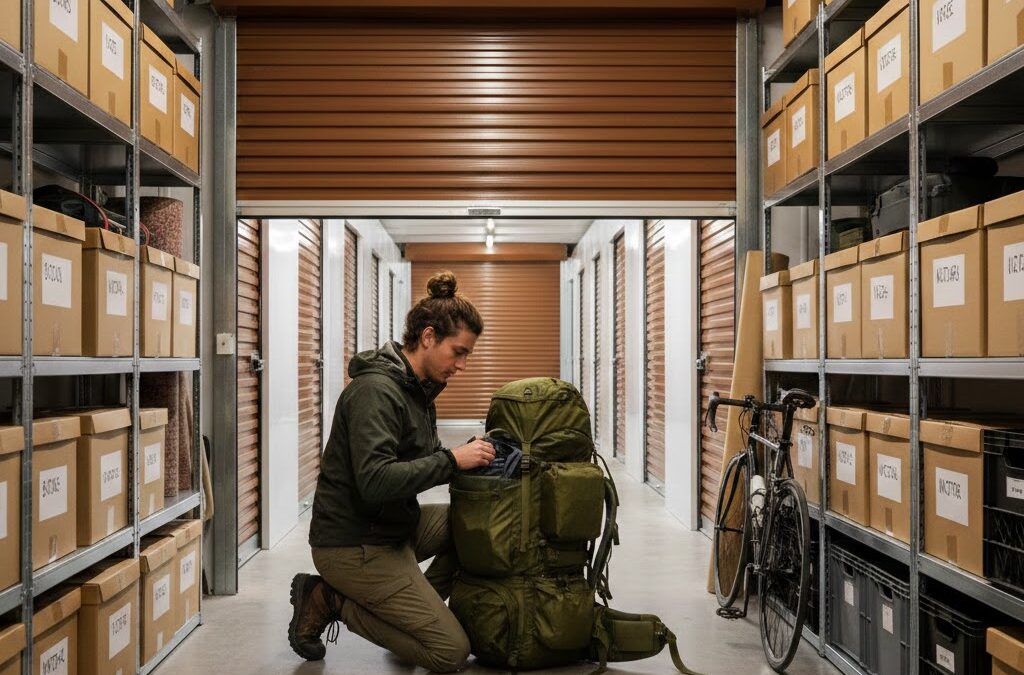
Planning a backpacking adventure for several months brings excitement and anticipation. Yet before you can truly embrace the freedom of life on the road, there’s a practical reality to address: what happens to everything you own back home? Backpacking storage prep isn’t just about finding somewhere to dump your belongings. It’s about creating a secure foundation that lets you travel with genuine peace of mind, knowing your possessions are protected and accessible when you return.
The challenge is clear. You’re simplifying your life to fit into a single rucksack, but first you need to deal with an entire household’s worth of belongings. Professional self-storage becomes the essential first step in effective long-term trip planning, offering the security and flexibility that friends’ spare rooms and garage corners simply can’t provide.
Why Extended Travel Demands a Professional Storage Solution
Leaving your home for months requires more than just locking the door and hoping for the best. Whether you’re vacating a flat, subletting your house, or temporarily relocating, you need a trusted solution that protects what matters most. Relying on makeshift arrangements rarely works out well.
Professional facilities offer protection that informal storage options can’t match. Your belongings stay safe from theft, damp, and environmental damage. The security measures, climate control, and access flexibility mean you’re not gambling with irreplaceable items whilst you’re exploring Southeast Asia or hiking through Patagonia.
Think of it like choosing between leaving your valuables in an unlocked shed versus a bank vault. Which option lets you sleep soundly in your hostel bunk? Personal storage solutions provide exactly this level of professional protection for everything from furniture to family heirlooms.
Decluttering Before You Pack Your Rucksack
Here’s where backpacking storage prep begins in earnest. Before sorting what to store, you need to decide what actually deserves storage space in the first place. This pre-trip declutter isn’t just practical – it’s liberating.
Walk through your home and honestly assess each item. Do you really need three winter coats when you’re heading to tropical climates for a year? Will those university textbooks from 2015 ever get opened again?
Sell what has value, donate what’s useful to others, and bin what’s genuinely rubbish. The fewer items you store, the smaller the unit you’ll need. Smaller units mean lower costs, which means more money for your travel fund. It’s a win all round.
Calculating Your Storage Requirements
Once you’ve decluttered, you can accurately assess how much space you actually need. For most backpackers, a small to medium unit handles the essentials perfectly well: some furniture, seasonal clothing, important documents, and personal effects. Don’t fall into the trap of renting a unit that’s too large just to avoid the effort of proper organisation.
If you’re storing the contents of an entire house or have bulky items like motorcycles or kayaks, container storage options offer excellent value with drive-up access that makes loading and unloading considerably easier.
Consider this analogy: choosing the right unit size is like packing your backpack for the trip itself. You wouldn’t take a 70-litre pack for a weekend jaunt, would you? Similarly, paying for excess storage space wastes money that could fund another month of travel.
Protecting What Matters Most
Let’s be honest – leaving your home for months or even a year can feel unsettling. The worry isn’t unreasonable. What happens to your grandmother’s jewellery? Your expensive camera equipment? Those irreplaceable photo albums from childhood?
These concerns deserve serious attention, particularly when you’ve invested years collecting things that hold genuine sentimental or financial value. Professional storage facilities address these worries with security measures that informal arrangements simply cannot provide.
Security Features That Actually Matter
The difference between adequate security and exceptional security often determines whether you enjoy your travels or spend them worrying about what’s happening back home. 24/7 CCTV monitoring means every corner of the facility stays under constant surveillance. Individually alarmed units alert staff immediately if anyone attempts unauthorised access. Secure gate access with unique entry codes ensures only authorised individuals can enter the premises.
Newbury Self Store implements these security standards as baseline requirements, not optional extras. This isn’t about creating fortress-level protection for everyday items – it’s about applying sensible, professional security measures that give you genuine peace of mind whilst you’re halfway around the world.
Climate Control for Sensitive Items
Britain’s weather is notoriously unpredictable. Hot, humid summers can warp wooden furniture and encourage mould growth. Cold, damp winters can damage electronics and rust metal items. If you’re storing anything sensitive to temperature or humidity fluctuations, climate control isn’t a luxury – it’s essential.
Antiques, electronics, important documents, musical instruments, and leather goods all benefit from stable environmental conditions. Consider the cost of climate control as insurance. Spending a bit extra now prevents returning home to find your possessions damaged beyond repair.
Take Sarah, for instance. She stored her vintage record collection and acoustic guitar in a standard unit before her eight-month trip through South America. When she returned, several records had warped in the summer heat, and her guitar’s neck had bowed slightly from humidity exposure. She’d saved £15 a month on storage but lost items worth hundreds. Don’t make the same mistake.
Storing Gear and Business Assets
Many backpackers aren’t just storing household items. If you’re a keen photographer, rock climber, or scuba diver, you’ve likely invested substantial money in equipment that’s too valuable to sell and too expensive to replace. Similarly, freelancers and small business owners can’t always shut down operations entirely during extended travel.
Keeping Your Adventure Gear Safe
Quality outdoor equipment represents a significant investment. Proper hiking boots cost £150 or more. A decent tent runs £300-£500. Add in sleeping bags, backpacks, climbing gear, or diving equipment, and you’re looking at thousands of pounds worth of kit.
Cramming all this gear into whatever storage corner you can find isn’t sensible. Using self-storage creates your own personal base camp – a dedicated space where everything stays organised, protected, and ready for action. You can access the unit during brief returns home to swap equipment between trips without disrupting anyone else’s space.
Business Continuity During Travel
Running a small e-commerce business or freelance operation doesn’t necessarily mean chaining yourself to an office. With proper long-term trip planning, you can maintain business continuity whilst exploring the world. Business storage solutions provide cost-effective space for stock, archives, and equipment without the expense of commercial property leases.
Store excess inventory, seasonal stock, or client archives safely whilst you work remotely from Bali or Buenos Aires. The flexibility of month-by-month rental agreements means you’re not locked into rigid contracts that don’t suit the nomadic lifestyle.
Packing and Preparation Essentials
Even the most secure facility can’t protect poorly packed belongings. How you prepare items before storage directly impacts their condition when you return. Take the time now to do this properly. Your future self will thank you.
Critical Packing Steps
Clean everything thoroughly before storage. Dirt, food residue, and moisture create perfect conditions for mould, mildew, and pest infestations. Wash clothing, wipe down furniture, and ensure appliances are completely dry inside and out.
Create a detailed inventory. List everything you’re storing, ideally noting which box contains each item. This catalogue becomes invaluable when you return and need to locate specific belongings quickly. It’s also essential documentation if you need to make an insurance claim.
Use quality packing materials. Flimsy cardboard boxes and inadequate padding lead to damaged items. Invest in proper supplies – sturdy boxes, sufficient bubble wrap, packing paper, and strong tape. You can find everything needed, from boxes to protective materials, at the packaging shop.
Disassemble furniture sensibly. Take apart bed frames, remove table legs, and separate shelving units. This saves space and reduces the risk of damage during storage. Keep all screws, bolts, and assembly instructions together in clearly labelled bags taped to the relevant furniture piece.
Store items strategically within the unit. Place frequently needed items near the front. Stack boxes with heavier items at the bottom and lighter ones on top. Leave narrow walkways between stacks so you can access items at the back without dismantling everything.
Items That Require Special Attention
Certain belongings need extra care during backpacking storage prep. Electronics should be removed from their boxes and wrapped individually to prevent screen damage. Books require dry, stable conditions to prevent pages yellowing or binding deteriorating. Leather furniture benefits from conditioning before storage to prevent cracking.
Don’t store anything flammable, perishable, or illegal. This sounds obvious, but it’s worth stating clearly. Paint, petrol, food, and similar items create safety hazards and typically violate storage facility terms.
Managing Your Return Journey
You’ve had the adventure of a lifetime. You’ve seen incredible sights, met fascinating people, and collected memories that’ll last forever. Now it’s time to come home and reintegrate into everyday life. But what if your housing situation hasn’t quite sorted itself out yet?
Perhaps your sublet arrangement ended earlier than expected. Maybe you need a few weeks to finalise a new lease or complete renovation work on your property. This transitional period is where flexible storage proves its worth once again.
The Flexibility You Need
Short-term flexibility transforms what could be a stressful return into a manageable transition. You can retrieve essential items immediately – clothing, electronics, important documents – whilst keeping furniture and larger belongings safe until you’ve secured permanent accommodation.
Consider James and Emma’s situation. They spent eleven months backpacking through Asia and needed two weeks after returning to finalise their new flat rental. Rather than rushing into the first available property or imposing on family with all their belongings, they collected essentials from their storage unit whilst leaving furniture safely stored. When their move-in date arrived, everything transferred smoothly to their new home. No stress, no compromises, no damaged items from hasty temporary arrangements.
This flexibility extends to adjusting your storage needs as circumstances change. Need to downsize to a smaller unit? Want to extend for another few months? Professional facilities accommodate these changes far more easily than informal storage arrangements with friends or family.
Taking the First Step
Effective long-term trip planning means addressing practical realities alongside dreaming about destinations. Securing proper storage isn’t just ticking a box on your pre-travel checklist – it’s creating the foundation that lets you travel freely without constant worry about what’s happening back home.
The process doesn’t need to be complicated. Assess what you’re storing, choose the right unit size, pack everything properly, and then get on with enjoying your travels. When you return, everything will be exactly where you left it, in the condition you left it, ready for the next chapter of your life.
Ready to sort your storage and focus on the exciting parts of trip planning? Contact the team for personalised advice about unit sizes, security features, and flexible rental terms that match your travel timeline.