
 01635 581 811
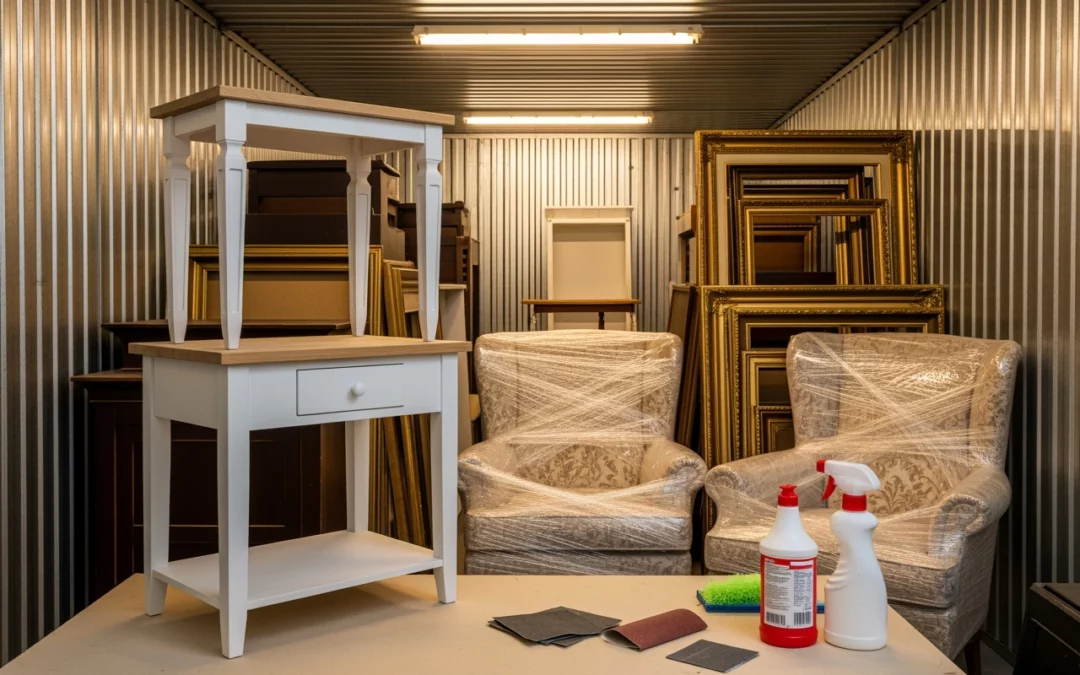
The second-hand furniture market has exploded over the past five years, with platforms like Facebook Marketplace and eBay creating unprecedented opportunities for savvy resellers. What started as weekend car boot finds has evolved into legitimate businesses turning over thousands monthly. Yet the biggest obstacle most furniture flippers face is not finding stock or customers; it is where to store everything between purchase and sale.
Running a furniture resale business from your garage works beautifully until it does not. One day you are managing three pieces comfortably, the next you are navigating an obstacle course to reach your car, and your partner is questioning whether that Victorian dresser really needs to live in the dining room. The transition from casual flipper to serious reseller demands a fundamental shift in how you handle inventory, and that is where the furniture flipping storage unit becomes essential.
Why Furniture Flippers Need Dedicated Storage Space
Most furniture flippers I have encountered follow a similar trajectory. They start small, perhaps refinishing a single piece in the garden shed, then gradually accumulate more inventory as they recognise the profit potential. Within months, their home resembles a furniture showroom rather than a living space, and family patience wears thin.
The issue is not just about physical space. It is about managing a proper business workflow. When you are operating a furniture flipping storage unit, you create distinct zones for different stages: pieces awaiting restoration, items mid-project, and finished stock ready for sale. This separation prevents the chaotic mixing that leads to damaged inventory and missed profit opportunities.
Think of your storage operation like a restaurant kitchen. Chefs do not prep vegetables in the same space they plate desserts because cross-contamination ruins dishes. Similarly, storing sanded furniture next to freshly painted pieces risks dust contamination that costs you hours of rework. A dedicated furniture flipping storage unit lets you segregate inventory by project stage, protecting your time investment and profit margins.
Professional storage also solves the timing mismatch between buying and selling. You might spot an incredible deal at an estate sale in January but know that mid-century sideboards sell best in March. Without storage, you either pass on profitable purchases or clutter your home for months. A storage unit becomes your business warehouse, letting you buy opportunistically and sell strategically.
The Financial Impact of Storage on Your Flipping Business
Sarah, a furniture flipper from Reading, calculated that storing seven pieces in her spare bedroom cost her approximately £340 monthly in opportunity cost. She could have rented that room to a lodger but instead filled it with furniture awaiting restoration. When she moved her inventory to a furniture flipping storage unit, her monthly outlay dropped to £120 for a unit that held twelve pieces comfortably, and she gained £600 monthly rental income. The maths was straightforward; she had been losing £220 every month by avoiding what seemed like an unnecessary expense.
Insurance presents another hidden cost of home storage. Most household policies exclude business inventory or cap coverage at levels far below the value of quality furniture stock. A single water leak or break-in could wipe out months of profit. Commercial storage facilities include security measures and often offer insurance options specifically designed for business inventory.
The return on investment calculation for a resale business self storage unit should factor in velocity, not just holding costs. If storage lets you turn inventory 30% faster because you have proper workspace for restoration, the monthly fee pays for itself through increased sales volume. Consider also the professional image factor. Meeting buyers at a storage facility looks considerably more legitimate than inviting strangers to your home address.
What to Look for in a Storage Unit for Furniture Resale
Size requirements vary dramatically based on your business model. A flipper specialising in small accent pieces might thrive in a 50 square foot unit, whilst someone dealing in dining sets and wardrobes needs 150 square feet minimum. Calculate your space needs by considering not just current inventory but your purchasing rhythm, adding 30% buffer for growth and project staging.
Access flexibility matters enormously for furniture flippers. Estate sales happen on weekends, house clearances get scheduled at odd hours, and buyers want to collect purchases at times convenient for them. Restricted access times create artificial constraints that cost you sales and purchasing opportunities.
Climate control becomes critical if you are dealing with quality furniture rather than purely functional pieces. Solid wood expands and contracts with humidity changes, veneers lift in damp conditions, and upholstery develops mould in poorly ventilated spaces. For flippers working with higher-end pieces, climate control is essential business protection, not a premium add-on.
Organising Your Furniture Flipping Storage Unit for Maximum Efficiency
The most successful furniture flippers treat their storage unit like a workshop, not a dumping ground. Designate specific zones: one area for incoming stock requiring assessment, another for pieces mid-restoration, and a third for completed inventory ready for photography and sale. This systematic approach prevents the frustrating situation where you cannot remember which dresser you had already sanded.
Inventory tracking transforms from optional to mandatory once you are managing more than five pieces simultaneously. A simple spreadsheet noting purchase date, cost, restoration expenses, listing date, and sale price provides invaluable business intelligence. I have watched flippers lose track of costs and accidentally sell pieces at a loss because they did not maintain proper records.
Photography staging deserves dedicated space within your furniture flipping storage unit. Set up a corner with good lighting, neutral backdrop options, and enough clearance to photograph pieces from multiple angles. Having a consistent setup in your storage unit means you can photograph new inventory immediately rather than waiting until you can clear space at home. This accelerates your listing timeline and improves cash flow significantly.
Scaling Your Furniture Flipping Business with Storage
The transition from hobby flipper to serious business operator hinges largely on inventory capacity. When you are limited to three pieces at a time, you are essentially running a side hustle. Expand to fifteen or twenty pieces in rotation, and you have built a business capable of generating substantial income.
Many successful flippers operate multiple revenue streams from a single storage unit. Beyond buying and selling, they offer furniture restoration services, rent pieces to property stagers, or run upcycling workshops. Newbury Self Store provides the flexible space that supports these diversified business models, with terms that adapt as your operation evolves rather than locking you into rigid contracts unsuited to seasonal businesses.
Seasonal fluctuations affect furniture resale significantly. December and January typically see slower sales but excellent buying opportunities. Spring and early autumn bring peak selling periods as people refresh their spaces. Dedicated business units let you capitalise on these patterns, buying heavily during slow periods when prices are low and holding inventory until demand peaks.
Partnership opportunities also emerge once you have proper storage infrastructure. Two flippers might share a larger unit, splitting costs whilst maintaining separate inventory. Outdoor equipment storage container units work particularly well for flippers specialising in garden furniture, offering drive-up access that simplifies loading bulky pieces and providing weather protection during restoration.
Managing Different Furniture Categories in Storage
Upholstered furniture requires different handling than solid wood pieces. Fabric attracts dust, absorbs odours, and provides habitat for insects if stored improperly. Wrap upholstered items in breathable furniture covers rather than plastic, which traps moisture and encourages mould growth. Elevate pieces on pallets or blocks to ensure air circulation underneath.
Large case goods like wardrobes and bookcases present logistical challenges but often yield the highest profits. Secure tall items to walls using straps, and never stack heavy objects on top of furniture you plan to sell. Small décor items and accessories deserve organised storage within your unit. Use clear plastic bins labelled by category: handles and hardware, decorative elements, cushions and soft furnishings. A dresser missing its original handles loses character; one with beautifully restored period-appropriate hardware commands premium prices.
Protecting Your Inventory Investment
Security concerns keep many flippers awake at night, particularly when they have invested heavily in stock awaiting restoration. Quality storage facilities offer multiple security layers: perimeter fencing, individually alarmed units, CCTV coverage, and controlled access systems. These features protect your business assets far more effectively than keeping inventory at home.
Packaging for moves materials including furniture blankets, corner protectors, and shrink wrap prevent damage during storage and transport. The £50 you spend on proper packing materials prevents the £200 loss when a table gets scratched during delivery. Photograph every piece from multiple angles when it enters your storage unit, and maintain detailed condition notes. If you need to make an insurance claim, comprehensive documentation substantiates your inventory value and condition.
Building Systems That Support Growth
Successful resale business self storage operations run on systems, not hustle. Create standard operating procedures for intake, restoration, and sales. Time blocking transforms productivity: dedicate Tuesday mornings to photographing completed pieces, Thursday afternoons to restoration work, and Saturday mornings to meeting buyers. This approach reduces travel time and creates predictable rhythms that improve efficiency.
Supplier relationships matter enormously in furniture flipping. Develop connections with house clearance companies, estate sale organisers, and auction houses who can alert you to upcoming opportunities. When these contacts know you have storage capacity and can purchase immediately, you get first access to quality stock before it reaches public sale.
Rent personal space in a unit adjacent to your main storage area if your business grows to the point where separating restoration work from finished inventory improves your workflow. This two-unit model, one for active projects and one for display-ready pieces, is a natural evolution for flippers transitioning from part-time to full-time operation.
Making Storage Work for Your Specific Business Model
High-volume, lower-margin flippers need different storage solutions than those specialising in premium restoration pieces. If you are turning 20 pieces monthly at £50 to £100 profit each, prioritise affordable storage with excellent access over climate control. Conversely, flippers working with antiques or designer pieces require climate-controlled space and enhanced security.
Operating a furniture flipping storage unit successfully is not about having the most sophisticated setup from day one. It is about choosing the right size, access terms, and environmental features for your specific product mix and business stage, then building the systems that let you scale. The flippers who thrive long-term recognise that storage is not an expense; it is infrastructure investment that enables everything else in their business to function effectively.
Call 01635 581 811 or contact us to discuss unit options tailored to your furniture resale operations.