
 01635 581 811
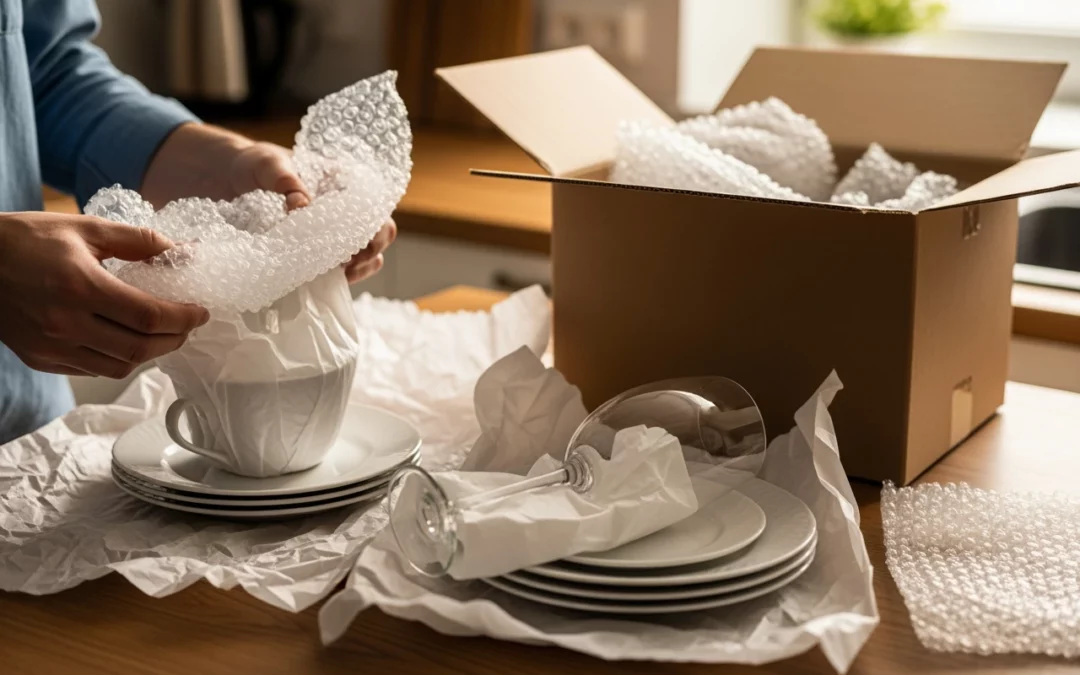
Fragile items represent some of the most challenging belongings to store safely. A single moment of carelessness can transform a cherished dinner service into a box of shards, erasing both monetary value and irreplaceable memories. The difference between china that emerges pristine and pieces that arrive cracked lies entirely in how carefully you approach packing china for storage.
The stakes climb higher when you consider the actual value at risk. A quality bone china dinner set can cost hundreds or thousands of pounds, whilst antique glassware often carries both financial worth and sentimental significance that cannot be replaced. Temperature shifts, vibration during transport, and the simple pressure of stacked boxes all threaten inadequately protected ceramics and glass. Getting the approach right from the start is far easier than dealing with the consequences of getting it wrong.
Why Proper Packing Matters for Fragile Items
I once helped a customer retrieve her grandmother’s wedding china after eighteen months in storage. She had wrapped each piece in newspaper and stacked the plates flat in standard cardboard boxes, assuming that would suffice. When we opened the first box, the sound of shifting fragments told the story before we even looked inside. Nearly forty percent of the set had developed hairline cracks or outright breaks.
The physics working against fragile items in storage are relentless. Boxes settle over time as cardboard compresses slightly under weight. Items shift during any movement, whether that is the initial transport or simple building vibrations. Ceramic and glass possess virtually no flexibility. Unlike fabric or plastic, they cannot absorb impact or bend under pressure. This brittleness means that any point of contact between hard surfaces creates a potential failure point.
Think of proper packing like building a suspension bridge for each item. The wrapping materials create a buffer zone that absorbs movement and distributes pressure across the entire surface rather than concentrating force at contact points. This engineering approach transforms fragile items into protected cargo that can withstand months or years of storage when packing china for storage is done correctly.
Essential Materials for Packing China and Glassware
Quality packing materials make the critical difference between successful storage and expensive losses. Standard moving boxes lack the structural integrity needed for heavy, fragile loads. Purpose-built dish boxes feature double-wall construction and reinforced corners that prevent collapse under stacking pressure.
Bubble wrap provides superior protection for china and glassware compared to alternatives. Choose bubble wrap with 10mm bubbles for most items, upgrading to 20mm bubbles for particularly valuable or delicate pieces. Packing paper serves multiple functions: unprinted newsprint or butcher paper works for wrapping individual pieces and filling void spaces, but avoid printed newspaper entirely as the ink transfers onto light-coloured china during long-term storage.
Cell dividers transform standard boxes into organised compartments that prevent items from touching each other. For all your quality moving boxes and packing supplies, sourcing everything from one specialist supplier simplifies preparation and ensures materials are matched to the task. Heavy-duty packing tape should reinforce the bottom of each box in an H pattern before a single item goes in.
Preparing Your Items Before Packing
Clean every piece thoroughly before packing. Residual food particles or liquids attract pests and can cause staining during storage. Wash china and glassware with warm soapy water, rinse completely, and dry each item with a lint-free cloth. Even microscopic food residue becomes problematic over months of storage.
Inspect each piece carefully during cleaning. Note any existing chips, cracks, or weak points. Damaged items require extra padding and should never bear weight from other pieces. Sort items by type, size, and fragility before beginning the packing process. This organisation streamlines packing and makes unpacking far more efficient when you eventually retrieve your items.
Step-by-Step Packing Process for Plates and Dishes
Start by creating a cushioning base in your box. Crumple packing paper to form a layer at least 5cm deep across the entire bottom. This foundation absorbs shock and prevents the bottom layer of plates from bearing directly on the cardboard.
Wrap each plate individually, regardless of size. Place the plate face-down in the centre of a sheet of packing paper or bubble wrap. Bring the corners up and over the plate, tucking edges to create a secure bundle. Add a second layer of wrapping for fine china or antique pieces.
Pack plates vertically on their edges rather than stacked flat. This orientation distributes weight more evenly and significantly reduces pressure on individual pieces. The vertical method mimics how plates sit in a dish rack, a position they are designed to handle. Fill gaps between wrapped plates with crumpled packing paper, and never exceed 15kg per box when packing china for storage.
Packing Glassware and Stemware Safely
Glassware demands even more careful handling than china due to thinner walls and delicate stems. Place crumpled paper or bubble wrap inside the bowl of each glass to provide internal support. This stuffing prevents the glass from collapsing inward if external pressure develops. Wrap the exterior with bubble wrap, paying special attention to the rim where chips most commonly occur.
Stems require dedicated protection. For wine glasses and goblets, create a paper collar around the stem before wrapping the entire piece. This reinforcement prevents the most common failure point from snapping under pressure or impact. Cell dividers prove invaluable here, keeping glasses separated and upright with the rim facing up in each individual compartment.
For sturdy tumblers and everyday glassware, the bundle method works well. Wrap three to four glasses together in a bundle, ensuring each has paper between it and its neighbours. This technique is suitable only for glasses of similar size and shape, and should never be used for stemware or delicate crystal.
Protecting Teacups, Saucers, and Serving Pieces
Teacups present unique packing challenges due to their handles. Never pack teacups nested inside each other, as this concentrates stress on the handles and rims. Wrap each cup and saucer separately, creating a small cushion of bubble wrap specifically around the handle before wrapping the entire cup.
Serving pieces like platters, gravy boats, and tureens often feature irregular shapes that complicate packing. Wrap these items generously with multiple layers of bubble wrap. Lids require separate wrapping and should never be left on their bases during packing. The different expansion rates of lid and base during temperature changes can cause one or both pieces to crack. Wrap lids individually and pack them near their matching bases, but not in direct contact.
Labelling and Organisation Systems
Comprehensive labelling transforms the unpacking process from an archaeological dig to an organised retrieval. Mark each box clearly on multiple sides with its contents and handling requirements. Write “FRAGILE” in large letters on all four sides and the top of every box containing china or glassware.
Create a numbering system that corresponds to a master inventory list. Include orientation requirements on boxes with “THIS SIDE UP” arrows to prevent handlers from inverting boxes and disturbing carefully arranged contents. Colour-coded labels add another organisational layer, using different coloured tape or stickers for everyday dishes, fine china, and glassware respectively.
Loading and Storing Packed China
Strategic placement within your storage unit determines whether your packing efforts succeed long-term. Never position boxes of fragile items on the floor where moisture risk is highest and accidental kicks are most likely. Elevate china and glassware on pallets or shelving at least 15cm above floor level.
Place fragile boxes against stable walls rather than in traffic paths. Stack boxes of similar size together, always positioning the heaviest boxes on the bottom and lightest on top. Limit stack height to three boxes maximum for china and glassware, even with sturdy dish boxes. Never store anything on top of boxes marked fragile, regardless of how sturdy they appear.
Newbury Self Store provides climate-controlled environments that protect fragile items from the temperature extremes and humidity fluctuations that threaten china and glassware. Consistent conditions prevent the expansion and contraction cycles that contribute to cracking and crazing over extended storage periods.
Advanced Protection for Valuable Collections
Antique china and crystal collections warrant additional protective measures. Consider double-boxing particularly valuable items: pack and seal the primary box, then place it inside a larger box with 5cm of cushioning material on all sides. Photograph valuable pieces before packing to document condition and aid any insurance claims.
Silica gel packets control moisture inside sealed boxes, preventing the humidity that can damage gilding and cause crazing in glazes. For museum-quality pieces or extremely valuable collections, acid-free tissue paper and archival-quality boxes prevent chemical reactions that can damage delicate glazes and decorations over years of storage.
For businesses storing catering equipment, restaurant sets, or hospitality supplies, reliable archive solutions in dedicated storage units keep inventory organised and retrievable without the damage risk of warehouse stacking. Having a systematic approach means staff can access what they need quickly without disturbing surrounding stock.
Seasonal and Rotating Storage Strategies
Many households store seasonal china and serving pieces that only emerge for holidays or special occasions. Pack these items in clearly labelled boxes that can be easily accessed when needed. For collections requiring frequent seasonal retrieval, convenient large units with drive-up access make moving boxes in and out far more manageable.
Wedding china and heirloom pieces often spend years in storage between uses. For these long-term storage situations, inspect items annually if possible. This regular checking catches any developing problems before they become severe and provides opportunities to refresh packing materials if they have deteriorated.
Protecting Memories and Value
Packing china for storage requires methodical attention to detail and quality materials, but the investment of time and effort protects both financial value and cherished memories. Each properly wrapped plate and carefully cushioned glass represents items that will emerge from storage in the same pristine condition they entered. The vertical packing method, adequate cushioning, proper boxing, and strategic storage placement work together to defeat the physical forces that threaten fragile items.
Whether you are storing everyday dishes during a house move, protecting fine china between uses, or safeguarding a valuable collection long-term, these techniques provide the protection fragile items demand. Learning how to store glassware safely alongside your china using the same systematic approach doubles your efficiency without compromising standards.
The peace of mind that comes from knowing your belongings are properly packed and safely stored proves worth every minute spent wrapping and cushioning. Your future self, retrieving pristine pieces months or years from now, will confirm it.
For expert advice on protecting your fragile items and selecting the right storage solution, call 01635 581 811 or contact us to discuss your specific requirements.