
 01635 581 811
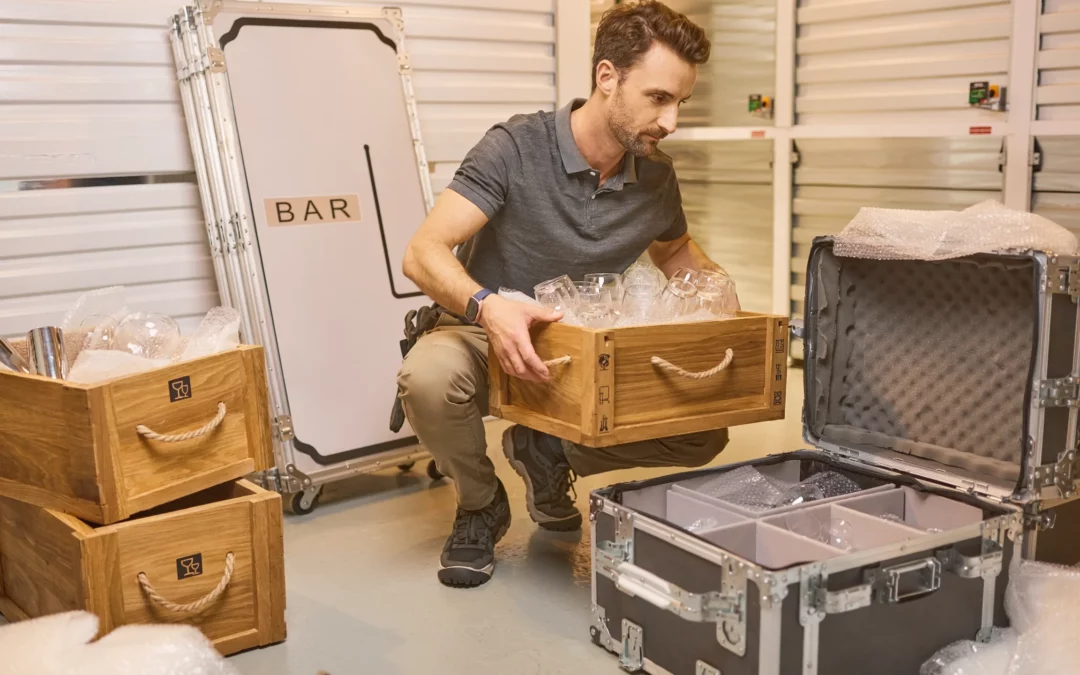
You’ve done the hard part: secured the bookings, built the brand, invested in the kit. Then you load everything into a damp garage, a spare room, or the back of a van, and hope for the best. For pop-up bar operators, poor bar equipment storage between events is one of the most preventable causes of lost revenue, and one of the most overlooked.
Most pop-up operators hold £5,000 to £15,000 worth of glassware alone, before counting refrigeration units, POS systems, or specialist kit. Finding proper pop-up bar storage in Newbury isn’t just a convenience; it’s the difference between a business that runs smoothly and one that haemorrhages money between bookings. Poor storage compromises hygiene, voids warranties, and creates insurance problems at the worst possible moment.
The True Cost of Inadequate Storage
Glassware breaks at predictable rates. Bars typically lose around 8% of their glass inventory each year through normal use. That figure can double or triple when glassware storage conditions are poor, whether from temperature swings, moisture, or unstable stacking.
Storing wine glasses in a damp garage is a common mistake. Condensation causes permanent water spots. Wet cardboard collapses under weight, taking entire shelves of stemware with it. One operator in Reading lost £1,800 worth of glassware this way, only to find that their insurer excluded “improper storage” claims.
Equipment faces its own threats. Refrigeration units in freezing conditions develop compressor damage. Coffee machines in humid spaces grow mould inside water lines. POS tablets fail when condensation forms inside sealed cases. These aren’t sudden disasters; they’re slow, silent problems that tend to surface on your busiest event weekend.
What Pop-Up Bar Equipment Actually Needs
Temperature consistency matters more than the actual temperature. A unit kept at a steady 15°C holds up far better than one cycling between 5°C and 25°C each day. This applies across the board, from hydraulic bar systems to payment terminals.
Humidity is equally important. Glassware storage requires dry conditions to avoid permanent spotting and surface damage. Metal equipment corrodes in damp air. Linens and branded materials develop mildew when moisture builds up. The safe range sits between 40% and 60% relative humidity, which protects most materials at once.
Security needs also depend on what you’re storing. A basic setup worth £8,000 has different requirements than a premium operation carrying £30,000 in specialist equipment. Both benefit from commercial storage units that address their specific risk profiles, but the level of access control, insurance cover, and security features will vary considerably.
Glassware Storage: Beyond Bubble Wrap
Professional packers use a three-layer approach for stemware. Start with acid-free tissue paper to prevent chemical reactions that cause clouding. Add bubble wrap for impact protection. Then use cell dividers inside sturdy boxes to stop glasses touching each other during movement.
How you stack matters just as much. Heavy items go at the bottom: pint glasses, rocks glasses, and tumblers. Wine glasses sit in the middle. Champagne flutes and delicate specialty pieces go on top, away from any crushing pressure.
Overpacking is the most common mistake. A box of 48 wine glasses is a breakage risk waiting to happen. Professionals cap boxes at 24, even when more would physically fit. Stocking up on packing supplies and sturdy boxes before you start makes the whole process more consistent and cuts breakage during handling significantly.
Protecting High-Value Bar Equipment
Refrigeration units need proper preparation before going into storage. Defrost and empty them fully, then leave the doors slightly open to prevent mould. Remove shelving separately to avoid pressure cracks. Photograph the unit beforehand, including any existing marks, in case you need to make an insurance claim later.
Coffee machines need even more care. Flush all water lines to remove residual moisture, which causes bacteria and internal corrosion. Store detachable bar equipment parts such as portafilters, steam wands, and drip trays separately. Use breathable fabric to cover the unit, not plastic, which traps moisture. One operator discovered this the hard way when a £3,500 espresso machine came out of storage with corroded boiler elements.
Electronics need a dry, stable environment without exception. POS tablets, card readers, and sound systems all fail under extreme conditions or prolonged damp. Use original packaging wherever possible, as it’s designed with the right cushioning and moisture barriers. Always remove batteries before long-term storage; they leak and cause damage that can’t be undone.
Inventory Management Between Events
A basic tracking system makes a real difference. Keep a spreadsheet with item descriptions, quantities, conditions, and storage locations. Photograph each packed box and label it with an inventory number. This takes about 30 minutes to set up and saves hours of searching in the days before an event.
Rotate your event equipment stock regularly, especially items with expiry dates. Syrups, bitters, and garnishes need routine checks. Disposables like napkins and straws should follow a first-in, first-out system. Even non-perishables benefit from rotation, since packaging degrades and promotional materials go out of date.
Accurate records are your best loss prevention tool. When you know exactly what went into storage, any discrepancy is immediately visible. This deters theft, speeds up loss identification, and gives you solid documentation for insurance purposes. Count everything in after each event, verify everything out before the next, and follow up any gaps straight away.
How Professional Storage Transforms Pop-Up Bar Operations
Newbury Self Store is a modern, secure, dry facility purpose-built for exactly this kind of need. CCTV, a monitored alarm system, and reinforced steel shutters protect your bar equipment around the clock, while being open seven days a week fits around the varied schedules that event businesses deal with.
Your access needs will shift throughout the event cycle. Sometimes you need a quick in-and-out for a small job. Other times you need a longer visit for inventory checks and major event prep. Shipping container storage in Newbury is available for operators who need to collect or drop off kit at any hour, and the ground-level access makes loading bulky items such as refrigeration units and bulk glassware far more straightforward. Think of it as a dedicated backstage area that’s always available: your equipment sits securely, organised as you left it, ready when you need it.
Scale Flexibility for Growing Operations
A single wedding bar might fit in a small indoor unit. Corporate contracts often need space for duplicate event equipment sets. Seasonal businesses need room to expand during peak periods and scale back when things are quieter. That flexibility stops you paying for unused space while ensuring capacity is there when you need it.
Personal storage units offer a straightforward, affordable starting point if you simply need secure storage for a modest amount of kit between events. As your bookings grow and your kit list expands, moving into a dedicated business unit is simple. Your storage costs stay in line with your actual trading volume rather than overly optimistic forecasts.
The Real-World Impact of Proper Storage
Sarah runs a premium cocktail bar service across events from Newbury to Oxford. She stores 400 pieces of glassware, two portable bar units, and £12,000 worth of equipment between her 60 annual events. In her first year, she relied on garage storage and lost £2,000 in broken glassware. She then moved to secure storage in Newbury and the difference was immediate.
Three years on, her breakage rate is at industry-standard levels. Her equipment stays in good condition. The pre-event panic of finding damaged stock is gone entirely.
The benefits go beyond avoiding replacement costs. Her insurance premiums dropped once she could demonstrate proper storage practices. Clients became more confident knowing she could guarantee equipment condition. She now takes last-minute bookings with ease, because her kit is always event-ready rather than needing emergency repairs or cleaning. Over time, storage costs became an investment rather than an overhead.
Protecting Your Investment Between Events
Pop-up bar businesses live or die by equipment reliability and presentation. Your glassware, refrigeration units, and technical kit represent a serious investment. They deserve secure storage that matches their value.
Pop-up bar storage in Newbury isn’t a luxury for high-end operators. It’s a practical step that protects your assets, upholds hygiene standards, and supports growth. The gap between poor and professional glassware storage shows up in breakage rates, equipment lifespan, and how reliably your operation runs.
When every event needs to go perfectly, what happens between events matters just as much. Proper pop-up bar storage in Newbury turns equipment management from an ongoing worry into a solved problem, freeing you to focus on the creative and client-facing work that builds your reputation.
To find out how we can protect your bar equipment between events, call 01635 581 811 or speak with our team for a no-obligation conversation about the right unit size for your operation.