
 01635 581 811
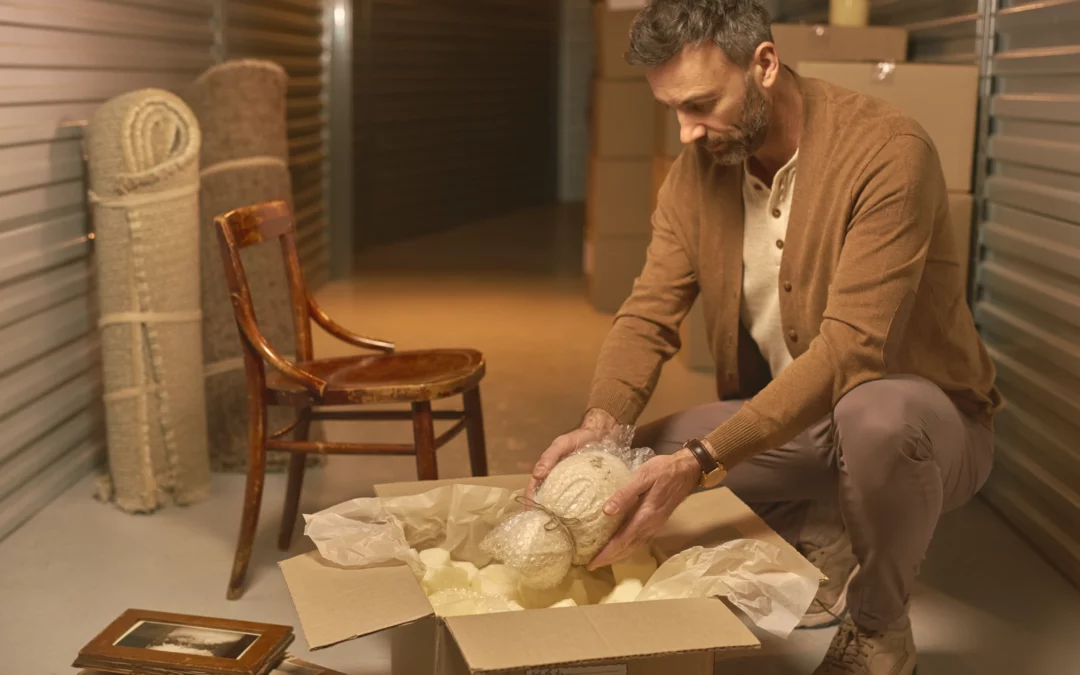
Nobody tells you that grief comes with a deadline. The property needs clearing, the estate needs settling, and everyone around you expects decisions, even when you’re not remotely ready to make them. That tension between doing what’s practical and protecting what’s meaningful is one of the hardest parts of losing someone close.
Most people aren’t ready to make permanent decisions about inherited items within weeks of a bereavement. You might not have room for your grandmother’s dining suite or your father’s book collection. Perhaps your siblings need time to decide who keeps what, or you’re not sure which items have real value. This uncertainty is completely normal, and it’s exactly why proper storage becomes so important during this period.
Inherited items aren’t just objects. They’re connections to people you’ve lost and reminders of your shared history. Rushing these decisions, or storing things carelessly, can lead to regret, damage, or family conflict that lasts for years. What you need is a safe place to breathe, think clearly, and protect the things that might one day become treasured heirlooms.
Understanding the Value of Inherited Items
Inherited possessions are rarely straightforward. That worn armchair might mean nothing to an antiques dealer but everything to you. On the other hand, something that looks ordinary could turn out to be genuinely valuable once you’ve had time to research it. The weeks after a bereavement are not the right time to be making those calls.
I once worked with a family who nearly threw out boxes of what they thought were old magazines. It turned out they were rare first editions worth thousands. They’d stored everything temporarily whilst dealing with probate, which gave them the breathing space to sort properly rather than rushing to meet the estate agent’s deadline.
Beyond the financial side, the emotional weight of inherited items can be overwhelming. You might feel guilty about letting things go, or equally guilty about holding on to too much. Family members often disagree about what matters, and those disagreements can strain relationships at an already difficult time. Proper storage takes the pressure off and gives everyone space to grieve before tackling the practical side.
Time helps more than most people expect. Items that feel essential in the first raw days of grief can look very different six months later. Others grow in importance as you reflect. Storage gives you that perspective without forcing a decision you’re not ready to make.
Why Inherited Items Need Specialised Storage
Family heirlooms need more than a damp garage or a cluttered spare room. Many inherited items are old and delicate, and they can deteriorate quickly in the wrong conditions. Wood warps with temperature changes. Photographs fade in sunlight and humidity. Textiles attract moths and mildew. Documents go brittle. Storing these things properly isn’t about being fussy; it’s about protecting irreplaceable items from permanent damage.
The storage environment matters more than most people realise. Dry, indoor units help protect against moisture damage, mould, and the damp conditions that cause fabric and paper to deteriorate. If you want items to survive until you’re ready to decide their fate, keeping them somewhere dry and secure makes a significant difference.
Security is just as critical. Inherited items often include jewellery, silverware, artwork, or collectables with real monetary value. Even if you’re unsure what you’re keeping long term, you need to know they’re safe in the meantime. Good storage facilities go well beyond what a home can offer, with CCTV, a monitored alarm system, and reinforced steel shutters as standard.
Think of proper storage like a pause button for your inheritance. It holds everything safely in place whilst you deal with the emotional and practical challenges of bereavement, probate, and family coordination. You’re not committing to anything; you’re simply protecting your options.
Common Inherited Items That Benefit from Storage
Inherited furniture is one of the most common storage challenges. Dining sets, bedroom suites, bookcases, and upholstered pieces take up a lot of space. You might want to keep them but have no room right now, or you might be waiting to move somewhere larger. For larger pieces that won’t fit indoors, ground-level shipping container units provide the extra space needed, with easy access for loading and unloading.
Artwork and photographs need particular care. Framed pictures, paintings, and photo albums break down quickly in poor conditions. Light, humidity, and temperature swings cause fading, warping, and mould. Many families find that inherited photo collections grow in value over time, especially when they’re the only visual record of earlier generations.
Documents and family records are easy to overlook, but they often matter most. Birth certificates, property deeds, old letters, and military records help piece together a family’s history. If there is a significant volume of paperwork to manage, dry storage for paperwork and records provides an organised space to hold those documents until they can be sorted properly. These papers are fragile and irreplaceable, so dry and stable conditions are essential.
Collections bring their own complications. Stamps, coins, vinyl records, model trains, vintage tools; inherited possessions like these can be extensive and surprisingly valuable. The original collector’s enthusiasm might not transfer to you, but the monetary worth or sentimental value to other family members could be significant. Proper storage keeps collections intact and organised whilst you work out what to do with them.
Vintage clothing and textiles carry a lot of emotion. Wedding dresses, military uniforms, quilts, and heirloom linens are meaningful but fragile. Moths, mildew, and improper folding can ruin fabric within months. Dry, secure storage with appropriate packing keeps these family heirlooms in good condition until you’re ready to decide their future.
The Practical Side of Storing Family Heirlooms
Good packing is the difference between items that survive storage and those that don’t. Inherited furniture needs covering to prevent scratches. Fragile items need solid protection. Having the right supplies to hand makes a real difference; bubble wrap, boxes, and packing tape are all available in-store and help protect items throughout their time in storage. Packing carefully is also a simple way to show respect for what you’ve inherited.
Keeping a clear inventory is crucial, especially when several family members have an interest in what’s stored. Detailed lists with photographs help everyone keep track of what’s there and where it is. This documentation also prevents disputes, simplifies fair distribution, and serves as evidence for insurance if something goes wrong.
Easy access matters more than you might think. You’ll likely need to retrieve specific items from time to time, whether to show a family member, display something seasonally, or simply reassess. Storage that lets you get in and out without disrupting everything else saves a lot of stress. Some items will naturally move between storage and your home as you gradually work out what fits your life.
Estate settlement can take months, or even years, in more complex probate situations. Throughout that period, inherited items need a safe place to wait whilst legal and financial matters are resolved. Storage provides exactly that, protecting assets until you have clear ownership and can make permanent decisions.
How Professional Storage Supports Your Decisions
The biggest benefit of storage is the time it gives you. Without the pressure of deadlines or space constraints, you can research items properly, speak with family members, and genuinely think about what you want to keep. This measured approach is far better than making rushed choices under stress, choices you may later regret.
Organisation also becomes much more manageable. Rather than cramming everything into already-full rooms, you can sort items by category, family member, or decision timeline. Tackling an inheritance in smaller, organised stages is far less overwhelming than facing it all at once.
Newbury Self Store understands that inherited items are more than things needing storage; they’re family history that deserves proper care. Dry, secure indoor units help protect delicate heirlooms from moisture and damage. Flexible rental terms mean you’re not locked in before you know how long you’ll need. Strong security measures keep valuable inherited items safe throughout the entire decision-making process.
As your situation evolves, so can your storage arrangement. You might start by storing everything, then gradually remove items as decisions get made. Perhaps you’ll move somewhere larger and reclaim the furniture. Maybe a family member will take a piece once their own living situation settles. Flexible storage adapts to all of this without complication.
When you’re ready, a personal self-storage unit sized to your needs gives you real control at every stage, whether short or long term.
Making Storage Work for Your Family
Dividing an inheritance between siblings and relatives can be sensitive. A neutral storage space helps by removing the impression that any one person is controlling the process. Everyone knows where items are, and access can be arranged for family members who want to view or collect specific pieces. That kind of transparency goes a long way towards keeping things harmonious.
Rotating items between storage and your home is another practical option. Inherited furniture and display pieces can move in and out seasonally, so you enjoy them without your living space feeling overwhelmed. This keeps inherited pieces meaningful rather than turning into clutter that slowly starts to feel like a burden.
It’s also worth thinking long term. The items you store today could become treasured heirlooms for your children or grandchildren. Storing them properly now means they’ll survive in good condition for future generations who might value them in ways you haven’t yet imagined.
Balancing sentiment with practicality is often the hardest part. Not everything can be kept, but these decisions take emotional readiness that doesn’t arrive on a schedule. Storage gives you the space to find that balance without anyone else’s deadline pushing you.
Some inherited items reveal their purpose when you least expect it. That old desk might be perfect for your daughter’s first flat. The books could fill a grandchild’s room one day. The tools might be exactly what a nephew needs when he starts DIY. Keeping things safely stored means those opportunities stay open, rather than closing forever because you had to decide too fast.
Protecting What Matters Until You’re Ready
Inherited items carry weight that goes beyond the physical. They’re connections to people you’ve lost, proof of lives lived and relationships shared. Caring for family heirlooms properly isn’t about being sentimental; it’s about honouring the people they represent whilst giving yourself the time and space to make thoughtful choices.
Proper storage removes the urgency that leads to poor decisions. You don’t have to rush. You don’t have to cram things into unsuitable spaces where they deteriorate. You don’t have to make big calls alone before everyone’s had a say. Instead, you can protect everything properly whilst you grieve, handle the practicalities, and gradually figure out what truly belongs in your life going forward.
Not all inherited possessions will stay with you permanently, and that’s completely fine. Some pieces will go to other family members. Some might be sold or donated once you’ve had the chance to consider them properly. But having them safely stored whilst you decide means you’re making choices from a place of clarity rather than crisis. You’re keeping your options open, not closing doors you can’t reopen.
When you’re ready to take the next step, call 01635 581 811 or get in touch with us to discuss your specific requirements and find the right solution for your inherited items.