
 01635 581 811
Picture a 1950s beaded evening gown, the kind that turns heads at auction. Now picture it six months later, pulled from a plastic bag in a cold garage: the lining rotted, the zipper rusted through, and rust stains spreading across fabric that survived seventy years of wear only to be destroyed in one winter.
That’s not a hypothetical. It’s the kind of loss that happens when vintage clothing is stored the same way as ordinary household items. Delicate fabrics from past decades need specific conditions to stay in sellable condition, and most domestic spaces simply don’t provide them.
The vintage market rewards sellers who understand this. For anyone serious about vintage clothing seller storage in Newbury, proper storage protects your stock, your margins, and your reputation. This guide covers the methods that make the difference.
Understanding Fabric Vulnerabilities in Vintage Stock
Different eras used different materials, and each one needs specific care. Natural fibres like wool, silk, and cotton are particularly sensitive to their environment. Wool attracts moths and carpet beetles, especially in dark, undisturbed areas. Silk breaks down quickly in light or plastic, turning brittle and splitting at fold lines. Cotton is tougher, but it still develops mildew in damp conditions and yellows when stored the wrong way.
Synthetics from the 1960s onwards bring their own problems. Early polyester blends crease permanently, and some acetate fabrics actually break down over time, releasing a vinegar-like smell that damages everything around them. Elasticated cuffs and waistbands from the 1980s will perish no matter what, but poor conditions speed up the process considerably.
I once worked with a seller who lost a full collection of 1950s evening gowns after storing them in a garden shed over winter. The cold and damp rotted the silk linings and rusted the metal zippers, leaving permanent stains across the fabric. The pieces weren’t just unsellable; they were ruined beyond repair. That kind of loss is exactly what proper textile storage prevents.
Climate Control: The Non-Negotiable Requirement
Consistency matters more than the actual temperature. Vintage fabrics can handle cool conditions reasonably well, but they break down quickly when temperatures swing up and down. Each change causes fibres to expand and contract, weakening the structure over time and making any existing damage worse.
Humidity is just as important. The ideal range for textile storage sits between 45% and 55% relative humidity. Drop below 40% and natural fibres become brittle. Go above 60% and mould activates, leaving that musty smell that never fully goes away. Leather pieces need extra care here; irreversible mould damage can set in within weeks in humid conditions.
Think of vintage fabric storage like storing wine. Both need stable, cool, dark conditions to stay in good shape. Just as temperature swings force wine to expand and contract in the bottle, they put the same stress on fabrics that have already lasted decades. The parallel holds further: darkness, minimal movement, and proper conditions protect your investment in both cases.
Organising Your Stock for Business Efficiency
Good storage isn’t just about keeping things safe; it’s about keeping your business running smoothly. You need to find pieces quickly, photograph new stock efficiently, and fulfil orders without turning your entire unit upside down. That takes a system, and it needs to be set up properly from the start.
Most successful sellers organise by era, garment type, and size. Keeping 1960s pieces separate from 1980s stock makes sense if you specialise in certain decades. Within those groups, separating by type (dresses, separates, outerwear) and then by size builds a logical structure. With a system like that, finding a “1970s midi dress, size 12” takes minutes rather than hours.
Once your stock grows past 100 pieces, solid inventory records become essential. Comprehensive stock records turn a storage unit from an overwhelming pile into a manageable business asset. Log each item’s location, condition, purchase price, and any flaws. Digital tools work well, but many sellers find that spreadsheets combined with photographed grid references give the most practical day-to-day solution.
Dedicated business storage units provide the kind of dry, purpose-built environment that vintage clothing seller storage in Newbury demands. Newbury Self Store offers modern indoor storage units within a secure warehouse, giving you a stable, dry base that removes the damp and temperature extremes that cause most textile deterioration at home. That reliability is especially valuable when you’re holding larger collections where even minor damage adds up fast.
The move from home storage to a professional unit usually happens alongside business growth. When your spare room runs out of space, or you want to keep your home and business properly separate, professional storage gives you the structure to scale. The key is choosing indoor storage where your stock stays protected from the outdoor conditions that damage delicate fabrics.
Protection Methods That Preserve Value
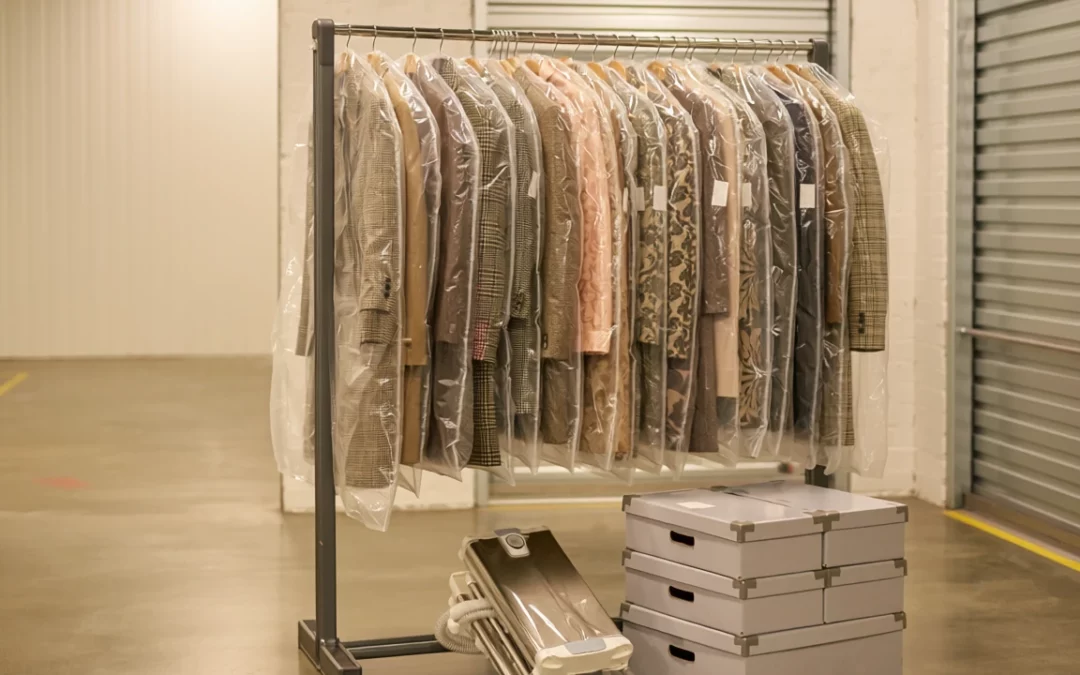
Where you store items matters, but so does how you store each individual piece. The hanging versus folding decision has a real impact on long-term condition. Heavy coats and beaded dresses should hang to avoid crushing and permanent creasing. But hanging stretches knitwear and anything with delicate straps or weak shoulder seams. Those pieces need to be folded, with acid-free tissue paper cushioning the folds.
Wire hangers cause rust transfer and distort shoulder lines. Padded hangers are better, but wooden ones offer the best combination of strength and shape. For fragile or valuable pieces, wrapping hangers in unbleached cotton adds an extra layer of protection between the wood and the fabric.
Folded items need careful preparation before storage. Acid-free tissue cushions fold lines and absorbs any moisture or acids in the fabric. Avoid coloured tissue; dyes can transfer onto light garments. Wrap each item fully to prevent fabric-to-fabric contact, which is especially important for beaded or sequined pieces where embellishments can catch and snag.
When it comes to boxes, materials matter. Cardboard must be acid-free and lignin-free to avoid chemical transfer onto fabric. Plastic boxes trap moisture and block air circulation, which causes problems for natural fibres. If plastic is your only option, make sure items are fully dry and leave lids slightly open to allow some airflow.
Selecting Storage Materials That Preserve Rather Than Damage
The materials that come into direct contact with your stock affect its condition over time. Many standard packaging products contain chemicals that gradually damage textiles. Picking up packing materials and storage boxes before you begin organising your unit is a sensible first step. The upfront cost of good quality materials is always lower than the cost of replacing damaged stock.
Tissue paper does more than you might expect in vintage storage. It cushions folds, absorbs moisture, prevents colour transfer, and helps garments hold their shape. White, unbleached, acid-free tissue is the safest choice across all fabric types. Even acid-free coloured tissue can transfer dye onto light garments in humid conditions, so it’s best avoided.
Garment bags protect hanging pieces from dust while still letting fabric breathe. Cotton or muslin bags are much better for long-term storage than plastic, which traps moisture and encourages mildew. Loose-fitting bags in unbleached cotton offer close to museum-quality protection for your most valuable pieces, without putting pressure on embellishments or creating stress points.
Labelling is also worth thinking through carefully. Adhesive labels damage fabric and leave residue behind. Tie-on tags made from acid-free card are a safer way to identify items. For boxed stock, label the outside of the box rather than individual pieces to reduce unnecessary handling.
Pest Prevention Strategies for Textile Storage
Moths and carpet beetles are responsible for more damage to vintage collections than anything else. They target natural fibres: wool, silk, and fur in particular. It’s not the adult moths that eat fabric; it’s their larvae. A single female can lay up to 200 eggs, and the resulting larvae can devastate a collection in a matter of weeks.
Pest prevention is far more effective than treatment. Cedar products deter adult moths but won’t kill eggs or larvae that are already there. Lavender sachets smell pleasant but offer limited real protection. The most effective approach to pest prevention combines cleanliness, regular checks, and environmental control. Moths thrive in dark, undisturbed spaces, so moving and inspecting stock regularly disrupts their breeding cycle.
Always clean items before putting them into storage. Moths are drawn to soiled areas where food, sweat, or body oils remain. Most vintage pieces respond well to professional dry cleaning, though some delicate items need specialist textile storage care. Never store anything with stains; they attract pests and become permanent over time.
Sealed storage works best for high-value pieces you won’t need to access often. Vacuum bags can crush delicate fabrics and embellishments, so sealed boxes with moth-repellent strips are usually a better option. For active stock you access regularly, consistent pest prevention routines and regular rotation are your most practical line of defence.
Rotation Systems for Seasonal Stock Management
Most vintage sellers organise their inventory by season, cycling winter stock out during summer and vice versa. Seasonal rotation needs a clear plan to avoid damage during the transition and keep items in sellable condition throughout the year. A good system balances easy access with proper protection.
Set up your storage unit with rotation in mind. Keep current season stock at the front and off-season pieces towards the back. That layout minimises unnecessary handling and cuts down the time spent reorganising during seasonal changeovers. Clear labelling on boxes (season and contents) means you can find what you need without opening everything.
Before rotating items into storage, check each piece thoroughly. Deal with any repairs, cleaning, or restoration while you have easy access, rather than discovering problems when you’re trying to fulfil an order. Note any condition issues as you go; that information will support pricing decisions when those items come back into active stock.
Keeping your stock in a dry, indoor storage environment removes many of the seasonal concerns that come with domestic spaces like garages and loft rooms. Without the temperature extremes and damp that uninsulated home spaces create, fabrics stay in more stable condition whether stored for weeks or months.
Insurance and Documentation for Business Protection
Running a vintage clothing business means you need appropriate insurance. Standard home contents policies rarely cover business stock properly, especially items stored away from your home. Business insurance provides cover against theft, damage, and loss, but accurate inventory records are essential to support any claim you need to make.
Photograph every item from multiple angles before it goes into storage. Those images earn their keep in several ways: supporting insurance claims, doubling as listing photos, recording condition, and helping you identify pieces from inventory lists. Save digital copies in more than one place, including a cloud backup, because losing your documentation on top of losing your stock makes a bad situation significantly worse.
Keep detailed records of purchase prices, restoration costs, and current estimated values. That documentation supports insurance valuations and helps you track profitability over time. For higher-value items, a professional appraisal gives insurers an accepted proof of value. It adds cost, but it ensures you’re properly covered for your most significant pieces.
Security should factor into your storage decisions alongside environmental conditions. Professional facilities offer controlled access, CCTV, and purpose-built security features that domestic spaces simply can’t match. Both protection and security safeguard your business assets; don’t treat one as more important than the other.
Scaling Your Vintage Business Through Strategic Storage
Storage limitations are one of the most common constraints on growth for vintage sellers. Whether you’re building up inventory, branching into new product lines, or moving towards wholesale, your storage needs will change. Planning ahead prevents the constant disruption of moving to bigger spaces or splitting stock across multiple locations.
Be realistic about your growth projections. Adding 50 pieces a month means 600 extra items a year. Factor in seasonal peaks too, as most sellers buy heavily at certain times and sell more at others. Your storage solution needs to handle those peaks without permanently oversizing your space for quieter periods.
Think about how storage location fits your day-to-day operations. Flexible personal storage options work well for sellers who want to keep their home and their stock properly separated, with a range of unit sizes to suit varying inventory levels. Access frequency matters too; sellers who photograph and list daily need fast, easy access, while those who batch-process stock weekly or monthly can work with different arrangements.
Some sellers find that combining storage types is a practical way to optimise both cost and convenience. Current season stock can sit in easily accessible space, while archived pieces or future stock moves into a more cost-effective unit. That tiered approach lets you hold larger inventories without your storage costs scaling at the same rate.
Long-Term Preservation for Investment Pieces
Some vintage items are more than just stock. They’re significant investments or genuinely rare pieces you’re holding for long-term appreciation. These deserve a higher level of care than your standard inventory. Treat them as the crown jewels of your collection and give them the individual attention they warrant.
Museum storage practices offer a useful guide for preserving exceptional pieces. Archival-quality boxes, acid-free tissue, and individual wrapping guard against environmental damage. Store these items flat where possible; long-term hanging can stress the fabric. Use rolled tissue tubes inside folds to prevent permanent crease lines from forming.
Light is a slow but persistent threat to all fabrics, but it hits dyes and delicate fibres hardest. Even low-level exposure causes damage that accumulates over time. Keep investment pieces in complete darkness, using opaque containers or covering transparent storage with light-blocking material. When you need to inspect or photograph them, keep light exposure brief and avoid direct flash.
Documentation is especially important for these pieces. Record provenance, condition notes, any restoration work carried out, and current market value assessments. That information supports future sales and insurance claims, and helps you understand the significance of what you hold. Many sellers keep individual files for their most exceptional items, which is exactly the right approach.
Maintaining Stock Quality Through Regular Inspection
Storage requires active management, not just a one-time setup. Regular inspection schedules catch small problems before they become costly ones. Monthly checks work well for most vintage clothing seller storage in Newbury, though collections with high-value pieces may benefit from more frequent attention.
Build a routine that covers three areas: environmental conditions, pest signs, and individual item condition. Start with any visible signs of damp or moisture, since environmental problems affect everything at once. Then look for pest evidence such as small holes, webbing, or the insects themselves. A dry, secure indoor storage unit reduces these risks considerably compared to domestic spaces, but vigilance is still essential.
Rotate which items you inspect in depth each month. Going through every single piece monthly isn’t realistic with a large stock, but working through your collection systematically means each item gets proper attention several times a year. Regular movement also naturally disturbs stored items, which helps discourage pest prevention efforts from being undermined.
Act on problems straight away rather than putting them off. A few moths become an infestation if you leave them alone. Small mildew spots spread and become permanent. Buttons fall off and disappear. Prompt maintenance is always cheaper than the damage caused by waiting.
Proper vintage clothing seller storage in Newbury turns vulnerable inventory into a protected business asset. The right environmental conditions, a solid organisation system, and quality protective materials preserve both the physical condition and the financial value of your stock. These are the habits that separate sellers who grow sustainably from those who keep losing money to avoidable damage.
Professional indoor storage gives you a dry, secure base that removes the damp, temperature extremes, and pest risks that come with domestic spaces. When home storage stops serving your business, or when you’re ready to protect a growing inventory properly, making the move to professional storage sets you up for long-term success.
Ready to find the right storage solution for your vintage stock? Call 01635 581 811 or get in touch with our team to discuss the best unit size for your business needs.