
 01635 581 811
How Casual Selling Grows into a Full-Scale Operation
One weekend you are selling a few boxes of clutter. A year later, your spare room is inaccessible, the garage is a maze, and your partner has stopped asking when it will be sorted. For regular car boot sellers, this is not a cautionary tale. It is just Tuesday.
What begins as a tidy pile and a simple system quietly spreads to every available corner of the house. The loft, the garage, the kitchen table, all gradually claimed by stock. Most sellers do not clock the scale of the problem until they are climbing over boxes just to reach the washing machine.
The Point Where Disorganisation Starts Costing Money
There is a tipping point that most resellers miss. Once your stock spans several rooms or locations, managing it properly becomes very difficult. Items go missing, you buy duplicates, and sales slip past because you cannot find what you need quickly enough.
This is where disorganisation stops being a nuisance and starts costing you money. It is also the point where car boot sale storage in Newbury shifts from a nice-to-have into a practical necessity.
Why Organisation is the Dividing Line Between Profit and Frustration
Sellers who build a consistent profit and those who barely break even often differ in one key area: how well they manage their stock. Organisation is not a nice-to-have for serious resellers. It is the foundation everything else relies on. Without it, growth stalls, time gets wasted, and the operation never moves beyond a basic level.
The Hidden Costs of Disorganised Stock
Duplicate Purchasing and the Silent Profit Killer
When your stock is spread across multiple locations with no clear system, it is easy to forget what you already own. You buy the same type of item twice, store both, then sell one at a loss just to free up space. The purchase cost doubles while the return stays the same. Over a year, this quietly eats into your margins without ever showing up as one obvious expense.
Time Lost to Hunting for Items
One seller I worked with at the facility calculated she was losing roughly six hours every week just searching for specific items. That is an entire car boot sale day lost to poor organisation. Once she redesigned her layout and stuck to a clear system, that time went straight back into sourcing and selling. The results were immediate.
The Opportunity Cost of Poor Accessibility
Every minute spent searching for an item is a minute not spent finding better stock, preparing for your next sale, or following up with buyers. Add those minutes up across a full week and the lost time becomes significant. Reliable, responsive sellers build strong reputations. Sellers who cannot locate their own stock cannot compete at that level.
Domestic Friction and Its Impact on Sustainability
Domestic friction rarely makes it into business planning, but it matters. When stock takes over shared living spaces, relationships take a hit. Most partners will tolerate a pile of boxes in the spare room for a while, but losing the kitchen table or the living room is a different matter. Eventually, you face a clear choice: find a proper solution or scale back.
How Space Inefficiency Quietly Reduces Living Quality
Poorly organised stock takes up roughly 40% more room than stock that is properly arranged. That inefficiency has a real cost: less living space, more stress, and a home that never feels quite right. Most sellers do not fully appreciate how much this affects daily life until they move their stock out and reclaim their space.
What Regular Resellers Actually Need
Why Frequent Access Changes Everything
Resellers have very different storage needs compared to someone packing away seasonal items. Regular access, often several times a week, is a basic requirement. That means ground-floor units, reasonable opening hours, and the ability to load your vehicle without help. When you find the right car boot sale storage in Newbury, that level of access becomes part of your routine rather than a barrier.
The Importance of Proper Organisation Infrastructure
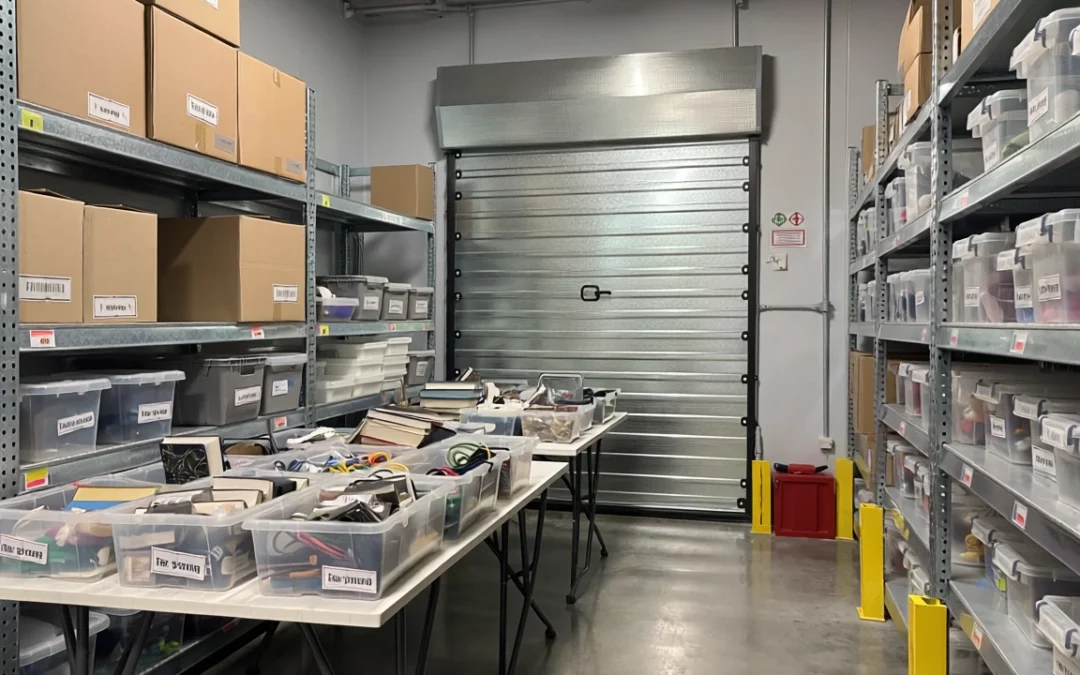
You need enough room to set up shelving, a clear layout, and a system you can actually stick to. Think of it like the stockroom in a well-run shop: every item has a place, every shelf is labelled, and nothing disappears into a pile. Without that kind of structure, you are building inefficiency into your operation from day one.
Adjusting Storage Space for Seasonal Demand
Your space needs change throughout the year. The build-up to Christmas requires far more accessible room than a quiet January. Summer selling season demands different stock positioning than the off-season months. A provider that lets you adjust your footprint as demand shifts saves money when things are slow and prevents cramped conditions when they are busy.
Climate and Ventilation Requirements by Stock Type
Books, electronics, clothing, and collectibles all suffer in damp conditions. A single season in a poorly ventilated space can write off hundreds of pounds worth of stock. You do not necessarily need full climate control, but you do need dry, well-ventilated storage. It is worth confirming this before signing anything.
How Storage Needs Differ from Casual Users
A casual user storing household items once or twice a year needs very little. A reseller accessing their unit several times a week needs reliable entry, working space inside the unit, good lighting, and a layout that supports quick loading and unloading. These are practical requirements that should shape every storage decision you make.
Setting Up Your Unit for Maximum Efficiency
Choosing the Right Shelving for Long-Term Use
Before you move a single box in, plan your shelving. Industrial racking costs more upfront but handles considerably more weight than standard domestic shelves and lasts much longer. When calculating what you need, work from box dimensions rather than floor space alone. Good vertical shelving can effectively double the usable capacity of a unit.
Building a Categorisation System That Matches How You Sell
There is no single right way to categorise your stock, but consistency matters more than the specific method. Some resellers organise by item type, others by season or price point. Choose an approach that reflects how you actually work. If you run themed tables at sales, organise your storage to match those themes so you can pull a full table’s worth of stock quickly.
Labelling Every Box, Shelf, and Section Clearly
Clear labels on every box and shelf remove all guesswork. They let you make fast decisions about what to bring to a sale without opening every container. A basic label maker is a worthwhile investment. Handwritten labels fade and become unreadable after a few months, which defeats the purpose of having a system.
Planning Access Routes Before You Move Anything In
Frequently used items belong near the entrance. Seasonal stock can sit further back. Heavy items stay on lower shelves for safety. Leave clear walkways to every section so you never have to shift one pile to reach another. Packing a unit like a puzzle might seem efficient, but it makes daily use genuinely awkward and the time lost adds up fast.
Storing Packaging Materials Alongside Your Stock
Having boxes, bubble wrap, and protective tape within reach makes preparation before every sale much faster. Newbury Self Store stocks a range of packaging on site, so you can grab packing materials on your next visit without a separate trip.
The Business Case for Dedicated Storage
Storage as a Legitimate Business Expense
Storage costs money, but treating your reselling as a business changes how you look at it. Unit rental can be a legitimate business expense, potentially deductible against your profits if you operate as a sole trader. It is worth speaking to an accountant about your specific situation, but the tax position alone can shift the effective cost noticeably.
How Dedicated Space Removes the Ceiling on Growth
Without dedicated storage, your spare room sets the limit on how much you can grow. With a proper unit, that ceiling disappears. You can take on larger lots, accept bulk purchases, and grow your inventory at a pace that matches your selling capacity. Without that space, even strong sourcing and selling skills can only take you so far.
Taking Advantage of Bulk Purchases and House Clearances
A single house clearance can generate months of quality stock, but only if you have somewhere to keep it properly. Casual sellers with limited home storage are often forced to turn down these opportunities. Resellers with dedicated space can take them on, build their inventory quickly, and sell through at their own pace.
Holding Stock for Optimal Selling Windows
When you are not under pressure to sell items immediately just to free up space at home, you can hold seasonal stock until the timing is right. This patience typically adds 20 to 30% to margins on seasonal items. On a well-timed lot, the extra return can easily cover several months of storage costs.
How Professional Storage Builds Credibility with Suppliers and Buyers
Newbury Self Store provides the kind of structured environment that supports a genuinely professional operation. Whether you are just starting out or already managing a sizeable operation, quality car boot sale storage in Newbury gives you the infrastructure to work efficiently and grow with confidence. Suppliers and regular buyers notice who operates with proper infrastructure. That credibility opens doors to better sourcing terms and the kind of word-of-mouth referrals that grow a reselling business without extra marketing spend.
For those building towards a more structured operation, you can set up a business storage unit in Newbury with flexible contracts, racking available, and access seven days a week.
Seasonal Stock Management
Maximising Accessibility During Peak Spring and Summer Season
Spring and summer are peak selling months across most of the UK. More buyers, better weather, and higher willingness to spend all combine to make this the most profitable period for regular resellers. Your storage layout should put your strongest lines within easy reach during these months so you can load up and get moving quickly.
Rotating Stock Effectively in Autumn
Autumn calls for a deliberate switch. Summer items move to the back, winter stock comes to the front. This keeps you from loading up irrelevant seasonal items for sales where they simply will not move. Nobody wants garden furniture in November, regardless of the price. When your unit is well-organised, this rotation takes an hour. When it is not, it can take all day.
Using Winter Downtime for Strategic Sourcing
Fewer sellers turn up to winter sales, but serious resellers use the quieter months to source heavily. Charity shops, auctions, and house clearances keep running all year. With proper storage, you can build a solid bank of stock through winter and be ready to hit the ground running when spring arrives.
Planning Christmas Stock from August Onwards
The October to December window is disproportionately profitable for resellers who plan ahead. Toys, decorations, and gift items need dedicated, accessible space from August if you want to take full advantage. Missing the Christmas period because of poor organisation is a costly and entirely avoidable mistake.
Counter-Cyclical Buying as a Competitive Advantage
Buying heavily in the quiet months and selling during the busy season is a simple strategy, but it requires storage capacity to work. Resellers with a dedicated unit can build inventory counter-cyclically. Those relying on home storage cannot accumulate enough stock to make it viable. Over a full year, this single advantage can make a meaningful difference to overall margins.
Protecting Your Investment
Guarding Against Damp and Poor Ventilation
Damp is the biggest threat to most reseller stock. It destroys books, causes rust on tools, and ruins clothing. Even items that survive in damp conditions often smell musty, which makes them very hard to sell at a decent price. Dry, well-ventilated conditions protect your stock without needing full climate control in most cases.
Security Features Worth Prioritising
Once your stock value starts to grow, security matters. Look for individual unit alarms, CCTV, and controlled site access before you commit to a facility. Security should be something you assess before signing a contract, not after. Losing a full unit of carefully sourced stock to theft can set you back months.
Why Home Contents Insurance Often Falls Short
Standard home contents insurance rarely covers business stock, regardless of where it is kept. Once your inventory value goes beyond a few hundred pounds, you need separate cover. Check the exclusions carefully and speak to an insurer who is familiar with reselling before assuming you are protected.
Pest Control for Clothing, Paper Goods, and Soft Furnishings
Pests are a genuine risk for certain types of stock. Check your unit regularly for early signs of a problem. Sealed plastic containers offer much better protection than cardboard boxes against both moisture and pests, and they stack more neatly too.
How Good Organisation Itself Prevents Damage
Cluttered, unstructured storage leads to breakages. When items are piled without care, fragile pieces get damaged over time. Proper shelving, sensible stacking, and basic wrapping all help preserve condition. A damaged item can sell for as little as half the price of a clean example, so the effort of protecting your stock is clearly worthwhile.
For larger items or those managing whole-household lots, you can use a ground-level shipping container in Newbury with 24/7 access, making loading and unloading straightforward at any hour.
Making the Leap from Chaos to Clarity
The Psychological Shift from Hobby to Business
Moving from a chaotic home setup to a dedicated, organised storage unit is a genuine turning point. It is not just a practical improvement; it is a clear signal to yourself that this is a business worth running properly. That shift in mindset changes how you approach every decision that comes after it.
Calculating the True Cost of Disorganisation
Before deciding whether storage fits your budget, work out your hidden costs honestly. How many hours do you lose each week to disorganisation? What is that time worth to you? How often do you make duplicate purchases? What opportunities have you had to turn down because you had no room for the stock? In most cases, those figures add up to well above the monthly cost of a storage unit.
Designing Your Layout Before Moving In
Do not rent a unit and start loading it randomly. Plan your layout before anything goes in. Sketch a basic floor plan, decide where the shelving will go, and map out your category zones in advance. That upfront planning turns an empty unit into a working space from the very first day.
Committing to a System and Maintaining It
A good system only works when you stick to it. The first few weeks set the tone. Put things back in the right place consistently and the habit forms quickly. Let one busy period become an excuse for shortcuts and the chaos comes back fast. Treat your storage layout with the same discipline you would apply to any other part of running a business.
For those managing a personal move alongside building their reselling stock, such as downsizing or temporarily clearing space during a renovation, you can choose a personal storage unit in Newbury on short or long-term terms to suit your situation.
Conclusion
Why Storage is Infrastructure, Not an Optional Extra
Car boot selling can grow from a casual weekend activity into a genuinely profitable business for those who treat it seriously. The right car boot sale storage in Newbury is the infrastructure that makes that growth possible. Without proper organisation and dedicated space, your capacity is limited by your spare room rather than your ambition. Most sellers who hit that ceiling either stagnate or stop altogether.
The returns on professional storage come from multiple directions: time saved, better inventory control, improved cash flow, less waste, and a household that functions normally again. These benefits build over time and create a real operational edge over casual sellers.
The Long-Term Operational Advantage of Getting Organised Early
The difference between resellers who build something lasting and those who burn out often comes down to the infrastructure decisions they make early on. Every week spent working from a disorganised home setup is a week of compounding inefficiency. Getting organised early does not just make things easier now; it shapes the direction of everything that follows.
When you are ready to take your reselling operation to the next level, call 01635 581 811 or speak to our team to find the right unit for your needs.