
 01635 581 811
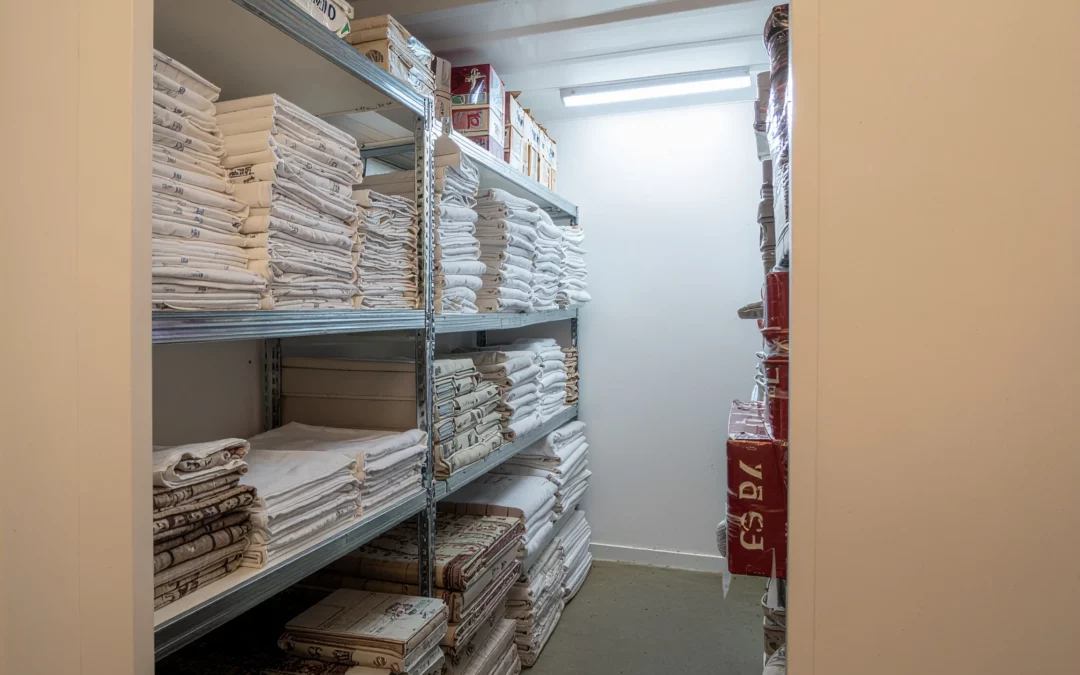
You bought the throws, the candles, the seasonal decor. Now where does it all go? Airbnb host storage is one of those challenges nobody warns you about. For most hosts, the answer is: everywhere. Spare rooms turn into dumping grounds, garages fill up faster than booking calendars, and the boutique hotel feel you worked so hard to create gets buried under boxes.
The problem runs deeper than clutter. A single property needs summer bedding and winter duvets, Easter decorations and Christmas ornaments, beach gear, autumn throws, guest supplies like backup kitchen items and cleaning products, and enough replacement furniture to handle normal wear and tear. Without a clear system, all of it ends up crammed into every available corner. That’s not just untidy; it quietly costs you money, time, and guest ratings.
The Hidden Cost of Cluttered Hosting
How Disorganisation Leads to Duplicate Purchases and Wasted Money
Poor storage hits your wallet in ways you might not expect. When you can’t find seasonal items quickly, you end up buying replacements you already own, or you skip the seasonal refresh altogether. One host I worked with spent over £400 replacing Christmas decorations she knew she had. Three months later, she found them buried behind summer garden furniture in her garage.
That kind of waste adds up fast. A little organisation up front saves a lot of money over time.
The Impact of Clutter on Turnovers, Photography, and Guest Ratings
Clutter creates problems beyond lost items. Messy properties slow down turnovers and make your cleaning team’s job harder. When storage spills into guest spaces, rooms don’t photograph well, and that hurts your listing’s appeal. Guests also notice. Properties with visible clutter regularly score lower on cleanliness and accuracy, two of the metrics that platforms weigh heavily in search rankings.
A tidy, well-organised property earns better reviews and commands better rates. It really is that simple.
Why Seasonal Rotation Matters for Guest Experience
Matching Your Property to Shifting Guest Expectations Throughout the Year
What guests want changes with the seasons. Summer visitors look for light linens, outdoor dining setups, and beach accessories. Winter guests want cosy throws, heavier curtains, and a warm, welcoming atmosphere. Getting these details right turns an average stay into a memorable one. But you can only do that if you can actually find and swap your seasonal items with ease.
Rotation is not just about aesthetics. Seasonal rotation is about staying in tune with your guests’ needs throughout the year, and making sure your guest supplies are always relevant to the season.
Treating Your Inventory Like a Rotating Production Rather Than a Static Display
Think of your host inventory like a theatre’s costume department. No production company keeps every costume on stage at once. They rotate pieces based on the current show, keeping everything else organised and ready backstage. Your Airbnb host storage system should work the same way: active season items in the property, everything else neatly stored and ready for the next changeover.
When you think of it that way, rotation stops feeling like a chore and starts feeling like smart management.
Creating a Rotation System That Works
Auditing and Categorising Your Inventory Into Essentials, Seasonal, and Backup
Start by doing a full walkthrough of your property. List everything you store: furniture, decorations, linens, kitchen equipment, outdoor gear, and supplies. Then sort it into three clear groups:
- Essentials: Items used all year round, such as core furniture, everyday dishes, standard linens, and cleaning supplies.
- Seasonal: Items tied to a specific time of year, split by quarter (spring, summer, autumn, winter).
- Backup: Spare items and replacements for when something breaks or wears out.
Knowing exactly what you have, and where it belongs, is the foundation of any good seasonal rotation system.
Using a Spreadsheet to Track Items, Locations, and Rotation Schedules
Once you’ve sorted your host inventory, record it. A simple spreadsheet works well. Track what you own, where it’s stored, and when each item rotates in or out. Add purchase dates for things that need replacing over time.
This document will save you during busy periods. Update it whenever you buy something new or get rid of an old item, and treat it with the same care you give your booking calendar.
Categorising Your Airbnb Inventory
Organising Linens by Bed Size With Complete Sets in Reserve
Beyond seasonal sorting, organise your host inventory by function. Create clear sections for linens, kitchen equipment, decorations, furniture, outdoor items, and guest supplies such as cleaning products and welcome pack items. Within each section, keep enough backup stock to handle your property’s usual turnover pace.
For linens, aim for at least three complete sets per bed: one on the bed, one in the wash, and one in reserve. High-turnover properties may need more to avoid bottlenecks between back-to-back bookings. Store sets by bed size in clearly labelled containers, with mattress protectors, sheets, pillowcases, and duvet covers packed together.
Storing Backup Kitchen Equipment Separately for Quick Access
Guests pay close attention to kitchens and mention them in reviews more often than you’d think. Keep backup sets of items that break regularly: wine glasses, coffee mugs, non-stick pans, and basic utensils. Store these separately from seasonal items so you can grab a replacement without digging through boxes. If your property is running out of room for all of this, renting a secure storage space gives you a secure, flexible space to keep the overflow without it taking over your home or property.
The Four-Season Approach to Decor Storage
Dividing Decorative Items Into Clearly Labelled Quarterly Containers
Divide your decor into four seasonal groups, each with its own clearly labelled containers. Here’s a simple breakdown:
- Spring: Pastel cushion covers, Easter decorations, lighter curtains, floral arrangements.
- Summer: Beach-themed accessories, outdoor dining gear, lighter bedding, garden decorations.
- Autumn: Warmer colour palettes, harvest decor, heavier throws, cosy lighting.
- Winter: Christmas decorations, heavy curtains, extra blankets, and hygge-inspired items.
Keep a list inside each container’s lid showing exactly what’s packed. That way, you’re not rummaging through multiple boxes every time you change over.
Using Seasonal Photographs to Guide Styling and Refresh Your Listing
Take photographs of your property in each seasonal setup. These images do two jobs: they guide your styling during future rotations, and they give you fresh marketing content throughout the year. When summer winds down, you’ll know exactly how that autumn living room should look, making the changeover quicker and more consistent every time.
How Professional Hosts Manage Off-Site Storage
Recognising When On-Site Storage Is No Longer Sufficient
At some point, your on-site space simply won’t be enough. When that happens, cramming more into your property only creates new problems. It clutters guest spaces, slows down turnovers, and chips away at the quality of experience you’re trying to deliver. Newbury Self Store gives hosts a dedicated professional storage space for seasonal items, creating a clean separation between what’s in use and what’s in storage.
This approach works especially well for hosts managing more than one property. Centralised off-site storage for shared supplies and backup stock creates real efficiency gains over time.
How Professional Facilities Protect Linens, Furniture, and Electronics
Indoor storage units offer a dry, secure environment that protects your belongings far better than a typical garage or garden shed. Damp, pests, and temperature extremes are common causes of damage in home storage. A purpose-built, indoor facility reduces these risks considerably. Items go in clean and come out in the same condition, so you’re not dealing with mildewed bedding or warped furniture right when you need them.
Protecting Your Investment: Proper Storage Techniques
Packing Linens Correctly to Prevent Moisture Damage and Fibre Deterioration
Good packing protects your investment and keeps items usable for longer. Use clear plastic tubs with tight-fitting lids rather than cardboard boxes. Uniform sizes stack better and make the most of your storage space, whether on-site or in a facility.
For linens, always wash items before storing them. Invisible stains oxidise over time and can become permanent. Pack bedding in vacuum bags to save space and guard against moisture, but don’t compress items for more than six months as it can weaken the fibres. Add silica gel packets to containers holding electronics or anything sensitive to humidity.
Preparing and Covering Furniture to Allow Air Circulation and Prevent Mould
Furniture needs a little prep work before going into storage. Clean each piece thoroughly, polish wood surfaces, and treat fabric with a protective spray. Where possible, disassemble larger items and keep all hardware in labelled bags attached to the relevant piece.
Cover upholstered furniture with breathable fabric covers, not plastic sheeting. Plastic traps moisture and encourages mould. Label every container or item with its contents and the date it was stored. A colour-coded system works well if others help with rotations. If you’re managing multiple properties and need to store operational records or equipment alongside your hosting supplies, flexible business storage keeps everything clearly separated and easy to find.
Building Your Rotation Calendar
Scheduling Major Rotations Around Natural Seasonal Cues Rather Than Fixed Dates
Rather than rotating on set calendar dates, tie your seasonal rotation changeovers to natural seasonal cues. Spring rotation might start when local gardens begin to bloom. Summer rotation can coincide with the school holidays. Autumn kicks in when the leaves start turning, and winter when heating becomes a daily need.
These cues align far better with what guests actually want when they arrive. Block out a full day for each major rotation and treat it like any other business appointment. Remove the outgoing season’s items, clean thoroughly, then bring in the new season’s decor. Finish by taking fresh photographs to update your listing.
Using Minor Monthly Updates to Keep the Property Feeling Fresh
Between major rotations, small monthly updates keep your property looking lively. Swapping throw pillows or changing a table centrepiece takes very little time but makes a noticeable difference. Repeat guests especially appreciate these touches, and fresh images give you regular content for your listing.
The Long-Term Benefits of Organised Storage
Reducing Replacement Costs and Maintaining Consistently High Guest Ratings
The benefits of a solid storage system build over time. Items stored properly last longer, so you spend less on replacements. Your property stays in top condition throughout the year, which leads to consistently strong guest ratings. With a clear system in place, your team knows exactly where everything is, and changeovers run smoothly.
Better organisation also means better marketing. You’ll always have fresh, season-appropriate photographs to keep your listing looking current and appealing.
Freeing Up Time and Mental Energy for Revenue-Generating Activities
Beyond cost savings, good organisation frees up your time. When storage runs smoothly, you stop wasting hours searching for misplaced items or making last-minute shopping trips. For larger refreshes, one of their shipping containers is worth considering. The 20-foot shipping containers offer generous ground-level space, making them practical for bulky items, large furniture, or a complete room’s worth of supplies during a major style update.
Knowing exactly what you own, where it is, and when it rotates reduces the mental load of hosting. That confidence flows into how you manage your property and how you interact with guests. Hosting simply becomes more enjoyable when the logistics look after themselves.
Making the System Sustainable
Documenting Processes So Co-Hosts and Cleaners Can Follow Them Independently
The best system is one that runs without you having to explain it every time. Keep it simple and document everything: write clear instructions, include photographs, and create a reference manual that cleaners, co-hosts, and property managers can follow on their own.
You might also consider collaborating with nearby hosts. One host stores seasonal items the other doesn’t need right now, and both benefit from access to a wider shared inventory. This kind of arrangement works especially well when combined with a professional storage facility that multiple hosts can visit.
Conducting Quarterly Inventory Reviews to Discard Worn Items and Plan Replacements
Set aside time every quarter to review your inventory. Discard anything worn out or damaged. Note what needs replacing before you actually need it. These reviews also give you a chance to ask whether your current storage setup still works, or whether it’s time to scale up.
Staying on top of your host inventory means you’re never caught short, and you’re never paying to store things that no longer serve a purpose.
Preparing for Growth
Building Scalability Into Your Storage System From the Start
As your hosting business grows, your storage needs will grow with it. Build that scalability in from the beginning. Stick to consistent container sizes and labelling formats so adding new items doesn’t mean starting over. Choose a storage solution that can expand without requiring a complete overhaul.
A well-designed system handles growth without disruption. That’s a competitive advantage when you’re managing multiple bookings and properties at once.
Centralising Inventory Across Multiple Properties for Efficient Management
Hosts managing more than one property gain the most from centralised storage. When all your inventory lives in one accessible location, you can buy in bulk, move items between properties as needed, and manage stock more efficiently. It also helps to have a reliable local source for packing materials. Newbury Self Store sells packing supplies and moving boxes on-site, so you can pick up what you need when you’re dropping off or collecting items.
Effective Airbnb host storage and rotation separate great hosts from those constantly putting out fires. A clear system, the right professional storage facility, and a bit of planning make your property easier to run, more consistent for guests, and more profitable over time. When the logistics are sorted, you’re free to focus on what matters: delivering stays that guests remember and return for.
Have a question about the right storage unit for your hosting setup? Call 01635 581 811 or contact our team to find the right solution.