
 01635 581 811
Every spring, holiday let owners across West Berkshire walk back into their properties after months of low bookings and find the same unwelcome surprises: rust on the patio furniture, mould on the cushions, and a sofa that looks a year older than it should. The off-season does not just cost you bookings. It costs you your furnishings too.
The problem is not the quiet months themselves. It is leaving everything in place whilst the property sits largely empty, exposed to damp, temperature swings, and unnecessary wear. Many property owners find that maintaining a fully furnished holiday let year-round pushes up costs without a corresponding return. For property owners across the region, holiday let storage West Berkshire is one of the most practical ways to strike that balance.
The good news is that the seasonal nature of holiday lets gives you a real advantage. Instead of leaving your best pieces exposed to damage during low-occupancy periods, smart seasonal storage lets you protect what you own whilst adjusting your property to match actual demand.
Understanding Seasonal Demand Patterns in West Berkshire
West Berkshire‘s holiday let market follows a clear and predictable rhythm. Families flock to the countryside in summer, whilst walkers exploring the North Wessex Downs tend to visit in spring and autumn. Winter occupancy typically falls by 40 to 60 percent compared to peak season, yet your heating bills and upkeep costs stay roughly the same.
In peak season, guests expect the full package: premium furnishings, outdoor dining sets, and stylish touches that justify higher nightly rates. During off-peak periods, most visitors are couples or solo travellers who simply want warmth and comfort. That shift in guest expectations is a strong practical reason to rotate your property’s contents with the seasons.
I worked with a property owner near Hungerford who kept eight outdoor chairs, two parasols, and a full set of garden games out through the winter. They sat in her garage getting damp whilst she earned nothing from them. After one particularly harsh winter, she found mould on the cushions and rust on the metal frames, costing £800 to put right, items that had generated no income for five months.
The Financial Case for Rotating Furnishings
The numbers make a compelling case for holiday let storage West Berkshire property owners to consider. A standard unit costs roughly £100 to £150 per month, which works out to £500 to £750 across a five-month off-peak period. Compare that to the cost of replacing weather-damaged outdoor furniture (£600 to £1,200), reupholstering faded sofas (£400 to £800 per piece), or swapping out warped wooden items (£200 to £500 each).
Continuous use and environmental stress speed up how quickly premium furniture wears out. A good quality sofa used year-round in a holiday let tends to last three to four years. That same sofa, moved into a self-storage unit during the quiet months, can last 30 to 40 percent longer.
Insurance is another factor worth considering. Some holiday let insurers will reduce your premium when high-value items are stored securely during vacant periods. Others require specific security measures when a property sits empty for a while, and those costs can quickly exceed what you’d pay for storage.
What to Store During Off-Peak Periods
Not every item needs to go into storage, but certain categories benefit a great deal from seasonal rotation. Think of your property like a theatre production: you need different sets for different acts, but storing the entire costume department on stage makes no sense.
High-value decorative items should top your list. Original artwork, antique pieces, and designer accessories add real appeal during peak season but serve no purpose sitting at risk through quiet months. Many of these items carry sentimental as well as financial value, so protecting them is worth the effort.
Outdoor furniture is the most obvious candidate for storage. Garden dining sets, sun loungers, parasols, and planters all suffer quickly in winter weather. Even items sold as “weatherproof” struggle with a British winter. Metal rusts, wood warps, and cushion fabric develops mould even under protective covers.
Seasonal kitchen equipment is also worth rotating. A fondue set, ice cream maker, or full barbecue kit gets plenty of use in summer but just takes up cupboard space in winter. Clearing those items out makes room for more seasonally appropriate things, like slow cookers and soup tureens.
Excess linens and soft furnishings are another opportunity. Peak season demands multiple bedding sets, spare towels, and decorative cushions to keep turnaround times short. During off-peak periods, you need far less, so storing the surplus frees up space inside the property itself.
Preparing Furnishings for Storage
Good preparation is the difference between items coming out of storage in great condition and items that need expensive repairs. Start the process several weeks before your storage date, especially with upholstered pieces and wooden furniture.
Cleaning always comes first, but the right approach depends on the material. Upholstered furniture needs a thorough vacuum or professional clean to remove dust, food particles, and anything that might attract pests. Leather needs conditioning to stop it cracking. Wooden pieces should be cleaned with the right product and finished with a light coat of furniture wax.
Metal furniture needs extra care to prevent rust. Clean it thoroughly, dry it completely, and apply a thin coat of protective oil to joints and any exposed areas. Even stainless steel benefits from a clean before storage, as leftover residues can cause pitting over time.
Wrapping matters too. Keep plastic sheeting away from furniture, as it traps moisture and encourages mould. Use breathable cotton covers or furniture wraps instead, loosely secured to let air move around the piece. For valuable items, stock up on quality packing materials such as bubble wrap, transit blankets, and armchair or sofa covers to cushion surfaces and prevent rubbing during transport.
Take photos of every piece before it goes into storage and note any existing marks or damage. Keep a simple inventory with descriptions, locations, and condition notes. This makes retrieval far easier and protects you if anything gets damaged along the way.
Protecting Furniture from Damp and Temperature Changes
West Berkshire‘s climate can be tough on stored furniture. Humidity shifts between seasons, and temperature swings cause materials to expand and contract repeatedly, which leads to warping, cracking, and loose joints over time.
Solid wood is the most vulnerable. It swells when damp and shrinks when dry, and those repeated cycles loosen joints, lift veneers, and crack finishes. Antique pieces with older glues are especially at risk.
Upholstered furniture faces a different set of problems. Too much moisture encourages mould in cushions and fabric; too little causes natural fibres to become brittle. Leather, in particular, needs moderate humidity, around 40 to 55 percent, to stay supple without growing mould.
Metal items begin to rust once humidity climbs past 60 percent. Artwork, photographs, ceramics, and glassware can also deteriorate when temperature changes cause sudden condensation. These are not just worst-case scenarios; they are common outcomes in uncontrolled environments.
Newbury Self Store provides modern, dry, secure indoor storage units housed within a purpose-built warehouse, which helps protect furniture from the outdoor damp and seasonal weather that causes the most damage to stored items.
Timing Your Storage Transitions
Planning your transition well in advance is key to keeping things running smoothly. The move itself typically takes two to three days, during which the property will not be available for bookings, so timing is important.
Most owners using holiday let storage West Berkshire facilities work around natural gaps in their calendar. Late October or early November, after half-term but before Christmas bookings, is a popular window for moving items into storage. Spring transitions usually happen in late March or early April, depending on when Easter falls.
It makes good sense to combine your furniture move with a deep clean. That way your cleaning team can access the whole property properly, tackle carpets, touch up walls, and handle maintenance jobs that are awkward with furniture in the way. Many owners find this approach actually cuts overall costs by removing the need for separate visits.
Keep guests informed during transition periods. If your listing mentions specific amenities, make sure it reflects any seasonal changes. Off-peak guests are generally understanding about reduced outdoor facilities, but unexpected changes on arrival lead to poor reviews.
It also helps to identify a core set of furniture that works year-round: a good sofa, comfortable beds, and a practical dining area. These stay put, whilst seasonal pieces rotate in and out around them. It keeps the property welcoming whilst protecting the pieces that need it most.
Maximising Property Appeal Year-Round
Strategic seasonal storage is not about stripping your property bare during quieter months. Done well, it lets you tailor your space to the kind of guest you are actually welcoming, which improves their experience and protects your furnishings at the same time.
Winter guests care about warmth and comfort above all else. Swap light summer throws for heavier blankets, replace outdoor entertainment options with board games and books, and make sure your heating setup is front and centre. Small changes like these cost very little but make a real difference to how guests feel during colder months.
Some owners keep two separate decorative schemes, putting away the bright, airy accessories of summer and bringing in warmer textures for autumn and winter. It keeps returning guests interested and shields your more delicate items from constant exposure.
Kitchen rotation is just as practical. Summer guests want barbecue tools and outdoor dining gear. Winter visitors are far more likely to reach for a slow cooker or fondue set. Rotating your kitchen kit means guests always find what they need for the season they are staying in.
Garden furniture makes the strongest case for seasonal rotation. Expensive teak sets left outside through a British winter will suffer. Store them properly and put out a small selection of weather-resistant pieces for guests who might step outside on milder days. That protects your investment whilst keeping the garden usable.
Managing the Logistics of Furniture Rotation
Moving furniture takes more effort than most people expect the first time around. The key is having a clear plan for transport, loading, and retrieval before you start rather than working it out on the day.
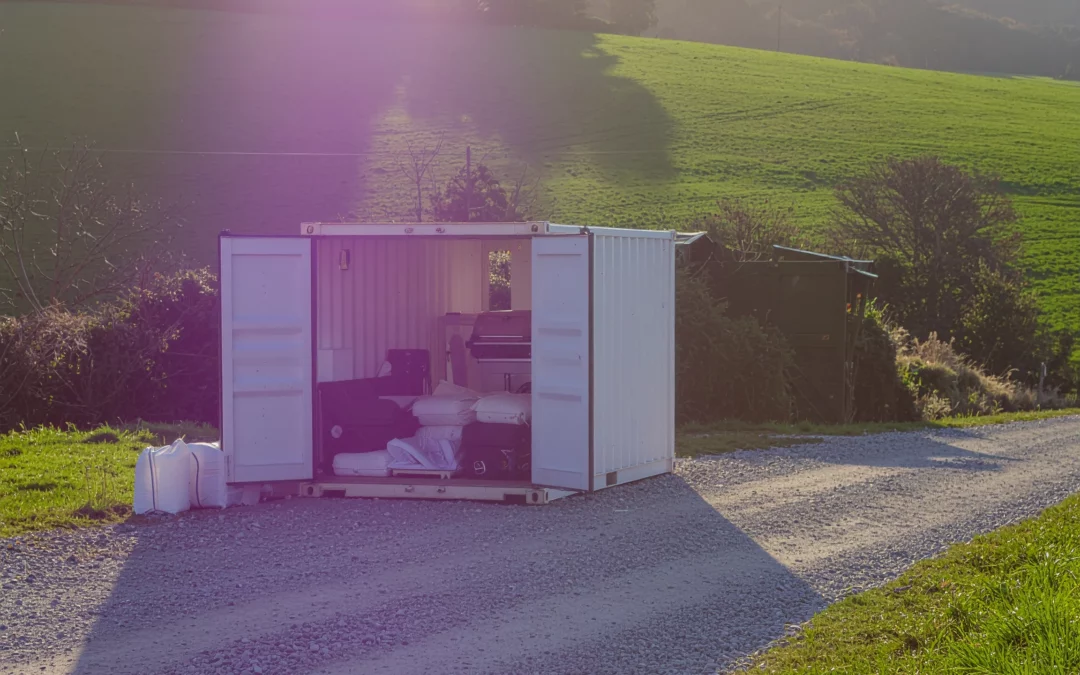
If you have large, bulky items to move, an outdoor shipping container is worth considering. The units sit at ground level, so big or awkwardly shaped pieces can be loaded and unloaded smoothly without navigating stairs or tight corridors. They also offer 24/7 access, which is useful if your schedule does not always align with standard opening hours.
Vehicle choice has a bigger impact than most owners realise. A standard car holds surprisingly little. Hiring a large van for a day is often cheaper than making several trips in a smaller vehicle. Some local holiday let owners team up to share van hire costs and move multiple properties’ furniture at the same time.
Load smart to avoid damage and make the best use of space. Put heavier items in first against the walls for stability. Pad furniture legs and corners to prevent scratches in transit. Stack chairs seat-to-seat and point table legs upward to create useful stacking surfaces on top.
Think about retrieval when you load up. Items you will need first in spring should go in last and stay near the door. Seasonal decorations and rarely used pieces can go to the back. Frequently accessed items should always be easy to reach.
Insurance and Security Considerations
Holiday let insurance policies often include specific clauses about unoccupied properties and items held in storage. Before you start rotating furniture, check your policy carefully. Some insurers need to be notified when high-value items leave the premises.
Storage facility insurance is not the same as home contents insurance. Most facilities include basic cover, but it often falls short of the replacement value of premium furnishings. Check whether your existing holiday let policy covers items held in storage, or whether you need to arrange separate cover.
Security is a serious consideration for valuable furniture and decorative pieces. Good storage facilities offer multiple layers of protection. At Newbury Self Store, that includes CCTV, a state-of-the-art monitored alarm system, and reinforced steel entrance shutters. In many cases, this level of security exceeds what a typical holiday let property can offer, which actually reduces your overall risk.
Keep thorough records for insurance purposes. Maintain an inventory with photographs, purchase receipts, and condition notes. Update it every time items move in or out of storage and note any damage that happens during transport. Good documentation prevents disputes and supports any claims you need to make.
Environmental Benefits of Strategic Storage
Storage is not just a financial decision. It also has real environmental benefits that align with what many guests now expect from responsible holiday let operators.
Good quality furniture carries a significant environmental footprint. The materials, manufacturing, and transport involved in producing a solid wood dining table can represent 200 to 400 kilograms of CO2 equivalent. Extending that table’s life from five years to eight through proper storage avoids the environmental cost of early replacement.
Partly furnished properties are also cheaper and more efficient to heat. Furniture absorbs warmth, retains moisture, and disrupts air circulation, all of which reduce heating efficiency. Individually these effects seem small, but they add up over a full winter.
Some owners now actively promote their sustainable approach as part of their property’s appeal. Guests who care about the environment are increasingly drawn to lets that practise what they preach, and furniture rotation is a concrete example of that.
Creating Your Furniture Rotation Strategy
Start with an honest look at your property’s actual booking patterns before you do anything else. Track occupancy month by month across at least a full year to identify your genuine off-peak periods rather than guessing based on general assumptions.
Go through your furniture and accessories and sort them by value, how easily they can be damaged, and how relevant they are to each season. You will often find items that serve no purpose at any time of year, which is a good chance to sell or donate rather than pay to store them.
Do a full cost comparison before committing. Add up storage fees, transport costs, packaging, insurance changes, and your own time. Then weigh that against the cost of replacing furniture sooner, the savings from slower depreciation, and any reductions in your insurance premium.
If you are not sure where to begin, start with just one category. Outdoor furniture is the easiest first step. A single seasonal storage cycle will help you iron out any issues, test your process, and build confidence before expanding to the rest of your inventory.
Long-Term Benefits and Considerations
The benefits of seasonal furniture rotation go well beyond cutting costs. Premium pieces stay looking better for longer, which supports higher nightly rates throughout your furniture’s extended lifespan. Repeat guests also notice when a property feels fresh and updated, even when the changes are subtle.
Ongoing maintenance becomes far more straightforward when you can access your whole property freely. Deep cleans, carpet treatments, and decorating jobs all take less time and produce better results in a partially furnished space.
Taking an active, strategic approach to your property also changes your relationship with it. Furniture rotation creates regular touchpoints to reassess your offering, replace anything that is looking tired, and make sure your property stays competitive in West Berkshire‘s holiday let market.
Beyond seasonal rotation, having a flexible business storage unit opens up other useful options. You can buy replacement items when you spot a good deal, store backup appliances for emergencies, and keep maintenance supplies on hand without cluttering the property itself.
Making Storage Work for Your Holiday Let Business
The most effective holiday let operators treat their property as a business, not just a source of passive income. That mindset changes how you think about costs like storage. Rather than something to avoid, storage becomes a business expense that protects your assets and keeps operations running efficiently.
Think of storage the same way you think about your cleaning contract or maintenance schedule. It is part of the infrastructure. Viewed that way, the monthly cost is predictable, manageable, and easy to justify.
Rotating your furniture also sends a positive signal to guests, insurers, and local authorities. It shows that you are running a well-managed operation rather than a casual side project. That professionalism pays off in reviews, renewals, and relationships.
The discipline of furniture rotation tends to improve other areas of your operation too. Owners who go through the process regularly end up with better inventory systems, more efficient cleaning routines, and a much clearer picture of their actual cost per booking.
Conclusion
Managing a holiday let in West Berkshire is about more than keeping guests happy. It is about running a smart, sustainable operation that protects your investment over the long term. Strategic furniture rotation is one of the most practical ways to do that.
The returns are real. Furniture lasts longer, replacement costs fall, and your property adapts naturally to seasonal demand rather than carrying the overhead of year-round amenities that go unused for months. Properties that rotate their contents thoughtfully tend to outperform those that do not.
Getting started takes some planning, but the process becomes quicker and easier with each passing year. Once your systems are in place, holiday let storage West Berkshire becomes a routine and cost-effective part of running a well-managed property.
For expert guidance on storage solutions tailored to holiday let requirements, call 01635 581 811 or get in touch to discuss your specific needs.