
 01635 581 811
You’ve served the notice, reclaimed the keys, and finally got your property back. But instead of empty rooms ready for the next tenant, you’re greeted with furniture, bin bags, and someone else’s belongings scattered across every room. It’s frustrating, costly, and far more legally complicated than most landlords expect.
The temptation is to clear everything out and move on. But English law is firm on this point: you cannot simply remove or dispose of a former tenant property without following the correct process. Getting it wrong can expose you to civil claims and significant financial liability, even when the tenant has clearly walked away for good.
End of tenancy storage in Newbury is one of the most practical tools available to landlords in this situation. Understanding your legal obligations, and knowing how to handle abandoned items properly from day one, is what separates a manageable inconvenience from a costly legal dispute.
Understanding Abandoned Property Law in England
The starting point for any landlord is the Torts (Interference with Goods) Act 1977. This law protects people from having their belongings thrown out or sold without proper notice, regardless of whether they owe rent. It applies equally to a tenant who’s paid every month and one who’s three months in arrears.
Under this law, abandonment means the tenant has permanently left without taking their possessions or leaving any contact details. The key word is “permanently”. Someone who’s away for a few weeks hasn’t legally abandoned anything, and you must confirm genuine abandonment before taking any steps.
Good documentation is your strongest protection throughout this process. Record every item you find, photograph it, and log every attempt you make to reach the tenant. If a dispute arises later, this evidence shows you acted in good faith.
The law also requires you to take “reasonable steps” to contact the former tenant and give them a chance to collect their things. What counts as reasonable depends on the situation, but it typically means trying multiple contact methods over several weeks. The more valuable the items, the greater the effort expected of you.
What Qualifies as Abandoned Property?
Genuine abandonment usually follows a clear pattern. The tenant goes silent across all channels. Neighbours haven’t seen them in weeks. Utility accounts are closed, and keys have been returned or the property accessed using your spare set. These signs together paint a clear picture.
One landlord I worked with found himself in exactly this position. His tenant had been reliable for eighteen months, then stopped paying rent without a word. After six weeks of silence and returned post, he entered the property to find it half cleared. The decent furniture was gone, but broken abandoned items and rubbish bags remained. That selective removal was a strong sign of genuine abandonment.
The situation looks very different when a tenant is simply away temporarily. Their valuables are still there. The home looks lived in, with food in the cupboards and upcoming dates on the calendar. If you see these signs, keep trying to make contact before drawing any conclusions.
The value of the items matters too. A property full of quality furniture and personal documents requires much more effort to resolve than one left with broken odds and ends. Photograph everything carefully and get professional valuations for anything that appears worth significant money.
Finally, timing matters. Most legal experts recommend waiting at least four weeks of complete silence before treating a situation as true abandonment. If the tenancy agreement includes a break clause or notice period, you must honour those terms regardless of the circumstances.
The Landlord’s Legal Obligations
Your first legal duty is to send written notice to the tenant. Write to their last known address, state clearly that you’re holding their tenant property, and give them a specific deadline to collect. As a baseline, allow 14 to 21 days, though higher value items warrant a longer window.
Sourcing end of tenancy storage in Newbury gives you a clear paper trail that helps demonstrate you’ve handled the situation properly. Sending notice both by recorded delivery post and email is a smart move, as it creates timestamped proof of every attempt you’ve made.
You’re also expected to store items properly throughout the waiting period. A damp garage or exposed outdoor space won’t meet the required standard. The law expects you to care for abandoned belongings as a reasonable person would, even when the tenant has clearly gone. That duty remains until the legal holding period ends.
Acting too quickly carries real risk. If you dispose of or sell abandoned items before completing the correct process, the former tenant can take legal action against you. Courts have awarded significant compensation in these cases, even where the tenant owed substantial rent arrears.
Practical Steps for Managing Abandoned Items
Start with a full property inspection, and bring a witness. A property manager, fellow landlord, or professional inventory clerk can provide independent confirmation of what you found. Write down each item, its condition, and exactly where it was in the property.
Photographs are essential. Take wide shots of every room, then close-ups of individual items or groups. Including that day’s newspaper in the frame establishes both the date and scale. If anyone later disputes what was there or its condition, these images are your evidence.
Once you’ve documented everything, secure items according to their type and value. Documents and electronics need dry, secure conditions away from damp or damage. Perishables can be disposed of straight away, provided you photograph them first. For everything else, self-storage units for businesses offer a dry, secure environment with flexible access so you can retrieve items whenever needed throughout the process.
Every contact attempt needs to be recorded. Use recorded delivery post to the property and any other addresses you hold, including guarantor details from the original agreement. Follow up by email and text where possible. Note the date, time, and method used each time.
Storage Solutions for Landlords in Newbury
Newbury Self Store is Newbury’s original self-storage facility, offering a range of unit sizes suited to the kind of mixed household contents that landlords typically need to clear and hold. Reliable landlord storage at an accessible location means items are kept safely off-site while the legal process runs its course.
Keeping items on-site might seem like the cheaper option, but it tends to create more problems than it solves. You lose access to lettable space, which costs you income at the worst possible time. You also take on full responsibility for anything that gets damaged, with no professional facility to back you up.
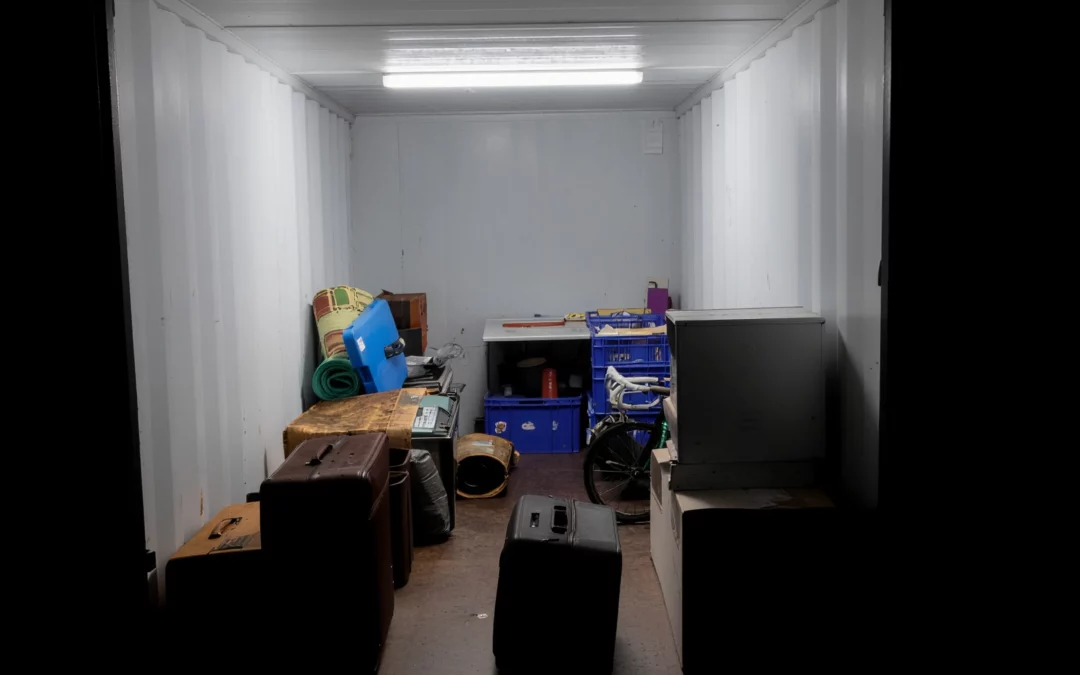
For larger property clearance jobs involving bulky furniture or awkwardly shaped items, external storage containers are worth considering. These are standard 20-foot units that are easy to load at ground level, and they’re accessible 24 hours a day, seven days a week. That flexibility is useful when coordinating a clearance around other commitments.
It’s also worth checking your insurance position before you move anything. Standard landlord policies typically don’t cover belongings once they’ve been removed from the property. Newbury Self Store offers storage insurance as an add-on from £8 per calendar month, so you can arrange appropriate cover for the items you’re holding. Always check the details before moving higher value possessions.
Cost recovery is possible, though limited. Reasonable landlord storage costs can be deducted from the deposit through the proper scheme procedures. Anything beyond that would require a small claims action, which most landlords find impractical when the tenant has vanished. In most cases, it’s simpler to treat storage costs as a recoverable business expense and move on.
Disposal Options After the Waiting Period
Once the notice period is up and you’ve genuinely exhausted your attempts to reach the tenant, you’re entitled to dispose of abandoned items through appropriate channels. The exact timeframe depends on the value of the items and your notice terms, but four to eight weeks is generally considered the minimum.
For valuable tenant property, selling is the most sensible route. Online marketplaces, auction houses, or second hand dealers can all help, but keep thorough records of every sale and the price achieved. Proceeds don’t become yours automatically. Legally, you’re holding them on the tenant’s behalf, to be offset against any debts they owe for arrears or damage.
Charitable donations work well for items with modest value but limited resale appeal. Clothing, books, kitchenware, and basic furniture can all find new homes through local organisations. Always get dated donation receipts. They show clearly that you didn’t profit from the disposal and provide a clean record if questions arise later.
Think of the whole disposal process like settling an estate. You’re acting as a temporary custodian, making reasonable decisions about property that isn’t yours, with a duty to account for your actions to the absent owner. That framing helps keep the focus on proper procedure rather than frustration.
For items with no value at all, standard waste disposal is fine. Broken furniture, worn clothing, and general rubbish don’t require any special handling. Photograph them before they go, so you have evidence that disposal was justified. Cardboard boxes and packaging materials are available to buy directly from Newbury Self Store, making it straightforward to sort and protect remaining items during the property clearance process.
Throughout all of this, keep a detailed log. Record every item, every disposal method, every sale, and every donation, with dates. If the tenant reappears months down the line claiming losses, that log is what protects you. Solid records, combined with proper end of tenancy storage in Newbury, are the hallmarks of a professional and legally sound approach.
Protecting Your Rental Business
Prevention is always the better option. A well-drafted tenancy agreement should include a clear clause stating that all belongings must be removed by the end date, or landlord storage charges will apply. You’ll still need to follow the legal process if abandonment occurs, but clear contract terms strengthen your position considerably.
Deposit protection schemes do more than just hold funds. Using the formal dispute process to document storage cost deductions creates a regulated paper trail that holds up well in any dispute. Courts and arbitrators respond well to landlords who follow the scheme correctly and keep thorough records throughout.
It’s also worth remembering that tenants sometimes leave things behind not out of carelessness, but because they’re going through a difficult transition. Pointing tenants towards personal self-storage options at the start of the tenancy gives them a practical solution and may reduce the risk of abandoned items being left behind at the end.
Regular inspections during the tenancy can also help you spot warning signs early. A tenant who’s neglecting the property or going quiet might be heading toward abandonment. Stepping in early, whether to offer support or begin formal notice procedures, can prevent a minor issue from becoming a costly property clearance job.
For landlords with multiple properties, professional property management is worth serious consideration. Experienced managers deal with abandonment regularly and have established processes in place. Their familiarity with legal requirements and local storage options can save you significant time, money, and stress when tenancy endings go wrong.
Conclusion: Securing Your Position as a Landlord
Abandoned belongings require a careful, measured response. The process takes time and costs money, but following the correct steps protects you from far more serious problems further down the line. Sound documentation, proper conduct, and appropriate end of tenancy storage Newbury are the foundations of a legally compliant approach.
Investing in professional landlord storage and proper process pays off through lower legal risk and real peace of mind. You’re running a business, but you’re also handling someone’s personal possessions. Treating them with care and following the law keeps your reputation intact and protects your rental business for the long term.
To discuss secure storage options tailored to your specific situation, call 01635 581 811 or contact us directly today.