
 01635 581 811
An empty property doesn’t just feel cold. It costs you. Every week without a tenant is lost rent, ongoing bills, and a listing that grows less compelling by the day. For Berkshire landlords managing more than one property, that pressure multiplies fast, and the solution most overlook is surprisingly simple.
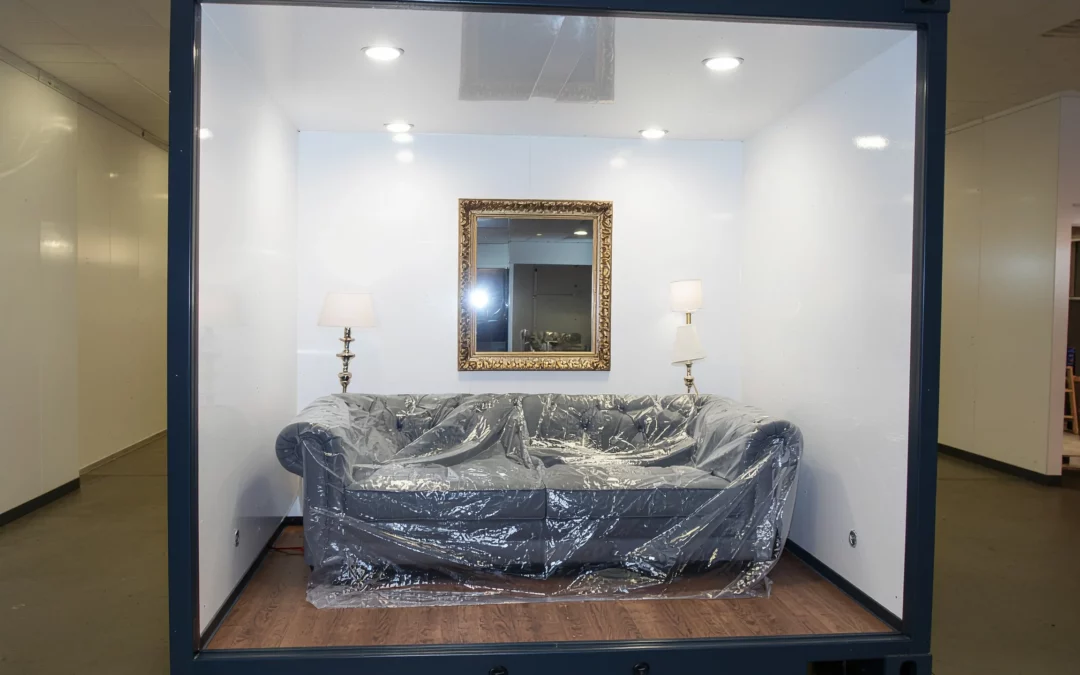
Property staging storage keeps show home furniture ready to deploy the moment a tenancy ends. Rather than scrambling to source pieces or leaving a property bare during marketing, you stage it quickly, let it faster, and return the furniture to storage once the new tenant moves in. The same investment works across your entire portfolio, again and again.
Why Empty Properties Cost Berkshire Landlords Money
Empty properties create immediate financial pressure. Every week a property sits vacant means lost rent, plus ongoing costs: council tax, utilities, and insurance. On top of that, empty rooms photograph poorly, and most tenants browse listings online before booking a viewing.
The psychology behind this is straightforward. Empty spaces force viewers to mentally furnish the rooms themselves, which most people struggle to do accurately. They tend to underestimate room sizes and overestimate how much work a space needs. A staged property removes that guesswork entirely, helping tenants feel an emotional connection that blank walls simply cannot create.
Unfurnished properties also deteriorate faster than occupied ones. Without regular heating and use, damp sets in more quickly. Carpets pick up scuff marks from viewings. The space starts to look tired, even when it’s being maintained. First impressions matter enormously in property lettings, and an empty property rarely makes a strong one.
The Berkshire Rental Market and Tenant Expectations
Berkshire’s rental market is competitive, especially in commuter towns like Newbury. Professionals here want quality accommodation close to good transport links, and they’re willing to pay more for a property that feels ready to move into. The difference between a standard rental price and a premium one often comes down to how the property looks, not what it offers on paper.
Staged properties consistently let faster than empty ones. In a competitive market, the gap averages two to three weeks. In a slower market, it can stretch to months. For a landlord with a £1,200 monthly rental, those three weeks represent £900 in lost income, before you factor in the ongoing costs of a vacant property.
Full furnishing isn’t always the right answer, though. It’s expensive to maintain, and not every tenant wants it. Staging sits neatly in the middle: it creates enough of a visual to show the property at its best, without the cost and upkeep of furnishing every room. It works especially well for professional tenants who have their own furniture but need help visualising the space.
What Property Staging Actually Achieves
Staging transforms an empty space into somewhere that feels like a home. It isn’t about filling every room with furniture. It’s about placing the right key pieces to show what a room can do. A sofa and coffee table in the living room, a dining table with chairs, a bed frame with quality bedding in the master bedroom. These pieces help viewers understand the scale of each room and imagine their own belongings fitting in.
The return on investment speaks for itself. A landlord who spends £2,000 on staging furniture typically recoups that investment through faster lettings and higher rents within the first year. Because the furniture can be reused across multiple properties and tenancies, the cost per letting drops significantly over time.
Good staging also tells a story. It says: this is where you’ll have your morning coffee, where you’ll have friends over, where you’ll unwind after work. That story is told through furniture placement, lighting, and a few well-chosen accessories. It works without saying a word.
The Rotating Furniture Model
The rotating furniture model is the practical answer to staging across a portfolio. Instead of buying new furniture for each property or leaving expensive pieces sitting in vacant units, you keep a collection of staging items in storage. When a tenancy ends and the property goes on the market, the furniture comes out. Once the new tenant moves in, it goes back into storage until the next property needs it.
This cuts costs dramatically. Rather than spending £2,000 per property, you invest £2,000 once and spread that across your whole portfolio. A landlord with three properties could stage six tenancies over two years using the same furniture, bringing the effective cost per letting down to around £330.
The flexibility here is a real advantage. A two-bedroom flat needs different staging than a four-bedroom house, but core pieces like sofas, dining sets, and bed frames work across most property types with minor adjustments. Storage keeps your inventory organised and out of the way between uses.
What to Keep in Your Staging Inventory
The goal is maximum visual impact for minimum investment. In the living room, a sofa and coffee table are non-negotiable. Add a floor lamp and a rug, and you’ve created a space that feels warm and liveable. A compact dining table and chairs work for most properties, even smaller ones.
Bedrooms need less, but the right pieces make a big difference. A bare bedroom reads as a storage room. A dressed bed with quality bedding immediately signals comfort and rest. Add bedside tables and lamps, and the job is done without spending a fortune.
Seasonal staging is worth thinking about too. For landlords who already use business storage units in Newbury alongside their staging inventory, keeping everything in one facility saves time and simplifies logistics. Swap heavier textiles and warmer tones in winter for lighter, brighter accessories in summer. It keeps your listings looking current without much effort.
Don’t overlook property-specific items either. A garden flat benefits from a simple set of outdoor furniture during viewings. A city-centre flat aimed at remote workers might need a desk and chair. These pieces store easily between uses and make a property feel tailored to its likely tenant.
Managing the Between-Tenancy Staging Cycle
The period between tenancies is your staging window. Once a tenant gives notice, you can schedule cleaning, minor repairs, and staging furniture delivery all in the same window. The property goes on the market looking its best, photographs beautifully, and shows well. Once the new tenant signs, the staging furniture goes back to storage before move-in day.
This cycle typically runs two to four weeks. During that time, the staging furniture is doing real work, helping you achieve a faster let and potentially a higher rent. For the rest of the time, it sits safely in storage, barely depreciating, ready for the next deployment.
Rotating pieces between properties is a smart move. Using the same furniture setup in every listing can start to look formulaic. A sofa that staged a two-bedroom flat in Newbury can look fresh and relevant in a three-bedroom house in Thatcham. Variety in your listings helps each property stand on its own.
Proper packaging makes all the difference to how long your furniture lasts. Items like packing materials and furniture covers protect upholstery and wooden surfaces between uses. A quick annual check of your stored pieces means you’ll always know what’s show-ready and what needs attention before the next deployment.
How Portfolio Landlords Use Staging Storage Strategically
The most effective landlords treat staging furniture as a business asset, not a one-off purchase. They manage it systematically, knowing exactly what they own, where it is, and what condition it’s in. I worked with a landlord managing seven properties who was storing furniture in garages and spare rooms, never quite having the right pieces when he needed them. After moving everything into dedicated storage, his average void period dropped by twelve days per tenancy.
The principle behind show home furniture works just as well for an established rental portfolio as it does for a new-build development. Your staging collection becomes a mobile show home: deployed wherever it’s needed, returned to base when the job is done. When market conditions shift and a property that used to let easily starts sitting empty, you can respond quickly.
Newbury Self Store gives landlords a secure, accessible base for their staging inventory. With flexible contracts, no lengthy commitments, and a team on hand seven days a week, it’s a practical fit for landlords who need reliable access between tenancies.
Centralised storage also simplifies portfolio management. When everything is in one place, you always know what you have. You’re not scrambling to find pieces or making do with whatever’s to hand. Everything you need is ready and waiting.
Protecting Your Staging Investment
Keeping furniture in a dry, secure environment is one of the most important factors in maintaining its condition between uses. Damp is the main enemy: it causes upholstery to develop musty smells, wood to swell, and fabric to deteriorate over time. A purpose-built storage facility with a dry, monitored environment removes those risks and gives you confidence that your furniture comes out in the same condition it went in.
A £1,500 sofa that stages ten tenancies over three years represents excellent value, but only if it holds its appearance throughout. Poor storage conditions can cut furniture life in half, effectively doubling your cost per letting. Choosing the right storage environment protects that investment from the start.
Good packaging is the first line of defence. Furniture covers stop dust settling on upholstery. Bubble wrap and transit blankets protect wooden surfaces and legs from scratches during moves. Spending twenty minutes preparing pieces properly before storage saves hours of cleaning and repair later.
Insurance is worth checking carefully. Standard home insurance policies rarely cover business assets stored off-site. Storage facilities typically offer insurance from as little as £8 per month, covering stored items against theft, damage, or unexpected events. It’s a straightforward way to protect your staging investment.
The Financial Case for Staging Storage
Staged properties consistently command higher rents than empty ones, with most research pointing to a 5-10% premium. For a property that might otherwise let at £1,200 per month, staging could justify £1,260 to £1,320. Over a two-year tenancy, that premium adds up to between £1,440 and £2,880 in additional income from a single staging investment.
Shorter void periods make an even bigger difference. Every week a property sits empty costs you not just lost rent but ongoing expenses. Cutting a void period from six weeks to four saves two weeks of costs and generates two weeks of income, a combined benefit of around £1,200 for a typical Berkshire rental. Staging that reliably delivers that result pays for itself within a single letting cycle.
The long-term picture is equally compelling. Consider two landlords, each managing three properties over five years. The first buys budget furniture per property at £800 each, spending £2,400 upfront and then replacing damaged items over time, eventually spending £4,000 to £5,000. The second invests £2,500 in quality staging furniture, stores it properly between tenancies, and replaces very little over the same period. The savings are significant, and the presentation is consistently better.
Think of it like a theatre’s costume department. A professional theatre doesn’t buy new costumes for every production, nor does it leave expensive costumes on stage between shows. It stores a curated collection properly, brings pieces out as needed, and returns them carefully when the production is done. Property staging works exactly the same way.
Getting Started with Staging Storage
Start with an honest look at your portfolio. Calculate your average void period, your typical rental rates, and how many properties you expect to turn over each year. That gives you a clear picture of what staging could earn back, and helps you decide how much space and inventory you actually need.
Focus first on core pieces that work across multiple properties. A quality sofa, a dining set, and bedroom furniture cover most situations. Once you’ve seen how the approach works in practice, you can expand your inventory with seasonal items and property-specific pieces.
Outdoor shipping container units are a practical option for landlords with larger inventories or bulky items like outdoor furniture. The containers sit at ground level, making it straightforward to load and unload large pieces without difficulty. For a landlord managing several properties, that ease of access adds up quickly.
Keep simple records of where your furniture is and what condition it’s in. A basic spreadsheet noting which pieces staged which property and when is enough to avoid confusion and spread wear evenly across your inventory. Photographing pieces before and after each deployment helps you track depreciation and spot anything that needs replacing.
Finally, build a relationship with a reliable removal service or van hire company. Some landlords prefer to handle moves themselves, whilst others find it easier to use a local firm that knows their portfolio and offers a competitive rate for regular bookings. The right approach depends on the size of your portfolio and how hands-on you want to be.
Conclusion
Property staging storage changes how professional landlords manage their portfolios. Instead of accepting long void periods or repeatedly buying property-specific furniture, you build a curated staging collection that works across your entire portfolio. The result is lower costs per letting, faster rental income, and a consistently high standard of presentation.
The Berkshire rental market rewards landlords who take presentation seriously. Tenants have options, and empty properties struggle to stand out regardless of their underlying quality. Staging bridges that gap, turning vacant spaces into homes that photograph well and show even better. Kept in proper storage between deployments, that staging collection becomes one of the most cost-effective tools in your portfolio.
The first steps matter. Choose quality furniture, set up proper storage, and develop a clear process for deploying and returning pieces between tenancies. Get those foundations right, and the returns follow: faster lets, higher rents, and a lot less stress during every tenancy changeover.
Thinking about setting up staging storage for your rental portfolio? Call 01635 581 811 or speak to our team to find the right storage solution for your properties.