
 01635 581 811
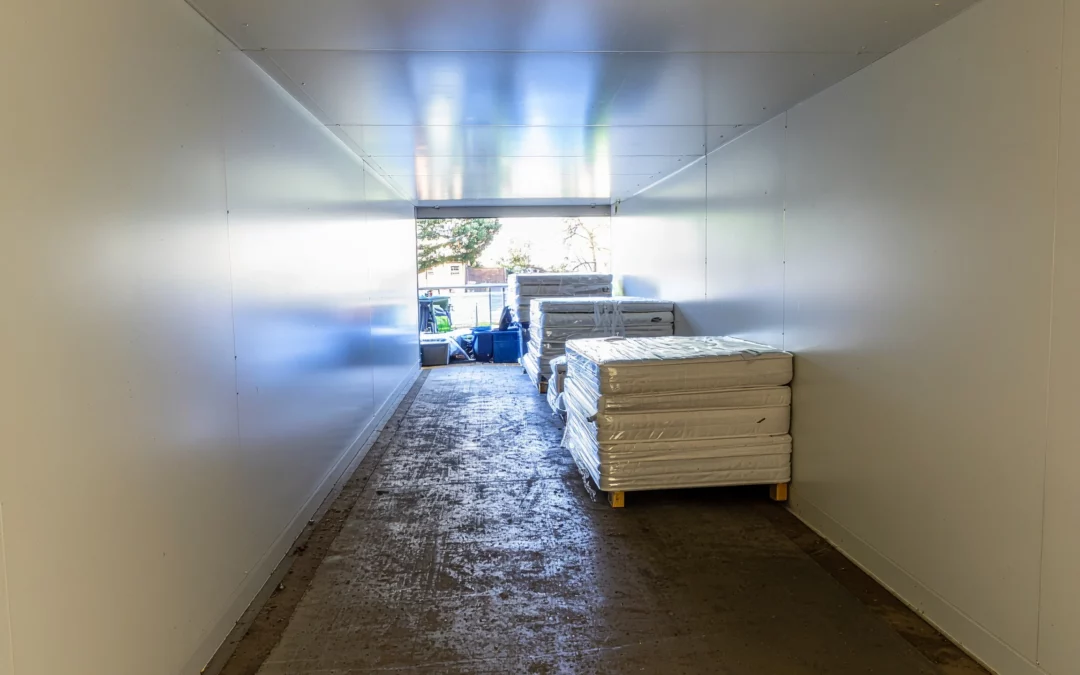
Most landlords making the switch from furnished to unfurnished make the same costly mistake: they get rid of the furniture. Within months, they’re spending money to replace it, wishing they’d kept it, or missing out on premium lets because they’ve got nothing to offer.
The good news is there’s a smarter way to handle the transition. Furnished to unfurnished landlord storage Berkshire has become one of the most practical strategies available to local landlords right now. It protects the value already spent on furniture, reduces ongoing costs, and keeps your options open no matter how the market moves.
This article walks you through why the shift is happening, what it means for your existing furniture, and how the right storage approach can make the whole process work in your favour.
A Changing Rental Landscape
West Berkshire’s rental market has matured considerably. The tenant profile has shifted. Professionals relocating for work, families between homes, and long-term renters with their own belongings now make up the majority of demand across Newbury, Thatcham, and the surrounding area.
For these tenants, an unfurnished letting is often the preferred option. They want control over their own space, and they’re willing to commit to longer tenancies because of it. For landlords, that shift in preference creates a clear opportunity, but only if the property transition is handled correctly.
The Furniture Problem Nobody Plans For
Most landlords approaching this change focus on the rental figures. What they underestimate is the furniture removal challenge. Clearing a furnished property isn’t just a practical task. It’s a financial decision with long-term consequences.
Selling everything quickly rarely works in your favour. The second-hand furniture market in Berkshire is competitive, and bulk selling drives prices down fast. Most landlords recover a fraction of what they originally paid. That’s a significant write-off, particularly across multiple properties.
The smarter approach is to treat furniture removal as an inventory exercise rather than a clearance project. Items that still hold value, quality sofas, solid wood furniture, good beds, deserve better than a car boot sale. Storing them properly preserves that value and keeps your options open.
How Storage Changes the Equation
Furnished to unfurnished landlord storage Berkshire works because it separates two decisions that landlords often conflate: the decision to go unfurnished, and the decision about what to do with the furniture. Moving items into a dedicated self storage unit lets you act on the first without being rushed into the second.
During a tenancy changeover, this matters enormously. You can clear the property, prepare it for an unfurnished let, and have it on the market quickly, without under-selling furniture you may well need again. That speed directly affects your void period, which is one of the most controllable costs in property management.
Working with Newbury Self Store gives you a central holding point for furniture between deployments. It also gives you the ability to respond when market conditions shift. If a short-term corporate let comes up, or a tenant specifically requests a furnished property, you’re not starting from scratch.
Protecting the Value You’ve Already Spent
Furniture in a rental property depreciates constantly. Every tenancy takes a toll. But furniture held in dry, secure indoor storage keeps its condition far better. The contrast in value after two years is substantial.
For landlords managing three or more properties, the case becomes even clearer. Rather than repeatedly replacing furniture across the portfolio, using a central storage facility means one set of quality items serves multiple purposes over time. That’s the core logic behind furnished to unfurnished landlord storage Berkshire as a portfolio strategy, not just a one-off transition tool.
Your rental income improves on two fronts. Unfurnished lettings attract longer tenancies, which means fewer gaps and lower re-letting costs. And by preserving your furniture, you retain the option to furnish at a premium when it’s commercially worthwhile.
Making the Tenancy Changeover Efficient
The period between tenancies is where most of the operational cost sits. A slow tenancy changeover means lost rental income, additional admin, and higher exposure to market fluctuations. Anything that speeds up that process without sacrificing quality has real financial value.
Having furniture in accessible storage, rather than scattered across sale listings or cluttering a property, makes the unfurnished letting process significantly cleaner. The property can be prepared, photographed, and listed faster. Viewings run more smoothly. And if a tenant requests a small addition, like a bed for a spare room, you can accommodate it without a purchasing delay.
The tenancy changeover is also the right moment to review your inventory. Using furniture wrap and boxes when items come out of a property protects them in transit and in storage. Photograph everything, note condition changes, and update your records. A well-kept inventory saves time and supports any insurance claims if needed.
For landlords managing multiple properties, ground-level container storage is worth considering when bulky items need to move in and out regularly. The ground-level access makes loading and unloading larger pieces straightforward without specialist equipment.
Thinking Beyond the Immediate Transition
The landlords who benefit most from furnished to unfurnished landlord storage Berkshire are those who approach it as a long-term system rather than a one-time move. They don’t just store furniture and forget about it. They track it, maintain it, and deploy it where it generates the best return.
That might mean furnishing a property for a six-month corporate let at a 25 percent premium. It might mean gradually selling off older pieces as newer stock comes in. Or it might simply mean having the confidence to switch a property back to furnished if local demand shifts.
The flexibility that storage creates is itself an asset. In a rental market that continues to evolve, the ability to adapt quickly without significant outlay is worth more than most landlords account for when they run their initial numbers.
Conclusion
Going unfurnished is a sound financial decision for most Berkshire landlords right now. But the transition only delivers its full benefit when the furniture is managed properly: not rushed out the door, but held in good condition and ready for redeployment when the right moment arrives.
Furnished to unfurnished landlord storage Berkshire is the practical solution that makes this possible. It protects value, speeds up property transitions, and gives you the kind of operational flexibility that compounds over time. For landlords managing one property or ten, it’s a strategy worth building into how you run your portfolio.
Ready to get started? Call 01635 581 811 or get in touch with our team to discuss the right storage solution for your needs.