
 01635 581 811
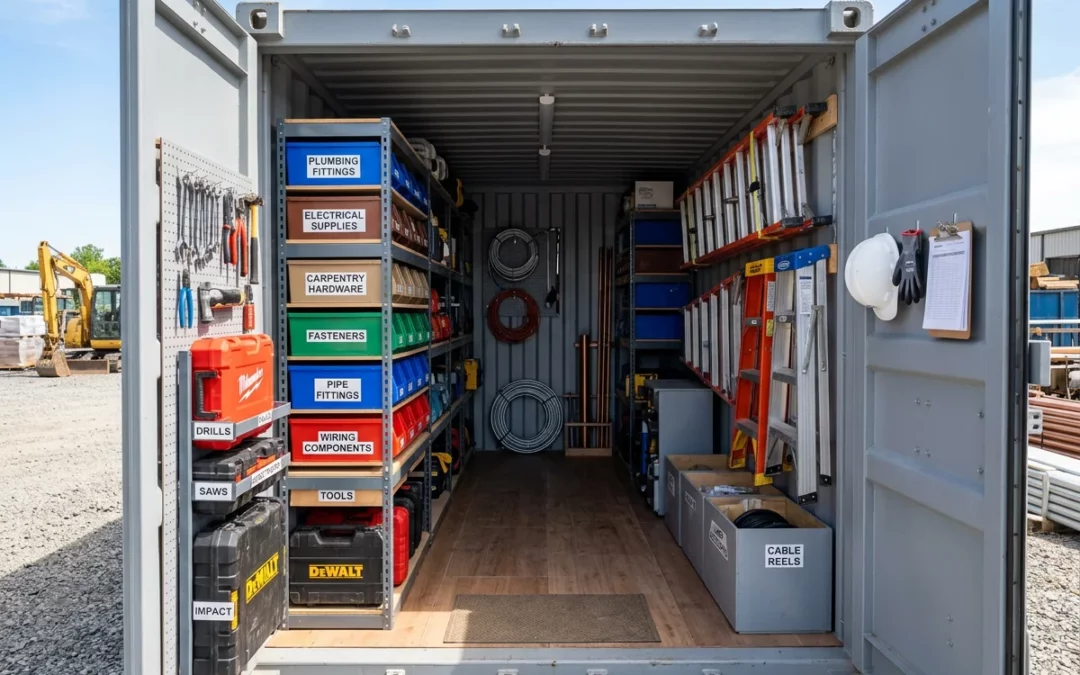
Imagine the sinking feeling of standing in a client hallway whilst realising your most critical tool is sitting miles away in a cluttered garage. This silent drain on your professional reputation and your bank balance is the daily reality for many local tradespeople. Every hour spent searching for misplaced equipment is an hour of lost profit that you can never recover.
I have watched countless handymen arrive at jobs only to realise they have left a crucial tool back at their workshop. One local tradesman told me he had spent nearly two hours over a single week searching for a specific drill bit set. This was time he could never bill to clients, which highlights the hidden cost of disorganised equipment.
Effective handyman storage solutions are not just about tidiness but about preserving your daily income. When you find yourself asking where can i store my container or tools, you are actually asking how to save your business. Proper tool organisation ensures that every minute on site is spent earning rather than rummaging through a van.
Why Multi Trade Equipment Creates Storage Challenges
The breadth of a handyman toolkit presents problems that specialists rarely face. A typical multi trade professional might own three different types of saws and multiple drill sets. Each category requires different storage conditions and accessibility levels to remain useful for daily jobs.
Power tools demand protection from moisture and dust to avoid internal damage. Hand tools need organisation that prevents damage to cutting edges and measuring instruments. Materials like paints, solvents, and adhesives require proper ventilation and temperature control to stay in good condition.
Bulky items such as ladders, planks, and sheet materials consume significant floor space in any workshop. The weight factor compounds these challenges because professional grade equipment is not light. Accessing tools stored at height or buried beneath other items becomes physically demanding over a long working week.
Many professionals in the area struggle with limited space in domestic garages or sheds. This often leads them to search for high quality storage solutions tradespeople can rely on for their heavy gear. Expanding your capacity through professional trade storage allows for a much cleaner and safer working environment.
The Cost of Poor Equipment Organisation
Time wastage represents the most immediate expense of chaotic storage systems. Industry research suggests tradespeople spend an average of 30 minutes daily locating tools and materials. For a handyman working 250 days annually, that is 125 hours of unbillable time every single year.
Equipment damage follows closely behind when tools are stored haphazardly. Tools suffer impacts, moisture exposure, and general wear that shortens their lifespan. Replacing a quality power tool costs hundreds of pounds, whilst a full toolkit replacement could run into thousands.
Professional reputation takes a hit when you arrive at a client property without the right equipment. Returning to collect forgotten tools signals disorganisation to the homeowner. In an industry where word of mouth recommendations drive business, these first impressions matter enormously for your future bookings.
Vehicle maintenance costs also escalate when vans carry permanent loads of unsorted equipment. The constant weight increases fuel consumption and accelerates wear on suspension components. Tools sliding around during transit create noise and potential damage to both the equipment and the vehicle interior.
Core Principles of Effective Handyman Storage
Think of your storage system like a kitchen where everything has its own dedicated place. You would not store your everyday plates on the top shelf whilst keeping serving platters at eye level. The same logic applies to trade equipment and helps you find items much faster during a busy morning.
Categorisation by trade type forms the foundation of any functional system. You should group plumbing tools together and keep electrical equipment separate. Dedicated areas for carpentry and decorating items make the mental connection between the task and the tools intuitive.
Accessibility planning requires an honest assessment of how often you use each item. Daily use items deserve a prime position at waist height and within arm reach. Weekly tools can occupy slightly less convenient spaces, whilst specialist equipment belongs in deeper storage areas.
Climate control matters more than many tradespeople initially recognise for their long term tools. Moisture causes rust on metal tools and warps wooden handles over time. Using professional storage solutions ensures your equipment stays dry and functional regardless of the weather outside.
Creating a Functional Storage System
Begin your journey with a complete inventory audit of everything you own. Empty your van and workshop to honestly assess what you actually use on a weekly basis. Most handymen discover tools they had forgotten they owned or duplicates purchased by mistake.
Zoning divides your storage space into functional areas aligned with specific trade categories. Establish a plumbing zone and a separate electrical section to keep things simple. Within each zone, you should arrange tools by type, such as grouping all hand tools together for easy scanning.
Shelving and racking solutions must match your inventory physical weight and size. Heavy items need robust and low level storage to prevent accidents and damage. Smaller hand tools benefit from drawer systems or wall mounted panels that keep them visible and ready for use.
Robust equipment management does not need to involve complex software or expensive systems. A simple checklist works effectively for most handymen when they are starting out. You can photograph your organised storage to create a master list of equipment locations for quick reference.
Seasonal Equipment Management
Multi trade work follows seasonal patterns that smart handymen anticipate well in advance. Gutter cleaning peaks in autumn, whilst garden maintenance dominates the spring and summer months. Your storage system should reflect these cycles to keep the right tools at the front of your unit.
Rotating tools based on demand keeps relevant equipment accessible without cluttering your main space. As summer approaches, you should move garden maintenance tools forward. This rotation takes minimal time but dramatically improves your daily efficiency on the road.
Winter equipment like drain rods and external lighting tools can move to secondary storage during warmer months. Conversely, summer items like external woodwork treatment supplies deserve front line positions when the season demands them. This keeps your van light and your mind clear for the task at hand.
Maintenance scheduling during storage periods protects your equipment from unexpected failures. Service your power tools during their off season and sharpen cutting implements when they are not in regular use. This proactive approach ensures tools emerge from storage ready for immediate deployment.
Protecting Your Trade Investment
Professional tools represent a capital investment that deserves protection like any other business asset. Climate controlled environments prevent the moisture related damage that destroys tools prematurely. Even in the moderate climate of the United Kingdom, seasonal humidity variations affect metal tools significantly.
Proper packaging for power tools extends beyond their original plastic cases. Tools stored long term benefit from silica gel packets that absorb residual moisture. You might also apply a light oil coating on metal surfaces to prevent oxidation while they are not in use.
Rust prevention strategies matter particularly for hand tools and metal components. Clean your tools before storage to remove any dirt or residue that traps moisture. Apply a thin coat of protective oil and store items in dry conditions with adequate air circulation.
Insurance considerations often overlook tools stored away from your main business premises. Standard policies may not cover equipment in certain storage facilities, so you must verify your coverage. Document your inventory with photographs and serial numbers to support any future claims.
Moving Beyond the Garden Shed
Many handymen start with home based storage like garages or sheds to house their equipment. This arrangement works initially but often becomes inadequate as your tool collection expands. If you are making multiple trips to collect equipment for jobs, your storage lacks capacity.
When tools remain permanently loaded in your vehicle because there is nowhere else to keep them, you are losing money. You are paying daily costs in fuel and vehicle wear due to the extra weight. If you are turning down jobs because you cannot find your equipment, poor storage limits your income.
Dedicated storage facilities offer advantages that home based solutions struggle to match. Professional security protects valuable equipment better than a standard domestic garden shed. Climate control maintains optimal conditions for your batteries and materials year round.
Newbury Self Store provides facilities designed specifically around local trade requirements. Their ground floor access eliminates the physical challenge of moving heavy equipment across long distances. This flexible approach means you are not locked into space you do not need as you grow your local business.
Integration with vehicle based tools creates an efficient and professional workflow. You can keep everyday essentials in your van whilst you maintain a commercial trade inventory in a dedicated facility. This division optimises both your vehicle space and your monthly storage costs.
Setting up an Efficient Retrieval System
Organisation only delivers value if you can quickly locate what you need at six in the morning. Labelling best practices start with clear and consistent identification on every bin. Use large and legible text on labels that are visible without moving any other items.
Modern equipment management tools range from simple spreadsheets to dedicated mobile apps. Choose a system that matches your technical comfort and your specific business complexity. Essential features include location tracking and quantity monitoring for all your daily consumables.
Stock rotation principles prevent materials from degrading whilst newer purchases sit unused. Apply first in first out logic to items with shelf lives like paints and sealants. Regular audits identify items approaching expiration so you can use them before they become expensive waste.
Photographing your organised storage creates a visual reference that proves surprisingly useful on a busy day. When you are at a supplier, checking your storage photos prevents unnecessary duplicate purchases. These images also document your inventory for insurance purposes and help identify missing items.
Maximising Accessibility and Workflow
The physical layout of your storage space dramatically affects your daily business efficiency. Position frequently used items closest to your entry point to create a natural flow. Choosing to utilise shipping container storage eliminates the strain of carrying heavy equipment across car parks.
Vertical space utilisation doubles or triples your capacity without expanding your floor footprint. Wall mounted systems keep hand tools visible and accessible whilst freeing floor space for larger machinery. Ceiling mounted racks accommodate long materials like timber and piping without creating trip hazards.
Workbench integration within your storage space adds functionality beyond simple housing. A dedicated area for tool maintenance and small repairs transforms storage into an active workshop. This setup proves particularly valuable for tasks you would rather not perform at client properties.
Proper tool organisation affects both your safety and your efficiency when picking items. Adequate illumination allows accurate tool identification and reduces the risk of working around sharp equipment. Motion activated lighting adds convenience whilst minimising your energy costs automatically.
Material Storage Logic
Beyond your tools, most handymen accumulate materials that require different storage approaches. Timber warps when stored improperly, and plasterboard degrades quickly in damp conditions. Understanding these requirements prevents material waste and costly job delays at the start of a project.
Bulk purchasing saves money but only if the materials remain usable until they are needed. When you use sturdy box materials, you protect materials from dust accumulation and moisture penetration. This protection proves especially important for items purchased during sales or clearances.
Hazardous materials demand compliant storage that meets all health and safety regulations. Solvents and specialist chemicals require ventilated storage away from any ignition sources. Familiarise yourself with COSHH requirements to ensure your storage arrangements meet these legal standards.
Long Term Business Growth and Scalability
Organised storage delivers advantages that extend far beyond your daily convenience. Professional presentation improves when you arrive at jobs with clean and well maintained equipment. Clients notice these small details and they influence perceptions of your overall professionalism.
Tax efficiency improves with proper equipment management and record keeping. Accurate records of equipment purchases and storage expenses support your tax deductions. Documentation becomes straightforward when your storage system includes inventory tracking and receipt organisation.
Business scalability becomes feasible once you have established efficient storage solutions for your business. Taking on additional work or employing subcontractors requires equipment accessibility that chaotic storage prevents. You can find additional household space elsewhere to create the capacity you need for business growth.
Equipment lifecycle management extends tool longevity through proper maintenance and storage. Tools that live in organised and climate controlled conditions last years longer than those kept in damp sheds. This longevity reduces your capital expenditure and improves your return on investment.
Finding a reliable container self store for your business allows you to focus on the work rather than the logistics. Local tradespeople often discover that trade storage in the local area provides the ideal balance of security and value for money. It provides a dedicated base for your operations that keeps your home life separate from your trade work.
Reliable handyman storage solutions are a necessity for the modern multi trade equipment owner. Without a clear plan for tool organisation, your business will struggle to scale or maintain its profit margins. Investing in a professional unit is the smartest way to manage your multi trade equipment and ensure long term success.
Establishing a routine for trade storage will transform how you handle your multi trade equipment and materials. When you prioritise high quality handyman storage solutions, you are prioritising your own professional sanity. Secure and accessible storage solutions provide the foundation for every successful multi trade career.
Practical Implementation Steps
Start small rather than attempting a complete reorganisation of your life overnight. Choose one trade category and implement a storage system for that specific group. Once this is established and working effectively, you can expand the approach to your other trade categories.
Dedicate time specifically to organisation rather than fitting it around your jobs. Block out half a day and treat it as a business investment rather than lost earning time. The efficiency gains quickly recover this time investment through reduced daily searching.
Involve anyone who accesses your storage in the system design. If you employ others, their input ensures the system works for all users on a daily basis. Clear communication about storage locations maintains organisation over the long term.
Review and adjust your system quarterly to keep it relevant to your current work. Business needs change and your tool collection will naturally evolve over time. Regular assessment identifies what is working and what needs modification to keep your operations smooth.
Building a Sustainable Trade Business
Moving from chaotic to organised storage feels daunting, but the transformation delivers immediate benefits. Most handymen report reclaiming several hours weekly once efficient systems are established. That time converts directly to billable work or valuable personal time.
The financial investment in proper storage pays for itself through multiple channels. You will see reduced equipment replacement and lower vehicle running costs over time. When you calculate the true cost of disorganisation, professional storage becomes an obvious business decision.
Professional storage facilities eliminate the space constraints that limit home based solutions. You are not sacrificing domestic space or annoying your neighbours with early morning loading. The separation between home and work improves your work life balance significantly.
For handymen committed to building a professional business, organised equipment management is fundamental. It is the infrastructure that supports efficient operation and protects your capital investment. You must decide if you can afford to continue working with the hidden costs of disorganised equipment.
To find out how we can help you optimise your trade operations, please call 01635 581 811 or contact our team today to discuss your specific requirements.