
 01635 581 811
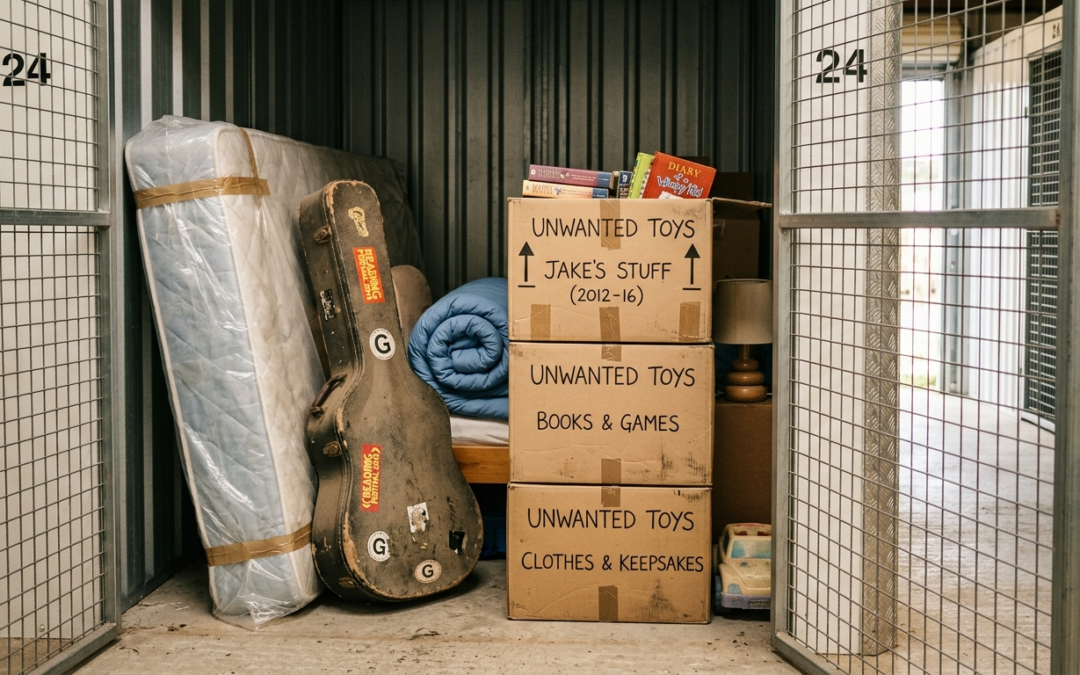
The moment the youngest moves out for university or their first job, a bedroom is left that feels frozen in time. Posters on the walls, a desk piled with old textbooks, wardrobes still half-full of clothes outgrown years ago. A peculiar kind of quiet settles into a home when children leave, and many Newbury families find themselves wondering what to do with these suddenly vacant spaces.
Repurposing a child’s former bedroom isn’t just about reclaiming square footage. It’s about creating a home that serves current life, not the one lived five or ten years ago. The challenge is that these transitions rarely happen cleanly; adult children still need somewhere to stay during holidays, and parents aren’t quite ready to erase every trace of childhood. The solution lies in thoughtful planning and, often, strategic use of empty nest storage Newbury providers offer to bridge the gap between sentimentality and practicality.
Why Empty Bedrooms Stay Empty For Years
Walk through any suburban Newbury neighbourhood and dozens of homes have perfectly good bedrooms sitting unused except for the occasional Christmas visit. The hesitation to change these spaces is completely understandable. Parents worry about making their children feel unwelcome or erasing important memories. There’s also the sheer overwhelm of sorting through years of accumulated belongings: school projects, childhood toys, sports equipment, and clothes from every growth spurt.
What actually happens when these rooms stay frozen is that they become dead zones that drain energy from the home. The door gets closed, the space gets avoided, and meanwhile an entire room that could be used every single day sits empty. A 3-bedroom house in Newbury with one or two unused bedrooms is effectively a 1 to 2 bedroom house, yet the full square footage is being heated, maintained, and paid for.
The emotional weight of these transitions is real, but it doesn’t have to prevent creating a home that works for current needs.
The Bedroom Audit: What Actually Needs To Stay
Before repurposing any bedroom, sorting through what’s actually in there comes first. This isn’t about being ruthless; it’s about being honest. Set aside a weekend and commit to going through everything methodically.
Create four distinct categories. Keep and display: items with genuine sentimental value that deserve proper storage or display, like championship trophies, special artwork, or meaningful keepsakes. Keep for the child: belongings the adult child genuinely wants but doesn’t have space for in their current flat or shared house, including university textbooks, seasonal clothes, or furniture they plan to take eventually. Donate or sell: outgrown clothes in good condition, books, sports equipment, and toys that other families could use. Discard: broken items, outdated electronics, and things that have simply reached the end of their useful life.
The reality check most parents need: if a 24-year-old hasn’t asked about their GCSE geography notes in six years, they don’t need them. If the poster collection has been gathering dust since 2015, it’s served its purpose.
Storage Solutions That Bridge Sentiment And Space
Once everything is sorted, a category of items will likely need temporary or long-term storage. This is where many Newbury families get stuck; they don’t want to throw things away, but they also don’t want them taking up an entire bedroom.
Empty nest storage Newbury families choose offers a practical middle ground. Boxing up a child’s belongings (the furniture they’ll want eventually, boxes of university memories, seasonal items) and storing them in a secure personal unit keeps everything safe until it’s actually needed. This isn’t about pushing children out; it’s about preserving their belongings properly while freeing up space that can be used now.
Think of it like this: keeping a bedroom as a shrine doesn’t honour a child’s childhood any more than storing their belongings safely and creating a functional guest room does. What changes is that the home gets used fully, and the possessions are actually better protected in proper storage than they are gathering dust in an unused bedroom.
When packing items for storage, invest in packaging supplies that protect for the long term. Standard cardboard boxes deteriorate over time, especially holding heavy items like books or framed certificates. Clear plastic storage boxes allow contents to be seen without opening everything, and they stack efficiently.
Five Practical Bedroom Transformations For Empty Nesters
Now for the exciting part: deciding what these reclaimed bedrooms become. The best transformations serve a genuine need in current life, not some aspirational vision of how things should be.
The proper guest room. If children visit regularly or friends and family stay over, convert one bedroom into an actual guest room rather than expecting visitors to sleep around childhood clutter. Keep one wall for framed family photos, but replace the single bed with a comfortable double, add proper bedside tables, and create wardrobe space for guests. A good guest room should feel welcoming, not like a storage unit with a bed in it.
The home office that actually functions. The shift to remote and hybrid working has made dedicated office space invaluable. A former bedroom converts beautifully into a proper workspace because it already has a door, natural light, and enough room for a full desk setup. Position the desk to face the window rather than the wall; this simple change improves both mood and video call backgrounds. A high-quality sofa bed serves dual purposes without compromising the room’s primary function when children visit.
The hobby room deserved all along. Whether it’s sewing, painting, model building, woodworking, or any other pursuit requiring dedicated space and the ability to leave projects out, a converted bedroom gives permission to finally prioritise personal interests. The key is committing to the space fully rather than half-heartedly converting it while keeping boxes piled in the corner.
The home gym or wellness space. Gym memberships often go unused because driving there creates friction. A bedroom converted into a home gym eliminates that excuse. A yoga mat, some weights, a mirror, and perhaps a compact exercise bike create a perfectly functional fitness space. When equipment is visible and accessible, it gets used.
The library or reading room. Consolidating books scattered throughout the house into one room creates something genuinely special. Floor-to-ceiling shelving, a comfortable reading chair near the window, good lighting, and a small desk for writing transform a disused bedroom into the most-used room in the house.
Managing The Guilt And Getting Your Family On Board
Many parents feel guilty about repurposing children’s bedrooms. It feels like erasing them from the family home or suggesting they’re not welcome anymore.
I spoke with a Newbury couple who’d spent three years avoiding their daughter’s bedroom after she moved to London for work. Every time they walked past, they felt a pang of sadness. When they finally decided to convert it into a guest room and home office combination, they worried about her reaction. Her response was immediate: she’d been wondering when they would finally do something with the space, since she hadn’t lived there in years.
Adult children are usually far more practical about these transitions than parents expect. They understand they’ve moved on, and most would rather their parents enjoy the home than maintain a museum to their childhood.
Have an honest conversation before starting. Ask what they genuinely want to keep, give them a reasonable deadline to collect anything they need, and explain the plans for the space. Most importantly, reassure them that they’ll always have somewhere comfortable to stay when visiting; it just might not be their childhood bedroom frozen in time.
For belongings they want to keep but can’t accommodate in their current living situation, empty nest storage Newbury facilities provide means everything stays safe. At Newbury Self Store, the team helps families work out what size unit fits their specific transition, whether that’s a few boxes of keepsakes or an entire bedroom’s worth of furniture.
The Practical Timeline For Bedroom Transformation
Repurposing a bedroom isn’t a weekend project, despite what home improvement programmes suggest. A realistic timeline prevents overwhelm.
Week one: Sort through everything using the four-category system. Be honest about what genuinely needs staying versus what’s being kept out of guilt. The four-category system keeps decisions structured rather than overwhelming. Week two: Have conversations with adult children about what they want. Give them a specific deadline to collect anything needed immediately. Week three: Arrange empty nest storage Newbury facilities offer for items that need keeping but don’t need to stay in the house. Box everything properly and label clearly. Week four: Clear the room completely. This is harder than it sounds emotionally, but it’s necessary; a space can’t be repurposed while it’s still full of the past. Week five onwards: Begin the actual transformation with paint, new furniture, and proper setup. Whether that means installing floor-to-ceiling shelving for a library or fitting out a home gym, this is where the vision comes to life.
Don’t rush this process. The emotional adjustment is just as important as the physical transformation.
When Storage Makes The Transition Easier
Some families find that using storage during the transition period makes the whole process less emotionally fraught. Instead of making immediate decisions about every single item, belongings can be boxed up, stored safely, and given time.
This approach works particularly well when there’s uncertainty about what a child might want in the future. Rather than discarding furniture they might need when they eventually get their own house, keeping it protected in container storage makes it available when they’re ready. For business-related items like archived work materials from a home office conversion, dedicated storage keeps everything accessible without cluttering the new space.
The peace of mind that comes from knowing belongings are safe and accessible makes it much easier to move forward with repurposing the bedroom itself. Memories aren’t being destroyed; they’re being preserved properly while the home gets reshaped for current life.
Creating A Home For Your Current Life
Empty nest transitions force a simple truth: a home should serve the life being lived now, not the life lived when children were young. Repurposing bedrooms isn’t about erasing the past; it’s about creating space for the future.
The families who handle these transitions most successfully acknowledge the emotional weight while still moving forward practically. They keep meaningful items but let go of clutter. They create spaces that genuinely serve current needs (a proper guest room with a sofa bed, a functioning home office, a dedicated hobby space) while ensuring adult children still feel welcome when visiting.
The bedroom that once held a cot and changing table eventually became a space for homework and hanging out with friends. Now it’s time for another transformation, one that reflects who the parents are now and what they need from their home. Empty nest storage Newbury families invest in makes that transformation possible without losing anything that truly matters.
Ready to reclaim your unused bedrooms and start your transformation? Call 01635 581 811 today to book storage that gives you the freedom to redesign your home.