
 01635 581 811
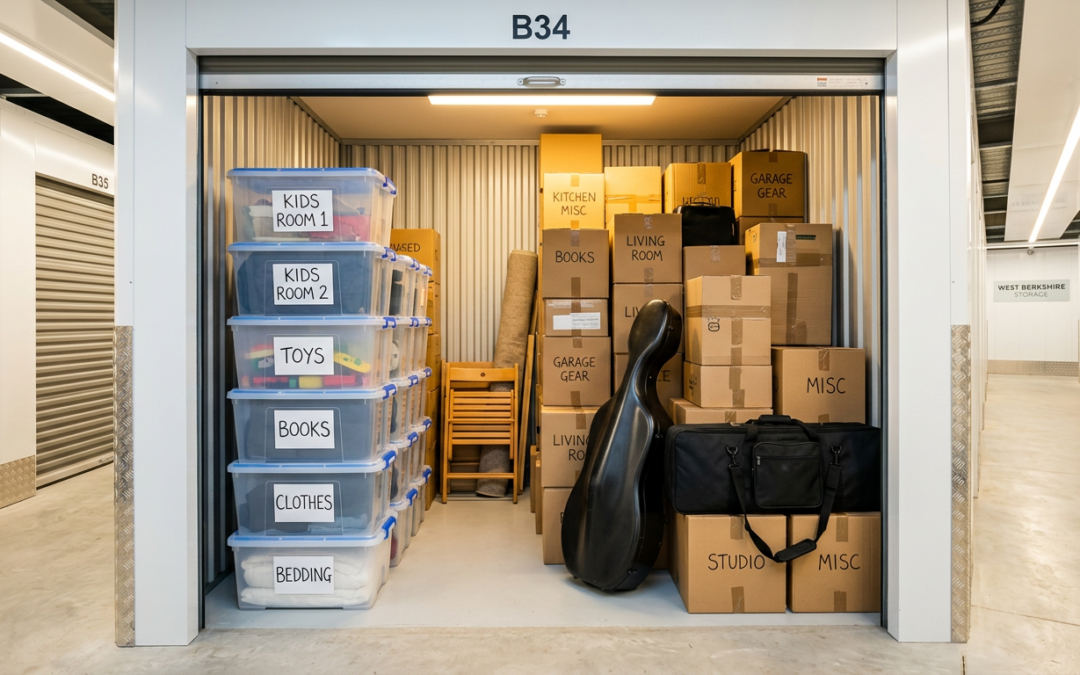
Merging two households into one brings excitement, hope, and an undeniable reality: there’s suddenly twice the furniture, twice the kitchen gadgets, and three sets of Christmas decorations. When blended families come together in Newbury, the emotional complexity of combining lives often collides with the practical challenge of fitting everything into one home without turning every room into an obstacle course.
Most homes aren’t designed to absorb the contents of two separate households. The process involves more than combining possessions; it means working through the sentimental attachments that come with them, the children’s need for stability during transition, and the delicate balance of making everyone feel their belongings matter. Household storage Newbury families rely on becomes more than a logistical solution in these situations. It’s a tool for creating breathing room during one of life’s most significant transitions.
Why Blended Families Face Unique Storage Challenges
When two established households merge, the result is duplicate everything. Two sofas that both families love. Two dining tables with memories attached. Children’s bedroom furniture from each home, all of which carries emotional weight during an already uncertain time.
The pressure to immediately decide what stays and what goes can create unnecessary tension. A child adjusting to a new family structure might feel additional loss if their familiar furniture suddenly disappears. An adult might resent being asked to part with items that represent their independence or previous life chapter.
Temporary storage removes the urgency from these decisions. Instead of forcing immediate choices about what to keep, space is created to settle in, see what truly fits the new life together, and make thoughtful decisions over time. This approach respects everyone’s attachment to their belongings while preventing the new shared home from becoming unliveable.
The Three-Phase Approach To Merging Households
Think of combining households like merging two companies; throwing everything into one office on day one and hoping it works out isn’t a strategy. A proper transition plan makes all the difference.
Phase One: The Essential Move. Bring only what’s absolutely needed for daily life in the first wave. Each person gets their clothing, toiletries, and immediate personal items. The kitchen needs one set of cookware, one set of dishes. Living spaces need one sofa arrangement, one dining set. Everything else (the duplicate appliances, the extra furniture, the boxes of books and decorative items) goes into storage temporarily. This creates a functional home immediately without the chaos of unpacking everything at once.
Phase Two: The Settling Period. Over the next three to six months, what’s missing and what’s actually needed becomes clear. Perhaps the sofa kept isn’t comfortable for the whole family. Maybe that second bookshelf is needed after all, or the children’s craft supplies require dedicated storage nobody had planned for. This period allows items to be retrieved from storage thoughtfully, based on real needs rather than assumptions.
Phase Three: The Final Sort. After six months to a year, clarity emerges about what belongs in the permanent home and what can be sold, donated, or distributed to family members. Items still in storage that haven’t been missed? Those decisions become much easier when nobody has thought about them in months.
Deciding What Goes To Storage Immediately
Not everything deserves equal consideration for immediate living space. Some categories naturally belong in temporary household storage Newbury facilities offer during the transition.
Duplicate furniture and large items. Two washing machines, two lawn mowers, or two sets of garden furniture aren’t needed simultaneously. The duplicates go to storage while decisions are made about selling them, giving them to adult children setting up their own homes, or keeping them as backups. Loading bulky furniture directly into container storage works particularly well, as drive-up access makes moving large pieces straightforward.
Sentimental items that don’t fit the new home’s style. Perhaps one partner has a beloved antique dresser that doesn’t suit the new bedroom layout, or family heirlooms that matter deeply but don’t match the merged household’s aesthetic. Storage preserves these items without forcing anyone to part with meaningful possessions prematurely.
Children’s furniture during room transitions. When children are sharing rooms for the first time or adjusting to new bedroom arrangements, their old furniture might not fit the new space. Storing their previous bed frame and desk safely lets a functional shared room take shape now while preserving the option to retrieve items later if circumstances change.
Seasonal and hobby equipment. Two households mean double the camping gear, double the sports equipment, and potentially duplicate tools and hobby supplies. Store the duplicates and specialised seasonal items, keeping only what will be used in the next few months accessible.
Protecting Everyone’s Emotional Needs During Downsizing
A scenario that plays out frequently: a blended family moves in together, and within the first month, one child notices their old bookshelf has disappeared. It wasn’t valuable or particularly special to the adults, but to the child, it represented their old bedroom, a space that felt entirely theirs. The loss, on top of all the other changes, felt like another thing they couldn’t control.
I worked with a family in exactly this situation. The parents had donated the bookshelf thinking it was clutter, but their eight-year-old daughter asked about it every week for two months. After that experience, they adopted a new rule: nothing belonging to the children leaves the family without the children knowing where it’s going. That single change transformed the rest of the transition.
Storage prevents these moments. When children know their belongings are safely stored rather than gone forever, the transition feels less like loss and more like reorganisation. Their previous life isn’t being erased; space is being made for the new one while their history stays intact.
Give each family member storage ownership. Consider allocating specific boxes or a section of the storage unit to each person. They choose what goes in their designated space, and those items remain theirs to retrieve or decide about later. This autonomy matters enormously during a transition when many decisions are being made for them.
Create a visual inventory together. Photograph items before they go to storage, especially for children. Knowing exactly where their old toy chest or favourite chair is located, and being able to see it in photos, provides reassurance. A visual inventory also makes retrieval faster when specific items are needed months later.
Practical Packing Strategies For Household Mergers
When packing two households’ worth of belongings, organisation determines whether items can actually be found later or the storage unit becomes full of mystery boxes.
Label by person and category, not just room. Instead of “Kitchen” or “Bedroom,” use labels like “Sarah, Kitchen Gadgets” or “Combined, Winter Clothing.” When something specific needs retrieving, the right box is identifiable immediately.
Pack “maybe” items separately from “definitely keep” items. Creating clear distinction between items stored because there’s no room right now versus items stored because the decision hasn’t been made yet saves time later. When final decisions arrive, only the “maybe” boxes need sorting.
Use clear storage containers for frequently accessed items. Clear plastic containers allow contents to be identified without opening every box. This matters particularly for children’s toys, seasonal clothing, or hobby supplies needed before permanent decisions are made.
Choose protective packaging that preserves furniture condition. Mattresses need covers, wooden furniture needs moisture protection, and upholstered items benefit from breathable covers rather than plastic that traps condensation. The supplies chosen now determine whether stored furniture emerges ready to use.
Choosing The Right Storage Size For Blended Family Transitions
The storage unit size needed depends on what’s being held back from the immediate merge. A blended family typically isn’t storing an entire household; it’s the overflow, the duplicates, and the items awaiting decisions.
For modest overflow (extra furniture and boxes). Primarily storing duplicate furniture from one home (perhaps a sofa, dining set, and several boxes of belongings) means a 100 to 150 square foot unit typically suffices. This accommodates several large furniture pieces plus boxed items stacked efficiently.
For substantial merging (multiple rooms’ worth). Holding back furniture from multiple rooms, children’s bedroom sets, or significant amounts of belongings while the family settles means 150 to 200 square feet. This provides enough space to store items without cramming everything in so tightly that retrieval becomes impossible.
For complete household contents. Occasionally, blended families need to store nearly an entire household’s contents temporarily, perhaps because one partner’s home sold before the permanent shared home was found. Furniture benefits from a breathable cover rather than plastic sheeting, and in these cases, larger units or container storage options accommodate complete room sets with proper organisation. At Newbury Self Store, the team helps blended families match the right unit size to their specific transition needs.
How Long Should Transition Storage Last
Most blended families benefit from a six-month to one-year storage period. This timeline provides enough distance to make objective decisions about belongings while preventing indefinite postponement of choices.
Set review milestones. Plan to review stored items at three months and six months. The three-month check allows retrieval of anything genuinely missed. The six-month review helps identify items that haven’t been thought about, strong candidates for selling or donating.
Avoid rushing the process. Some families feel pressure to clear out storage quickly to save costs, but premature decisions often lead to regret. Sticking to review milestone dates rather than making impulsive calls protects against this. The relatively modest cost of household storage Newbury providers offer for several months is considerably less expensive than replacing furniture or items later wished to have been kept. Think of it as an investment in making thoughtful rather than rushed choices.
Managing Costs And Logistics
Storage costs for blended family transitions represent a fraction of the overall moving and merging expenses, but they’re worth planning for strategically.
Compare storage costs against replacement costs. Before storing duplicate items like furniture or appliances, calculate whether storage costs over the intended period exceed the replacement value. For inexpensive items with low resale value, immediate donation might make more financial sense. For quality furniture or items with strong resale potential, storage preserves options.
Factor in accessibility needs. Anticipating retrieval during the storage period (children’s seasonal clothing, holiday decorations, or furniture to swap in) means choosing a facility with convenient access hours and straightforward unit access.
Plan retrieval and final decisions. When final decisions about stored items arrive, scheduling access for a full family sorting day at the facility works well. Making decisions together about what returns home and what moves on to new owners keeps everyone involved.
Creating Your Merged Home Gradually
The most successful blended family transitions happen gradually, not all at once. Household storage Newbury families use during these transitions creates the buffer zone that makes gradual integration possible.
Instead of forcing immediate decisions about whose sofa stays or which kitchen table becomes the family gathering spot, one set is chosen for now. If it doesn’t work (if the sofa’s too small for the whole family or the table doesn’t fit actual meal patterns) the alternative hasn’t been lost. It’s in storage, ready to swap in.
This approach transforms storage from a place where unwanted items go to die into an active tool for building a new household thoughtfully. The merged life gets test-driven, with the safety net of stored alternatives if first choices don’t serve the family well.
The goal isn’t to keep everything forever or to maintain two complete households indefinitely. It’s to remove the pressure of immediate, irreversible decisions during an already complex transition. A blended family deserves the space, both physical and emotional, to discover what works for their unique combination of people, personalities, and needs. Storage provides that space by letting families prioritise settling in, building relationships, and creating new rhythms without the background stress of overcrowded rooms and premature decisions.
Ready to make your household merge smoother? Call 01635 581 811 today to reserve a unit that fits your blended family’s transition and take the pressure off those first crucial months together.