
 01635 581 811
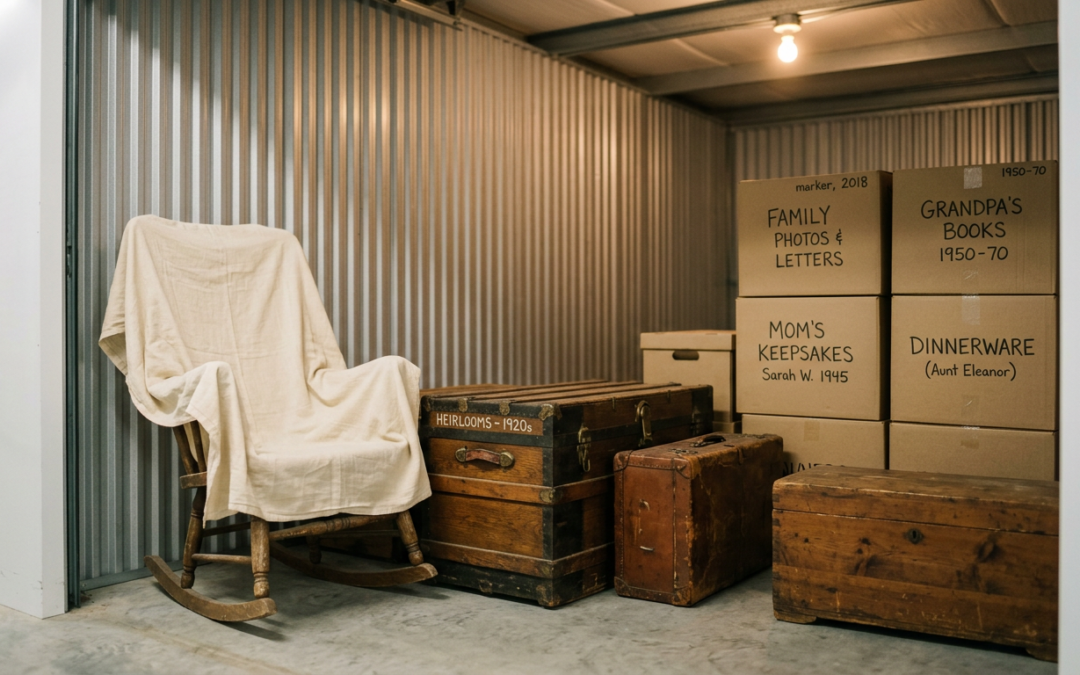
Losing someone close brings an overwhelming wave of decisions at a time when you are least equipped to make them. Amongst the grief, paperwork, and family arrangements, there is often a house full of belongings that need sorting, storing, or distributing. It involves more than furniture and boxes; it is a lifetime of memories that cannot be rushed or discarded without thought.
In West Berkshire, many families face this challenge when they inherit items but lack the immediate space, time, or emotional readiness to process everything. Self-storage offers a practical middle ground, giving you breathing room to grieve, plan, and make thoughtful decisions about what to keep, share, or let go. This is not about pushing things aside indefinitely; it is about creating space for both your belongings and your wellbeing during a difficult transition.
Why Rushing Decisions About Inherited Items Creates Regret
When someone passes away, there is often pressure to clear a property quickly. Rental agreements end, houses need selling, or family members live far apart and can only gather for a limited time. This urgency can force hasty decisions about items that deserve careful consideration.
Research from bereavement counsellors consistently shows that major decisions made in the first six months after a loss are frequently regretted later. That photo album you gave away or the writing desk you sold can hold significance that only becomes clear once the fog of early grief lifts.
Storage provides what grief experts call “decision distance,” which is the temporal space needed to evaluate belongings without the pressure of immediate deadlines. You are not avoiding the task; you are giving yourself the psychological room to approach it when you are genuinely ready.
The Practical Reality Of Inherited Belongings
Most people underestimate the sheer volume involved when clearing a family home. A typical three-bedroom house contains roughly 300 to 400 boxes worth of belongings when properly packed. That comes before you factor in furniture, garden equipment, or items stored in lofts and sheds.
You might be dealing with furniture pieces too large for your current home but too meaningful to discard, collections built over decades that need cataloguing, or documents and photographs requiring time to sort. Many executors discover items of unexpected value, such as antique furniture or rare books, that require professional valuation before distribution. Secure storage protects these assets while you arrange proper assessments.
Creating A Staged Approach To Sorting Inherited Items
The most successful house clearances happen in phases, not in a single overwhelming weekend. Adopting a strategy of house clearance phases enables you to tackle the process in manageable chunks that respect both your emotional capacity and practical constraints.
Phase One involves immediate protection. Move everything to storage first, then sort from there. This approach relieves the pressure of property deadlines while keeping items secure and accessible. You are not making permanent decisions under duress; you are simply moving the timeline to one that works for you.
Phase Two is the initial sorting. Once items are safely stored, you can visit when you are emotionally ready to begin sorting. Many people find this easier than working in the family home itself, where every room holds memories that can derail practical progress. A storage unit becomes a neutral space focused on the task at hand.
Phase Three covers distribution and decision. With everything categorised, you can coordinate with family members, arrange valuations, and make informed decisions. This might take weeks or months, and that is perfectly acceptable. There is no prize for speed when you are processing a lifetime of belongings.
Choosing Storage That Respects What You Are Protecting
Not all storage solutions suit bereavement situations. You need facilities that combine security, accessibility, and flexibility because you cannot predict how long you will need or how often you will want to visit.
When you are storing inherited belongings, you are often dealing with items that cannot be replaced at any price. Family photographs, handwritten letters, and heirlooms passed through generations need protection that goes beyond a basic lock and key. Look for facilities offering individual unit alarms, 24-hour CCTV coverage, and secure perimeter fencing.
Inherited collections often include items sensitive to temperature and humidity fluctuations. Antique furniture can warp, photographs deteriorate, and textiles develop mould in standard storage conditions. Units with climate control are essential for inherited antique preservation, maintaining stable environments that protect wooden furniture, artwork, and paper documents. The additional cost is minimal compared to the irreversible damage that damp or temperature extremes can cause to irreplaceable items.
Flexible Access During An Unpredictable Time
Grief does not follow a schedule, and neither does the process of sorting inherited belongings. You might need to visit storage frequently one week, then not at all for a month. Some days you will feel ready to tackle several boxes; other days you will simply want to sit with one photograph album.
Facilities offering extended or 24-hour access accommodate this unpredictability. You can visit when you have emotional capacity, not just during restrictive office hours. This flexibility is particularly valuable if you are balancing bereavement tasks with work, childcare, or your own household responsibilities.
Coordinating Storage When Family Members Live Apart
Modern families are often geographically scattered, which complicates the process of distributing inherited items. Your sister might live in Scotland, your brother in London, and you are in West Berkshire trying to coordinate everything.
Storage creates a central holding point where items remain secure until everyone can collect their share. Rather than forcing immediate decisions or paying for multiple courier services, you can coordinate collections over time as schedules allow. This facilitates fair family heirloom distribution without the pressure of a single weekend deadline.
Some families find it helpful to photograph stored items and share images in a private online album, letting distant relatives identify pieces they would like. This approach prevents disputes and ensures nothing significant gets overlooked because someone could not attend the initial sorting.
The Emotional Dimension: Storage As Grief Support
There is a psychological benefit to knowing your loved one’s belongings are safe and accessible. Many people describe feeling less anxious once items are in secure storage; they have protected what matters while giving themselves permission to grieve without the added pressure of immediate decisions.
A woman we helped last year described it perfectly: “I was not ready to let go, but I could not keep living in what felt like a museum. Storage gave me a middle path; everything was safe, but I could start reclaiming my own space.” This is not about avoidance. It is about recognising that grief and major life decisions require different mental resources, and trying to do both simultaneously often means doing neither well.
Practical Considerations For Bereavement Storage
Most people need more space than they initially estimate. A one-bedroom flat typically requires a 75 to 100 square foot unit. A three-bedroom house often needs 150 to 200 square feet, sometimes more if there is substantial furniture or collections. It is worth slightly overestimating; having extra space makes sorting easier and costs less than upgrading mid-process.
Since you do not know exactly how long items will remain in storage, pack with longevity in mind. Use sturdy boxes, wrap fragile items properly, and source protective packaging materials rather than makeshift solutions. Proper boxes stack safely, protect contents, and make the eventual unpacking process far more manageable.
Managing probate property deadlines can be stressful. Check what insurance your storage facility includes and whether you need additional coverage for high-value items. If you are storing antiques, jewellery, or valuable collections, document everything with photographs and written descriptions. This documentation serves multiple purposes: insurance claims if needed, fair distribution amongst family members, and your own peace of mind that everything is accounted for.
When Storage Becomes Long-Term: That Is Acceptable Too
Some inherited items might stay in storage for years, and that is a valid choice. Perhaps you are waiting until you move to a larger home, or until children are old enough to appreciate family heirlooms. Maybe you are simply not ready to part with your parent’s belongings, and you do not need to justify that to anyone.
Storage facilities offering flexible terms without punitive long-term contracts give you this option without financial penalty. You are not locked into decisions before you are ready.
Supporting Business Transitions Alongside Personal Loss
If you have inherited a business or your loved one ran a business from home, you are managing commercial assets alongside personal belongings. This adds complexity to an already difficult situation.
Using business storage to separate commercial inventory, equipment, or documents from personal effects makes it easier to wind down business affairs while protecting household items. This separation also simplifies accounting and legal processes during estate administration.
Choosing Storage In West Berkshire
Location matters when you are dealing with bereavement storage solutions. You want facilities close enough for regular visits without requiring lengthy journeys during an emotionally draining time.
West Berkshire locations offer accessibility for local families while remaining convenient for relatives travelling from London, Oxford, or further afield. Good transport links mean family members can collect their inherited items without complicated logistics.
Personal storage facilities designed with family needs in mind provide the space and support necessary during this transition. Look for providers who understand that you are not just storing furniture; you are protecting memories while you process loss.
Making The First Step Feel Manageable
The thought of packing an entire household can feel paralysing when you are grieving. Start smaller than you think necessary. Book a unit, move the most valuable or meaningful items first, then tackle the rest in stages.
You do not need to empty an entire house in a weekend. You do not need to make final decisions about everything immediately. You simply need to create a safe holding space that removes the pressure of property deadlines while you work through grief at your own pace.
For items requiring particularly large-scale storage, perhaps you are clearing a substantial family home or dealing with workshop equipment and vehicles, container storage offers the space and access needed for bigger projects.
The Relief Of Having Time
Every family’s bereavement journey looks different. Some people are ready to sort inherited belongings within months; others need years. There is no correct timeline, and storage removes the artificial urgency that often leads to regret.
What matters is protecting what is important while giving yourself the emotional space to grieve properly. Storage is not a permanent solution to grief; it is a practical tool that supports you through an impossibly difficult time.
The items you inherit represent more than their physical form. They are connections to someone you have lost, tangible links to shared history and love. They deserve thoughtful consideration, not hurried decisions made under duress.
By choosing secure, accessible storage, you are giving yourself permission to grieve first and decide later. You are protecting both the belongings and yourself, creating the space needed to honour your loved one’s memory while gradually moving forward with your own life.
If you are facing this situation and need somewhere secure to store inherited items while you work through decisions, call 01635 581 811 or contact our team to discuss your specific needs.