
 01635 581 811
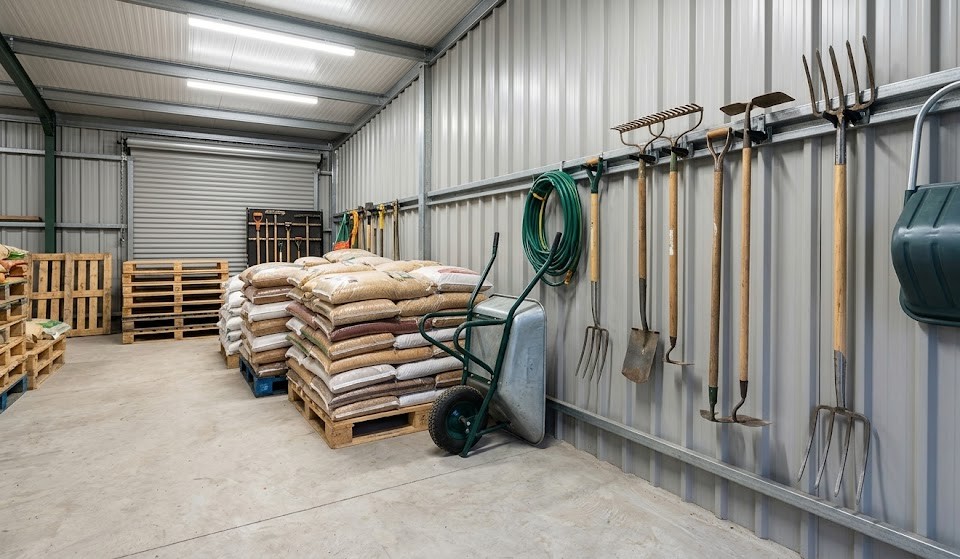
Running a smallholding means juggling seasonal demands, equipment that only gets used part of the year, and bulk feed purchases that need proper protection. Whether you’re managing a few acres with chickens and sheep or running a more substantial operation with machinery and livestock, storage challenges pile up quickly. The reality is that most smallholdings don’t have unlimited barn space or weatherproof outbuildings, and what space exists often gets overwhelmed during peak seasons.
Seasonal smallholder equipment storage isn’t just about clearing space – it’s about protecting investments, maintaining feed quality, and creating a more efficient operation. When your rotavator sits unused for eight months, or you’ve bought summer feed in bulk at better prices, you need solutions that work practically and financially.
The Seasonal Storage Challenge for Smallholders
Smallholders face a unique storage problem that intensifies with the seasons – like trying to fit your entire wardrobe into a single drawer when you really need a walk-in closet. Spring brings cultivation equipment, summer demands shearing and haymaking gear, autumn requires harvesting tools, and winter needs housing for everything that can’t withstand frost. Meanwhile, feed requirements shift dramatically – bulk hay purchases in summer, concentrated feeds for winter, and bedding materials that take up enormous space.
Most smallholdings operate on tight budgets and limited infrastructure. That old barn might leak, the shed’s already packed with essentials, and building new storage isn’t financially viable. Equipment left outside deteriorates rapidly, feed gets damaged by moisture or pests, and you’re constantly moving things around to access what you actually need.
The cost of poor storage adds up faster than most smallholders realise. A rotavator left in the rain develops rust and electrical problems. Feed stored in damp conditions goes mouldy, wasting money and potentially harming livestock. Fencing materials left in heaps become tangled and damaged. One smallholder in Hungerford had lost nearly £800 worth of equipment and feed in a single winter simply because he had nowhere proper to keep it. He’d stored his rotavator in an open-sided lean-to through autumn and winter, thinking the roof would provide adequate protection. However, driving rain soaked the machine repeatedly, and morning dew created persistent dampness. By March, when he needed the rotavator for spring cultivation, he discovered that the electrical system had corroded, the engine wouldn’t start, and rust had seized several moving parts. The repair quote came to £420, but the mechanic warned that even after repairs, reliability would be questionable given the extent of deterioration. He ended up purchasing a replacement for £650, whilst the damaged unit sat as an expensive reminder that proper storage would’ve cost him £85 monthly – £340 for the four-month winter period, less than half what the neglect ultimately cost him.
Equipment That Needs Seasonal Protection
Different seasons demand different tools, and most smallholding equipment represents significant investment that deserves proper protection. Understanding what needs storing and when helps you plan space requirements effectively.
Spring and summer cultivation equipment includes rotavators, seeders, cultivation attachments for compact tractors, and irrigation equipment. These items might see intense use for six to eight weeks, then sit idle for months. Leaving them exposed to weather causes rust, perishes rubber components, and damages electrical systems.
Haymaking and harvesting gear like balers, tedders, mowers, and hay turners work hard during their season but need careful storage afterwards. These machines have moving parts, chains, and belts that deteriorate when left outside. Proper storage extends their working life by years.
Winter equipment such as snow clearing attachments, covered feeders, and lambing equipment needs accessible storage during off-seasons. You can’t afford to have lambing pens taking up barn space in July, but you need them instantly accessible when lambing season arrives.
Fencing and infrastructure materials including rolls of wire, posts, gates, and electric fencing components take up substantial space. These items often get dumped in corners or left outside, where they rust, tangle, or get damaged.
Think of seasonal equipment storage like a wardrobe rotation. You wouldn’t keep heavy winter coats cluttering your hallway in August – you’d store them properly until needed. The same principle applies to smallholding equipment, except these items cost considerably more than a coat and suffer far worse damage from improper storage.
Feed Storage Requirements and Challenges
Feed represents one of the biggest ongoing costs for any smallholding, and proper storage directly impacts both quality and economy. Buying in bulk when prices are favourable makes financial sense, but only if you can store it properly.
Hay and straw need dry, ventilated storage with protection from ground moisture. A single wet bale can contaminate surrounding bales with mould, creating health risks for livestock. Smallholders often stack hay in barns or under tarps, but limited space means they can’t buy in bulk when prices drop after first cut.
Concentrated feeds including pellets, grains, and supplements must stay completely dry and protected from rodents. Damaged packaging leads to waste, and contaminated feed poses serious health risks. Many smallholders store these in sheds or outbuildings, but space limitations force them to buy smaller quantities at higher per-unit costs.
Bedding materials like wood shavings, straw, or hemp take up enormous volume. Buying in bulk saves money but requires significant dry storage space that most smallholdings simply don’t have.
Seasonal feed variations create additional challenges. Winter feeding requires more hay and concentrates, whilst summer grazing reduces stored feed needs. This fluctuation means your storage requirements change throughout the year, making it difficult to plan fixed space efficiently.
One sheep keeper near Newbury was buying hay in small batches throughout winter at premium prices because she had nowhere to store bulk purchases from summer. She’d been spending £18-22 per bale buying 5-6 bales monthly through winter, totalling roughly £540 for the season. By securing proper business storage for £90 monthly, she bought a full winter’s supply (30 bales) during first cut at £11 per bale – £330 total. Even with £360 in storage costs (4 months), her total spend was £690 versus £540, which seems worse until you factor in the quality difference. Her bulk purchase came from a single cutting with consistent quality, whilst her winter purchases varied wildly in quality as suppliers sold whatever they had available. Better-quality hay meant her sheep maintained condition more easily, she used 15% less concentrate feed to compensate, and she had zero waste from mouldy bales that she’d previously had to discard. The feed savings alone covered the storage cost, and she gained the peace of mind knowing she had sufficient quality feed secured regardless of winter supply shortages.
Creating an Effective Off-Site Storage Strategy
When on-site storage reaches capacity, personal storage solutions provide practical alternatives that many smallholders overlook. The key’s matching storage type to specific needs whilst maintaining accessibility.
Assessing your storage needs starts with a realistic inventory. List equipment by season, calculate feed quantities for bulk purchases, and identify items that could move off-site without causing daily inconvenience. Not everything needs to be immediately accessible – your haymaking equipment in January or lambing pens in August can sit in storage without impacting operations.
Choosing the right unit size depends on what you’re storing and how you’ll access it. A smaller unit for seasonal equipment rotation works differently than a larger space for bulk feed storage. Consider how you’ll arrange items – you need to reach things at the back without unpacking everything at the front.
Climate considerations matter significantly for feed storage. Standard storage units work well for equipment and tools, but feed requires consistent dry conditions. Understanding what your storage provider offers helps you make informed decisions about what to store where.
Accessibility planning ensures you can retrieve items when needed without excessive travel or hassle. If you’re rotating equipment seasonally, quarterly access suffices. For feed storage, you might need more frequent visits, so proximity and access hours become important factors.
Practical Storage Solutions for Different Smallholding Needs
Different smallholding operations require tailored storage approaches. What works for a hobby farm with a few chickens differs from a more commercial operation with livestock and machinery.
Micro-smallholdings (under 2 acres) typically need storage for hand tools, small equipment like strimmers and mowers, fencing materials, and modest feed quantities. A smaller storage unit handles seasonal equipment rotation effectively, freeing up limited on-site space for daily essentials.
Medium smallholdings (2-10 acres) usually run livestock and require space for compact tractor attachments, bulk feed purchases, lambing or kidding equipment, and seasonal fencing materials. These operations benefit most from strategic off-site storage, keeping seasonal items secure whilst maintaining on-site space for active use.
Larger smallholdings (10+ acres) often need business storage solutions for significant equipment, bulk feed buying, and materials for infrastructure projects. These operations might use storage year-round, rotating equipment seasonally whilst maintaining stock of feed and materials.
Specialist operations like poultry farms, apiaries, or market gardens have unique storage needs. Beekeeping equipment used intensively for three months needs protection the rest of the year. Market garden machinery and supplies require organised storage for efficient rotation.
Preparing Equipment for Seasonal Storage
Proper preparation before storage prevents damage and ensures equipment works perfectly when you need it again. Taking time to prepare items properly saves money and frustration.
Cleaning and maintenance should happen before storage, not when you’re desperate to use something. Remove dirt and organic matter that holds moisture and accelerates rust. Check for damage, make minor repairs, and note anything needing professional attention before next season.
Protecting metal surfaces with appropriate treatments prevents rust during storage. Clean metal thoroughly, treat any existing rust spots, and apply protective coating suitable for the item. This simple step can add years to equipment life.
Draining fluids from engines and equipment prevents damage during storage. Fuel left in tanks and lines deteriorates and causes starting problems. Follow manufacturer guidelines for proper storage preparation of powered equipment.
Organising for retrieval means thinking about what you’ll need first when the season arrives. Store items logically so you’re not excavating through summer equipment to find winter gear. Label clearly and keep a simple inventory.
Think of equipment preparation like putting a boat away for winter – you wouldn’t just abandon it and hope for the best. The same care applied to smallholding equipment pays dividends in reliability and longevity.
Feed Storage Best Practices
Storing feed properly protects your investment and ensures livestock health. Poor feed storage wastes money and creates risks that no smallholder can afford.
Protecting from moisture is paramount for all feed types. Even small amounts of moisture cause mould, spoilage, and nutrient loss. Ensure feed stays completely dry from the moment you purchase it through entire storage period.
Rodent prevention requires secure storage and regular monitoring. Mice and rats don’t just consume feed – they contaminate far more than they eat. Proper packaging in sealed containers provides essential protection.
Air circulation prevents condensation and mould growth, particularly for hay and straw. Don’t pack bales so tightly that air can’t circulate. Slight gaps between bales and walls help maintain quality.
Rotation systems ensure older feed gets used first. Mark purchase dates clearly and arrange storage so you naturally use oldest stock first. This simple practice prevents waste from feed going out of date.
Regular inspection catches problems early. Check stored feed monthly for signs of moisture, pests, or deterioration. Early detection prevents small problems becoming expensive disasters.
Cost-Benefit Analysis of Off-Site Storage
Smallholders operate on tight margins, making every expense justify itself. Understanding the real costs and benefits of off-site storage helps you make informed decisions.
Direct financial benefits include buying feed in bulk at lower prices, protecting equipment from weather damage, and avoiding replacement costs for deteriorated items. One smallholder calculated that preventing the loss of a single rotavator to rust paid for three years of storage.
Operational improvements from better organisation and accessibility often surprise smallholders. When you know exactly where everything is and can access it easily, you work more efficiently. Time saved searching for tools or making emergency equipment purchases adds up significantly.
Reduced stress from knowing your investments are protected properly has real value. Not worrying about whether your haymaking equipment survived another winter or your feed stayed dry provides peace of mind that’s difficult to quantify but genuinely valuable.
Flexibility for growth becomes possible when you’re not constrained by on-site storage limitations. Taking on additional livestock, expanding your operation, or trying new enterprises becomes feasible when storage isn’t a limiting factor.
Calculate your potential savings from bulk feed purchases alone. If buying six months of hay in summer saves £400 compared to buying monthly through winter, and storage costs £60 monthly, you’re ahead financially whilst gaining better quality control.
Seasonal Rotation Strategies
Effective seasonal rotation maximises storage value whilst minimising inconvenience. Planning your rotation strategy ensures you have what you need when you need it.
Spring preparation means retrieving cultivation equipment, seeds, and planting supplies whilst storing winter feeding equipment and housing. Plan this transition for early spring so everything’s ready when weather permits work.
Summer transitions bring haymaking and harvesting equipment forward whilst storing lambing gear and winter equipment. This is also the ideal time for bulk feed purchases if you have storage capacity.
Autumn adjustments involve storing summer equipment and retrieving items for winter livestock management. Fencing materials for winter paddock arrangements and covered feeders come out of storage.
Winter planning focuses on maintaining access to essential items whilst keeping summer equipment secure. Use quieter winter months to service stored equipment so it’s ready when needed.
Maintaining flexibility within your rotation system accommodates unexpected needs. Don’t pack storage so tightly that retrieving one item requires unpacking everything. Leave space for occasional access to off-season equipment.
Security and Protection Considerations
Smallholding equipment represents substantial investment that needs proper security. Understanding protection options helps you make informed choices about storage.
Physical security including secure facilities with appropriate access control protects against theft. Quality storage facilities provide security measures that most smallholdings can’t replicate on-site.
Weather protection keeps equipment and feed safe from rain, snow, frost, and sun damage. Proper buildings with sound roofs and walls provide protection that tarps and makeshift covers simply can’t match.
Pest control in professional storage facilities prevents rodent damage to feed, leather tack, and equipment wiring. This protection alone can justify storage costs for feed and certain equipment.
Insurance considerations often favour proper storage. Check whether your insurance covers equipment and feed stored in various locations, and whether professional storage affects premiums or coverage.
Making Storage Work for Your Operation
Successful storage integration requires planning that fits your specific operation. Cookie-cutter approaches rarely work for smallholdings because each operation has unique requirements.
Start with a clear inventory of what you need to store, when you’ll need access, and what protection each item requires. This assessment forms the foundation of an effective storage strategy.
Plan for growth by choosing storage solutions that can expand with your operation. Starting with a smaller unit and adding capacity as needed costs less than committing to excessive space immediately.
Establish routines for seasonal transitions so equipment rotation becomes a normal part of your operation. Schedule storage visits around natural breaks in your farming calendar.
Keep detailed records of what’s stored where, when items went into storage, and any maintenance needed before next use. Simple spreadsheets or even notebooks prevent confusion and wasted time.
Review and adjust your storage strategy annually. Your needs change as your smallholding evolves, and what worked perfectly last year might need modification.
Newbury Self Store understands that smallholders need storage supporting efficient operations, not generic warehouse space. You need facilities where seasonal equipment stays protected, where feed storage remains dry and accessible, and where smallholder equipment storage protects your investments year-round. We know that your smallholding equipment isn’t just tools – it’s the foundation of your self-sufficiency and agricultural lifestyle.
Conclusion
Effective storage solutions transform smallholding operations from constantly juggling space constraints to running efficiently year-round. Whether you’re protecting valuable equipment from weather damage, buying feed in bulk at better prices, or simply creating more usable space on your property, proper storage planning delivers returns that extend far beyond the rental cost.
The key’s matching storage solutions to your specific needs rather than trying to make do with inadequate on-site options. Seasonal equipment doesn’t need to clutter your barn year-round, and bulk feed purchases shouldn’t be impossible because you lack proper storage. Professional storage facilities provide security, weather protection, and accessibility that most smallholdings can’t replicate affordably on-site.
Start by assessing what’s currently taking up valuable space that could work more efficiently elsewhere. Calculate the potential savings from bulk purchases and equipment protection. Then explore options that fit your operation’s scale and budget. Many smallholders discover that proper storage doesn’t just solve immediate space problems – it enables operational improvements and growth that seemed impossible before.
For smallholders looking to optimise their operations, contact us to discuss storage solutions tailored to agricultural needs. Whether you’re storing seasonal equipment, bulk feed purchases, or materials for upcoming projects, the right storage strategy protects your investments and supports your smallholding’s success.